
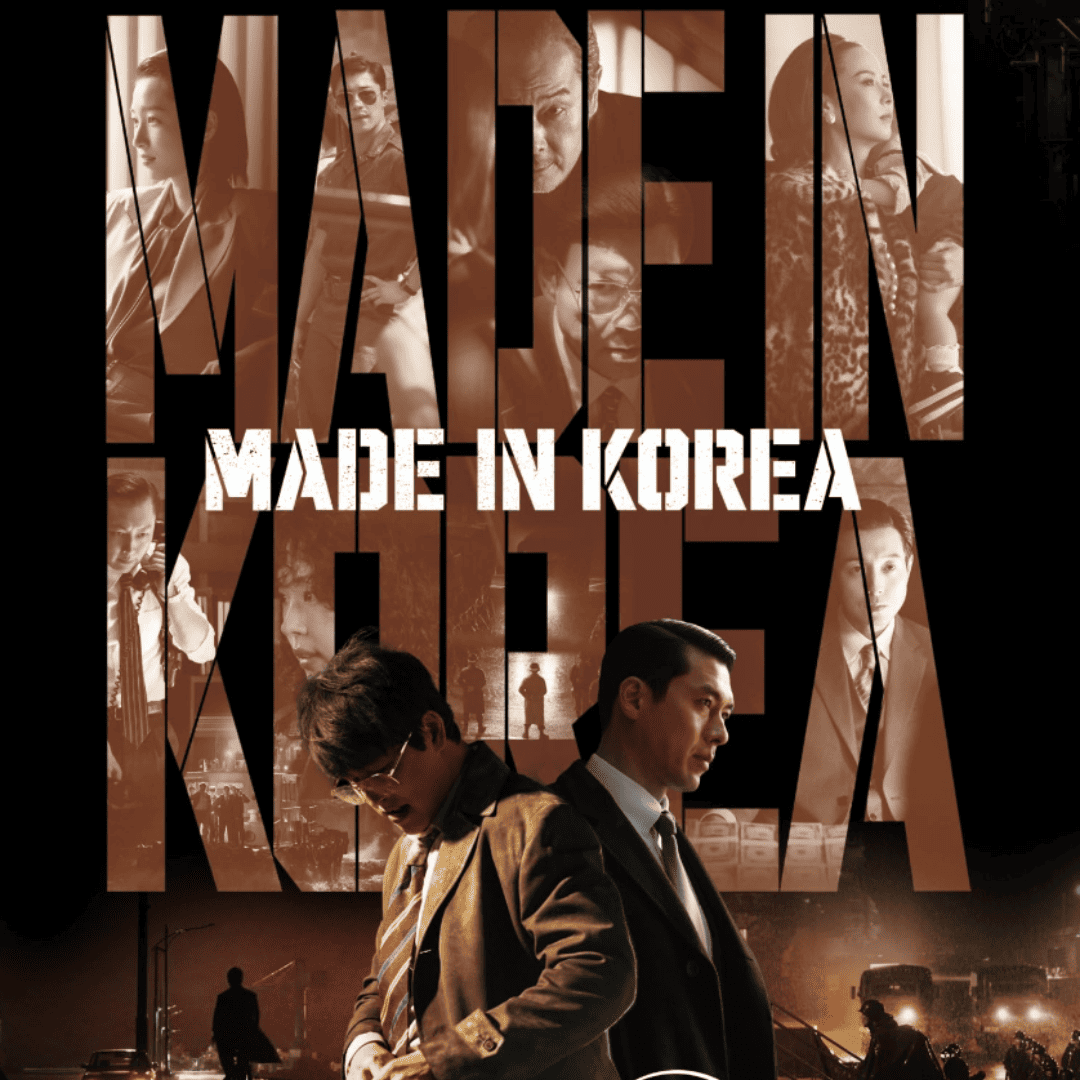
Made in Korea Season 1 Review: Hyun Bin, KCIA Power & Twisted Patriotism
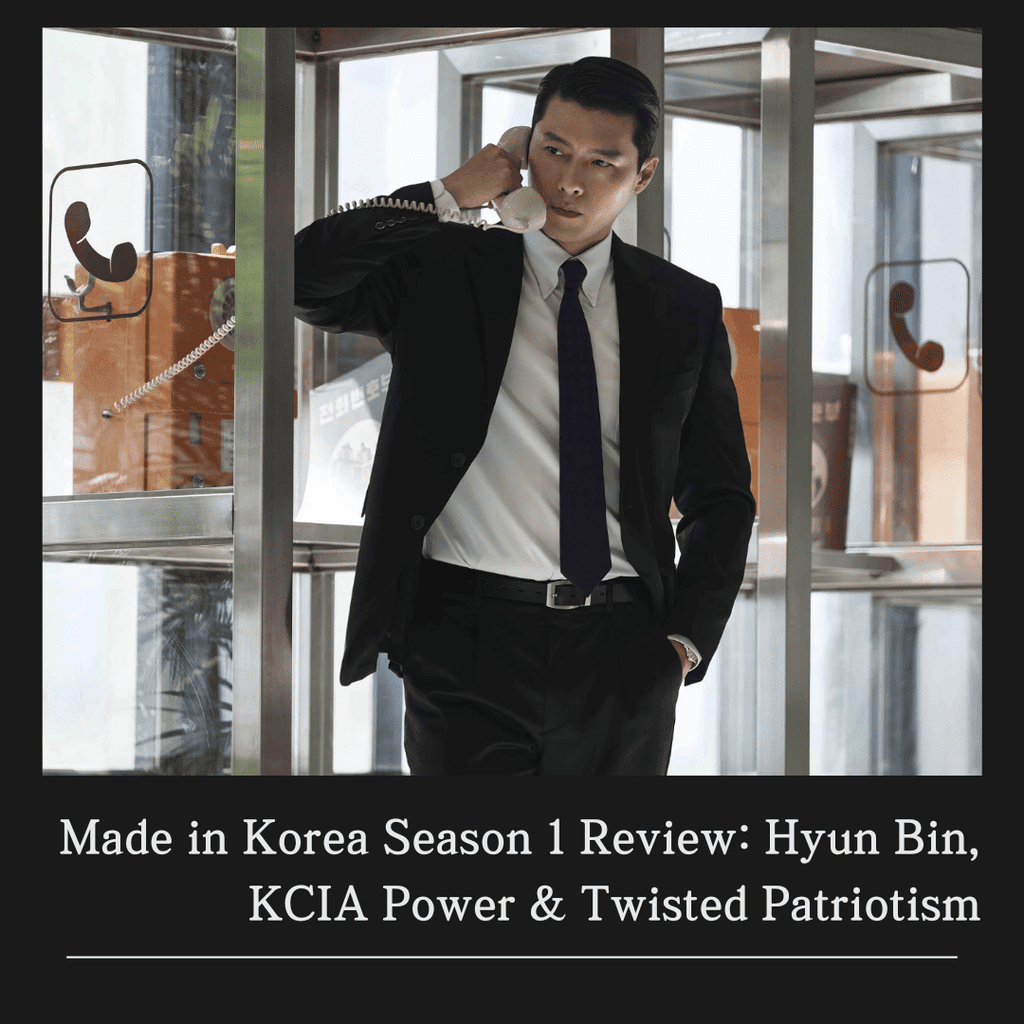
What happens when patriotism becomes an excuse for corruption?
The Verdict Box
Score: 7.8 / 10
Starring: Hyun Bin, Jung Woo-sung
The Vibe: A tense, atmospheric 1970s crime thriller about political corruption, illicit trade, ambition, and the dangerous machinery of state power.
Watch if you liked: The Drug King, Narco-Saints, Chief Detective 1958, or gritty Korean political thrillers.
Best for: Viewers who enjoy morally complicated protagonists, historical crime dramas, and slow-burning cat-and-mouse battles between powerful men.
Skip if: You dislike political maneuvering, morally murky protagonists, or historical thrillers that take their time building tension
The Core Question: What happens when patriotism becomes an excuse for corruption, and how far can an idealistic prosecutor go to stop it?
Made in Korea Season 1 Review: Baek Ki-tae: The Criminal You Somehow Find Yourself Rooting For
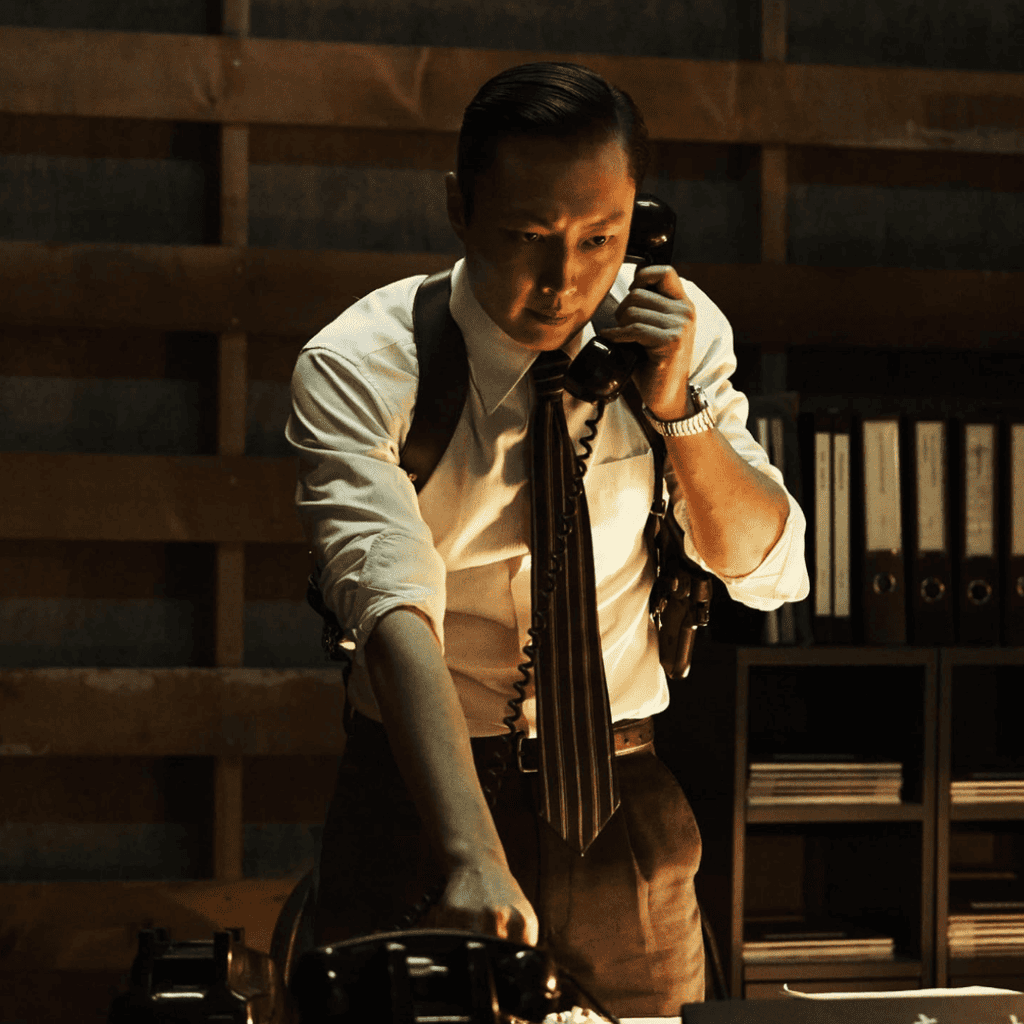
Going into Made in Korea, I wasn’t entirely sure what to make of Hyun Bin’s Baek Ki-tae.
At first, he looks like a familiar type: an ambitious businessman willing to get his hands dirty to climb the ladder. But the deeper we get into his world, the more complicated he becomes.
Ki-tae isn’t simply an independent criminal. He’s connected to the KCIA and a much larger network of political power. Disney+ describes him as a man living a double life while pursuing wealth and influence in 1970s Korea.
And that’s where Made in Korea becomes more interesting than a straightforward gangster drama.
Ki-tae isn’t really fighting the system. He’s trying to become the system.
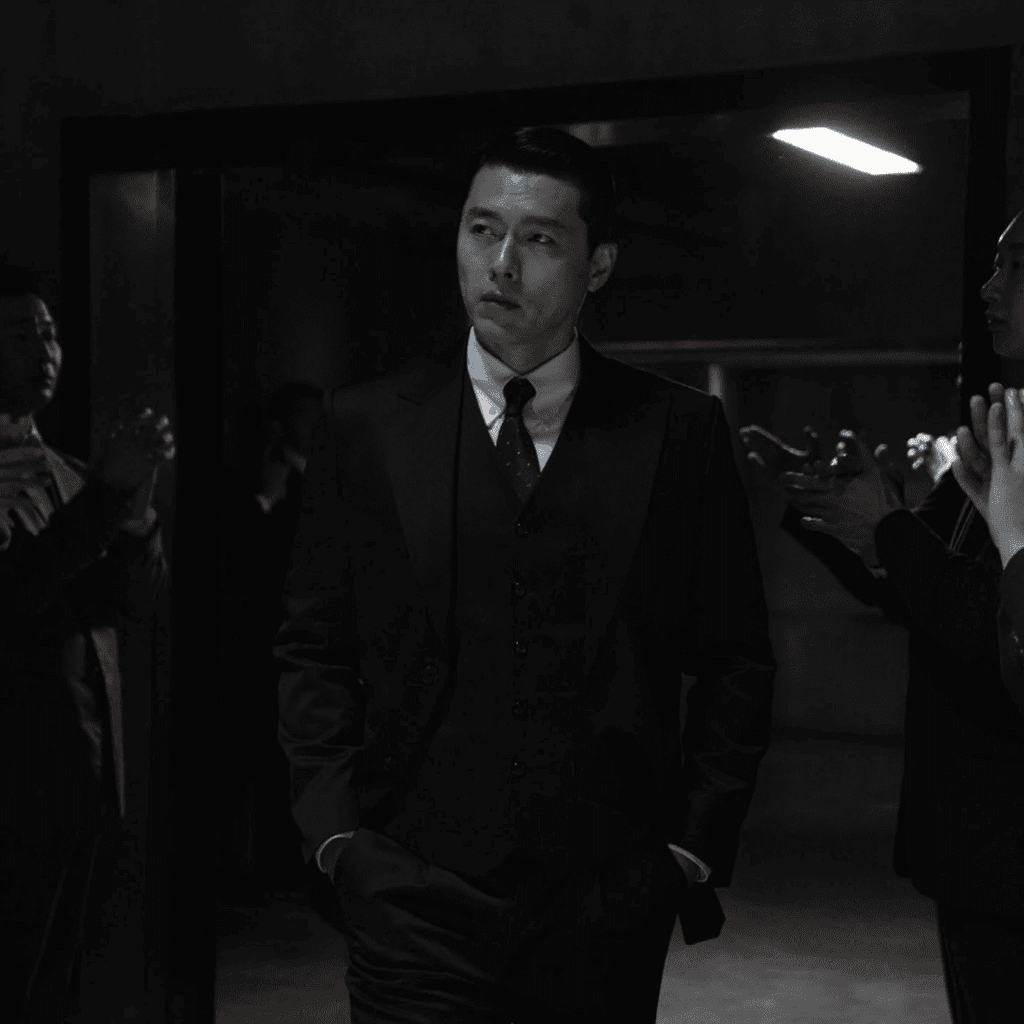
He’s ruthless and deeply compromised, but he’s also motivated by his family, his background, and his desire to build a better future. That makes him difficult to categorize as simply villain or hero.
You know he’s doing some seriously questionable things. You know he’s playing with people far more powerful and dangerous than himself. And yet, when the pressure closes in around him, there’s a part of you that wants him to escape.
That’s the trick Hyun Bin pulls off so well.
He makes Ki-tae charismatic enough that you understand why people follow him without allowing you to forget how morally compromised he has become.
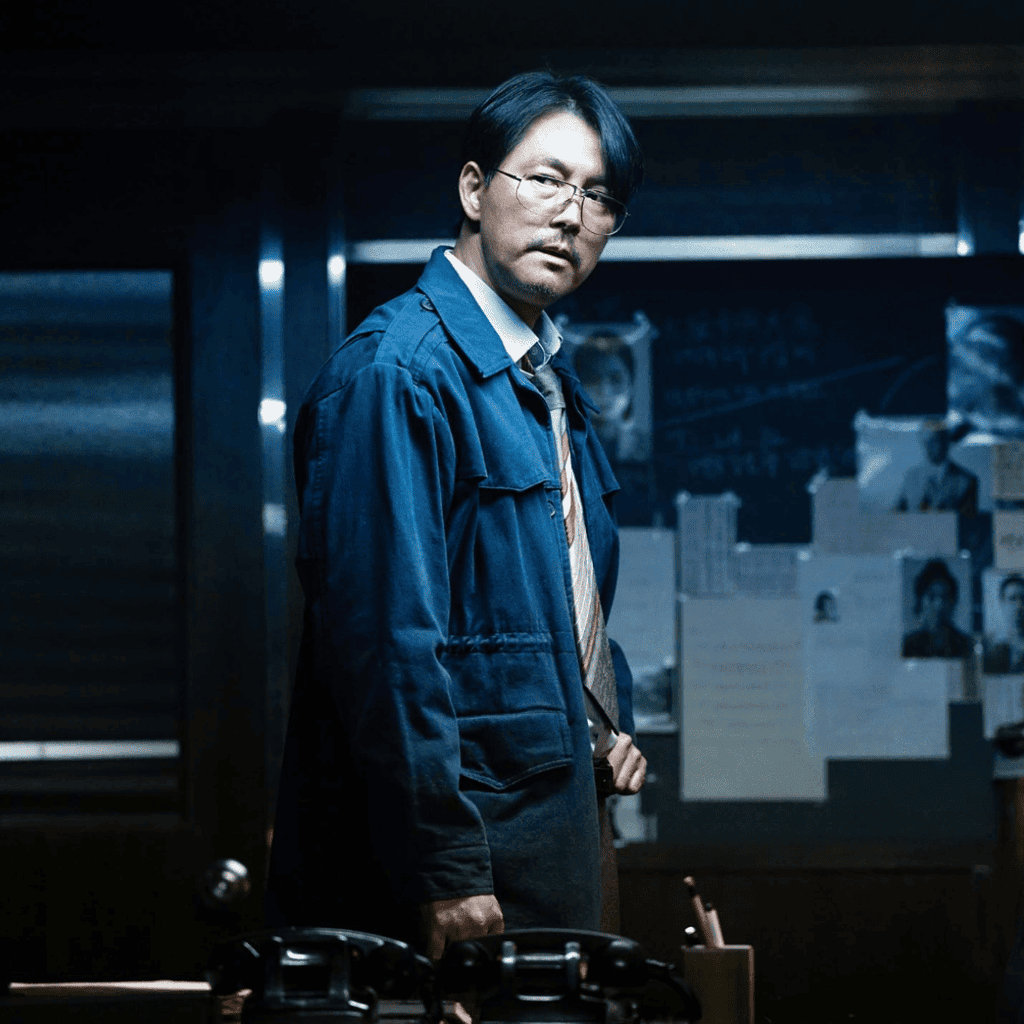
Justice vs. Twisted Patriotism
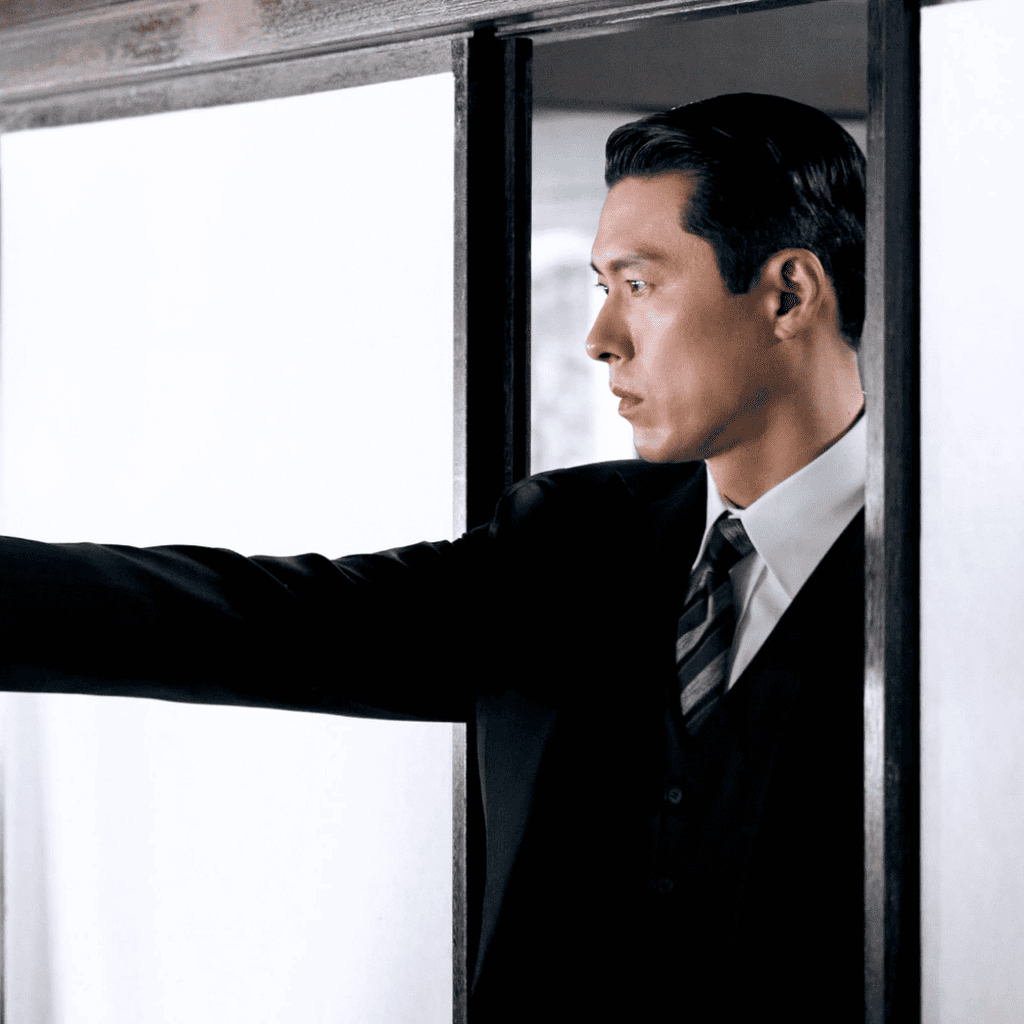
IIf Ki-tae represents ambition without much of a moral ceiling, prosecutor Jang Geon-yeong represents something very different.
He believes there are lines that simply shouldn’t be crossed.
And that puts him directly in Ki-tae’s path.
Jung Woo-sung gives Geon-yeong an intensity that works particularly well against Hyun Bin’s controlled performance. His pursuit of the drug trade is also deeply personal. His father returned from war addicted to drugs and ultimately murdered his mother, leaving Geon-yeong with an almost uncompromising belief in justice.
So when he starts uncovering how far the drug operation reaches into the machinery of government, backing down isn’t really an option.
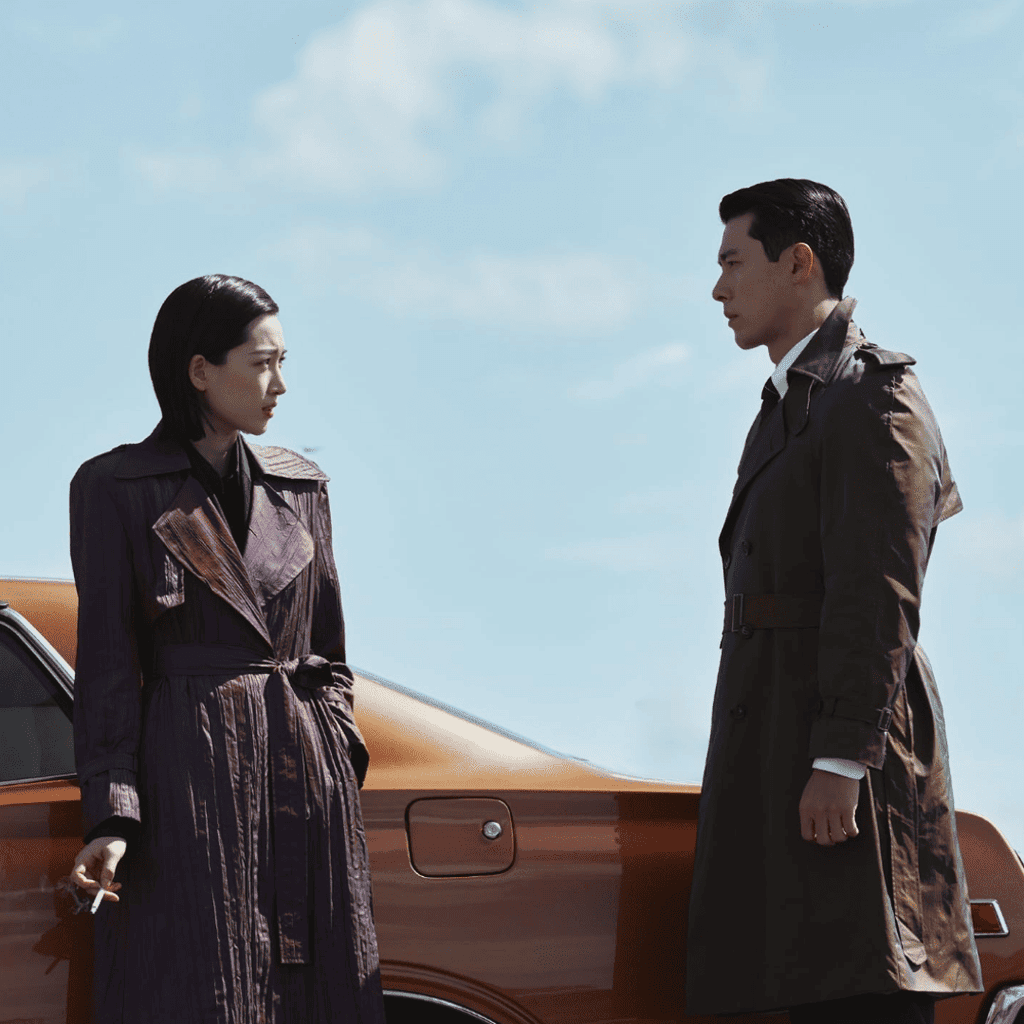
This creates the central conflict of the series.
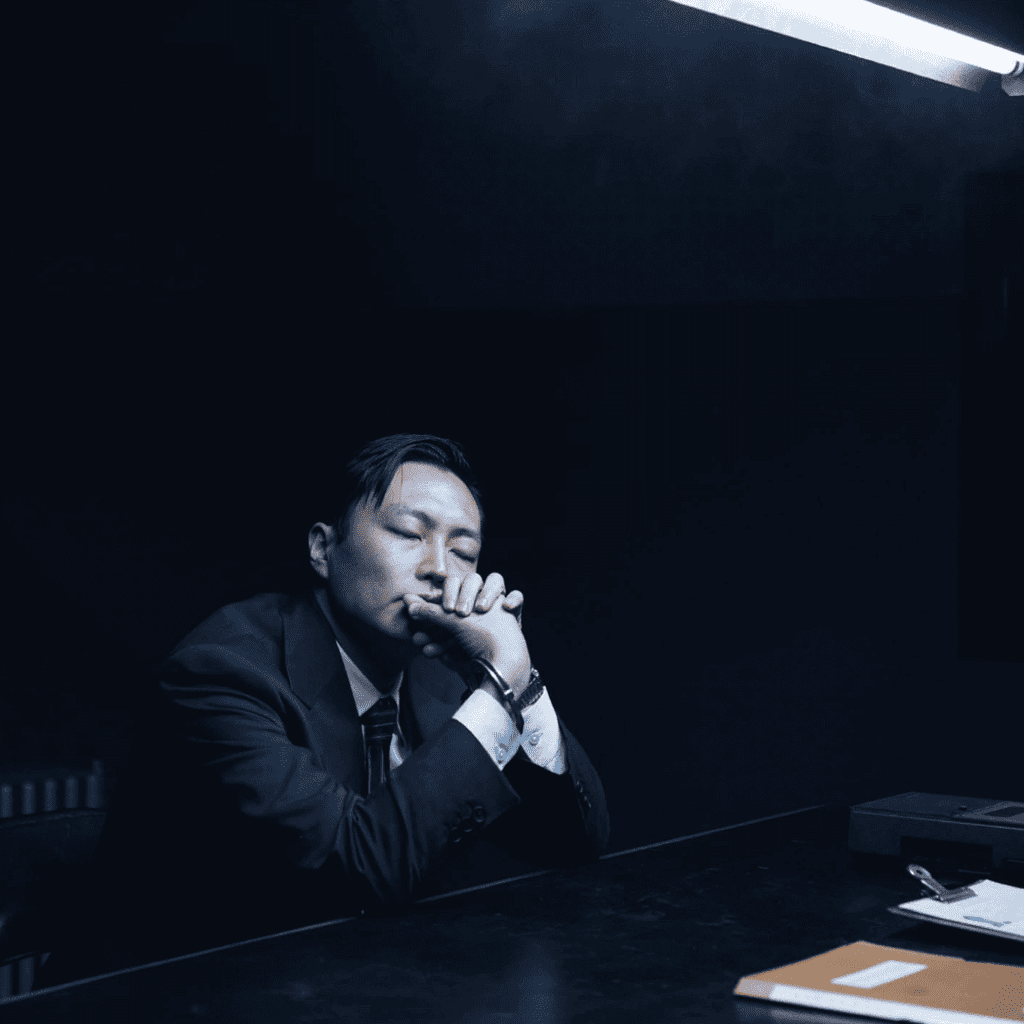
Geon-yeong believes the law should apply even when the people breaking it are powerful. Ki-tae, meanwhile, operates within a system that has convinced itself its actions serve a greater national purpose.
The argument is essentially that if the drugs are being exported rather than distributed domestically, the operation can be justified as a way of generating money and strengthening the state.
The corruption doesn’t necessarily see itself as corruption. It sees itself as patriotism.
That’s what makes the conflict more interesting than a simple good-versus-evil story.
Ki-tae isn’t necessarily thinking, I’m the bad guy.
He’s thinking, I’m doing what I have to do.
And Geon-yeong fundamentally rejects that logic.
Made in Korea Season 1 Review: A Very 1970s Crime Thriller
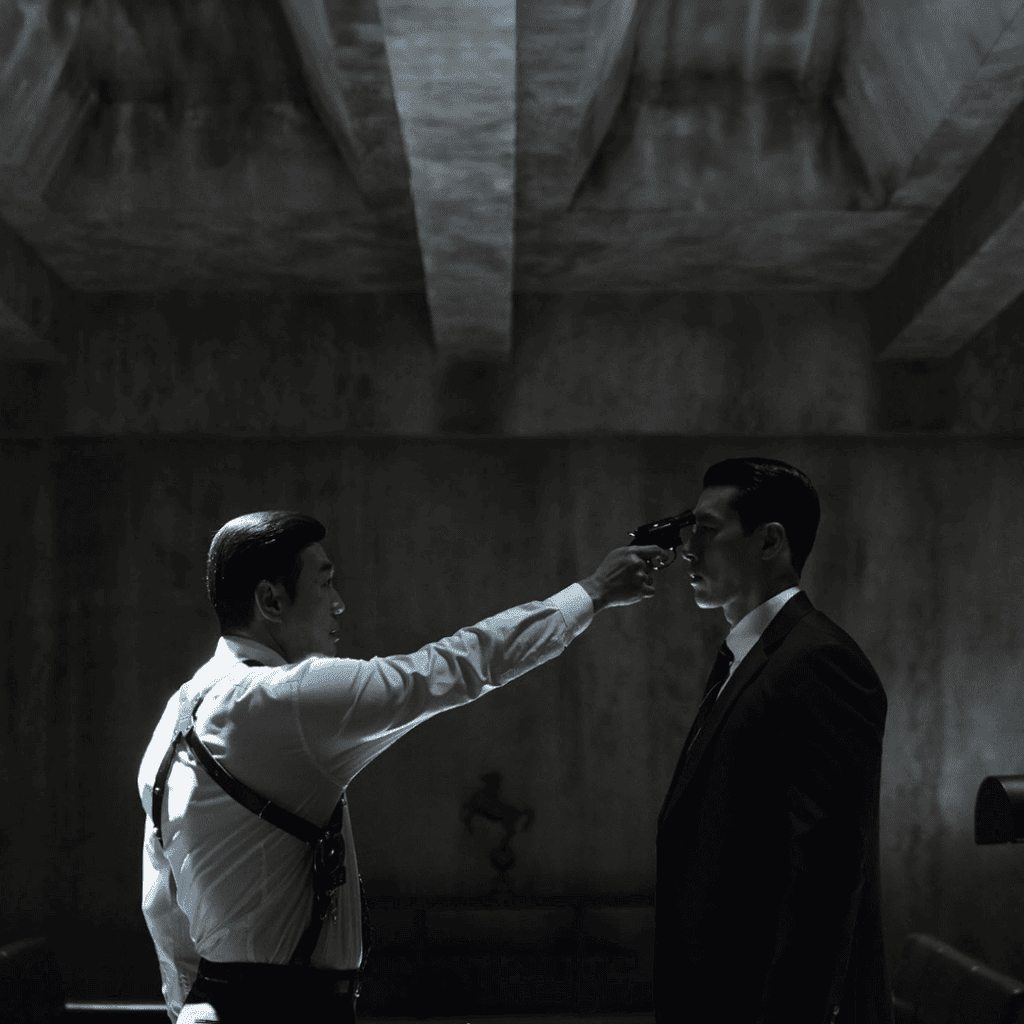
The 1970s setting gives Made in Korea a wonderfully grim atmosphere.
Money is moving everywhere. Political influence is being bought and traded. Criminal organizations are operating across borders. Intelligence agencies have their own agendas. Everyone seems to understand that power belongs to whoever is willing to take it.
And I have to admit, I love this kind of setting.
Give me suits, shady government officials, international criminal deals, and people whispering about who is really pulling the strings, and I’m probably going to keep watching.
The pacing is deliberate, but I didn’t find it tedious. The drama takes its time establishing the players and allowing the power structure to reveal itself.
More importantly, the historical backdrop keeps this from feeling like just another contemporary corruption thriller. The characters are operating within a period of enormous political and economic change, which makes their obsession with money, status, and national development feel particularly appropriate.

The Cat-and-Mouse Game Is the Real Engine
Geon-yeong thinks he’s investigating a criminal operation.
What he gradually discovers is something much bigger.
Ki-tae is operating within a network that reaches into the KCIA and political establishment, while Geon-yeong keeps pulling at threads without initially understanding how large the machinery behind them really is.
And I really enjoyed watching that realization happen.
The drama repeatedly gives Geon-yeong just enough information to keep moving forward while showing us how much he doesn’t know.
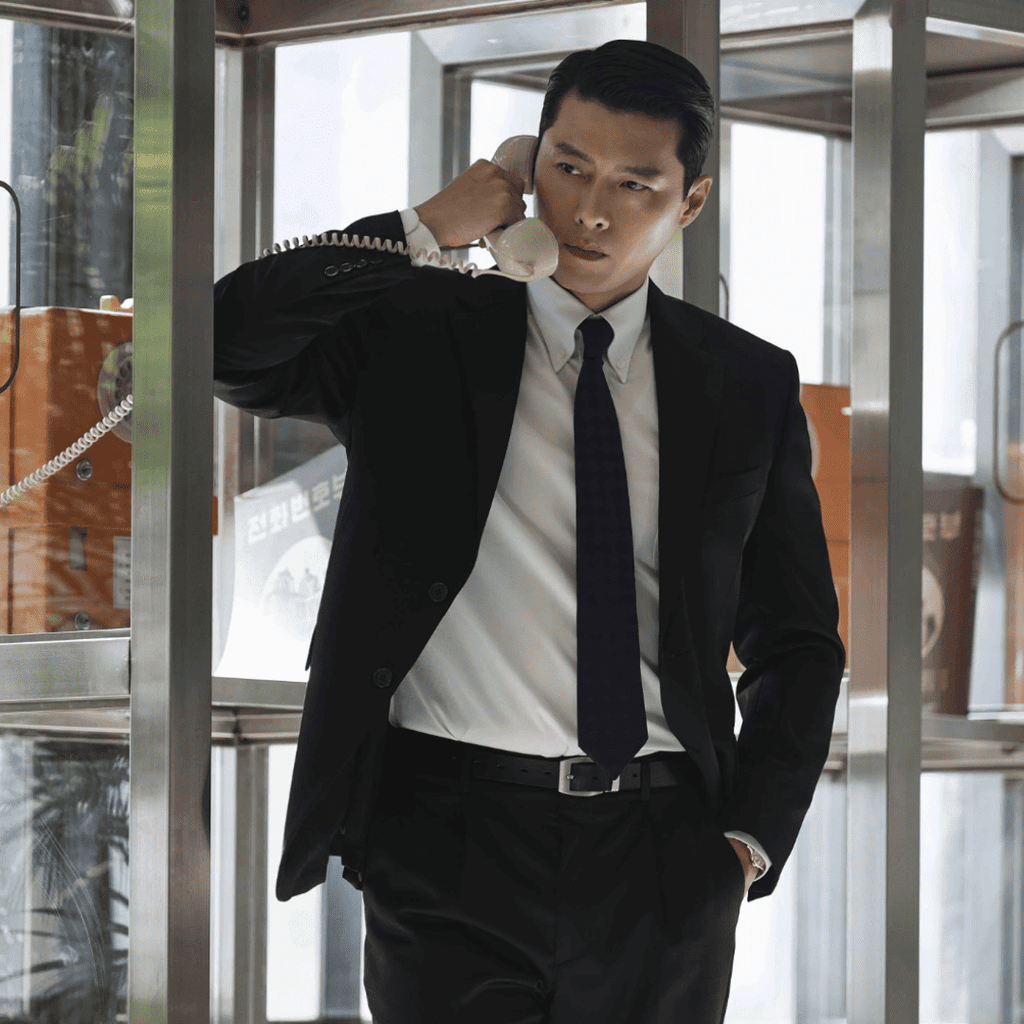
We know Ki-tae is playing a much larger game. Geon-yeong doesn’t.
That dramatic irony keeps the tension alive.
Every time Geon-yeong gets closer, Ki-tae adapts. Every time Ki-tae expands his operation, Geon-yeong finds another thread to pull.
Eventually, the investigation becomes less about catching one criminal and more about whether one prosecutor can take on an entire structure of power.

Where Made in Korea Falls Slightly Short
For all the things I enjoyed about Season 1, it isn’t perfect.
My biggest issue is that Geon-yeong can occasionally feel too idealistic.
I understand why he is the way he is. His personal history gives him a compelling reason to pursue justice, and his determination is necessary for the story to work.
But there are moments when I found myself thinking:
Mate, you really have no idea how big this machine is, do you?
He sometimes seems to underestimate just how deeply Ki-tae’s world extends into the political and intelligence apparatus.
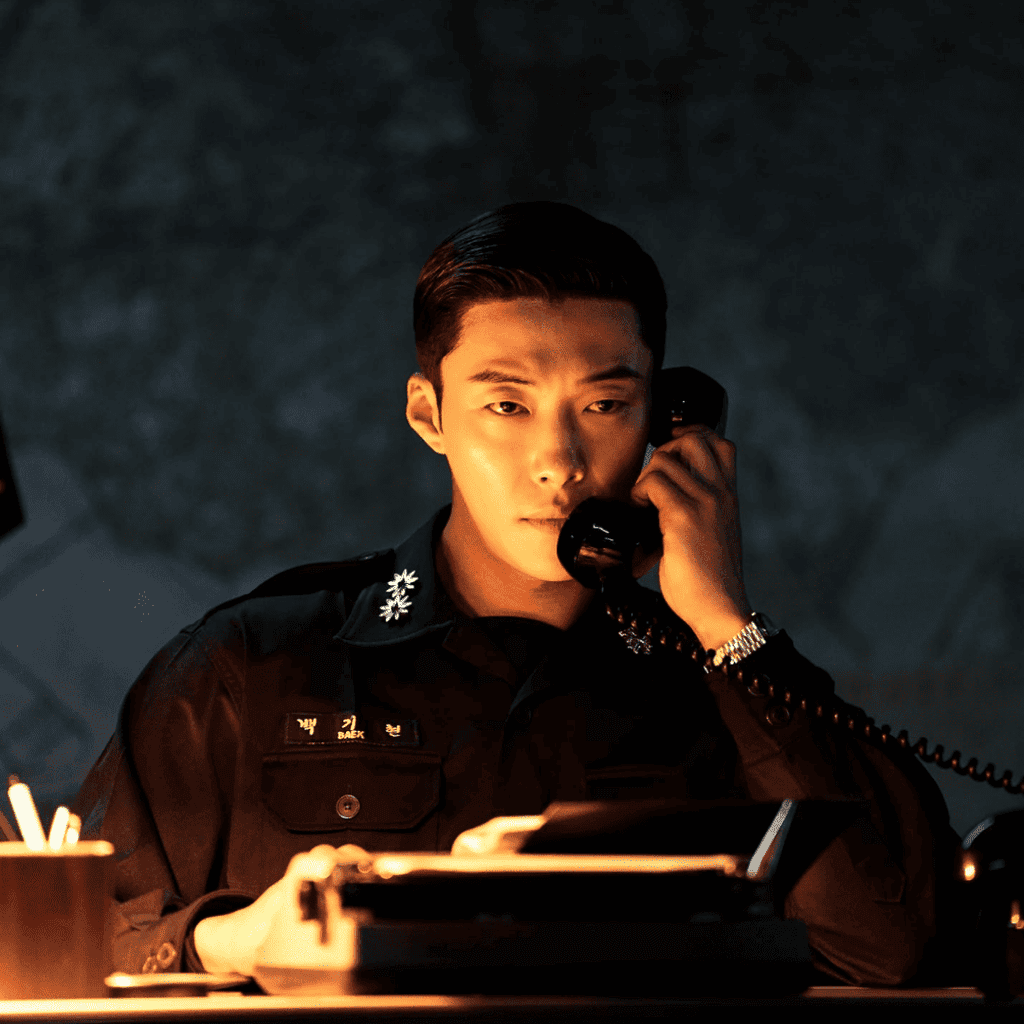
The other limitation is that Made in Korea doesn’t completely reinvent the political-crime thriller.
The idealistic prosecutor, ambitious criminal, corrupt officials, shadowy intelligence agency, and increasingly dangerous cat-and-mouse game are familiar ingredients.
What makes the drama work is the execution, the performances, the atmosphere, and the 1970s setting.
So if you’re looking for something radically unconventional, this probably isn’t it.
If you’re looking for a well-made Korean crime thriller with heavyweight actors and a juicy political conspiracy, however, there’s plenty to enjoy.
Is Made in Korea Season 1 Worth Watching?
Yes, if you enjoy Korean political thrillers, historical crime dramas, and morally complicated protagonists.
The biggest strength isn’t simply the drug-trade storyline. It’s the contradiction at the heart of it.
Ki-tae is doing terrible things while operating inside a system that tells him those actions serve a greater purpose. Geon-yeong believes he is pursuing justice, only to discover that the institutions supposedly protecting society can also become obstacles to it.
That’s what gives the drama some bite.
It isn’t asking us to choose between a perfect hero and an irredeemable villain. Instead, it puts two men with very different ideas of duty on opposite sides of a corrupt system.
Season 2 Is Underway
With Season 2 currently airing, Season 1 feels even more interesting in retrospect.
The second season jumps forward nine years, with Ki-tae having risen further within the KCIA and Geon-yeong returning to the story.
That makes Season 1 an important foundation for the continuing power struggle, but I’ll save my thoughts on Season 2 for another review.
Made in Korea Season 1 Review: Final Verdict
At a solid 7.8/10, Made in Korea Season 1 is a tense, stylish, and highly entertaining historical crime thriller.
Hyun Bin is excellent as Baek Ki-tae, giving us a protagonist who is charismatic enough to root for even when you’re fully aware that you probably shouldn’t. Jung Woo-sung provides the perfect counterweight as Jang Geon-yeong, whose pursuit of justice becomes increasingly dangerous as he realizes exactly how powerful his opponent is.
The drama doesn’t completely reinvent the political thriller, but it doesn’t need to.
Its greatest strength is the collision between ambition, justice, and twisted patriotism.
What I found myself thinking about, though, was how easy it is to justify your own compromises when you believe you’re doing them for the right reasons.
Ki-tae doesn’t wake up one morning and decide to become the kind of person who will sacrifice everything for power. He has his family, his ambitions, his history, and his reasons. You can understand almost every step he takes, even when you don’t agree with where those steps lead him.
And I think that’s what makes his character hit a little closer to home.
Obviously, most of us aren’t going to end up running an international drug operation for the KCIA. But the smaller version of that problem is pretty universal. How often do we tell ourselves that something is temporary? That we’ll compromise just this once? That we’re doing it because we have no other choice?
Sometimes the danger isn’t making one terrible decision.
It’s getting so good at explaining your decisions to yourself that you stop questioning them.
That’s probably the life lesson I took from Made in Korea. You can have perfectly understandable reasons for wanting something and still lose yourself in the process of getting it.
And maybe that’s why I found myself rooting for Ki-tae despite everything. Not because I thought he was right, but because I could see the human being underneath the ambition.
That makes his story a lot more uncomfortable than a simple good-versus-evil battle.
At what point does protecting the life you want become destroying the person you are?
That’s the question that stayed with me after Season 1.
Made in Korea: Frequently Asked Questions
What is Made in Korea about?
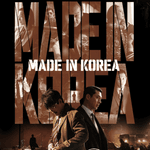
Made in Korea is a Korean crime thriller set in 1970s South Korea. It follows Baek Ki-tae, a businessman and KCIA operative pursuing wealth and power, and prosecutor Jang Geon-yeong, who becomes determined to expose the criminal network surrounding him.
Is Made in Korea based on a true story?
The drama uses the political and social atmosphere of 1970s Korea as its backdrop, but its central characters and main story are fictional. It is best understood as historical crime fiction rather than a direct dramatization of real people.
Who stars in Made in Korea?

Made in Korea stars Hyun Bin as Baek Ki-tae and Jung Woo-sung as Jang Geon-yeong.
Should I watch Season 1 before Season 2?
Yes. Season 2 builds on the characters, history, and power struggle established in Season 1, so watching the first season provides important context.
Is Made in Korea worth watching?

If you enjoy Korean political thrillers, historical crime dramas, morally complicated protagonists, and cat-and-mouse stories involving government corruption and organized crime, Made in Korea is worth considering.
Continuing the Investigation
If you enjoyed exploring high-stakes ambition, systemic desperation, and moral ambiguity, check out these other reviews on the blog:
- The Scarecrow 2026 Review: Why Kang Tae-joo is the Ultimate Detective: Follow another dark investigation where uncovering the truth means confronting just how deep the corruption and danger really go.
- Netflix’s Mousetrap K-Drama Review: Modern Folktale Dread at Its Finest: Step into a darker kind of trap, where ordinary people find themselves caught in forces they don’t fully understand or control.
- Teach You a Lesson Review: Explore another story about powerful systems, institutional pressure, and what happens when individuals are forced to navigate structures that seem impossible to escape.
Over to You!
Did you watch Made in Korea Season 1 before jumping into Season 2?
And more importantly, whose side were you on in the battle between Baek Ki-tae and Jang Geon-yeong?
Drop your thoughts and your personal rating in the comments below!
Disclaimer: This blog is for informational and entertainment purposes only. All copyrights and trademarks for the TV shows, films, and other media referenced are the property of their respective owners. This blog aims to provide original commentary and insights and claims no ownership over third-party content.