The Price of Confession Review: Truth, Guilt, and Psychological Games
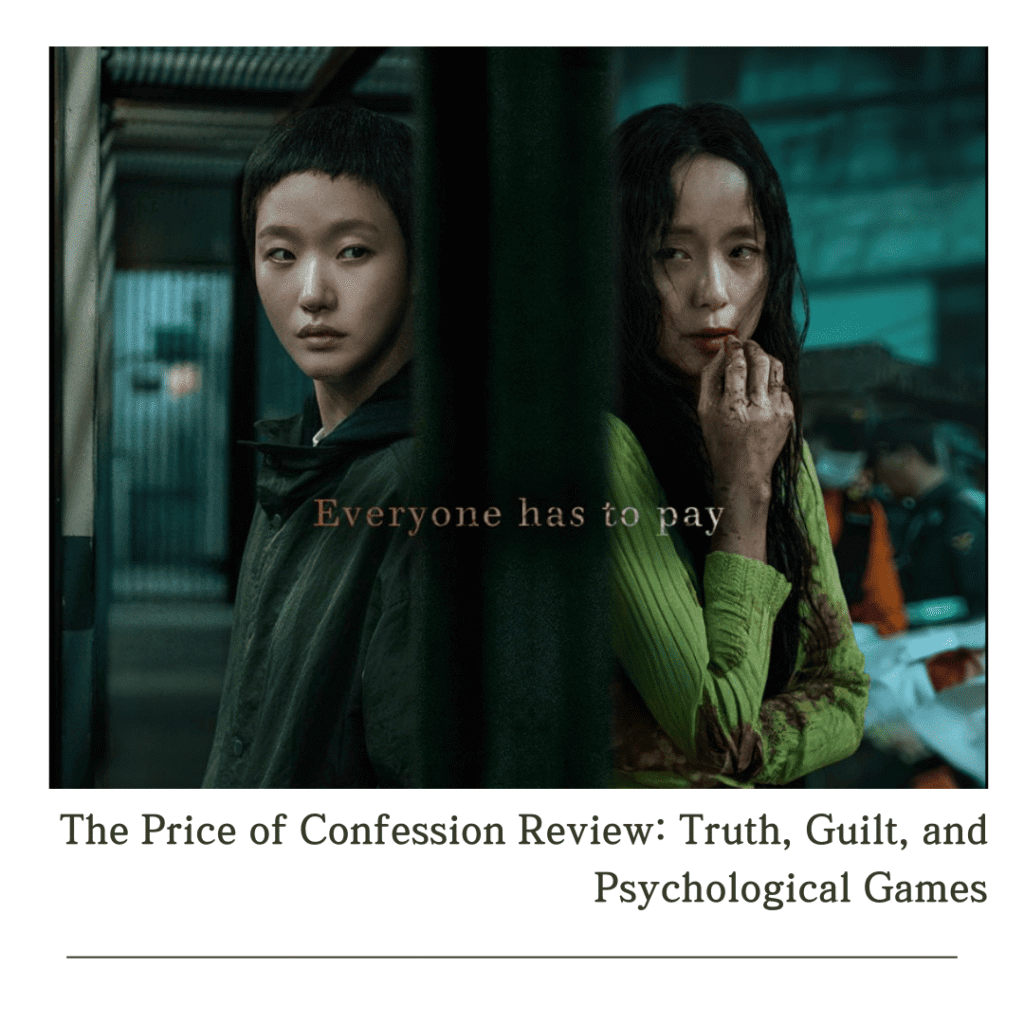
What would you do to get out of prison if freedom meant paying the price for a confession that was not yours?
The Price of Confession Review Quick Take: The Price of Confession opens as a murder mystery but quickly reveals itself as a study in coercion. By episode three, it becomes clear this is not about innocence at all. What lingers is not who committed the crime, but whether justice can exist once confession becomes a currency.
Rooting for Yun-su While Questioning Everything
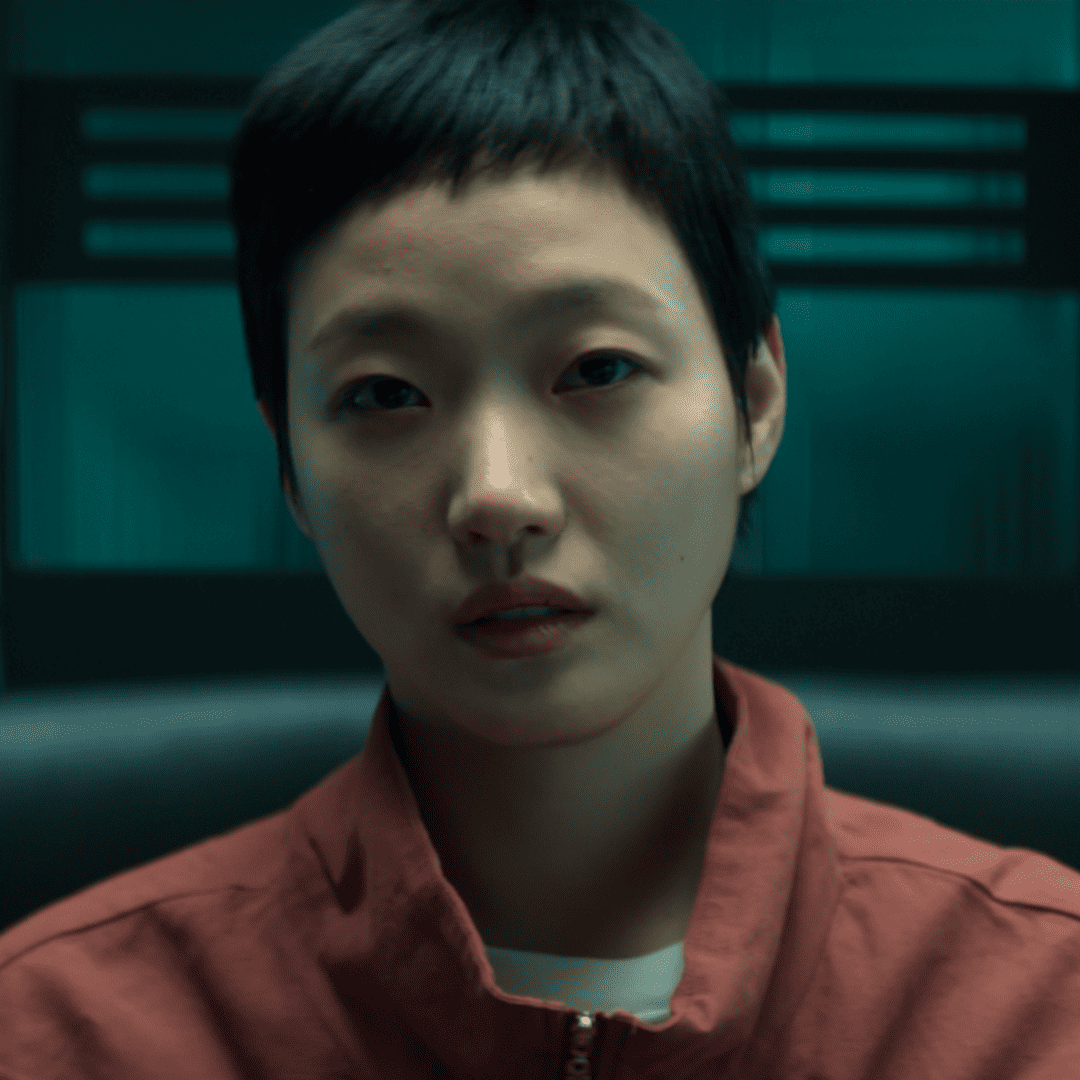
Three episodes in, The Price of Confession puts us in an uncomfortable position. I find myself both rooting for and doubting An Yun-su at the same time. And that tension feels intentional.
There is no correct way to grieve. Smiling, joking, emotional detachment. These can all be coping mechanisms. As a true crime viewer and a law graduate, what struck me most was not Yun-su’s behavior, but how quickly her behavior was interpreted as guilt. Her decision to speak to police without a lawyer felt painfully naive, but also painfully human. Innocent people often believe innocence will protect them. It rarely does.
I am genuinely unsure whether Yun-su saw someone leaving her husband’s studio or whether she killed him herself. The show does not rush to clarify this, and I appreciate that restraint. At this stage, my investment is simple. I want the truth, whatever it is.
When Conflicting Truths Become the Point
The series repeatedly presents multiple versions of the crime. Reenactments, imagined scenarios, media distortions. Rather than feeling manipulative, this ambiguity currently works in the show’s favor.
Three episodes in, the cat and mouse game with the audience feels purposeful rather than exhausting. The uncertainty mirrors the legal process itself, where truth is often reconstructed rather than discovered. For now, I remain fully captivated. The key will be knowing when to stop withholding answers.

Dong-hun and the Performance of Justice
Prosecutor Dong-hun believes he is searching for the truth. That much is clear. But he also feels instinct driven and a touch opportunistic. His certainty about Yun-su’s guilt is unsettling, especially when the evidence presented so far feels largely circumstantial.
One uncomfortable question lingers. Does murder always require motive, or can opportunity itself be enough? Dong-hun seems convinced he knows the answer.
That said, the repeated crime reenactments were a weak point for me. They feel performative and deeply prejudicial. Turning serious crimes into theatrical demonstrations undermines the gravity of the investigation and risks trivializing violence rather than interrogating it.
The Witch Enters the Story and Changes the Rules
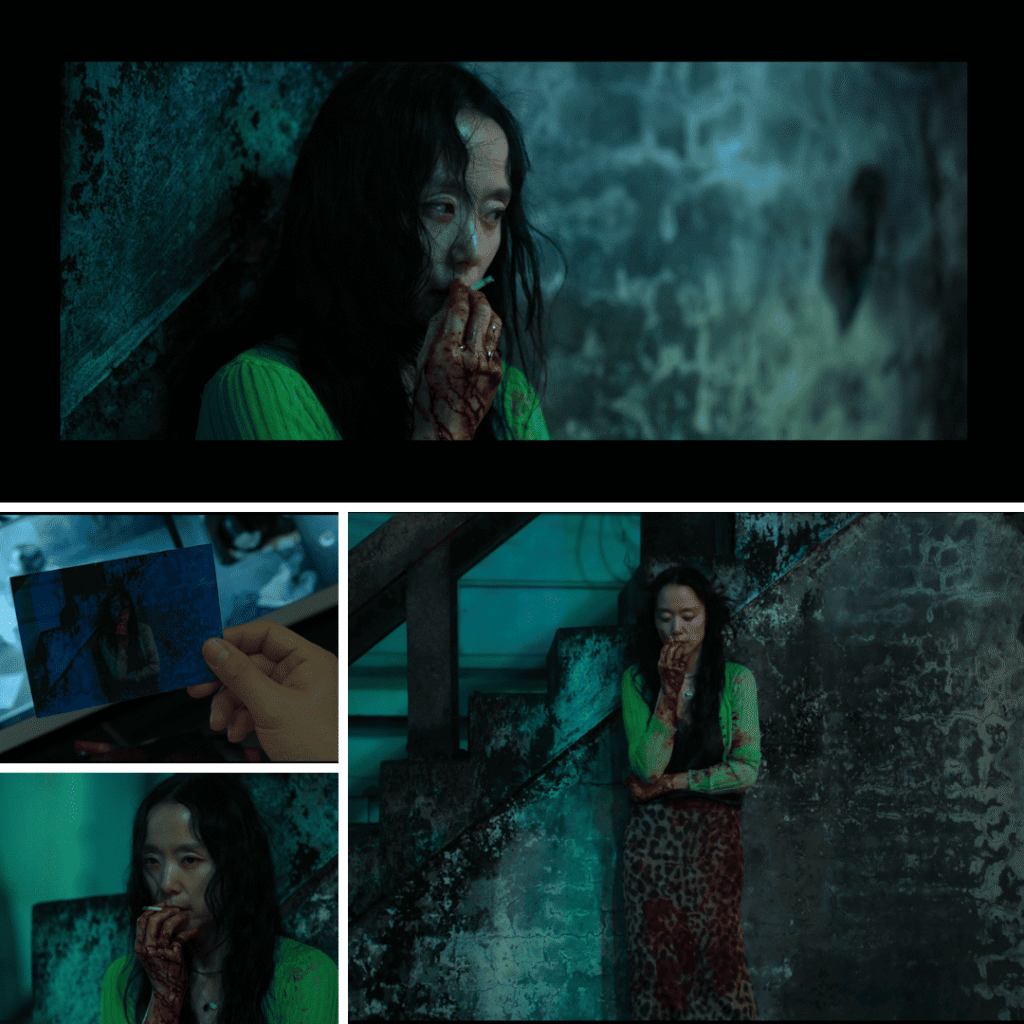
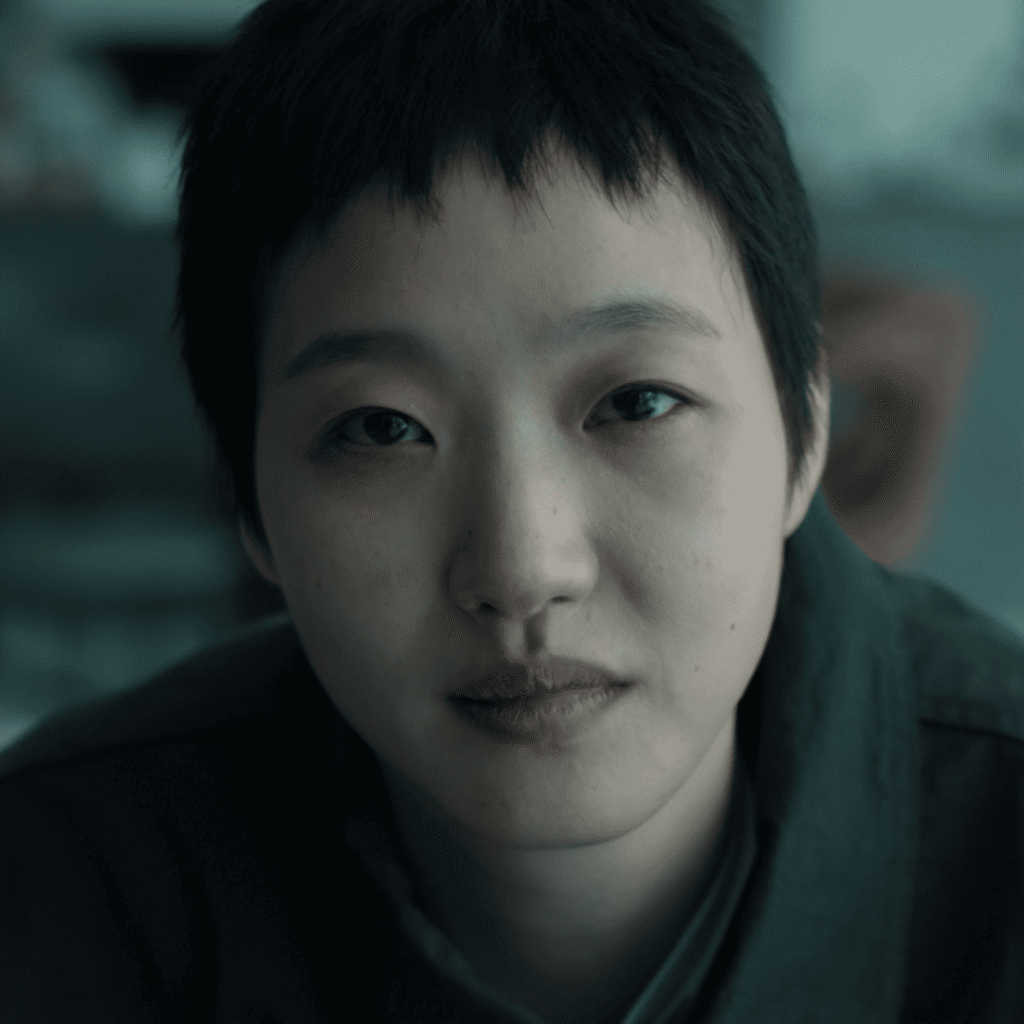
Mo Eun’s introduction in episode 2 is genuinely unsettling. She does not feel over theatrical or gimmicky. She feels controlled, strange, and quietly dangerous.
Importantly, she does not crown herself a witch. That label is imposed by others, which makes it more revealing. I am deeply curious about her scars, her past, and whether she truly killed Yun-su’s husband.
By the end of episode 3, the deal she proposes raises disturbing questions. Is she manipulating Yun-su’s desperation to force her into committing a real crime? Is she protecting herself? Or is she aiding another killer in escaping justice? Every possibility feels plausible, and that ambiguity is one of the show’s strongest assets so far.

Prison as Identity Erasure, Not Punishment
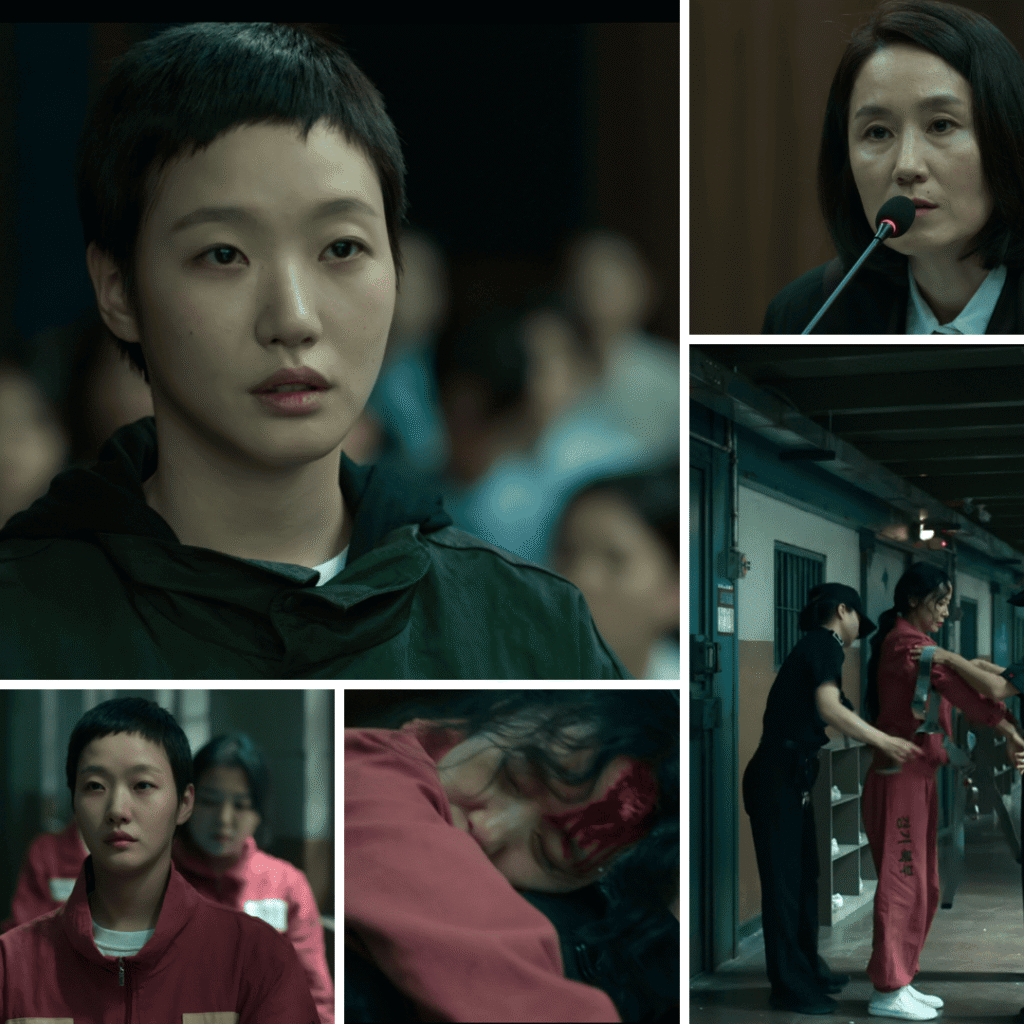
The prison sequences are restrained but effective. Yun-su does not spend long behind bars, but the psychological shift is clear. Her struggle to respond to a number instead of her name felt painfully authentic.
One of the most chilling moments comes when Yun-su sees Mo Eun in the exercise yard during the rain and momentarily believes she is seeing the hooded figure from the night of the murder. It is a quiet scene that captures paranoia, trauma, and fear without spectacle.

The Price of Confession Review: A Predictable Deal That Still Works
The reveal that Yun-su must kill someone else is not subtle. The audience can sense it coming well before it arrives. But that predictability feels deliberate rather than lazy.
The show allows us to recognize the moral trap before Yun-su fully understands it herself. The tension comes not from surprise, but from watching a character walk toward a choice we already know will cost her something irreversible.
Women, Violence, and Who the System Believes
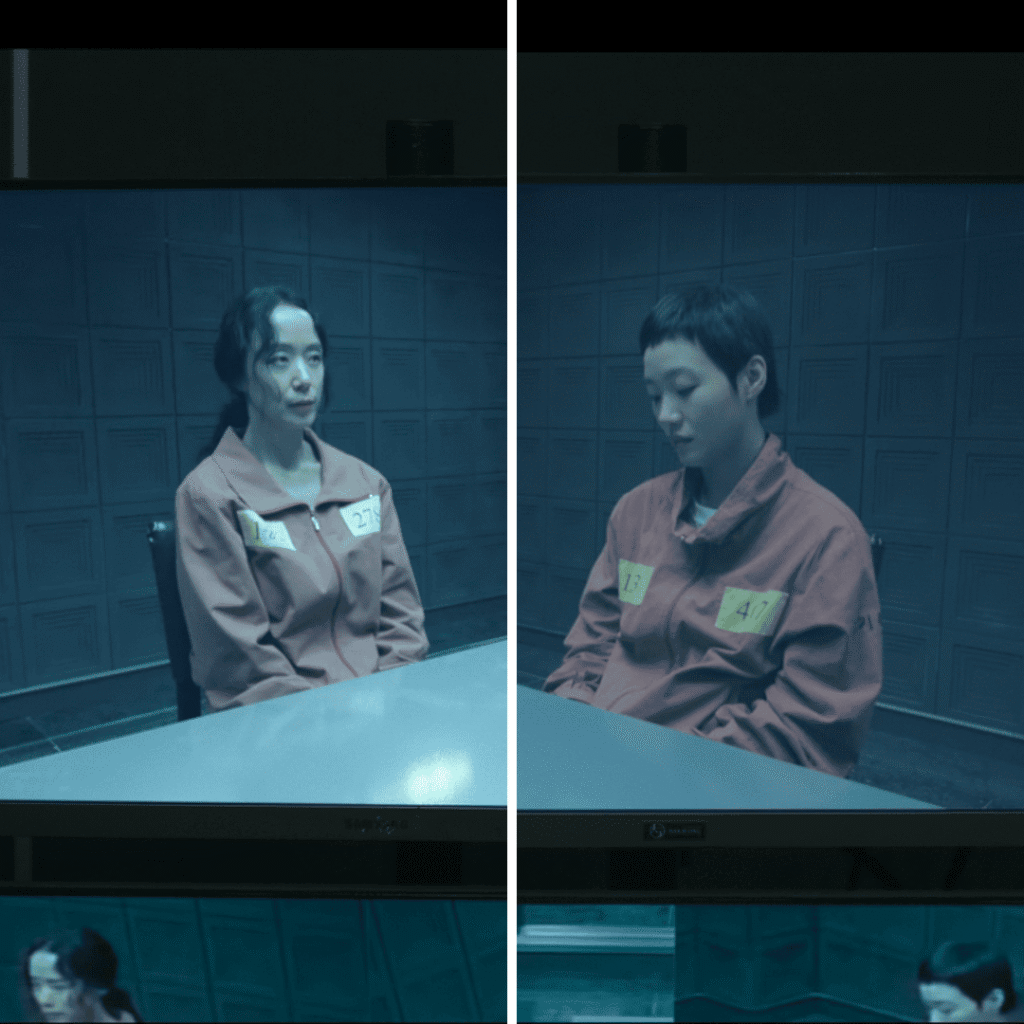
One of the more interesting elements is how differently the system treats Yun-su versus Mo Eun. An alleged innocent woman is scrutinized, doubted, and dissected, while a self described killer is approached with fascination and caution.
The contrast in interrogation styles says more about institutional bias than about either woman’s guilt. So far, the show feels like it is interrogating this imbalance rather than exploiting it, though that balance will need careful handling going forward.
First Impressions Verdict After Three Episodes
After three episodes, The Price of Confession feels like a slow burn psychological murder mystery with the potential to become quietly brilliant.
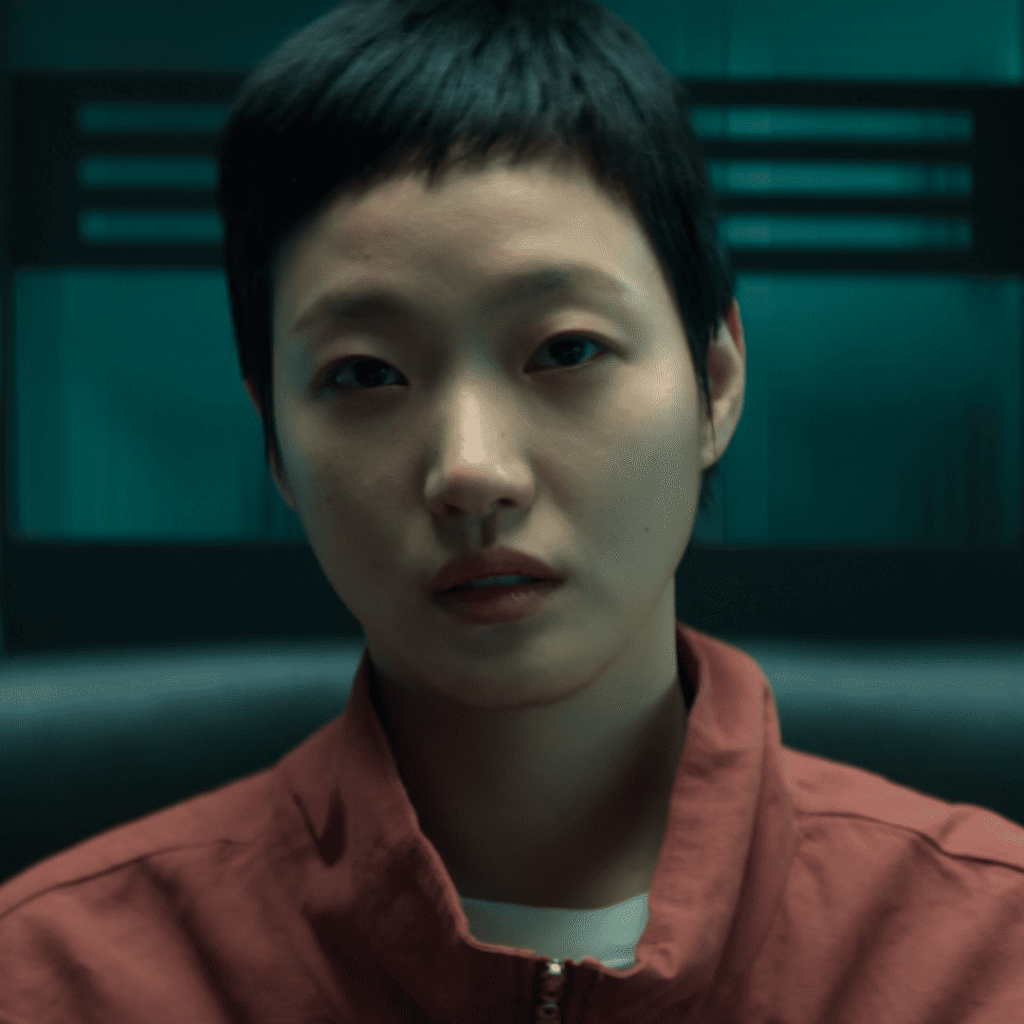
Yun-su and Mo Eun are compelling characters with histories still concealed. The central murder mystery remains unresolved, and that uncertainty works in the show’s favor. My biggest hope is that the series trusts its characters rather than overcomplicating the plot. My biggest fear is that it mistakes complexity for depth.
For now, I am watching closely, critically, and very much intrigued.
If The Price of Confession has you questioning every version of the truth you are shown, you may want to explore my other crime and psychological drama essays, including As You Stood By, Trigger, Black Rabbit and Mobius. Each examines how systems fail people, how narratives are manipulated, and how easily guilt can be constructed.
And if you already have a theory about Yun-su, Mo Eun, or what really happened in that studio, share it. This is one of those stories where your interpretation says as much as the show itself.
Disclaimer: This blog is for informational and entertainment purposes only. All copyrights and trademarks for the TV shows, films, and other media referenced are the property of their respective owners. This blog aims to provide original commentary and insights and claims no ownership over third-party content.


6 Comments