Good Boy K-Drama Review: Park Bo-gum, Corruption, and the Fight for Justice
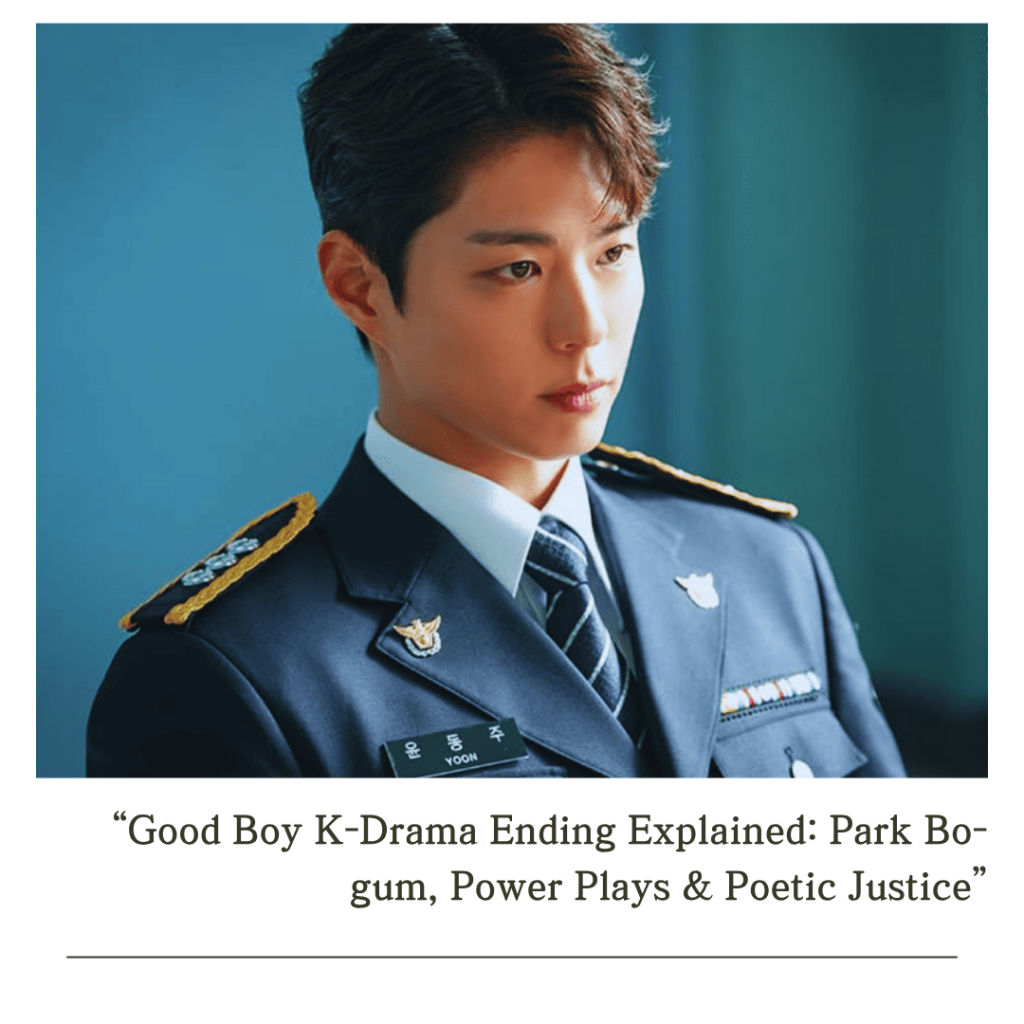
Good Boy K-Drama Review: Not Just a Knockout – A Full-Blown War
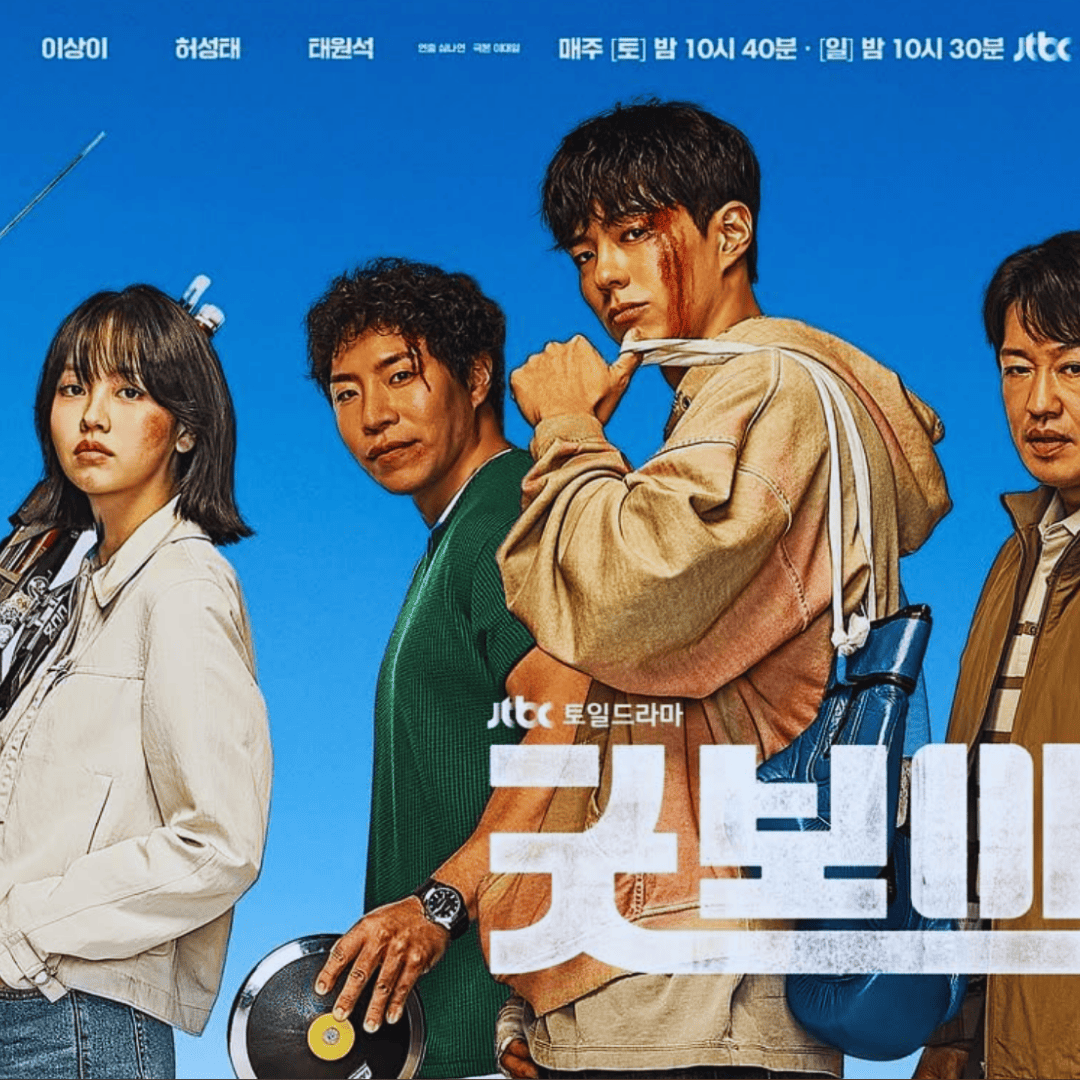
After all 16 episodes, Good Boy proved it wasn’t just here to play. It started with a quirky tone, pigeons, sandwiches, and Park Bo-gum being charmingly weird—but what followed was a layered, gripping story about power, public perception, and what it means to stay good when the system is rotting from the inside out.
From my first impressions, I expected something fun, flashy, and perhaps forgettable. Instead, what I got was a show that sharpened its punches as it went and landed a knockout with its final act.
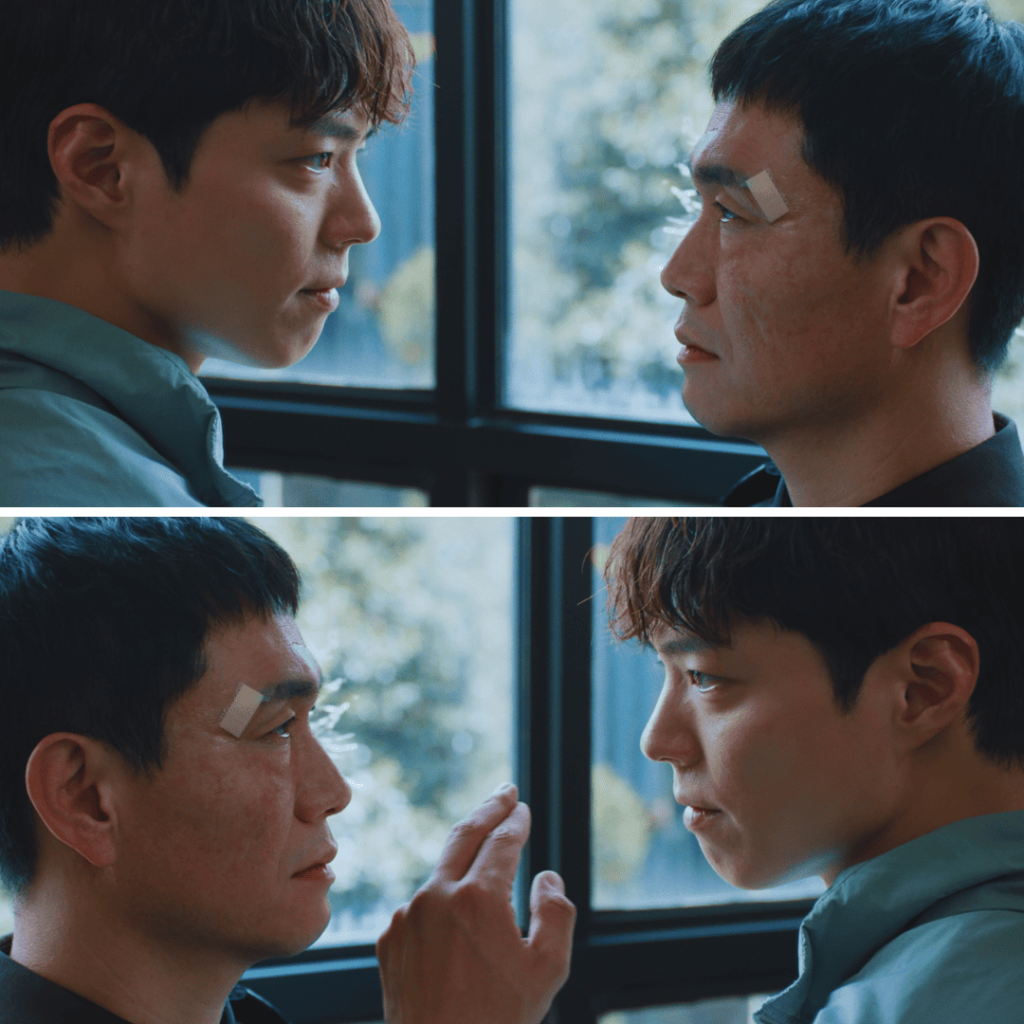
The Hero vs. The Mastermind: A Tale of Two Titans
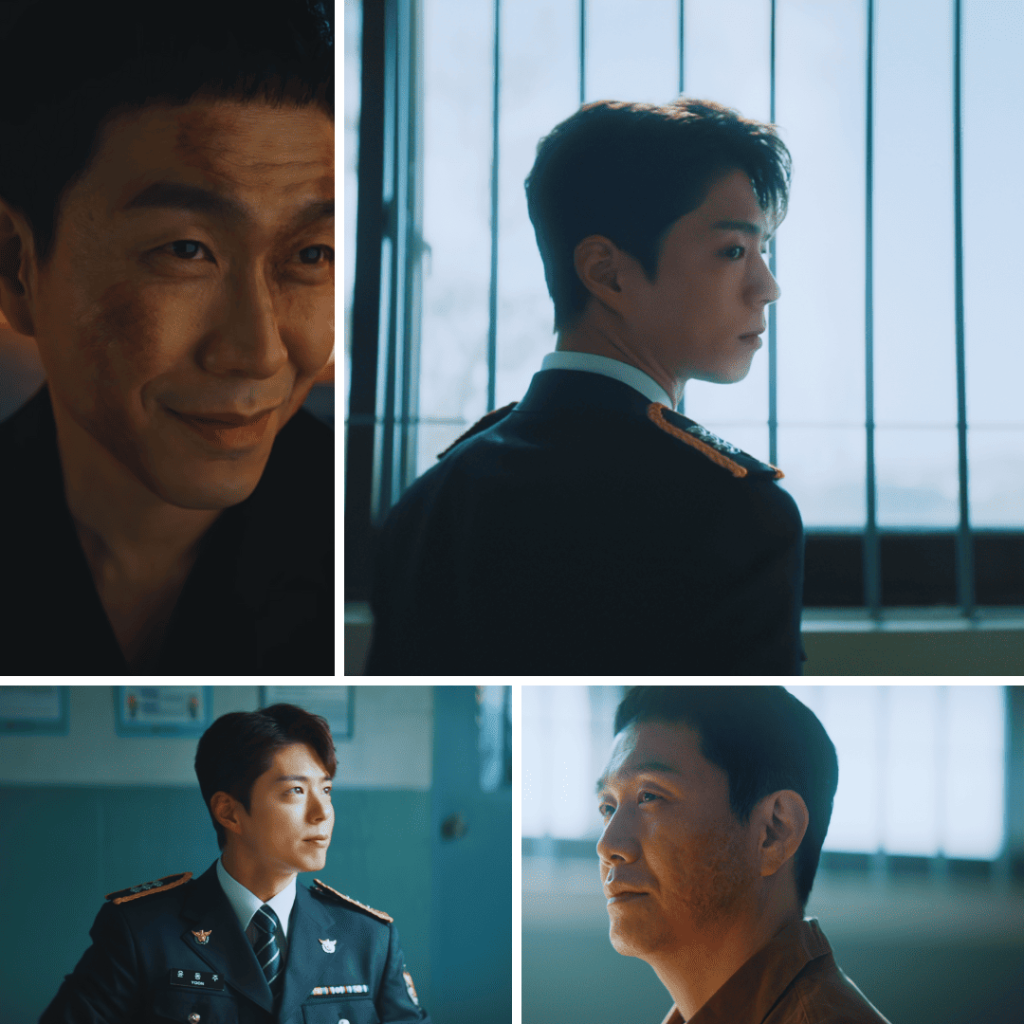
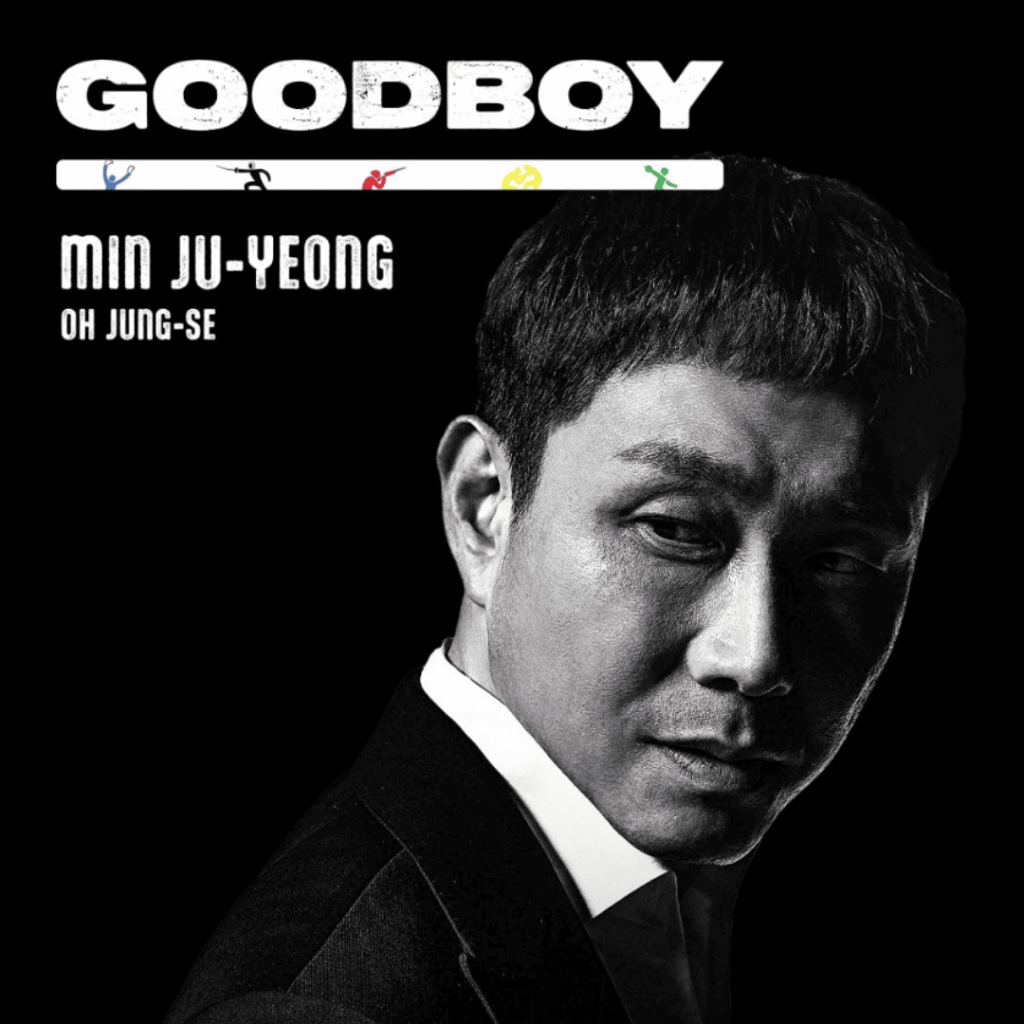
At the center of Good Boy are two magnetic forces: Yoon Dong-ju, the fallen boxing champion turned justice-seeker, and Min Ju-yeong, the smiling face of corruption. While I started the series full of admiration for Dong-ju’s righteousness, by the end, I found myself equally, if not more drawn to Ju-yeong’s terrifying calm.
Dong-ju’s arc stayed consistent but never stale. He evolved from impulsive to strategic, driven more by principle than pride.
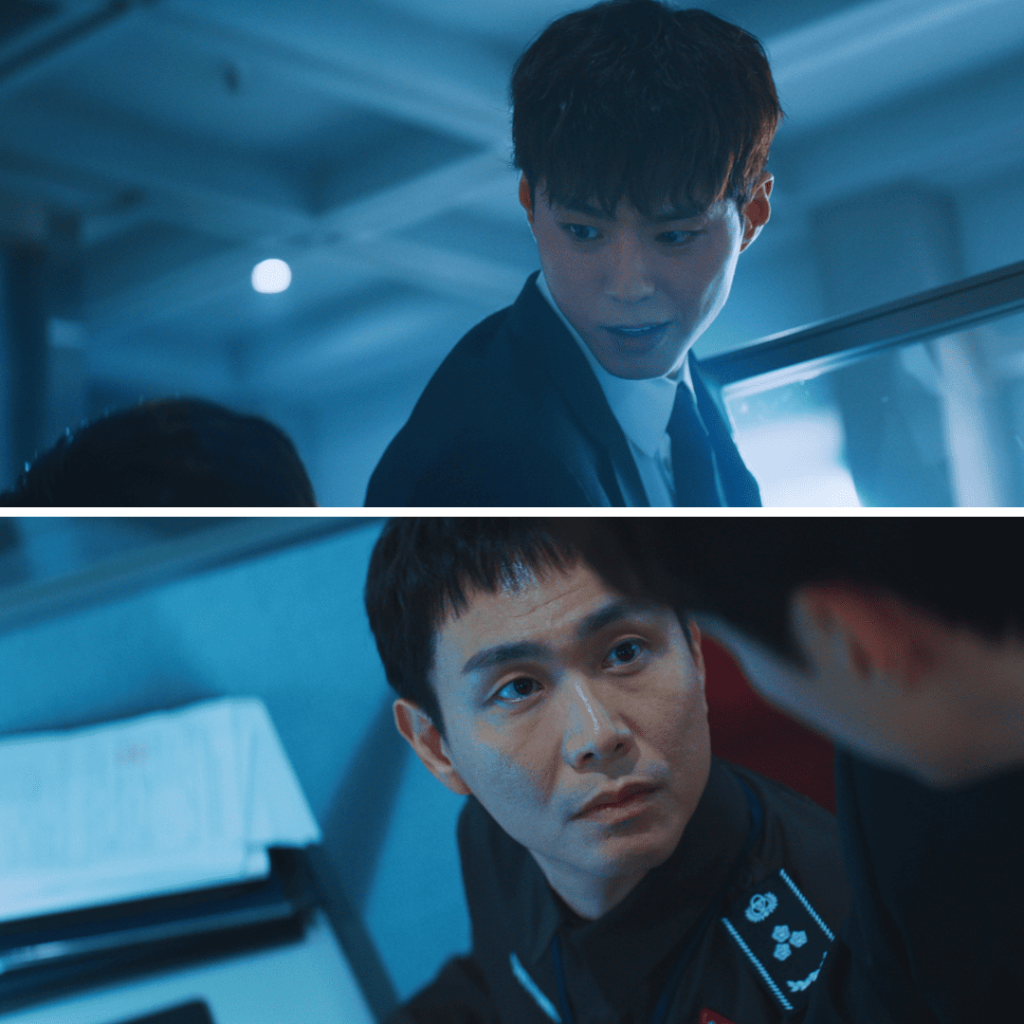
Even when temporarily blinded, blacklisted from the force, or beaten half to death, he never stopped chasing Ju-yeong down. His persistence wasn’t just noble, it was gritty.
But it’s Oh Jung-se’s portrayal of Min Ju-yeong that might be the performance of the year. Calm, calculated, terrifying in his restraint, Ju-yeong didn’t just manipulate people; he reprogrammed the entire system.
Every word he said was measured, every move tactical. His belief that he was untouchable made his downfall both satisfying and poetic.
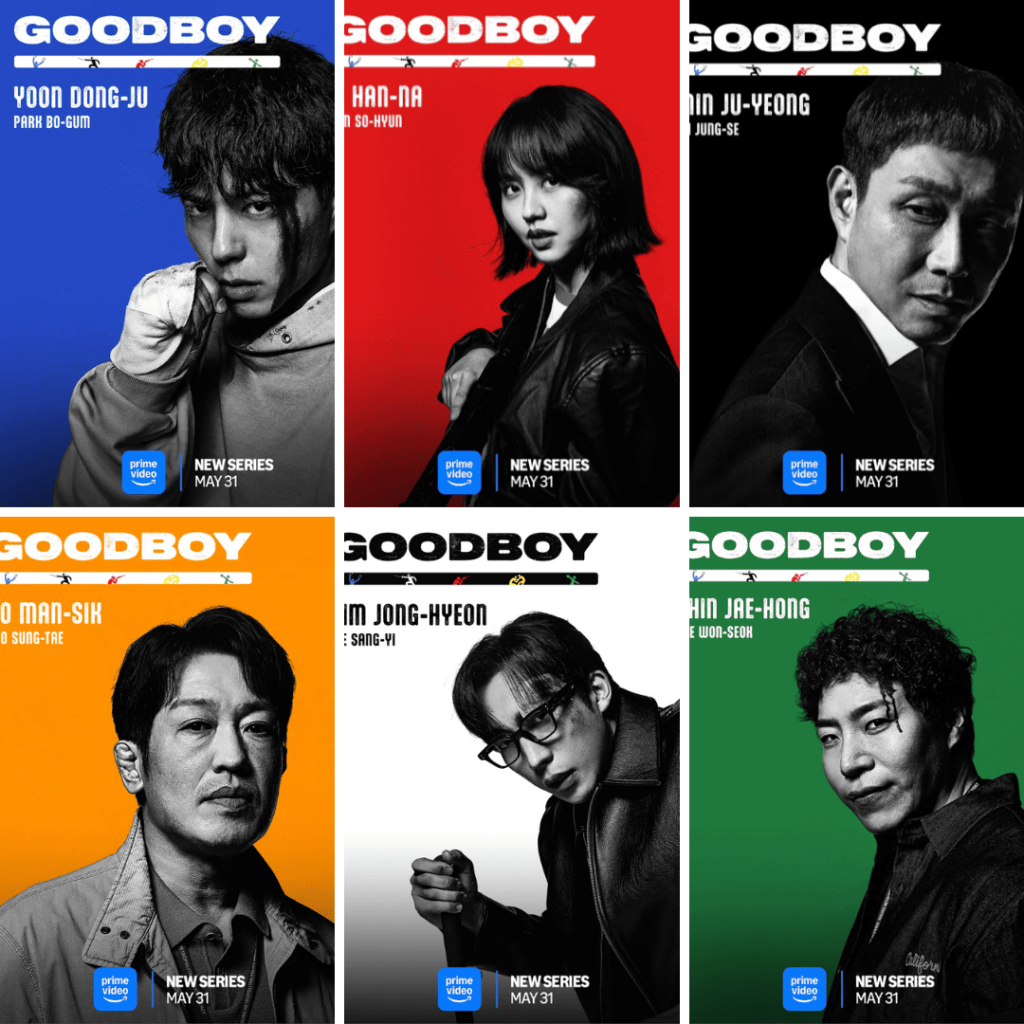
SCIT Squad Goals, Dark Comedy, and Just Enough Chaos
The show’s tone never veered off-course, even while juggling slapstick and sinister undertones. What started with pigeon poop evolved into political puppetry, narcotics trafficking, and assassination attempts yet it all worked.
The SCIT team dynamic grounded the show in something endearing. Ji Han-na’s sniper precision wasn’t just literal, it reflected her moral clarity. Her personal arc, especially in discovering the truth about her father’s death and wrestling with vengeance, gave the show its emotional heartbeat.
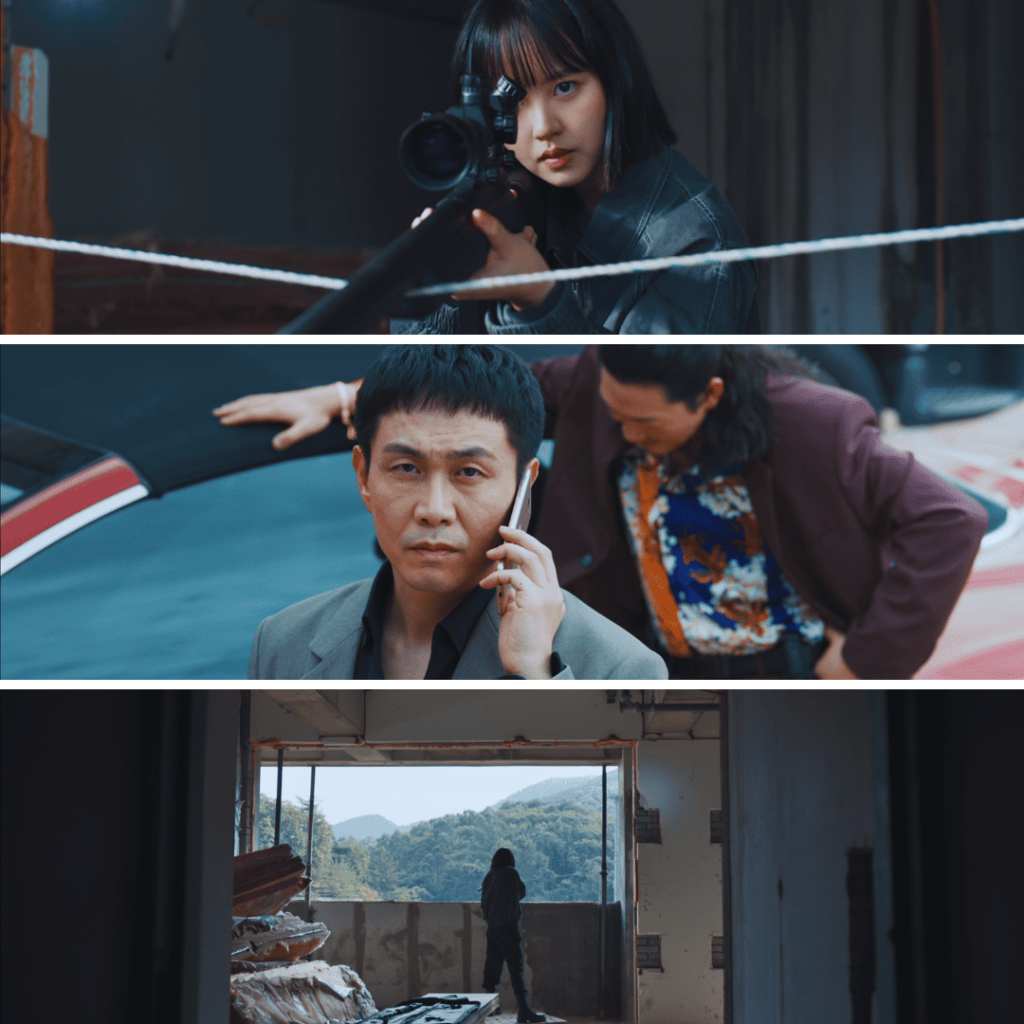
That moment when she nearly shot Min Ju-yeong? Tense. That moment she did shoot the Chief of Police in the butt with a rubber bullet? Cathartic.
Each team member brought something to the table not just comic relief but real stakes. While Man-sik may have delivered some of the more outrageous moments (like being wheeled through traffic on a stolen trolley), his loyalty and vulnerability weren’t just a punchline.
Still, the show occasionally leaned too hard on Dong-ju’s fists as a narrative device. Yes, we love an underdog brawler, but by episode 14 I wondered if his body was being held together by sheer moral outrage.
The Rot Runs Deep: Power, Secrets, and the Real Villain
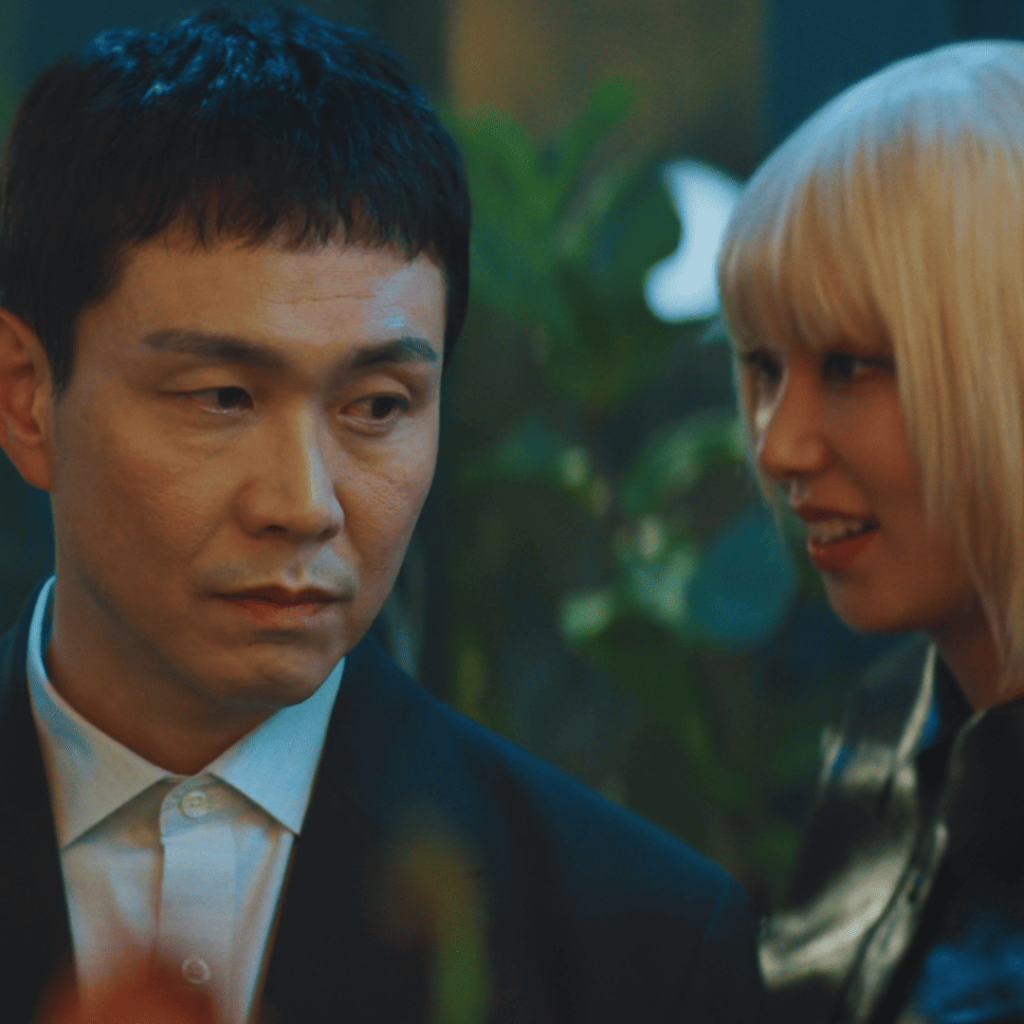
What Good Boy reveals piece by piece is a city, Insung eaten alive from the inside. The plot surrounding Min Ju-yeong’s rise is one of the most quietly horrifying parts of the drama. What began as a customs officer abusing his position to import illegal goods escalated into a decades-long accumulation of power, secrets, and blackmail.
Ju-yeong’s true strength wasn’t brute force, it was data. By digitizing customs records, he unearthed everyone’s weaknesses: prosecutors, cops, politicians.
It wasn’t just a crime syndicate, it was a parallel government. Watching the SCIT team peel back those layers felt less like a mystery and more like a war of attrition.
And let’s not forget: he didn’t go down screaming. He went down in silence, executed by the very forces he once controlled, right before he could drag them all into court with him. A perfect, brutal end.

What It Means to Be Good (When the System Isn’t)
“Nobody is born good. I’m just making an effort to be good so I don’t regret it later.” – Yoon Dong-ju
This line from Dong-ju captures the show’s moral center. Good Boy isn’t about superheroes. It’s about flawed people clinging to their ideals while everything around them decays.
Dong-ju and Han-na both choose goodness, not because it’s easy but because someone has to. Ju-yeong chooses power, and in the end, dies alone. The contrast is clear: power without conscience will eat itself alive.
Justice was served but it was a justice earned, not gifted. That made it land even harder.
Final Verdict: Good Boy Packs More Than a Punch
In the end, Good Boy surprised me. I thought I was signing up for action comedy with heart. I got that, sure but I also got one of the most compelling portrayals of corruption and moral conviction I’ve seen in a K-drama this year.
In One Sentence?
An adrenaline-fueled, morally layered ride that asks: what’s the cost of being good in a world built on compromise?
Would I rewatch it? No—it’s not timeless. But it is timely, gripping, and worth recommending.
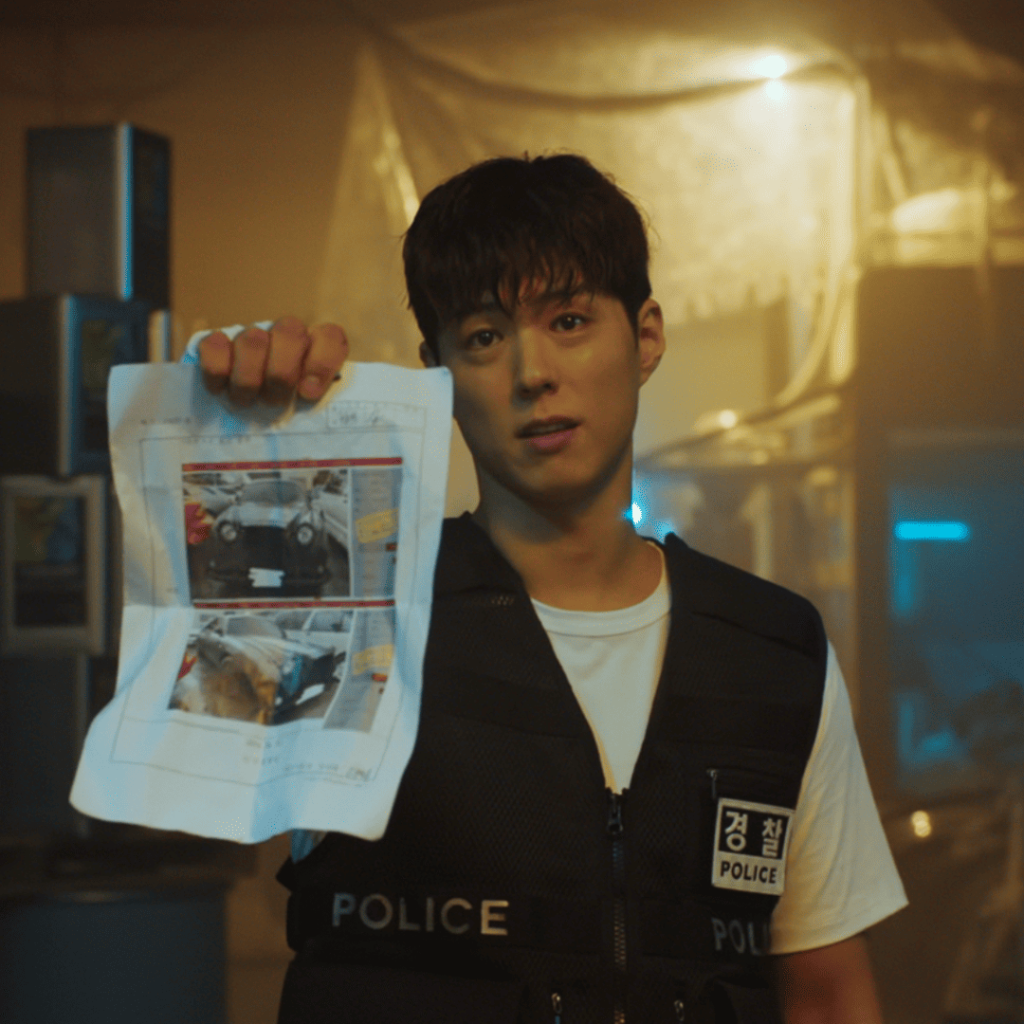
Good Boy K-drama Review: Who Should Watch It?
✔️ Fans of character-driven action thrillers
✔️ Viewers who like justice vs. corruption themes
✔️ Anyone craving a Park Bo-gum comeback with grit
Skip it if: you dislike tonal shifts or comedy-drama blends.
Already a Fan? Here’s What’s Next:
Looking for more? Don’t miss my post on What to Watch If You Liked Good Boy, where I recommend titles with similar vibes—from underdog justice to cerebral thrillers.
Disclaimer: This blog is for informational and entertainment purposes only. All copyrights and trademarks for the TV shows, films, and other media referenced are the property of their respective owners. This blog aims to provide original commentary and insights and claims no ownership over third-party content.