Squid Game 3 Ending Explained: What It Teaches About Power and the Cost of Winning
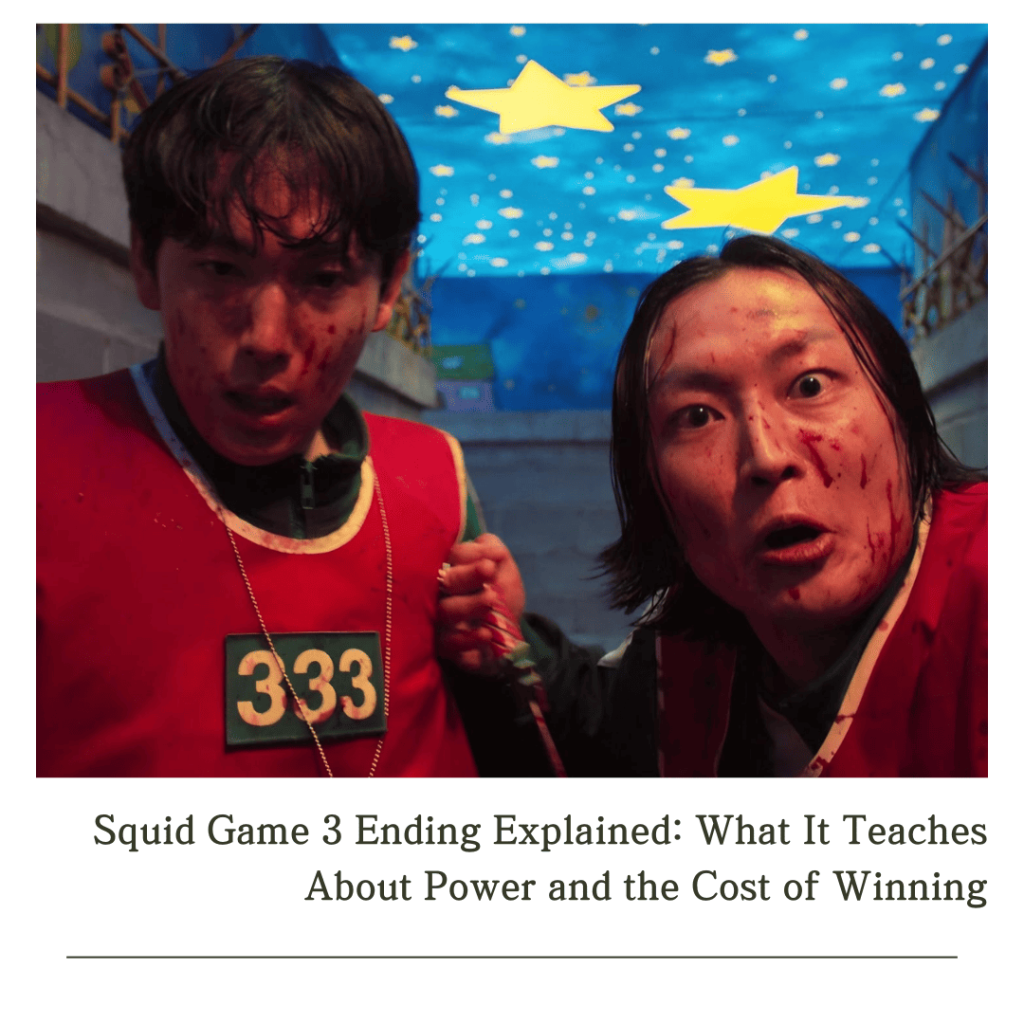
“We are not horses. We are humans…”
These words, Gi-hun’s final defiance before he sacrifices himself, echo louder than any gunshot in Squid Game 3.
When I finished Squid Game 3, it hit me harder than I expected. Season 1’s ending was haunting enough but this final chapter proves the same lesson twice over: no matter who wins, the game itself always wins more.
So why did I watch it? Why did it matter that Gi-hun died on his own terms? Maybe because it reminded me that sometimes, refusing to win is the only way to stay human at all.

No Real Winners: Only Survivors
When Squid Game first aired, Gi-hun’s broken victory made the world flinch. It asked: What’s left when you win by stepping over corpses?
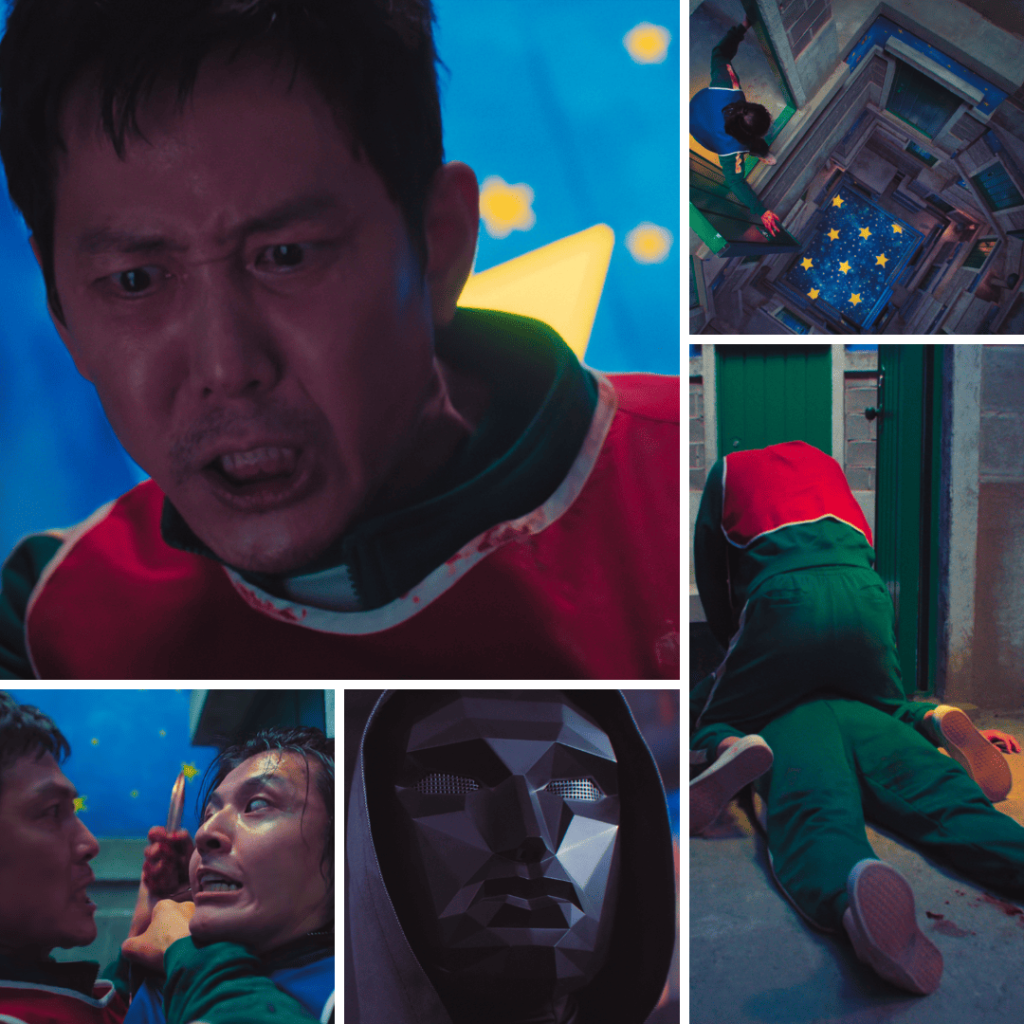
Season 3 doubles down. Jang Geum-ja’s tragic moment, killing her own son, then ending her life out of guilt, shows that the cost of “winning” was never money. It’s your soul.
In that final nightmare, lovers turned on each other. And in the last game, fathers debated killing a newborn. Humanity definitely cracked under the weight of survival.
And Gi-hun? He was already a ghost of himself but when he kills Dae-ho, he crosses a line that Season 1’s Gi-hun never would have touched. And yet, even then, he draws a new line: he will not kill an innocent. Not even to save himself.
That choice, not his death, is his real rebellion.
The Baby: Hope or Pawn?
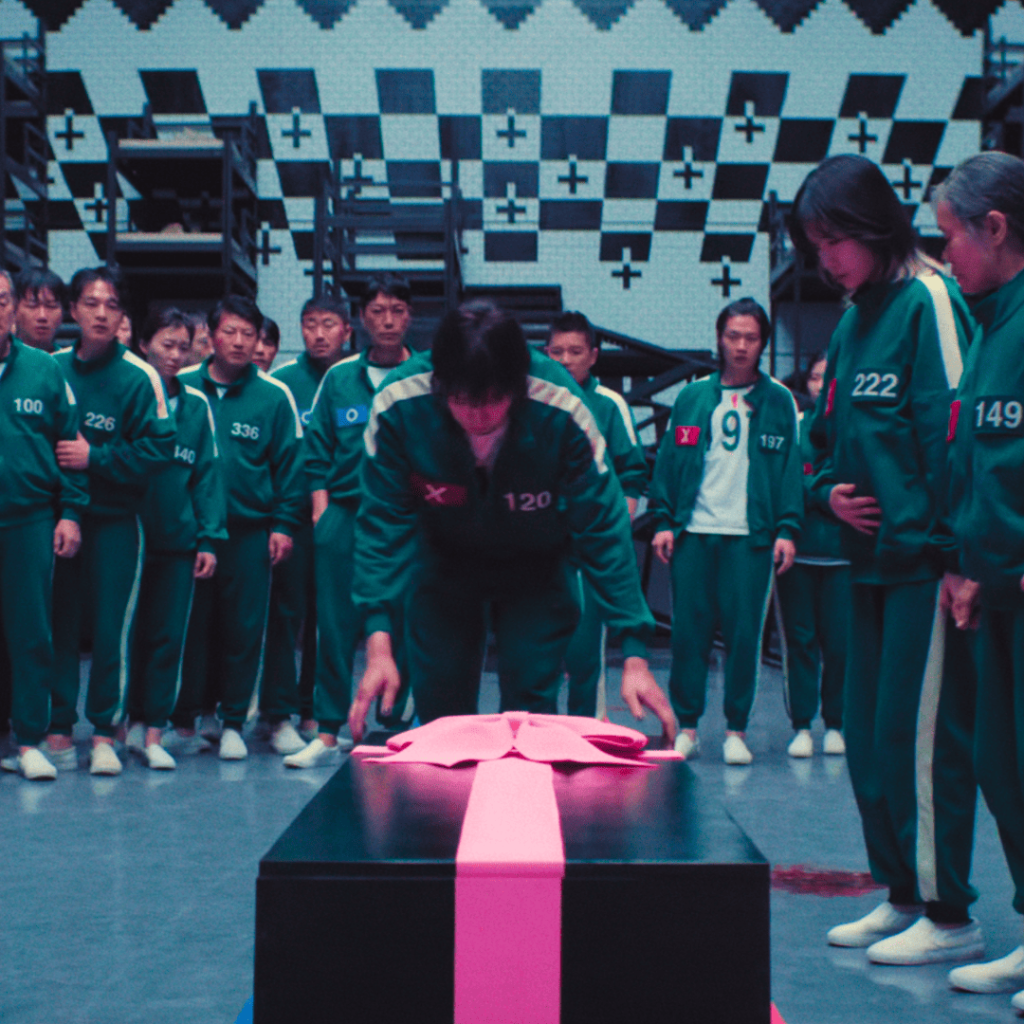
The only “winner” is Player 222, a baby. Too small to play the game, too helpless to protect itself.
But maybe that’s the point. In a world built to crush the weak, this baby survives because it is innocent. The others, Gi-hun, Geum-ja, even Yong-sik, protect it at the cost of everything.
The baby never plays the game yet it’s the only piece the system couldn’t control. A tiny wildcard that reminds us: sometimes, innocence is the last force the machine can’t twist.

The Game Always Wins
Did the VIPs lose? Did the system fall? No.
Squid Game is like a Hydra, cut off one head, two more sprout. Even as Gi-hun tries to break it from within, the machine adapts, devours him, and spits out the next game, ddakji in America.
If you watched through the credits, you know: the game lives on. The “house” never truly loses.
If you missed my first thoughts on how this Hydra grows, you can read my Squid Game 2 Deep Dive here, they hit even harder now, looking back.
Squid Game 3: The Cost of Winning
What does “winning” mean in a system like this?
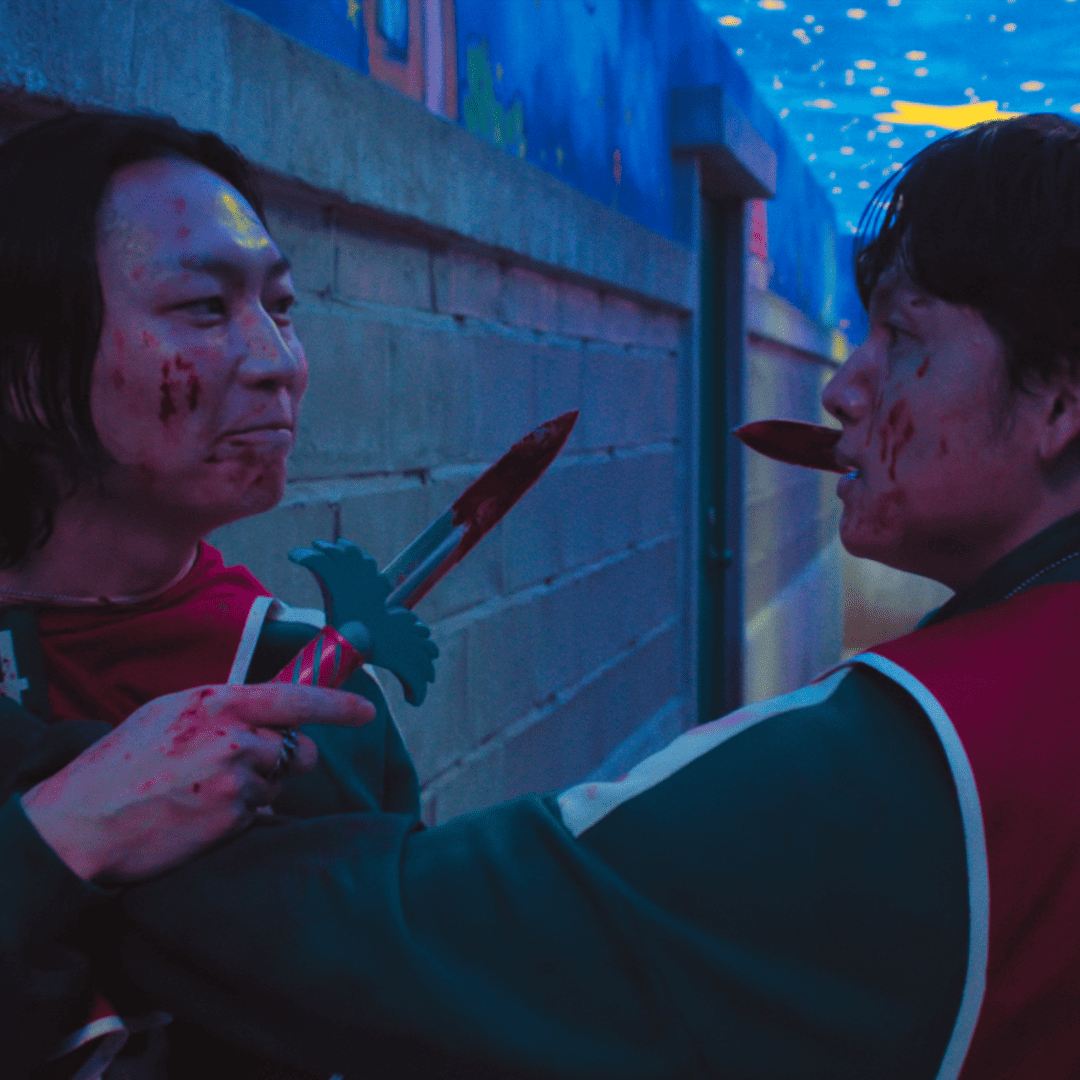
To win the game, you kill. You betray. You lose pieces of yourself with each round. In Season 1, Sang-woo stabbed his own friend. In Season 3, a mother stabs her own child. Fathers weigh a baby’s life like a poker chip.
This finale drives the point home: the cost of winning isn’t money. It’s the slow death of everything that makes you human.
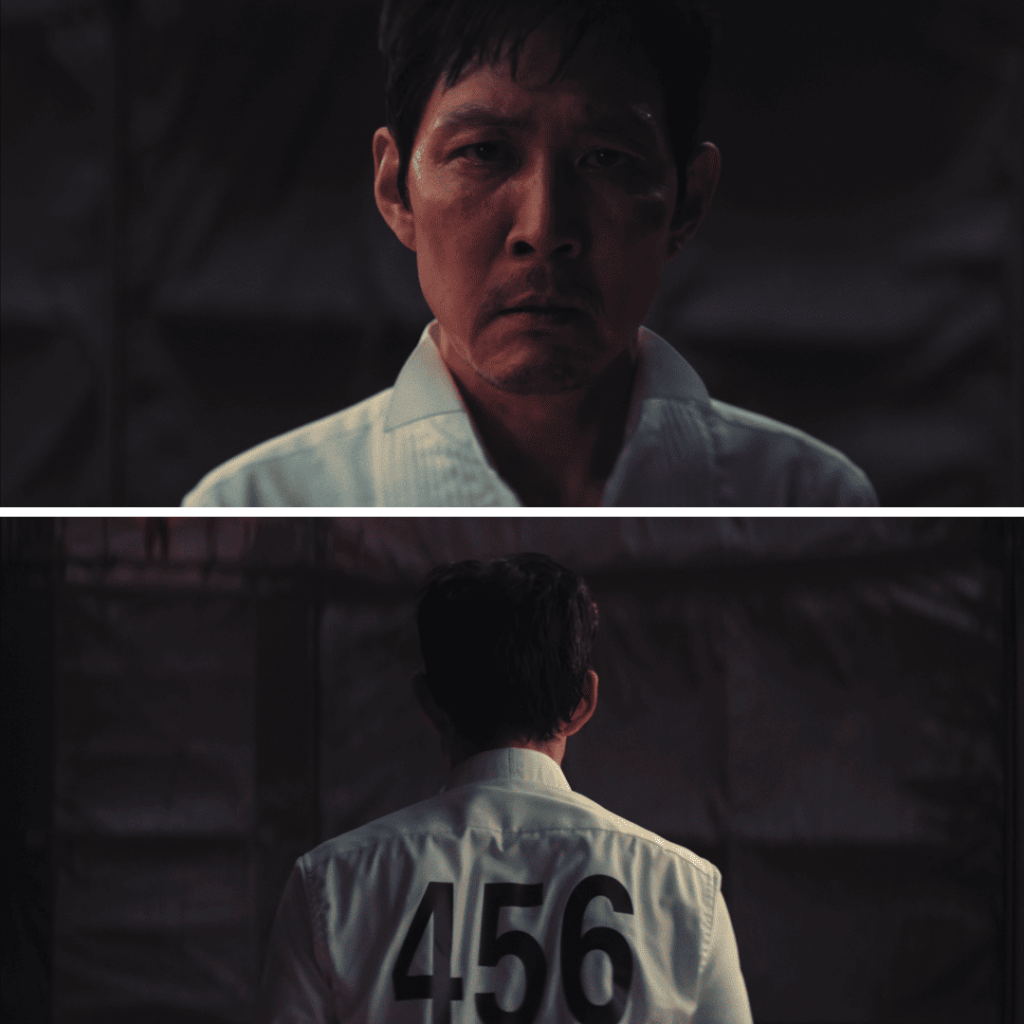
When Gi-hun stands on the edge and says, “We are not horses. We are humans…” he reminds us that the only real loss is to forget that truth.
So What’s Left?
In the final shot, the baby cries. Gi-hun falls. And the system resets.
But here’s what Squid Game 3 really taught me: when someone promises you something too good to be true, look for the chain that comes with it.
And when the world pushes you to win at any cost, maybe the bravest thing you can do is choose not to play by its rules.

Closing Reflection
Squid Game 3 didn’t give us closure. It didn’t tie it up neatly. But maybe that’s fitting. Power doesn’t vanish when you expose it, it mutates.
So the question isn’t how to win the game. It’s how to stay human when the game wants to turn you into something else entirely.
As I wrap up Squid Game 3, the last chapter of a show that turned quiet struggles into conversations shared by millions, I’m extra grateful to see this little blog land on Feedspot’s Top 90 Korean Drama Blogs. It feels fitting: stories about survival, connection, and the small victories that keep us going. Thank you for being here.
“If you’re new here, check out my reflections on Squid Game 2 and my Current KDrama Watchlist, let’s keep watching, wondering, and feeling together.”
Did Squid Game 3 break you too?
What would you refuse to sacrifice — even to “win”?
Disclaimer: This blog is for informational and entertainment purposes only. All copyrights and trademarks for the TV shows, films, and other media referenced are the property of their respective owners. This blog aims to provide original commentary and insights and claims no ownership over third-party content.