Aema Netflix Review: Power, Exploitation, and the Dark Side of Stardom
Aema Netflix Review – First Impressions: A Six-Episode Binge Worth Clicking
When I spotted Aema trending on Netflix Korea, I clicked out of pure curiosity. Six episodes felt like the perfect length for a binge, and I wanted to see what all the fuss was about.
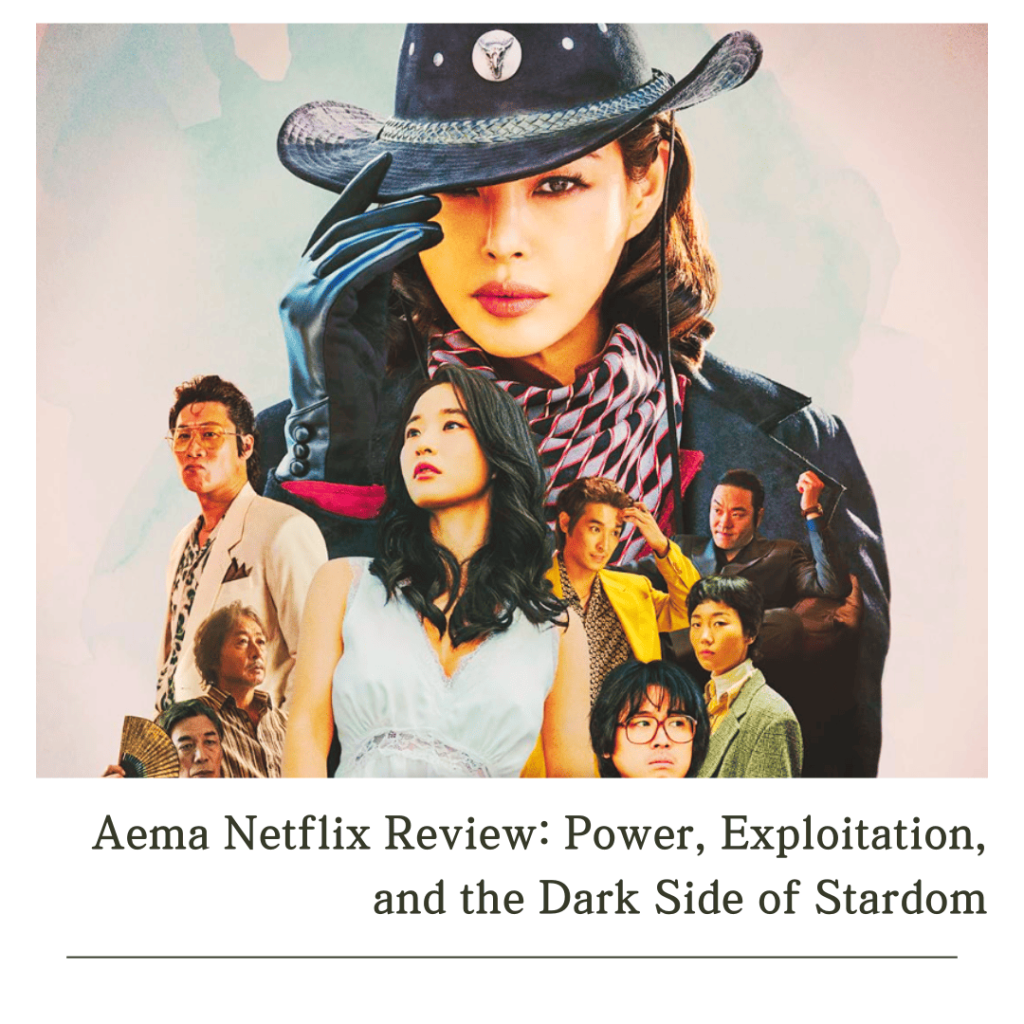
The opening hooked me immediately: veteran actress Jeong Hee Ra is handed a script riddled with sexual references, almost every page peppered with the word “breast.” Her disgust sets the tone for a power struggle against producer Ku Jung Ho, a man who thrives on exploiting women under the guise of sexual liberation. A bag to his face, a push into the swimming pool, Hee Ra’s fiery defiance sets the stage.
When she’s pushed out of the lead role and replaced by ambitious newcomer Shin Ju Ae, the setup hints at a rags-to-riches story. By the end of episode one, I was fully invested.
From Lighthearted to Dark: The Shift in Tone
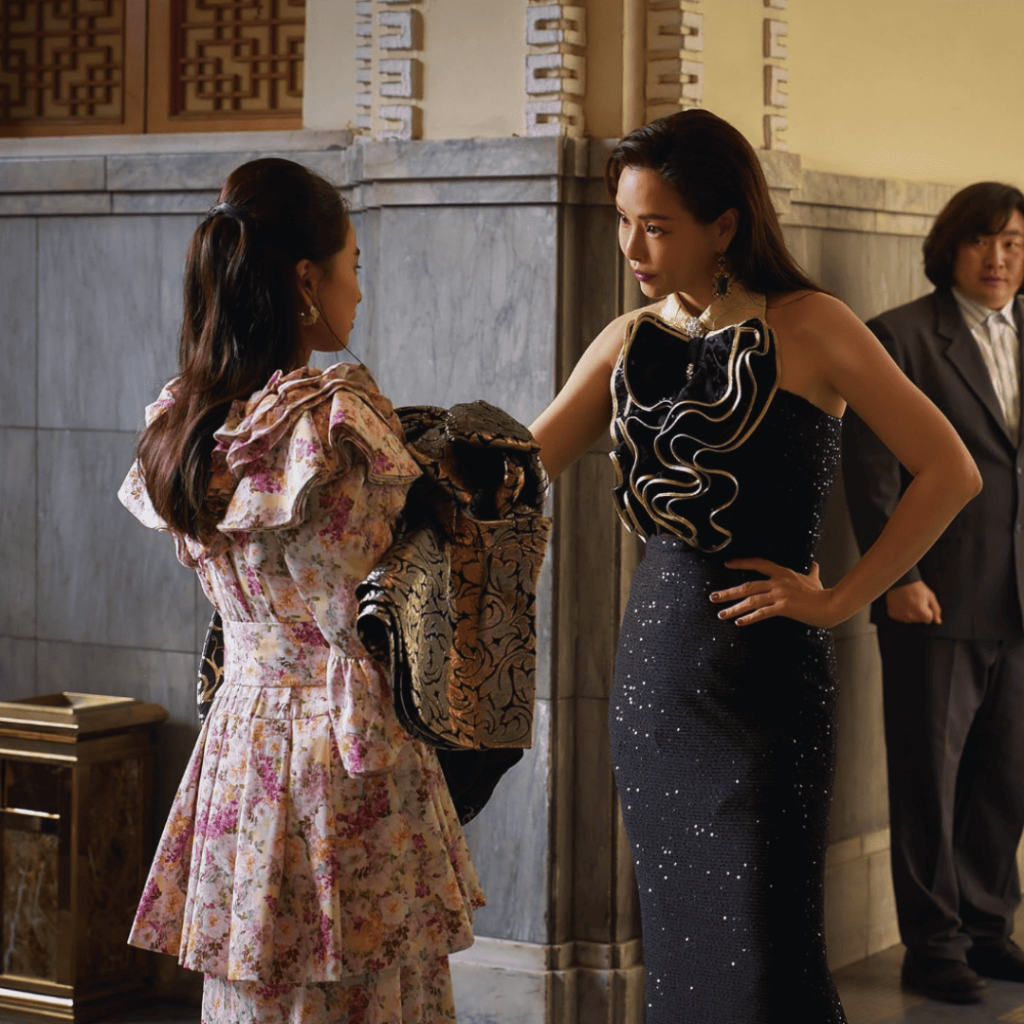
The first three episodes play out with an almost lighthearted pace: a clash between the seasoned actress and the hungry rookie, the film business politics, and the glamour of a new star rising. But by episode four, the drama takes a sharp turn.
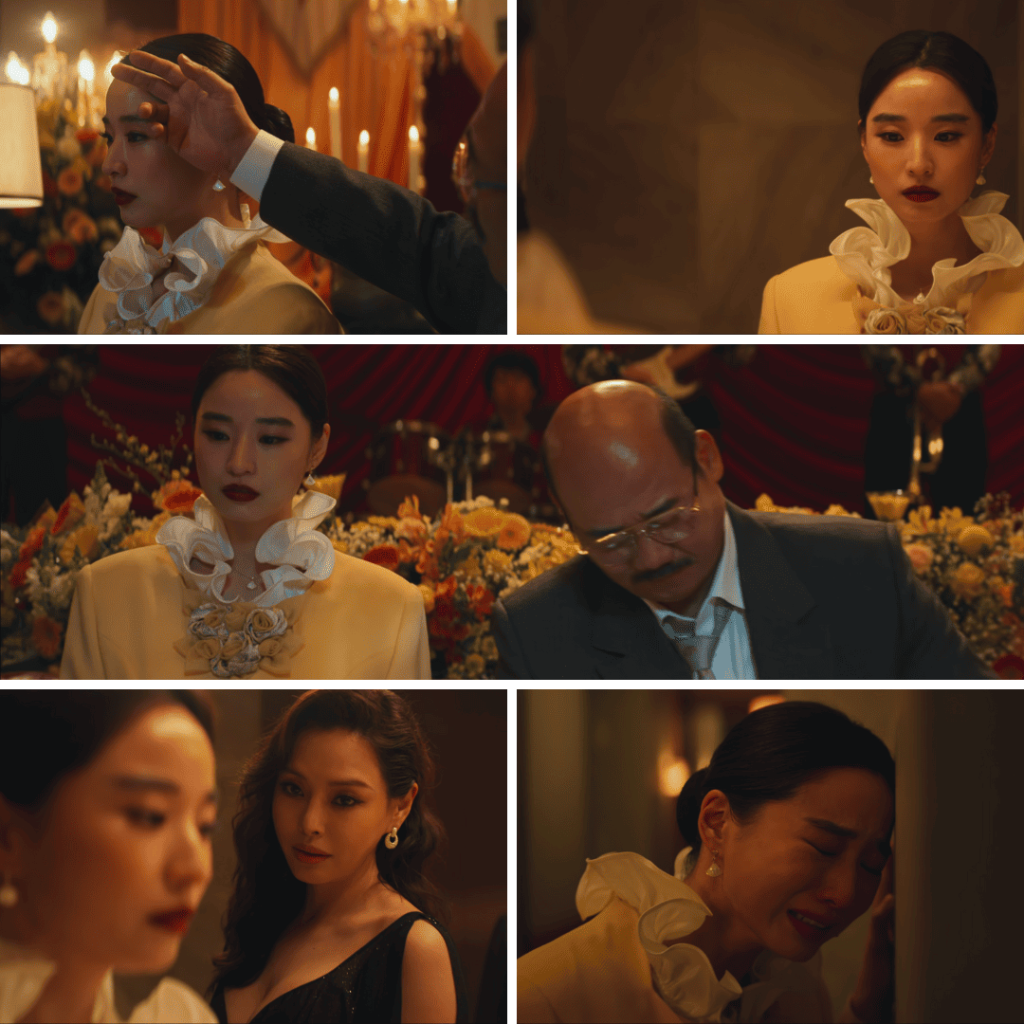
The glossy façade crumbles, revealing the ugly truth of the 1980s Korean film industry, a place where women were routinely objectified, mistreated, and traded like commodities. Instead of excitement, I began to feel frustration and anger at the sheer corruption and lack of respect for female actors.
Power, Politics, and Patriarchy in 1980s Korea
Set during South Korea’s military dictatorship, the drama smartly weaves in the wider political and social context. Curfews, censorship of scripts, student activism, and labor protests all form the backdrop, while the nation prepared to host the Olympics in an attempt to rebrand itself as “developed.”
Against this, Aema highlights how the government and industry colluded to suppress voices while exploiting women. Scenes of actresses being coerced into escort roles for powerful men mirror not just Korea’s own past scandals, but also the global reckoning of the #MeToo era.
The infamous banquet scene, where Ju Ae is nearly stripped of both innocence and dignity, is a harrowing reminder of how power preys on the vulnerable.
Women in a Predatory Industry: Hee Ra, Ju Ae, and Mina
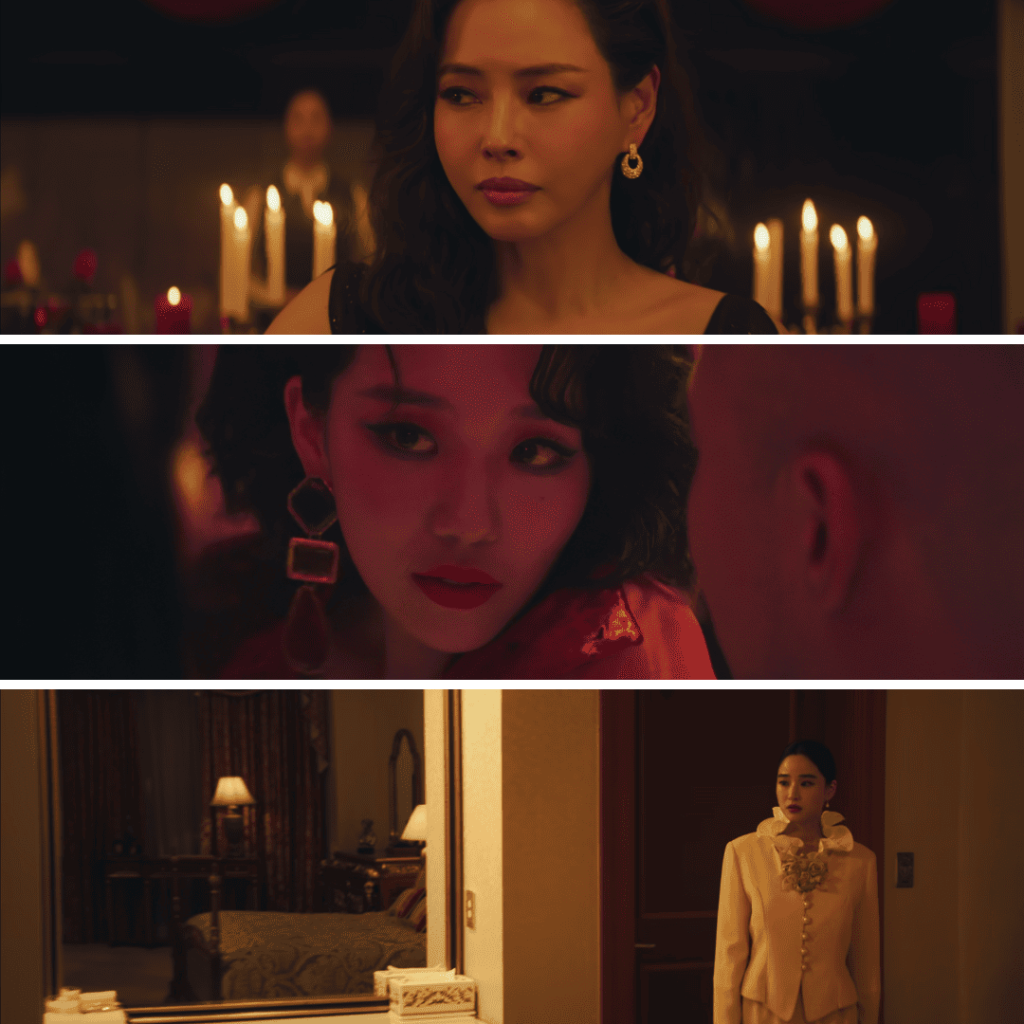
For me, Jeong Hee Ra was the standout character. Despite years of exploitation, she wielded her power as best she could, fighting to preserve her dignity while mentoring Ju Ae to avoid the same pitfalls.
Shin Ju Ae, with her background of hardship and resilience, embodied both the hunger to succeed and the danger of being consumed by it. Unlike many “rookie vs veteran” tropes, her dynamic with Hee Ra leaned toward sisterhood and solidarity.
On the flip side, Mina represented the cautionary tale. Willing to do “whatever it takes,” her tragic death after being forced into drugs underscored just how disposable women were to men like Jung Ho and his political patrons.
Ku Jung Ho: Sleazy Caricature or Harsh Reflection of Reality?
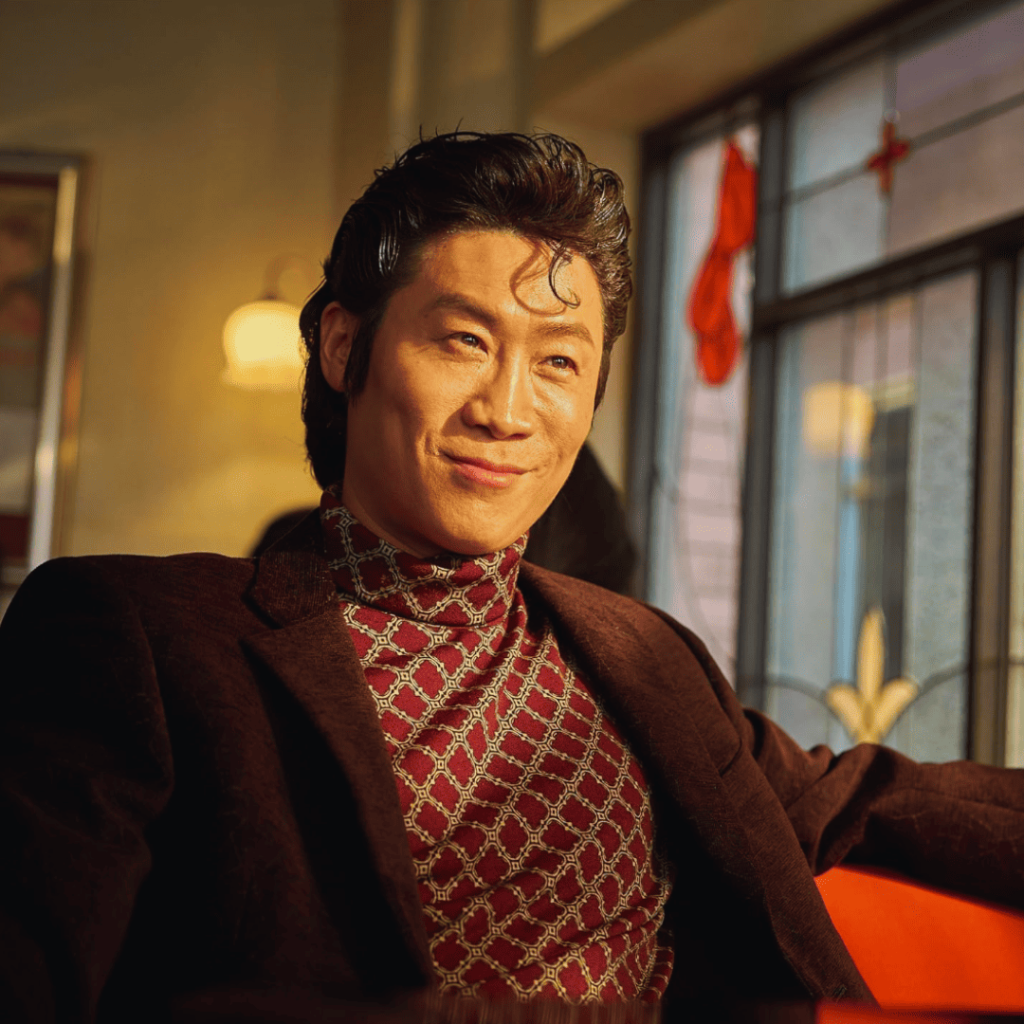
At first glance, Ku Jung Ho feels like a sleazy caricature of a corrupt producer. But when you think of Jeffrey Epstein, Harvey Weinstein, or even Korea’s own Burning Sun scandal, his character becomes chillingly believable.
His obsession with power, ledger of bribes, and exploitation of actresses weren’t just plot devices. They were a critique of both the Korean entertainment industry and global systems that commodify women. The drama forces us to ask: how much of this is fiction, and how much is just uncomfortable truth?
Final Thoughts: Evocative, Entertaining, and Bittersweet
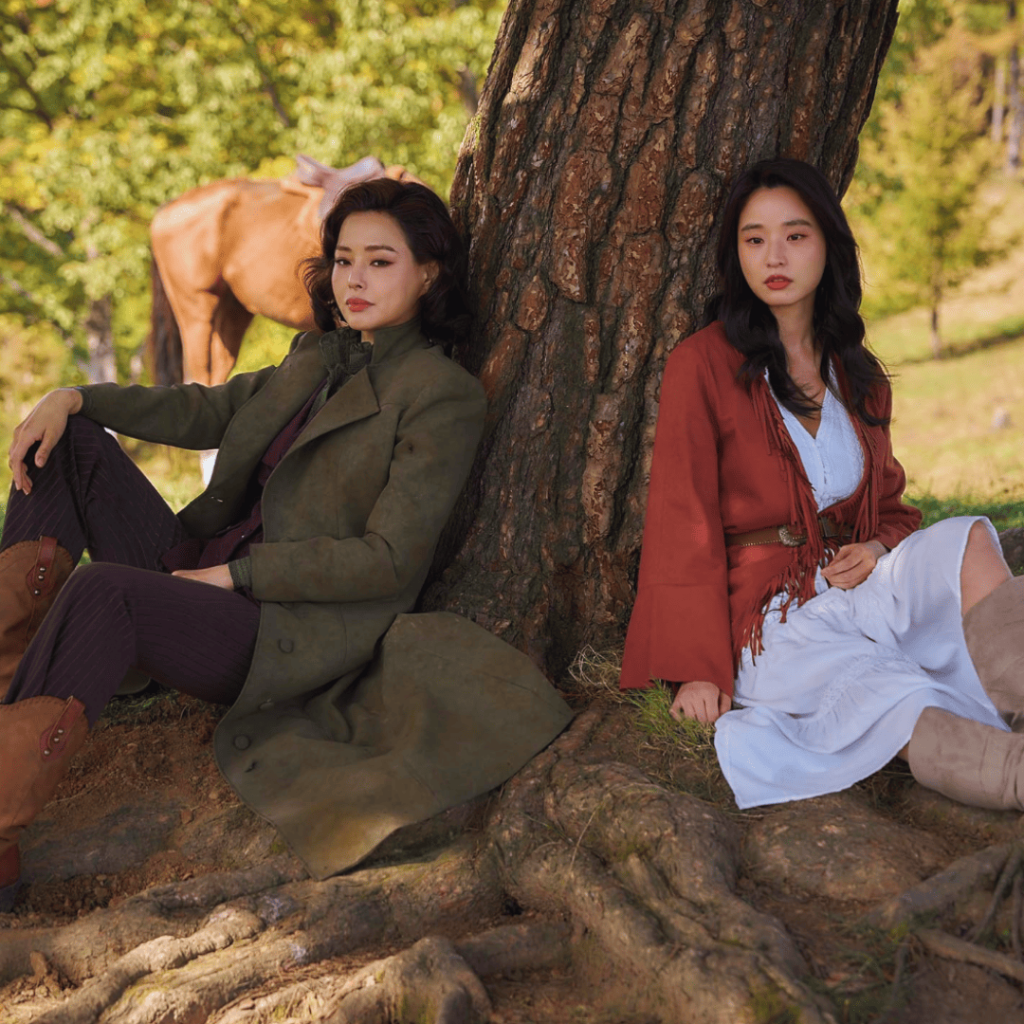
I haven’t watched the original Madame Aema, but this reimagining is bold, evocative, and thought-provoking. While it’s deeply entertaining, it left me with mixed emotions especially as Ju Ae’s rise to stardom was bittersweet and confined to the same pigeonholing that objectified her in the first place.
Would I recommend it? Yes, but not as a light binge. It’s a short series that unpacks exploitation, corruption, and women’s resilience with a lot of nuance. If you enjoy dramas that are entertaining while sparking deeper reflection, Aema is worth your time.
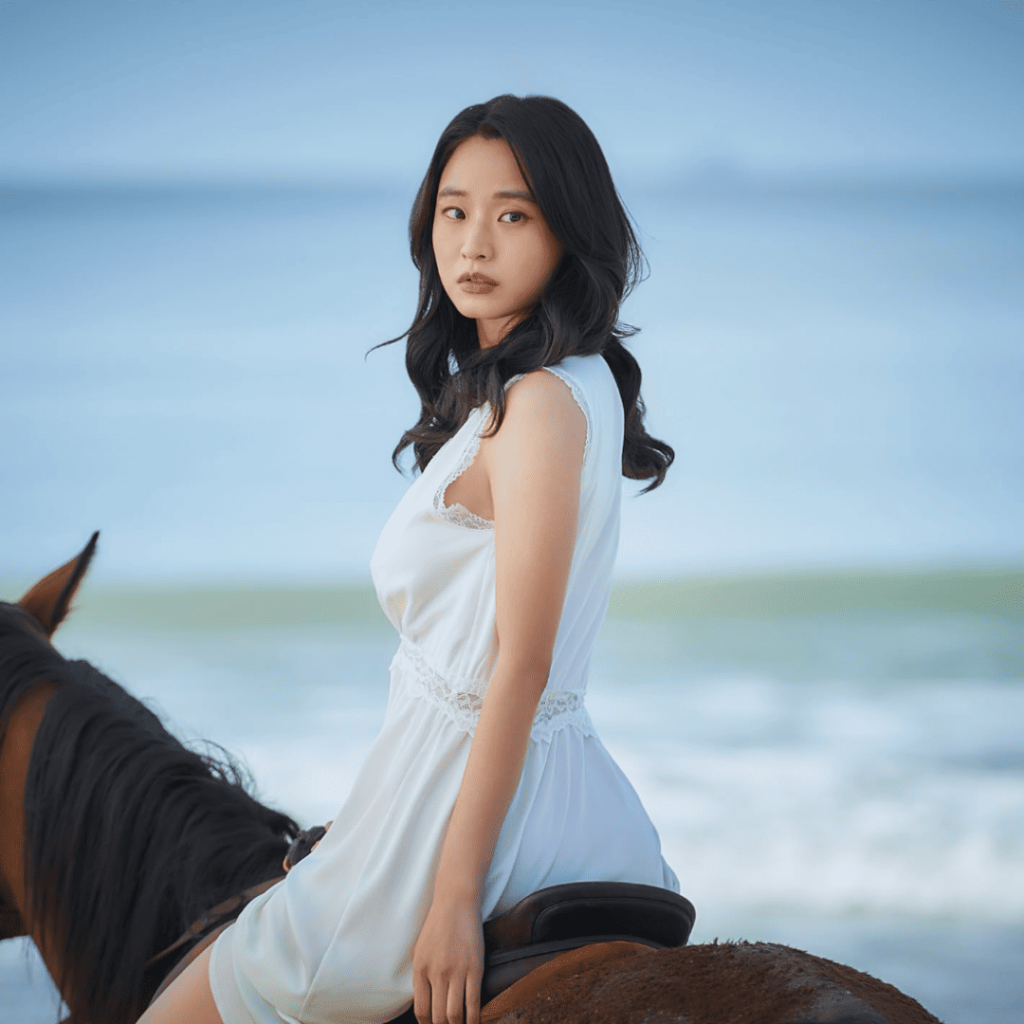
More Stories of Power, Revenge, and Resilience
If you were gripped by the themes in Aema, you’ll want to explore more K-dramas that tackle revenge, corruption, and survival:
👉 Have you watched Aema yet? Let me know in the comments what you thought — did it shock you, frustrate you, or leave you rooting for Hee Ra and Ju Ae?
Disclaimer: This blog is for informational and entertainment purposes only. All copyrights and trademarks for the TV shows, films, and other media referenced are the property of their respective owners. This blog aims to provide original commentary and insights and claims no ownership over third-party content.


One Comment