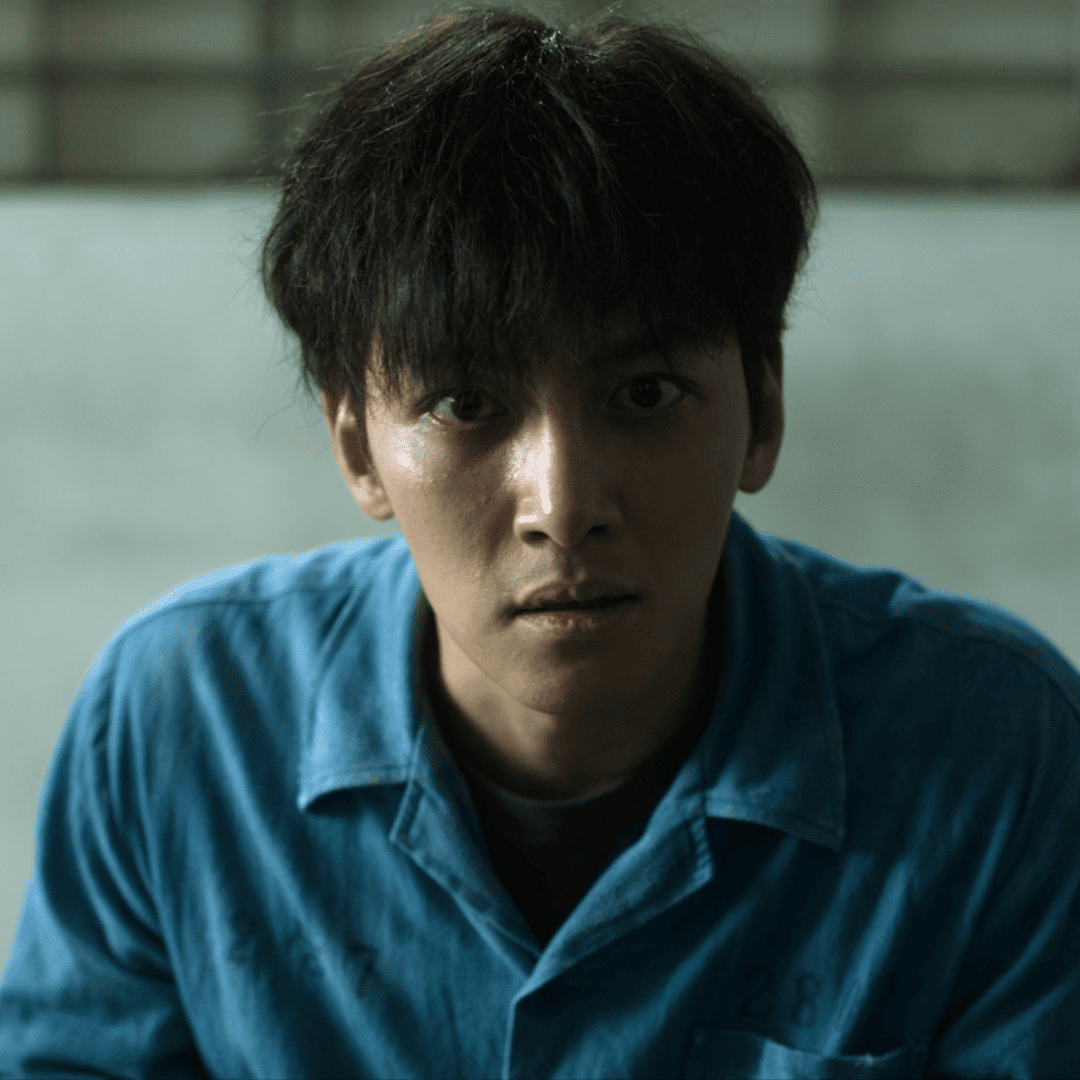
The Manipulated Review Episodes 1 to 4: How a Prison Creates Its Own Monsters
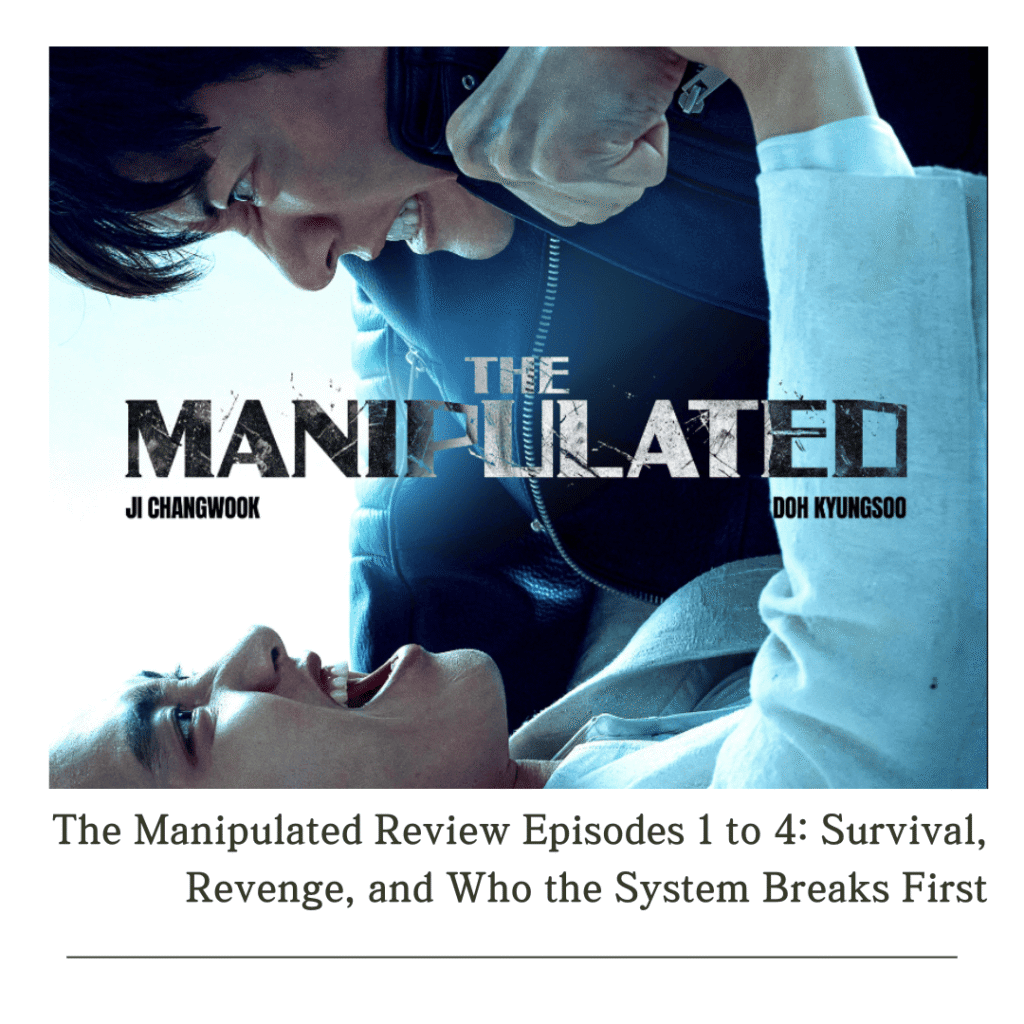
At what point does staying alive require becoming someone else entirely?
The Manipulated Review Quick Take: Four episodes into The Manipulated, this is no longer just a wrongful conviction story. It is a grim prison drama about how systems reshape people through violence, fear, and necessity. Park Tae-joong is not becoming dangerous by choice. He is being engineered that way. And that distinction matters.
I Am Rooting for Survival, Not Innocence
Four episodes into The Manipulated, I realised something important about my reaction. I am not watching this to debate whether Park Tae-joong is still “good.” I am watching because I am in awe of his will to survive.
Tae-joong does not become stronger through choice. He becomes stronger because prison demands it. What he loses in softness, he gains in clarity. Every calculation, every act of restraint, every moment of violence feels tied to necessity rather than impulse. I am rooting for him not because he is pure, but because the system around him is rotten.
There is something deeply dishonest about expecting moral perfection from someone placed inside an environment built on degradation. Prison is not a place where virtue thrives. It is a place where survival becomes the only real currency. Judging Tae-joong by outside standards would feel naive at best and cruel at worst.
Framed by Kindness, Destroyed by Design
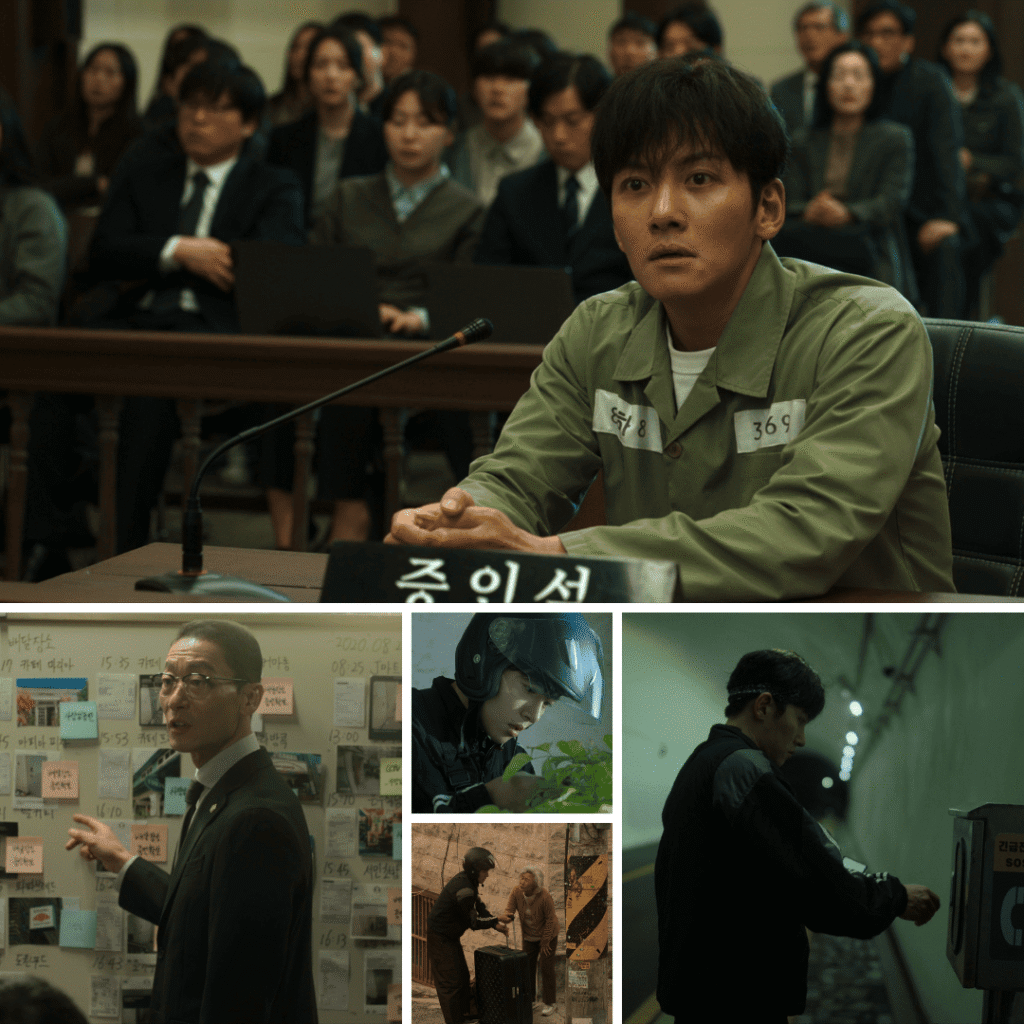
One of the most unsettling aspects of this drama is how carefully Tae-joong is framed using his smallest acts of decency.
Helping an old woman. Returning a phone. Caring for a plant. These moments are not just twisted into evidence. They are weaponised. The framing does not feel random. It feels sadistic.
Is it exaggerated? Maybe. Is it implausible? Not entirely. With enough money, influence, and coordination, reality can be bent in horrifying ways. I would not call the writing clever in a showy way, but it is grim, deliberate, and well executed. It understands how cruelty often hides behind patience.
This is not chaos. This is planning.

Prison as an Ecosystem, Not a Spectacle
I do not think The Manipulated misunderstands prison. If anything, it treats it as a functioning ecosystem with its own economy, hierarchies, and violence baked in.
I have seen prison dramas for decades, from Oz to Wentworth to The Shawshank Redemption. Nothing here feels wildly new, but it feels honest in its accumulation. What disturbs me most is not the physical brutality. It is the institutional cooperation. Guards, wardens, officials. Everyone knows. Everyone benefits.
The escape plot worked for me. It was tense, plausible, and methodical enough that I stayed locked in. I cared because Tae-joong cared. And because I knew failure would cost him everything.
An Yo-han and the Comfort of Cruelty
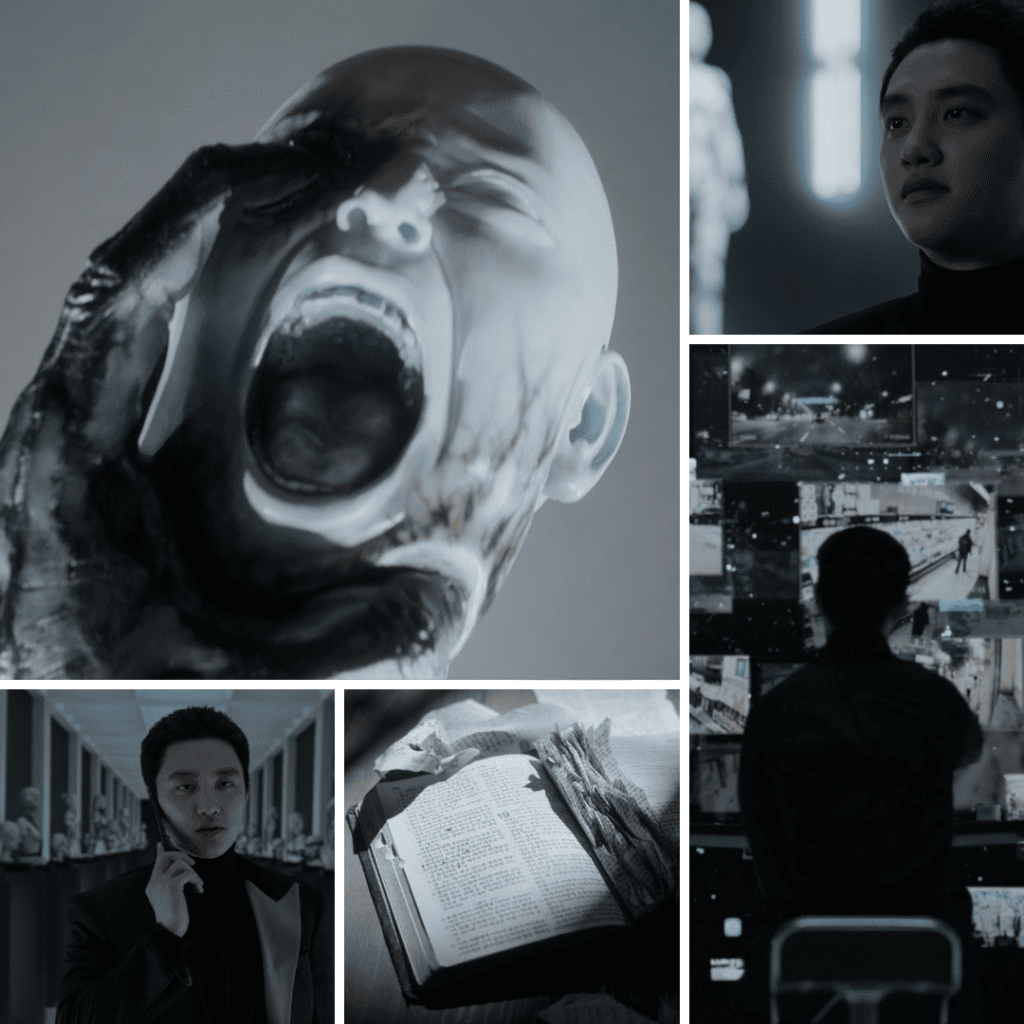
An Yo-han unsettles me not because he is unique, but because he likely is not.
People like him probably exist everywhere. Wealthy, insulated, morally bankrupt, and deeply bored. The kind of people who treat human lives as toys because nothing has ever truly touched them.
He flirts with comic-book villain territory, but if someone like this existed, how else would they behave? What does restraint look like when you believe yourself untouchable?
The “game” reveal at the end of episode 4 could either elevate this story or destroy it. Right now, I am cautiously excited. A prison squid game scenario could be grotesque, thrilling, or empty spectacle. The show has earned my patience so far. Now it needs to prove it knows why it is going there.

Violence as Reality, Not Shock
Violence does not bother me here because pretending prison is nonviolent would be dishonest.
The ear-cutting scene felt earned. Cathartic, even. Tae-joong neutralises his greatest threat without taking a life. An ear is nothing compared to what has already been taken from him. His freedom. His brother. His future.
This was not brutality for shock. This was survival with restraint.
Why I Am Fully Locked In
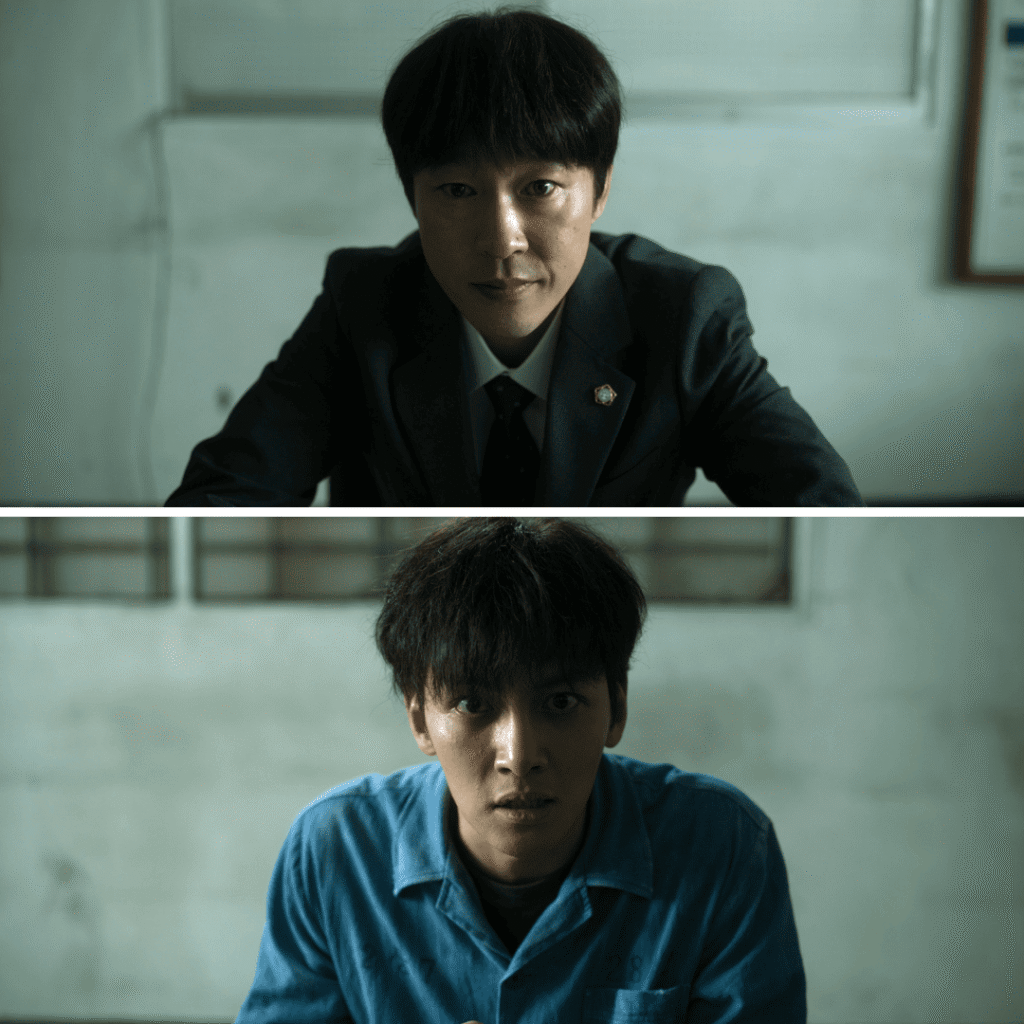
I cannot stop thinking about the opening of episode 1. The chase. The anger. The moment Tae-joong loses his temper over something small and human.
Did that moment mark him? Did it make him visible? Did it invite everything that followed?
I am still watching because after everything he has endured, I need to see whether revenge brings him justice, destruction, or something hollow in between. I am watching because I want Yo-han to face consequences. And because I want to see what kind of man Tae-joong becomes when there is nothing left to lose.
Right now, The Manipulated feels gripping, dark, and unapologetic. I am fully locked in. And unless it betrays its own intelligence, I will be there until the end.
The Manipulated Review: Final Thoughts
If you are watching The Manipulated and finding yourself rooting for survival rather than justice, I write first-impression essays on Korean dramas, crime stories, and moral breakdowns where systems matter more than villains. Read along, disagree if you need to, or tell me where you think the line should be drawn.
If these themes resonate, you may also want to explore my writing on crime and punishment in The Price of Confession, moral complicity and silence in As You Stood By, and character-driven descent in Trigger, where power reshapes people long before guilt is decided.
Disclaimer: This blog is for informational and entertainment purposes only. All copyrights and trademarks for the TV shows, films, and other media referenced are the property of their respective owners. This blog aims to provide original commentary and insights and claims no ownership over third-party content.

2 Comments