
The Scarecrow 2026 Review: Why Kang Tae-joo is the Ultimate Detective
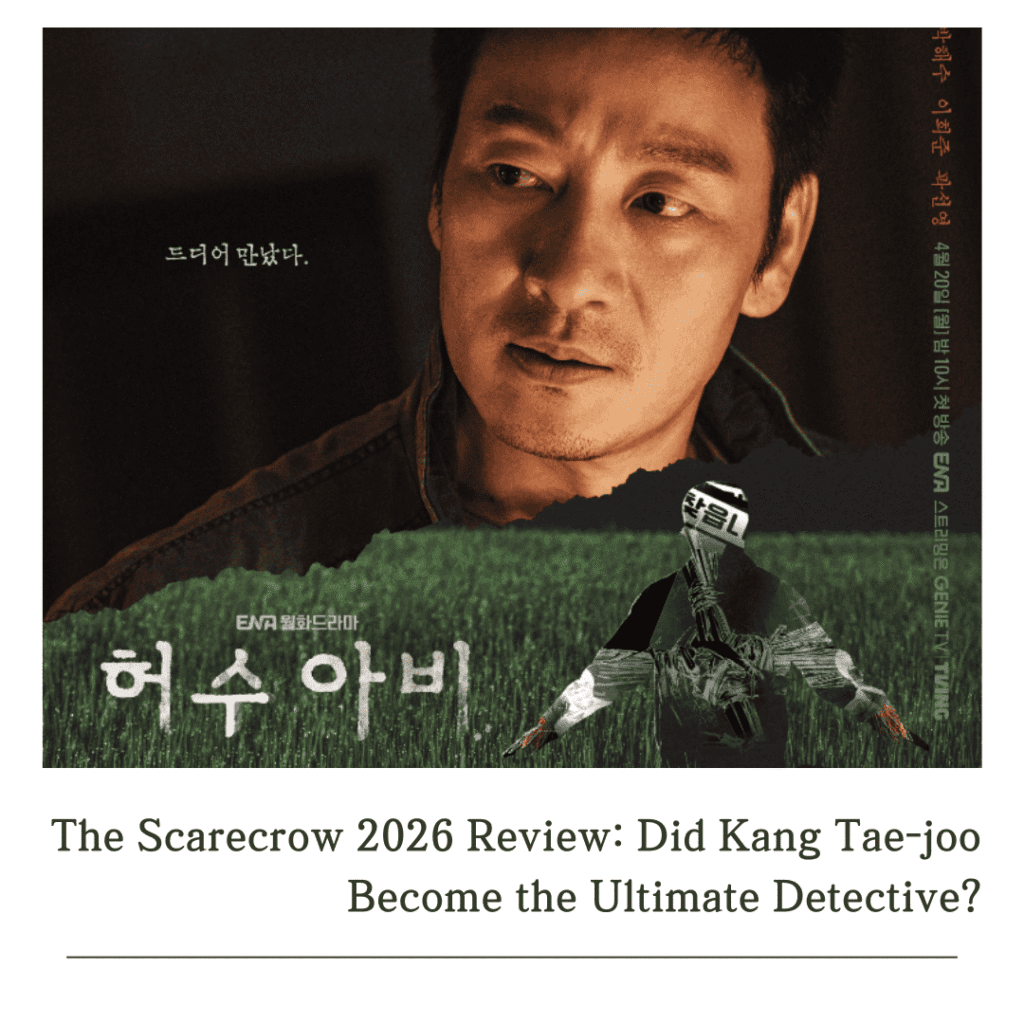
A devastating, slow-burn psychological masterpiece where the real monster isn’t just the serial killer, but the institutional ego of a broken 1980s justice system.
The Verdict Box
Score: 8.75/10
The Vibe: A haunting, historically grim psychological noir that trades flashy modern investigative twists for a raw, devastating look at how systemic pride and primitive forensics let a monster walk free.
Watch if you liked: Beyond Evil, or fellow high-stakes psychological crime thrillers like Stranger and Signal.
Skip if: You expect a fast-paced, action-heavy procedural with clean moral lines and a quick, triumphant resolution.
The Core Question: When institutional ego leads the law to manufacture its own body count, can a detective who loses everything maintain his integrity long enough to outlast the statute of limitations?
The Scarecrow 2026 Review: How far would you go to protect the truth when the very system you wear a badge for is actively trying to bury it? Set against the bleak, paranoid backdrop of the mid-1980s, ENA’s The Scarecrow (2026) shifts the focus away from a typical whodunit and places it squarely on the devastating cost of institutional face-saving.
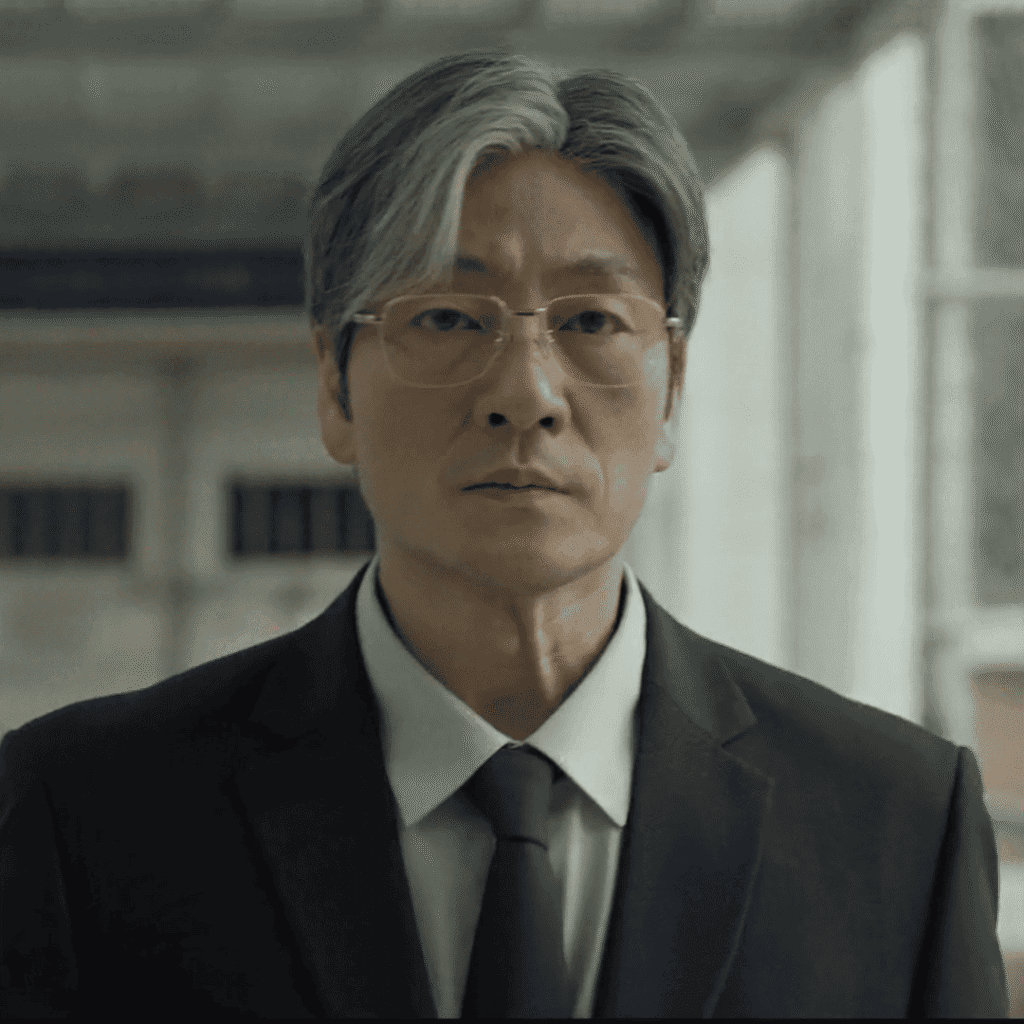
Told retrospectively through the framing device of an older, weathered Kang Tae-joo (Park Hae-soo) interviewing a gray-haired serial killer decades into the future, the drama pulls back the curtain on a time when the law was often more dangerous than the criminals. But amid the rot of forced confessions, political campaigns, and structural violence, one man stands completely unbroken. Here is our full The Scarecrow 2026 review on why Kang Tae-joo is the ultimate detective.
The Scarecrow 2026 Review: The Illusion of Concrete Forensics & Institutional Ego
What makes The Scarecrow so uniquely frustrating—and wildly compelling—is that the suspects Cha Si-young (Lee Hee-joon) and his detectives chase aren’t random scapegoats pulled off the street. Based on the circumstantial evidence available at the time, they genuinely looked like the prime suspects.
The tragedy lies in the department’s complete lack of concrete evidence and their over-reliance on primitive, entirely inconclusive 1980s forensics. Driven by institutional ego and the desperate desire to claim flashy service awards, the police treat these shaky leads as definitive proof of guilt.
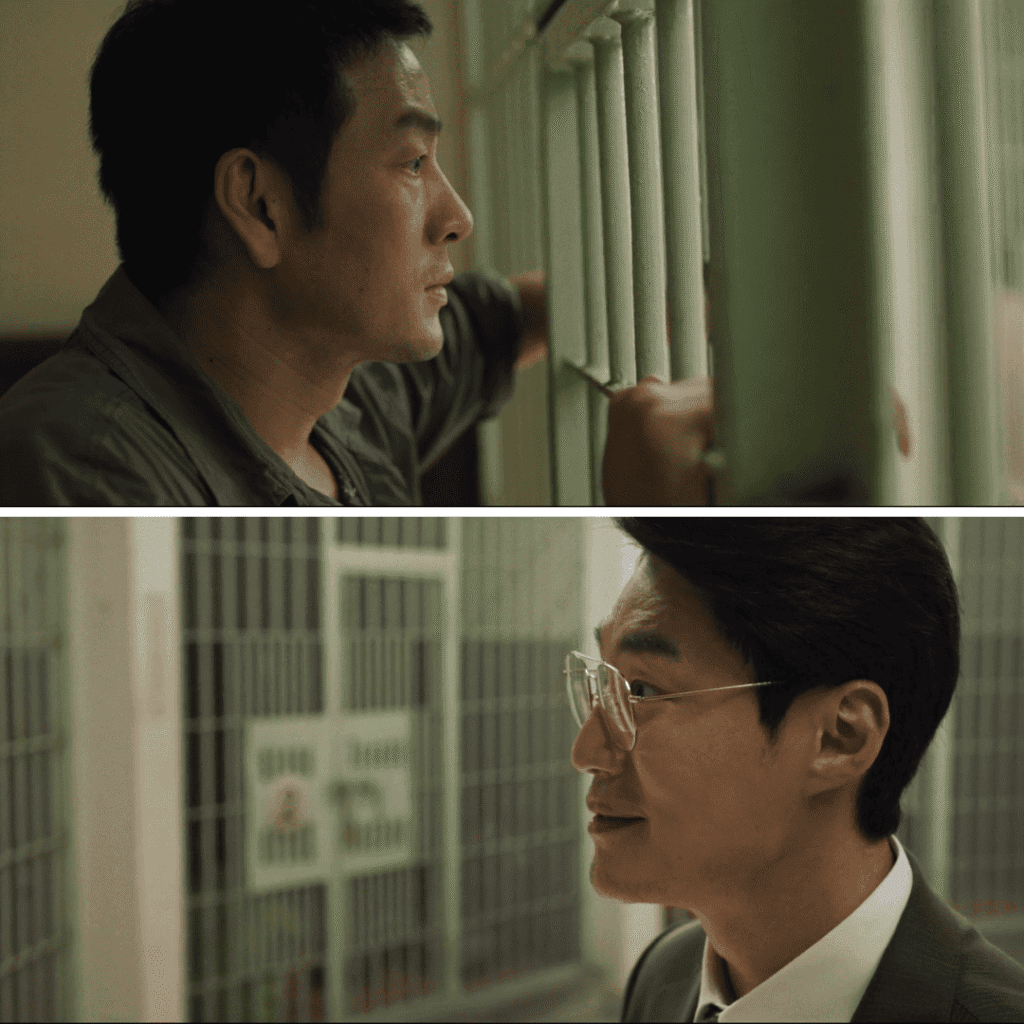
What follows is a horrific display of systemic abuse. We watch in horror as Tae-joo’s sister’s fiancé, Lee Ki-beom (Song Geon-hee), is hauled into custody. Because he belongs to a student group reading books on capitalism and Marxism, the regime brands him an unpatriotic communist rebel.
Under the guise of national security, they subject him to relentless torture, sleep deprivation, and the classic, corrupt tactic of forcing him to copy a pre-written confession by hand. Even though his innocence is later proven, the damage is lethal; Ki-beom tragically dies of organ failure brought on by severe sepsis.

The Ultimate Irony: A Monster Judges the Law
This institutional blindness leads directly to the most chilling, brilliant sequence of the entire series. The real serial killer, Lee Ki-hwan (Jung Moon-sung), is able to slip completely under the radar not because he is a criminal mastermind, but because the police are doing his clean-up work for him.
In a stunningly ironic mountain scene, Ki-hwan returns to one of his disposal sites only to witness the police detectives surreptitiously burying a child’s body to cover up their own lethal mistakes and protect their reputations. The killer is genuinely astounded by the sheer lack of morality from the authorities.
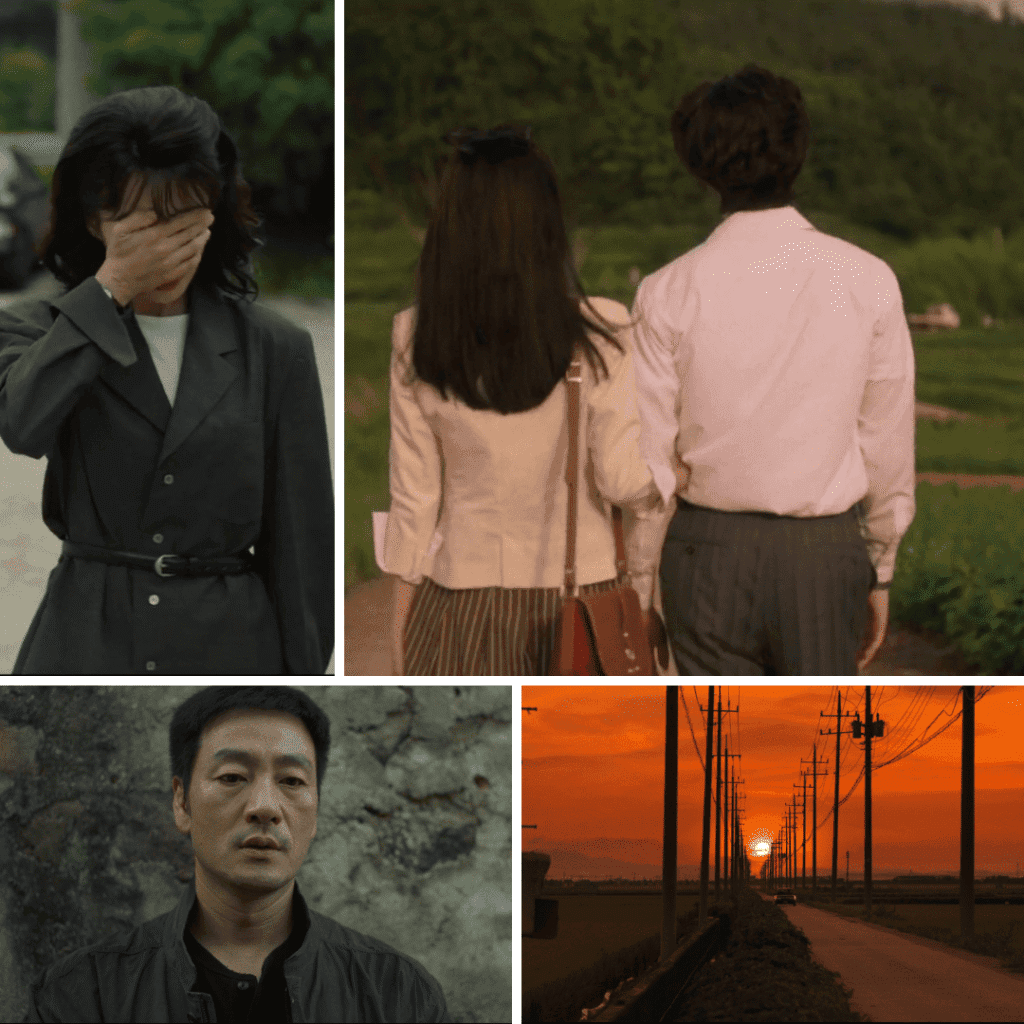
In a twisted, mocking chess move, Ki-hwan intentionally commits another murder and dumps the body on that exact mountain just to force their hand and expose their hypocrisy.
Because the department is drowning in institutional guilt over beating Ki-beom to death, they actively avoid looking closely at the family afterward to ensure they don’t appear blatantly prejudiced or biased. By destroying an innocent young man, the police manufactured the perfect, invisible shield for the actual monster.
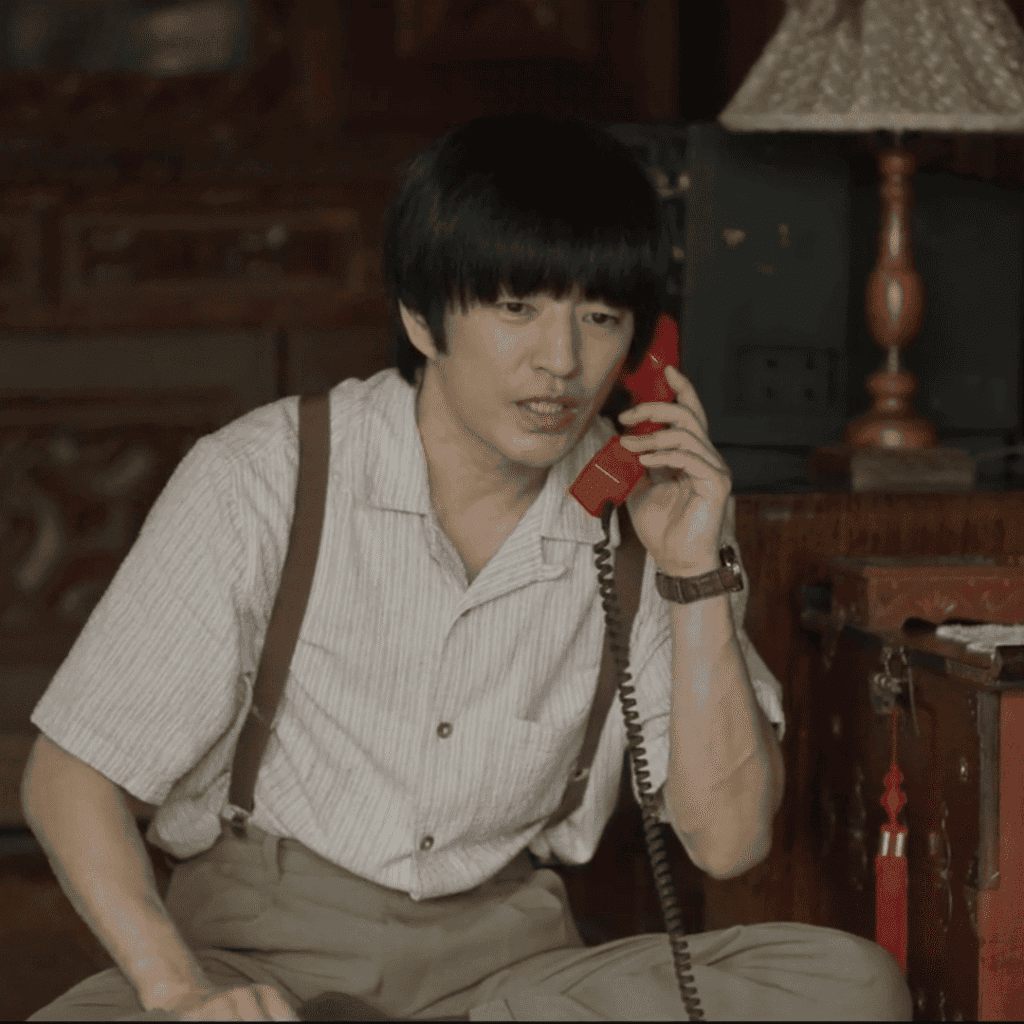
The Scarecrow 2026 Review: The Price of Exile and the Birth of a Profiler
The emotional climax of the past timeline cements Tae-joo as a tragic hero of the highest order. When Prosecutor Cha Si-young tries to dig into his powerful, political-candidate father’s (Yoo Seung-mok) past, he confuses his targets. He suspects Tae-joo is the illegitimate child threatening his father’s campaign, but it was actually Tae-joo’s sister, Soon-young (Seo Ji-hye).
After a horrific “accident” caused by the politician’s fixers, Soon-young is left in critical condition needing immediate surgery. In a devastating display of leverage, the elite hold her life hostage: the only way a top surgeon will step into that operating room is if Tae-joo agrees to cover up the department’s corruption, bury his findings, and accept an immediate exile to his remote hometown.
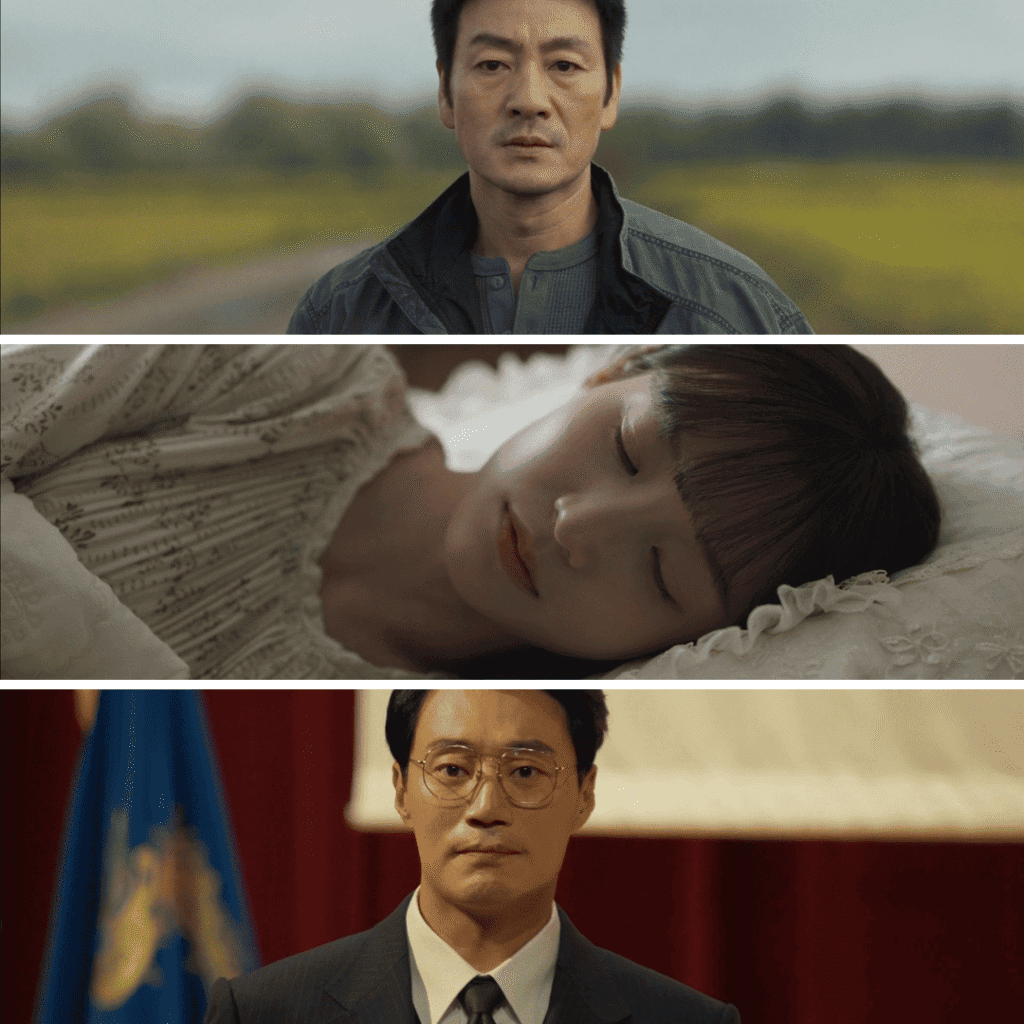
Tae-joo makes the sacrifice. He chooses his sister’s life over immediate justice, a decision that would break lesser men. Instead of letting exile rot his spirit, Tae-joo uses his time in the shadows to adapt.
Knowing the statute of limitations is ticking away, he transforms himself into a meticulous profiler. He doesn’t return with anger; he returns decades later with irrefutable, unassailable evidence that the passage of time cannot erase.
Frequently Asked Questions about The Scarecrow (2026)
Why did the police fail to catch Lee Ki-hwan in the 1980s timeline?
The police failed because they relied on inconclusive, circumstantial forensics and prioritized securing quick confessions under duress over actual fieldwork. Their own institutional guilt over the accidental death of an innocent suspect, Lee Ki-beom, caused them to actively avoid looking closely at the family, allowing the real killer to go unnoticed.
Why does Kang Tae-joo accept exile instead of exposing the corruption?
Tae-joo accepts exile because Cha Si-young’s powerful family leverages his sister’s life. Following a targeted hit-and-run accident, his sister requires emergency surgery that the family will only facilitate if Tae-joo signs off on a cover-up and removes himself from the investigation.
How does Kang Tae-joo bypass the statute of limitations?

Tae-joo uses his time in exile to transition from a standard field detective into a highly skilled profiler. By uncovering entirely new, irrefutable evidence linked to secondary cases where the timeline has not expired, he forces an interrogation context that exposes the truth behind the entire historical sequence.
Continuing the Investigation
If you want to explore more deep dives into broken systems, corrupt authority figures, and characters pushing back against systemic failure, check out these reviews on the blog:
- [Teach You a Lesson Review]: Read our full breakdown of what happens when vigilante justice becomes the only operational tool left to combat institutional collapse.
- [Sins of Kujo Review: Why the Guilty Deserve a Defense]: Step into the courtroom to see how defense attorneys navigate the extreme moral grey areas of a flawed legal system.
- [The Price of Confession Review]: If you loved the high-stakes interrogation mind games and psychological friction featured in this post, this is your next stop.
Over to You!
Now it’s your turn to join the investigation: What did you think of The Scarecrow? Did the devastating irony of Lee Ki-hwan judging the police force throw you as much as it did me, or did Kang Tae-joo’s ultimate sacrifice for his sister break your heart? Drop your thoughts and your personal rating in the comments below—let’s talk about it!
Disclaimer: This blog is for informational and entertainment purposes only. All copyrights and trademarks for the TV shows, films, and other media referenced are the property of their respective owners. This blog aims to provide original commentary and insights and claims no ownership over third-party content.




One Comment