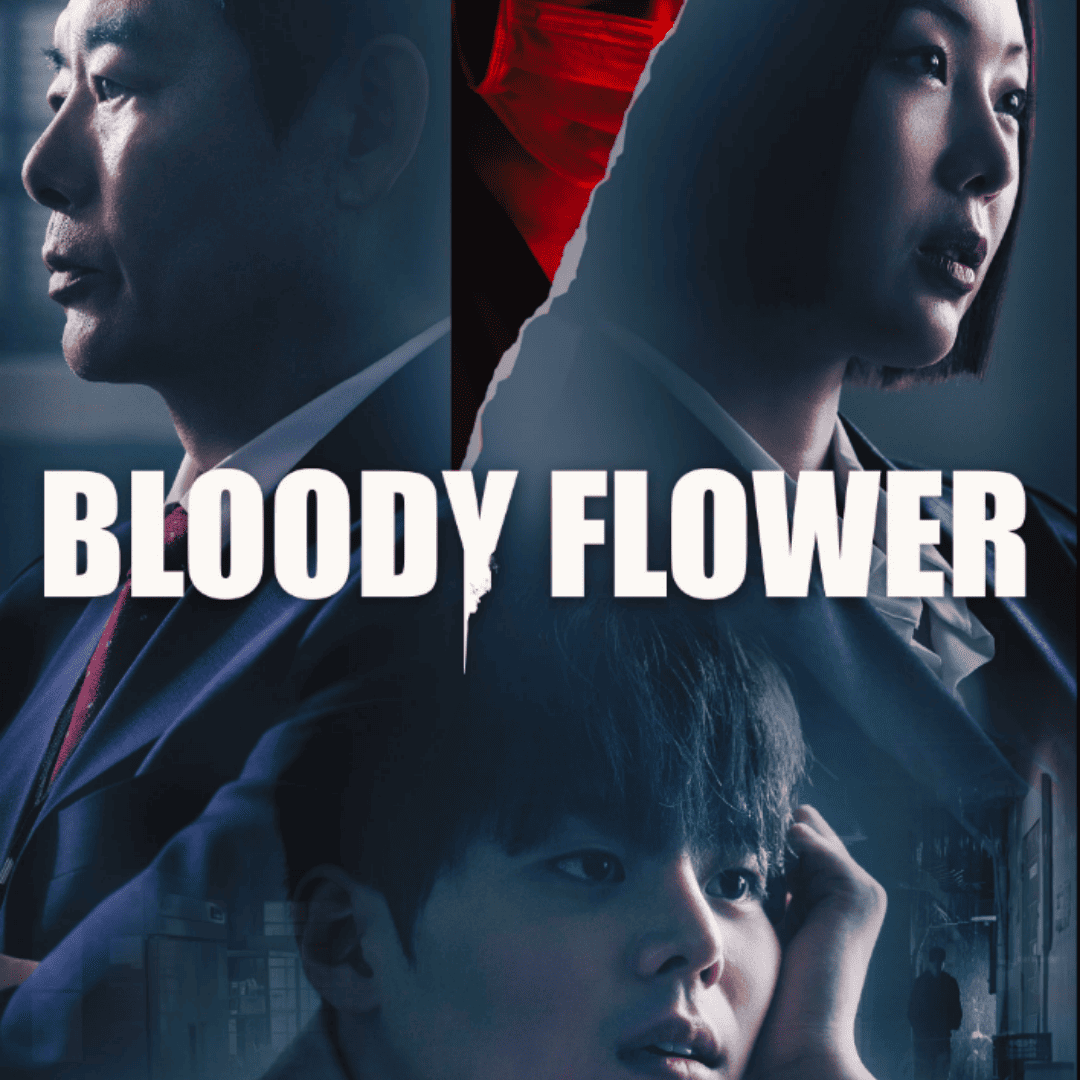
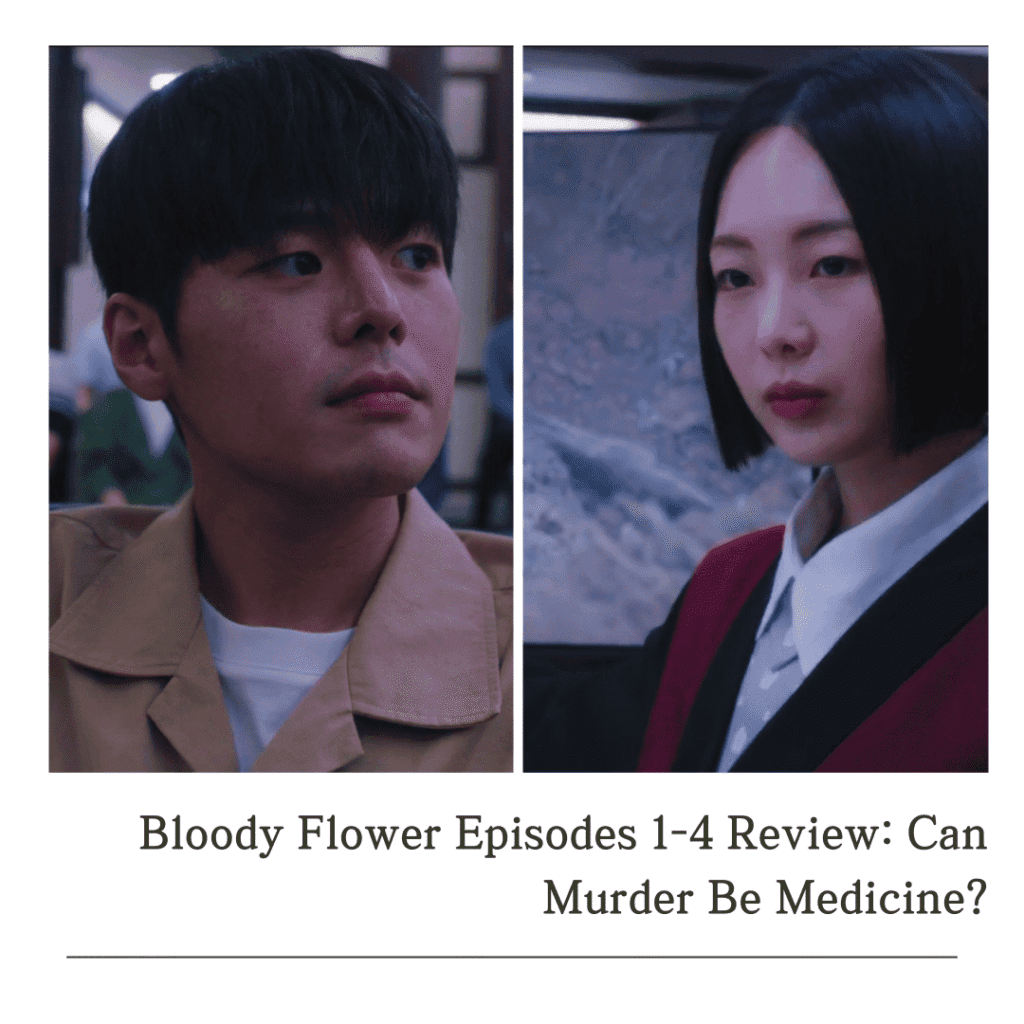
Bloody Flower Review Episodes 1-4: The Serial Killer Who Cures
“Medicine has ethics for a reason. Without them, we aren’t pioneering—we’re just experimenting on our fellow humans.”
Bloody Flower Review: Is it Worth Watching?
Yes. Bloody Flower is a 7.5/10 ethical minefield that asks: Can 17 murders be justified by a medical breakthrough? A serial killer claims his blood cures terminal diseases, and he’ll prove it in court or die trying. Watch if you liked The Killing Vote, Beyond Evil, or moral puzzles with no clean answers. Skip if you need clear heroes and uncomplicated justice.
This isn’t a whodunit. It’s a study of whether utility can retroactively sanitize atrocity and by episode 4, you’ll question your own ethics.
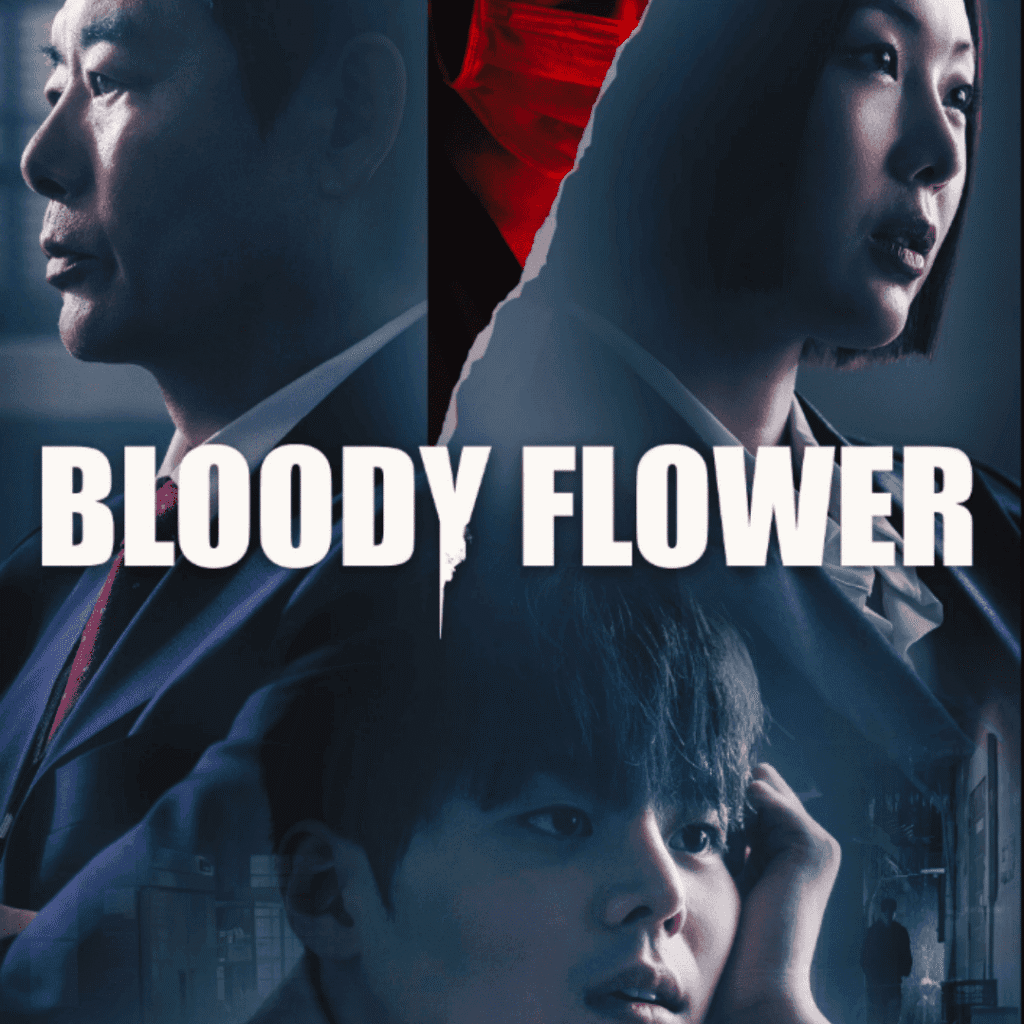
What Is Bloody Flower About?
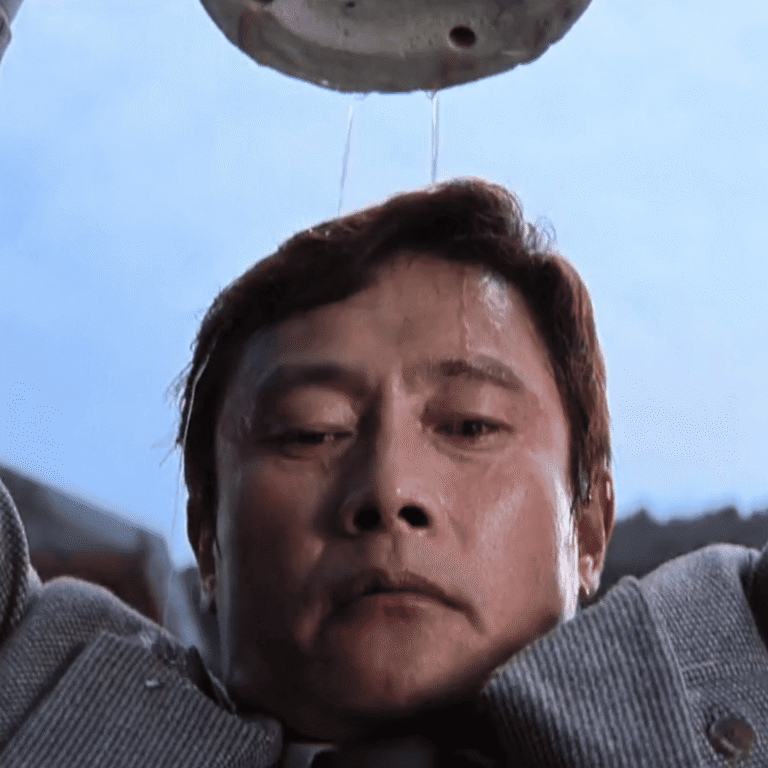
Lee Woo-gyeom is a confessed serial killer. Seventeen victims. Bodies located. Guilt admitted. But he doesn’t want to prove his innocence; he wants to prove his Utility.
Woo-gyeom claims he experimented on himself (and his victims) to develop a blood treatment that cures terminal illnesses. He argues his motive wasn’t pleasure, but progress. Now, he demands a court-ordered demonstration to prove his breakthrough before his execution.
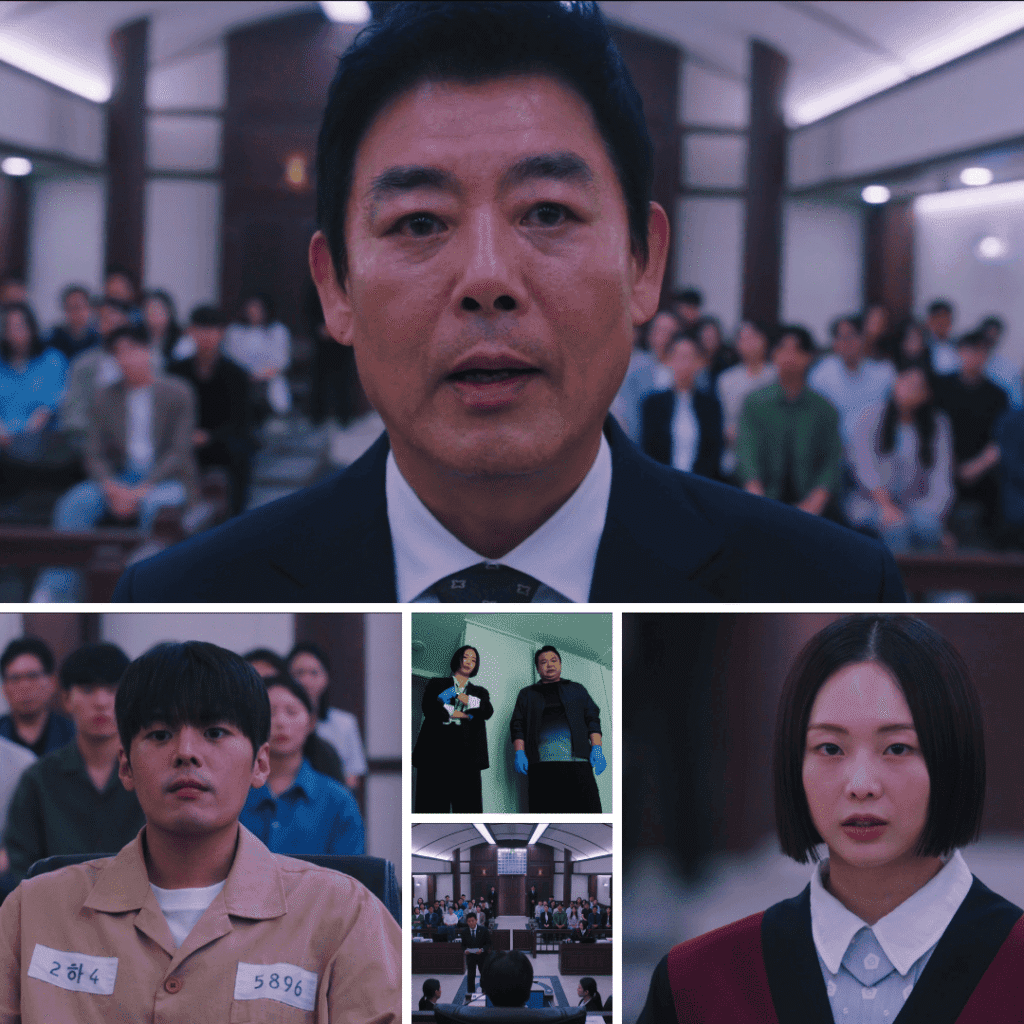
This puts the court in a “Pandemonium” scenario: if they allow the demonstration, they legitimize vigilante science. If they refuse, they potentially burn the cure for cancer.
The prosecution, led by the “Rigidly Righteous” Cha Yi-yong, sees this as a narcissistic spectacle. Conversely, the defense attorney, Park Han-jun, is a tragic father with a daughter dying of Batten disease. He is the perfect mark, a man who cannot afford to let the “Beautiful Lie” be fake.
The Verdict Box
- Score: 7.5/10 (Episodes 1-4)
- The Vibe: A courtroom thriller that feels like a medical ethics seminar taught by a charismatic psychopath
- Watch if you liked: The Killing Vote, Beyond Evil, Law School, The Good Doctor (dark version)
- Skip if: You need clear moral lines or get frustrated by ethical ambiguity
The Core Question: Can Murder Be Medicine?
The genius of the Bloody Flower is how it forces us into a utilitarian corner. Personally, I believe justice must be served. Even if the cure works, it cannot nullify the murders. If we allow “Medical Vigilantism,” we open the floodgates to a society where anyone can claim “scientific necessity” to justify a basement full of bodies.
Clinical trials and ethics boards aren’t obstacles to progress; they are infrastructure designed to protect human dignity. Woo-gyeom didn’t just bypass procedure, he treated humans as disposable, selecting victims based on their criminal records and perceived expendability. How many more would he have sacrificed if he hadn’t stumbled on his breakthrough sooner?
To pardon him would be to announce that medicine is just terrorism with better branding.
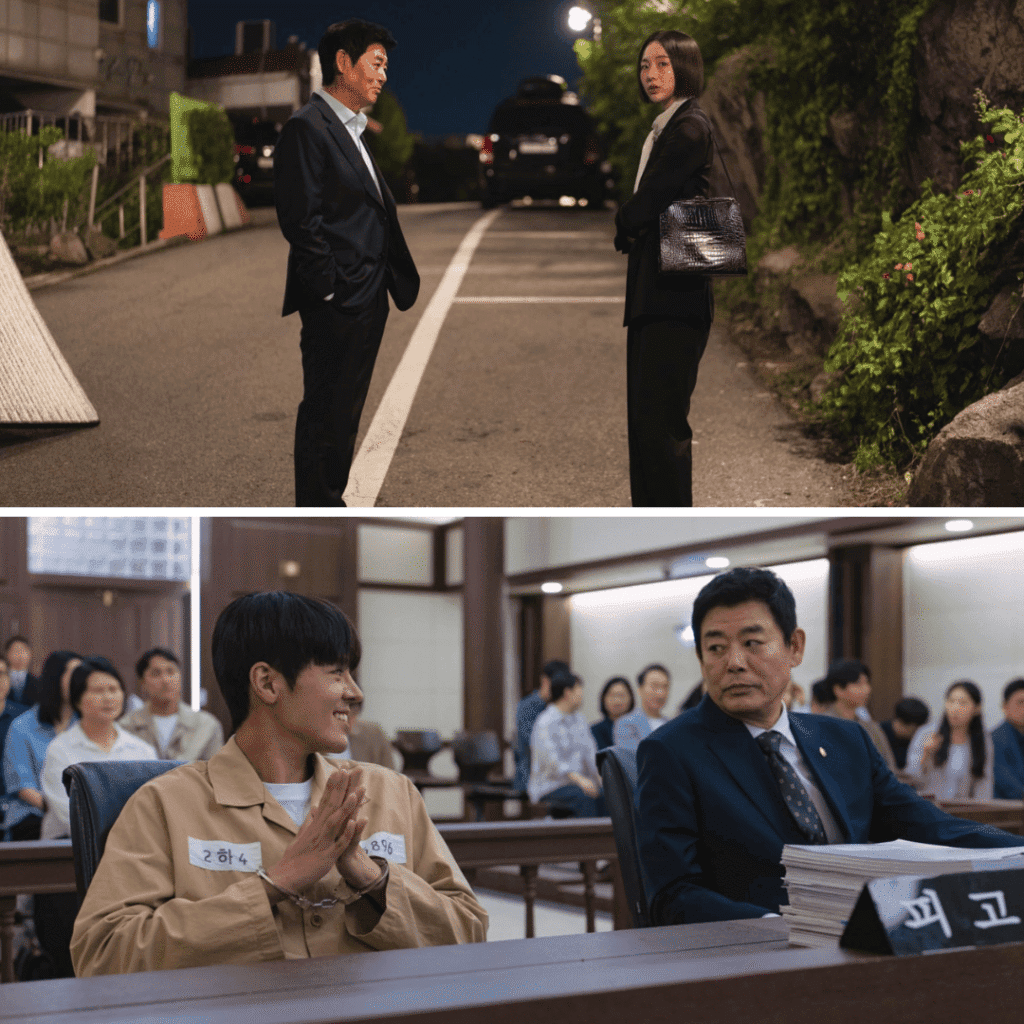
The Character Dichotomy: Law vs. Hope
Cha Yi-yong (Prosecution): She is obsessed with “Legal Purity.” While her rigidity might blind her to complexity, she represents the necessary barrier against chaos. She correctly argues that scientific advancement cannot be used to retroactively dismiss murder.
Park Han-jun (Defense): He is the “Tragic Mirror.” Woo-gyeom specifically selected him because of his terminally ill daughter. Han-jun has already been scammed by false cures once; his desperation makes him the perfect tool for Woo-gyeom’s manipulation.
Their dichotomy embodies the show’s central tension: law versus hope, principle versus survival, the good of all versus the love of one.
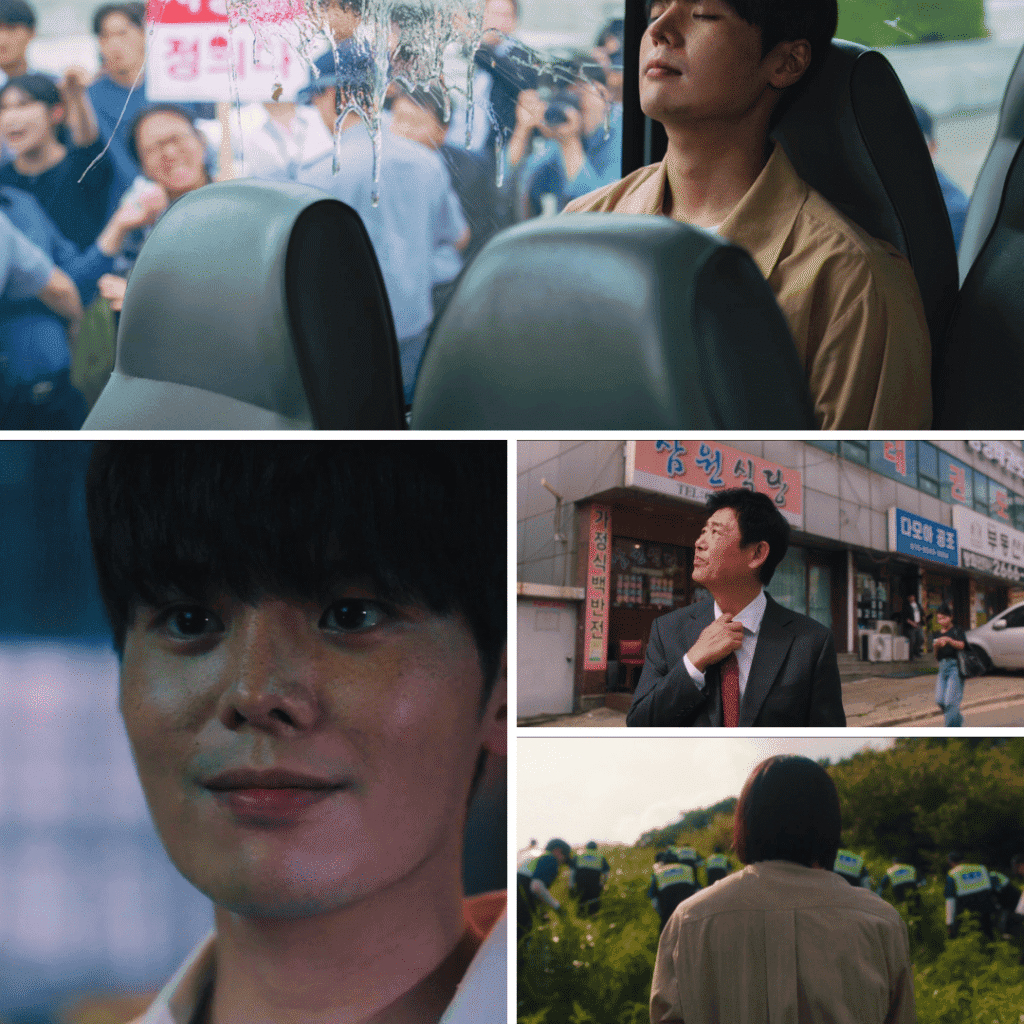
The Ambiguity: Is Woo-gyeom’s Cure a Scam?
By episode 4, the Bloody Flower review must address the “Coma Mystery.” Woo-gyeom was in a coma for three years, treated by a Dr. Han who was researching similar blood therapies. This raises the “Frankenstein” question: Did Woo-gyeom actually discover this cure, or did he simply steal and “adjust” his teacher’s work while in a state of narcissistic delusion?
My prediction? The cure is incomplete or stolen. If the cure is found to be unreliable, the entire ethical debate collapses, and Woo-gyeom is revealed as nothing more than a calculating monster who manipulated a grieving father under emotional duress.
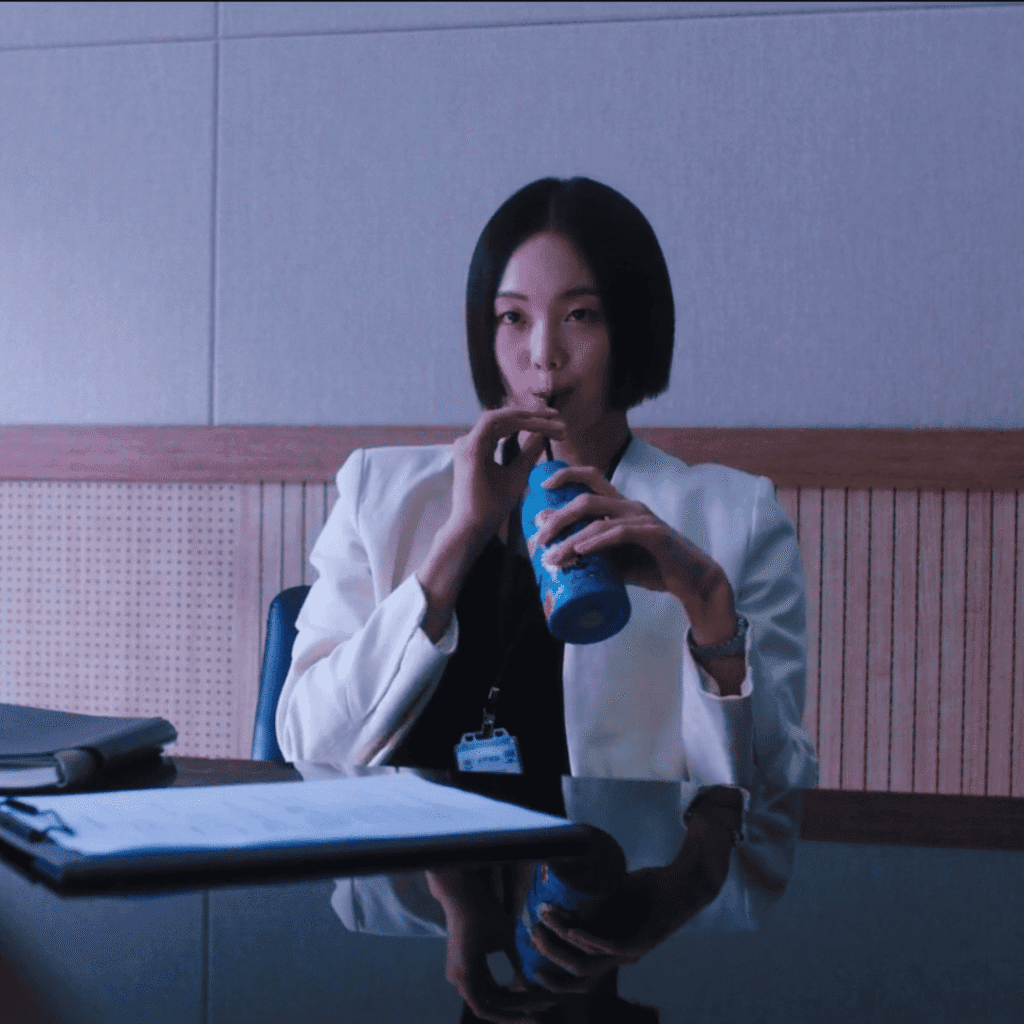
Bloody Flower Review: Final Thoughts
Ultimately, if he is executed, we may feel a hint of discomfort at what was lost, but we will feel moral reassurance. Even if the cure works, it could potentially be harvested without his consent much like the case of Henrietta Lacks and her “immortal cells.”
Justice and utility aren’t mutually exclusive. The cure can outlive the killer, but the killer must still pay for the lives he classed as expendable. Much like the cases I’ve discussed in my No Other Choice Review, the end cannot justify the means.
7.5/10 for episodes 1-4. A morally destabilizing thriller that trusts its audience to sit with discomfort. I’ll be watching the remaining episodes through my fingers.
What is Bloody Flower about?
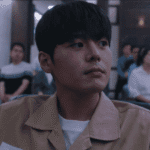
A confessed serial killer, Lee Woo-gyeom, admits to 17 murders but claims he developed a blood cure for incurable diseases. He demands court-ordered demonstrations to prove it before his execution, forcing a prosecutor and a desperate father to confront whether justice can coexist with potential medical breakthrough.
Is Bloody Flower based on a true story?

No, it is based on the novel The Flower of Death by Lee Dong-geon but it echoes medical ethics debates and historical cases like Henrietta Lacks, whose cells were used without consent for decades of research.
Where can I watch Bloody Flower?

Bloody Flower is available on Disney+, Kocowa+, Viu and Prime Video. Episodes 1-4 are currently streaming.
Who stars in Bloody Flower?
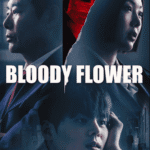
Ryeo Un, Sung Dong Il, Keum Sae Rok
What is the price of a cure? If a monster held the key to your child’s survival, would you demand justice or the syringe? Let’s debate the utility of murder in the comments.
Disclaimer: This blog is for informational and entertainment purposes only. All copyrights and trademarks for the TV shows, films, and other media referenced are the property of their respective owners. This blog aims to provide original commentary and insights and claims no ownership over third-party content.