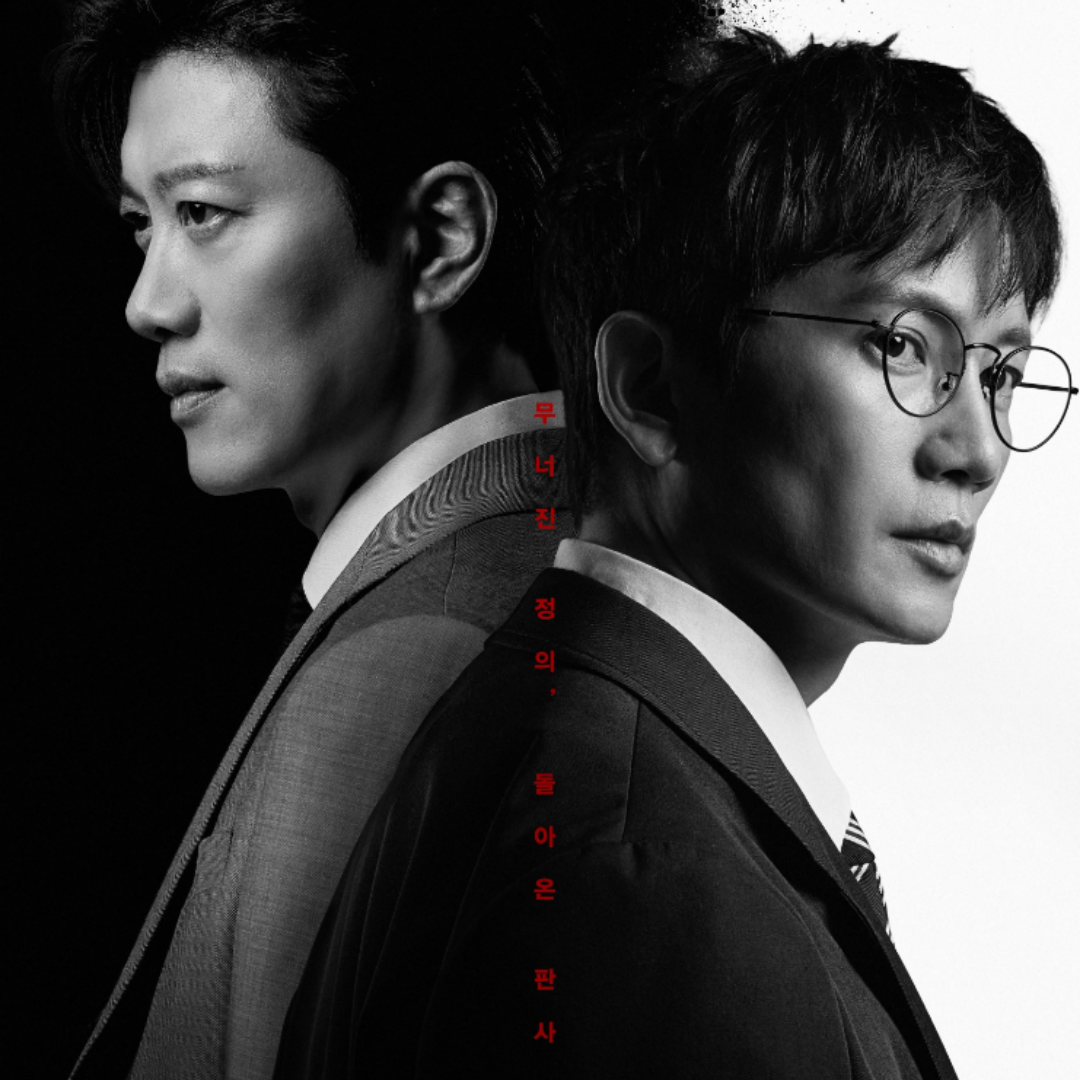
The Judge Returns Episodes 1-4 Review: Justice, Power, and a Dangerous Second Chance
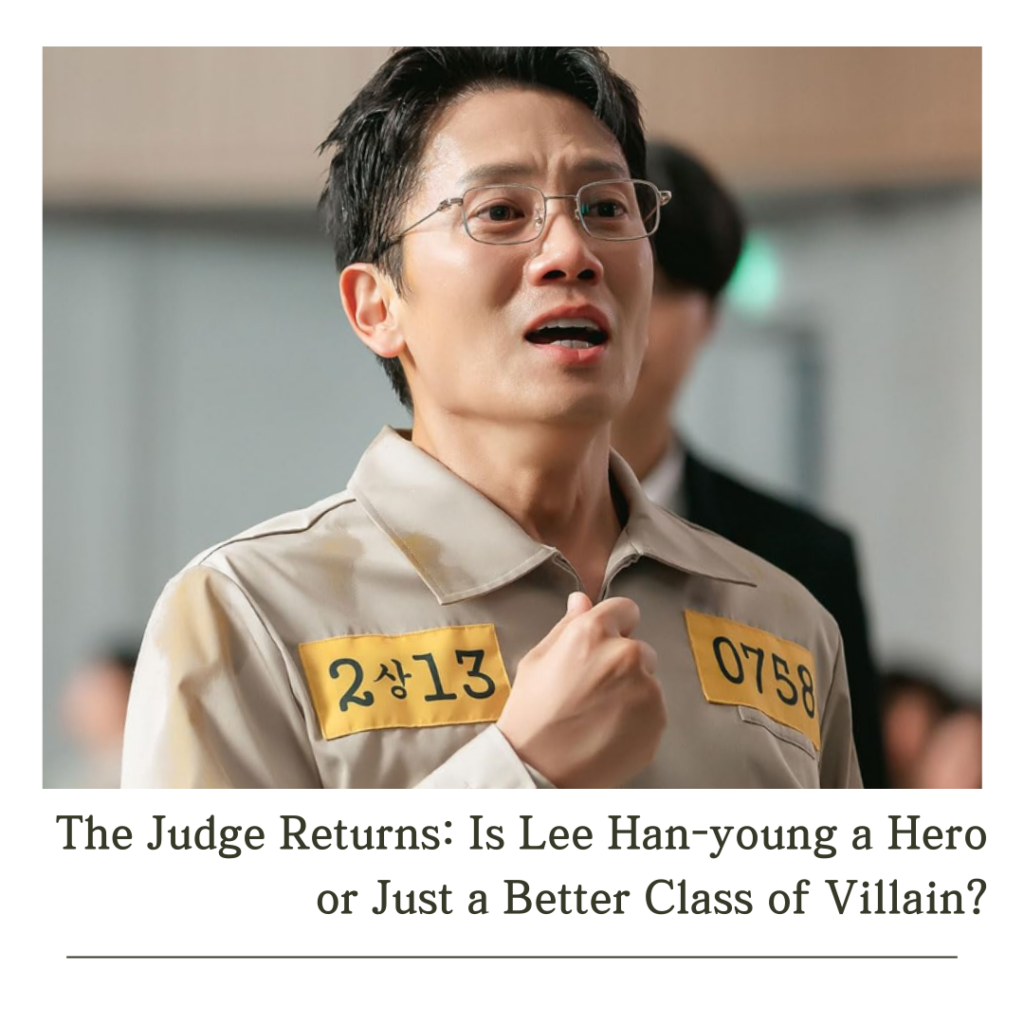
What if you got ten years back and realized the problem was never the system alone, but how easily you learned to work around it?
The Judge Returns Episodes 1-4 Review Quick Take: The Judge Returns (2026) grabs you early with rage, corruption, and spectacle, then quietly unsettles you by asking whether punishment without restraint is any better than the system it claims to fix.
A Second Chance That Starts in the Rain
The opening episodes make it clear: this show is here to rock the boat. We meet Lee Han-young, a man who survived by staying quiet, signing off on the wrong decisions, and telling himself his “lapdog” status for Haenal Law Firm was temporary. That illusion collapses when his superiors order his murder in the pouring rain.
His death doesn’t feel tragic; it feels inevitable. When the story resets his life ten years earlier, the drama doesn’t frame this as a blessing. It feels like a test he already knows how to fail. If you know exactly how everything goes wrong, do you fix the system, or do you fix outcomes one person at a time?
When Corruption is the Environment
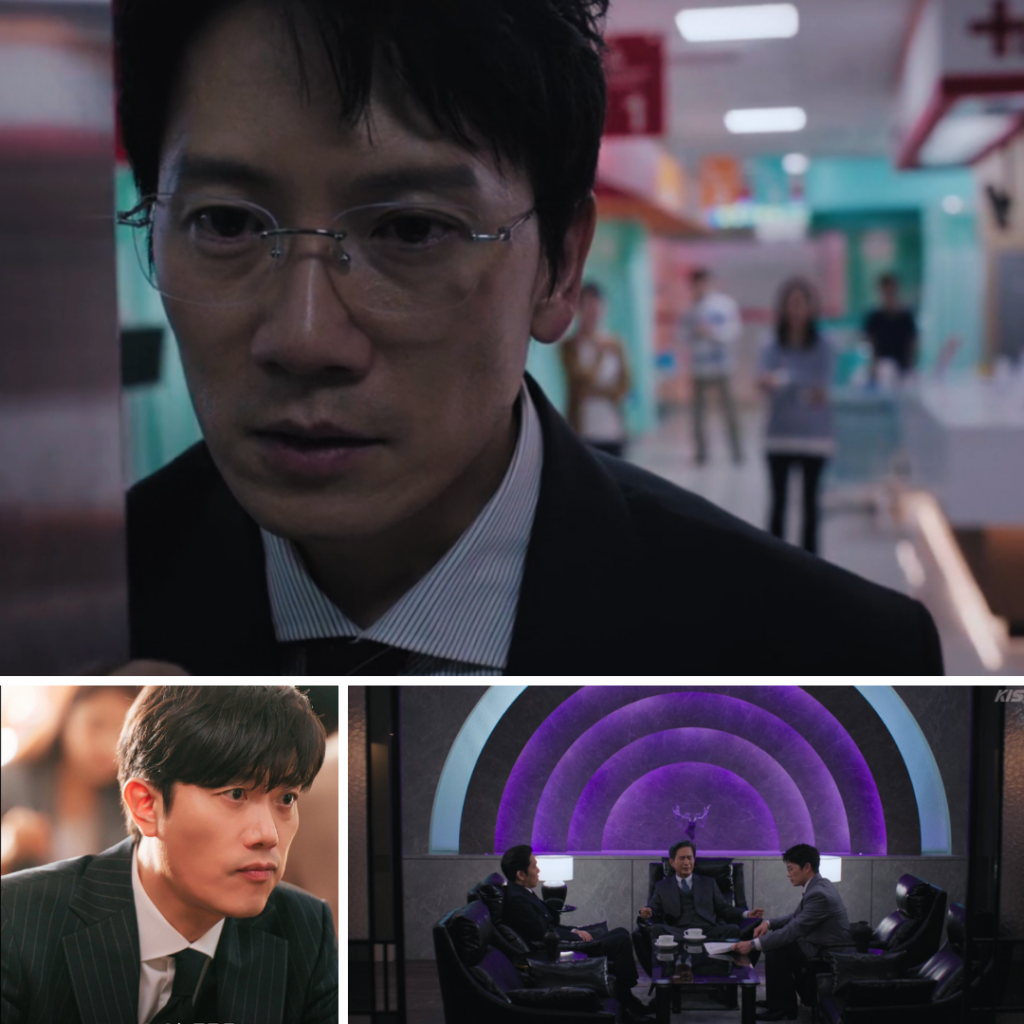
By Episodes 1 and 2, corruption isn’t a “twist,” it’s the air everyone breathes. We see this immediately in the Haenal Group’s influence, where judges and corporate interests move in such perfect sync that resistance feels almost childish.
What disturbed me most was not a single villain, but how normalized it all felt. A judge willing to ignore evidence. A CEO sitting smugly in court aware that his sentence has already been negotiated. In 2035 it is clear that wealth does not just influence outcomes, it guarantees them.
The homeless removal system introduced early on feels less like a plot device and more like a logical endpoint of a society that has already decided who deserves protection. This is where the drama shifts from revenge fantasy to systemic critique.
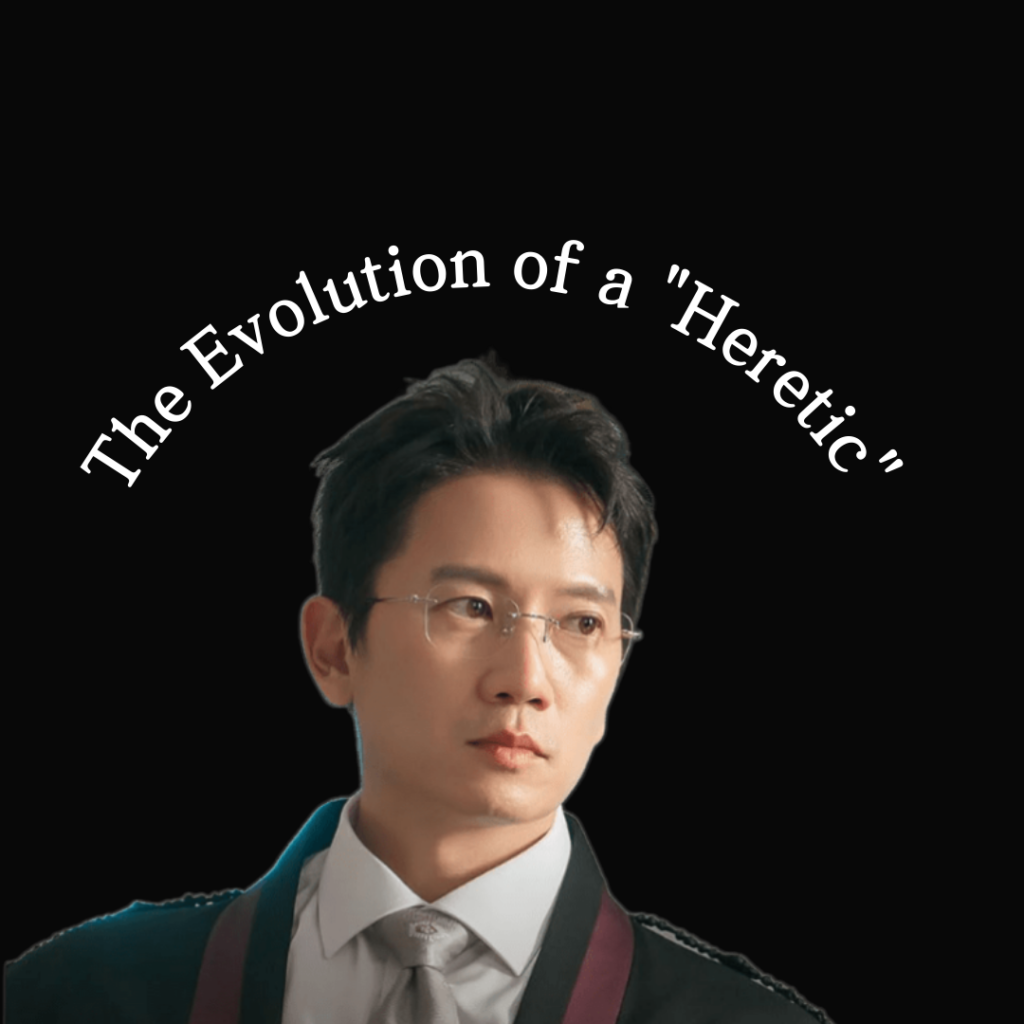
Han-young: Crossing Lines in the Reset
Han-young isn’t a villain; he’s a coward shaped by the system. But in this reset timeline, he has a speedy adjustment and a more violent take on justice.
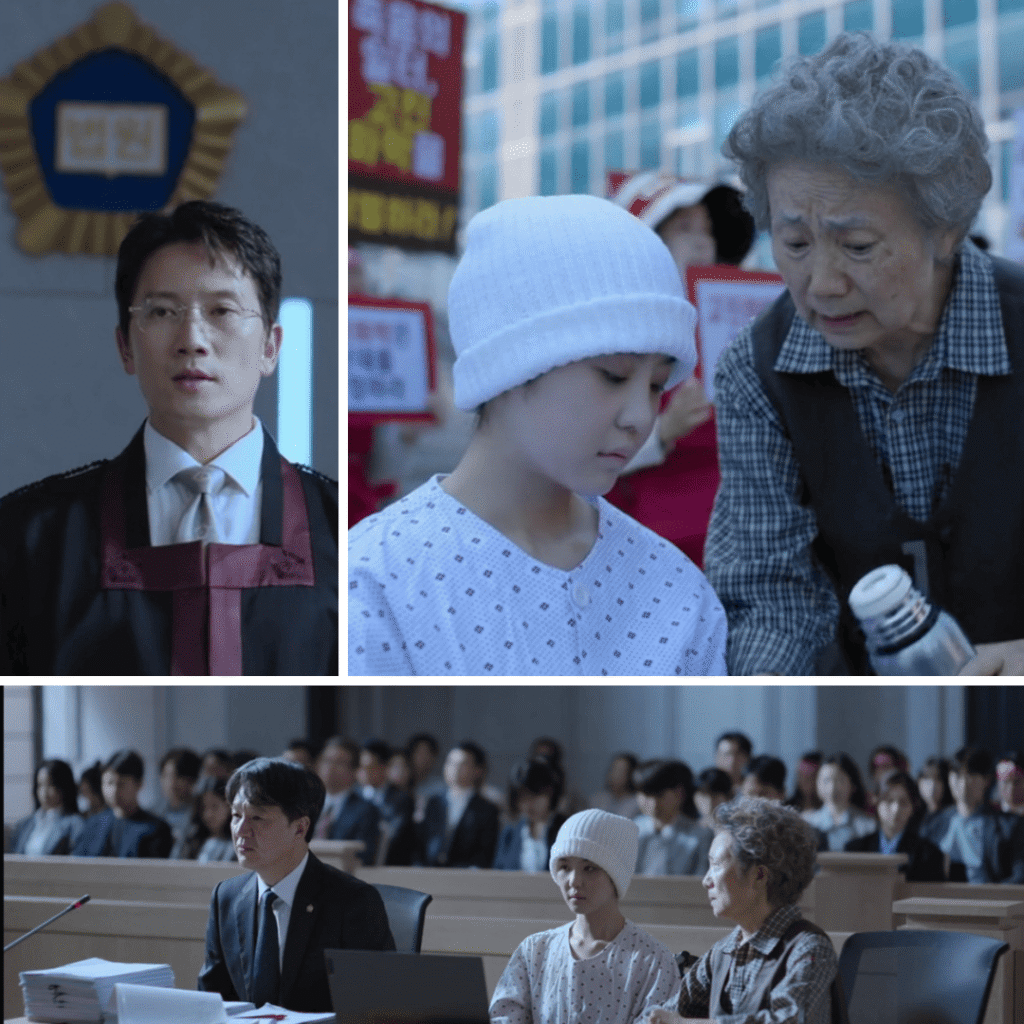
By Episodes 3 and 4, we see him stop waiting for the law to work. The Insurance Murder Case is the turning point. Instead of following the grueling pace of procedure, Han-young orchestrates a theatrical courtroom reveal that feels more like a staged execution than a trial. Using his knowledge of the “future,” he doesn’t just present evidence, he plays the defendant like an instrument.
He “predicts” lies before they are even spoken, effectively turning the witness stand into a trap. It’s a chilling display of psychological dominance. He is no longer protecting the sanctity of the court; he is weaponizing his foreknowledge to force a “correct” outcome. Justice is no longer a process to him, it’s a weapon he’s finally learned how to aim.
Justice Without Due Process
The early death sentence handed down in the altered timeline is the clearest example of the show walking a dangerous line. In the moment, it plays like justice winning. Corruption is punished. Power is confronted.
But the question lingers: Is this justice, or panic dressed up as righteousness? Han-young isn’t fixing the system; he is rewriting it around himself. The show seems less interested in whether he is “right” and more interested in what this vigilante path costs his soul. And I find it both intriguing and uncomfortable to watch.
Jin-ah: The Parallel Fight
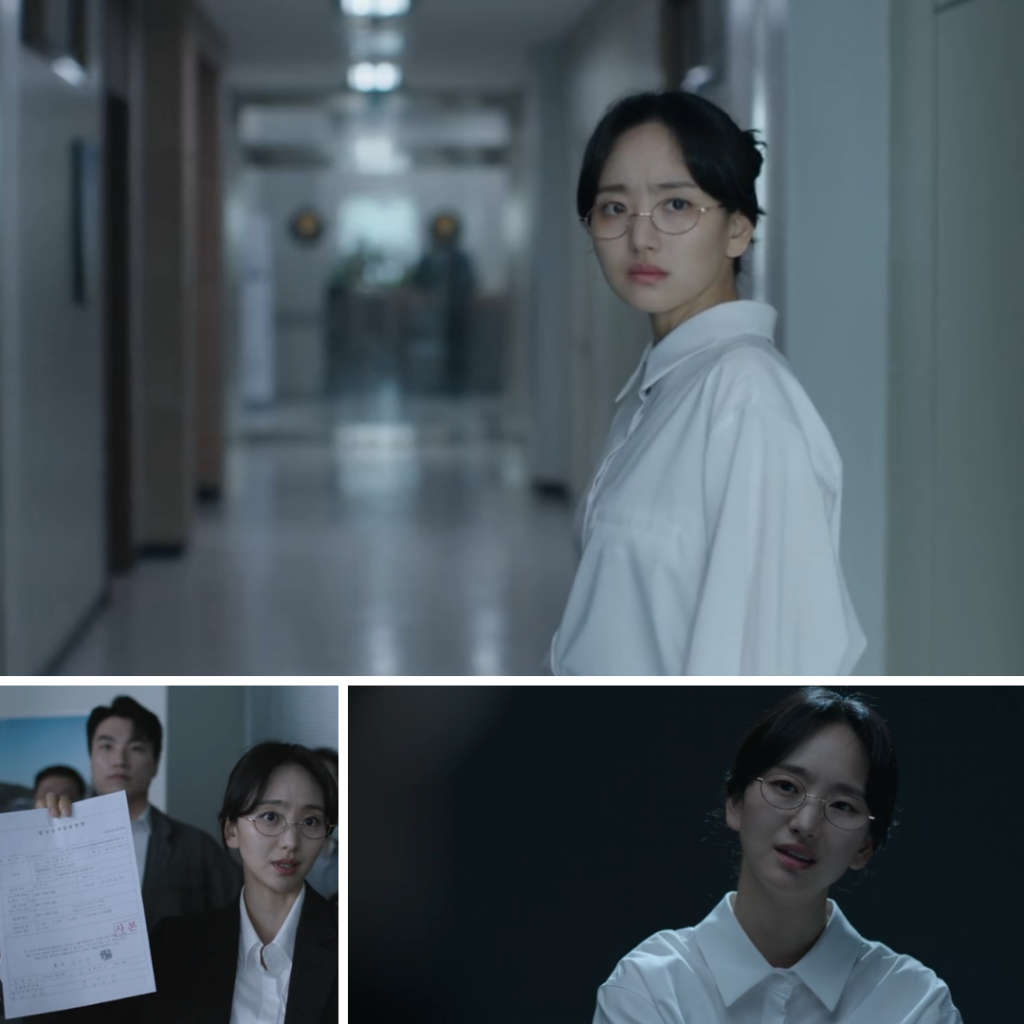
Prosecutor Kim Jin-ah (Won Jin-ah) feels righteous, idealistic, and slightly behind the curve. She believes in procedure in a world that has already moved past it.
While Han-young bends rules to force outcomes, Jin-ah still believes exposure will matter. What interests me is whether the show will let her stay clean, or if the gravity of the military service corruption scandal will eventually demand a “dirty” compromise from her, too.
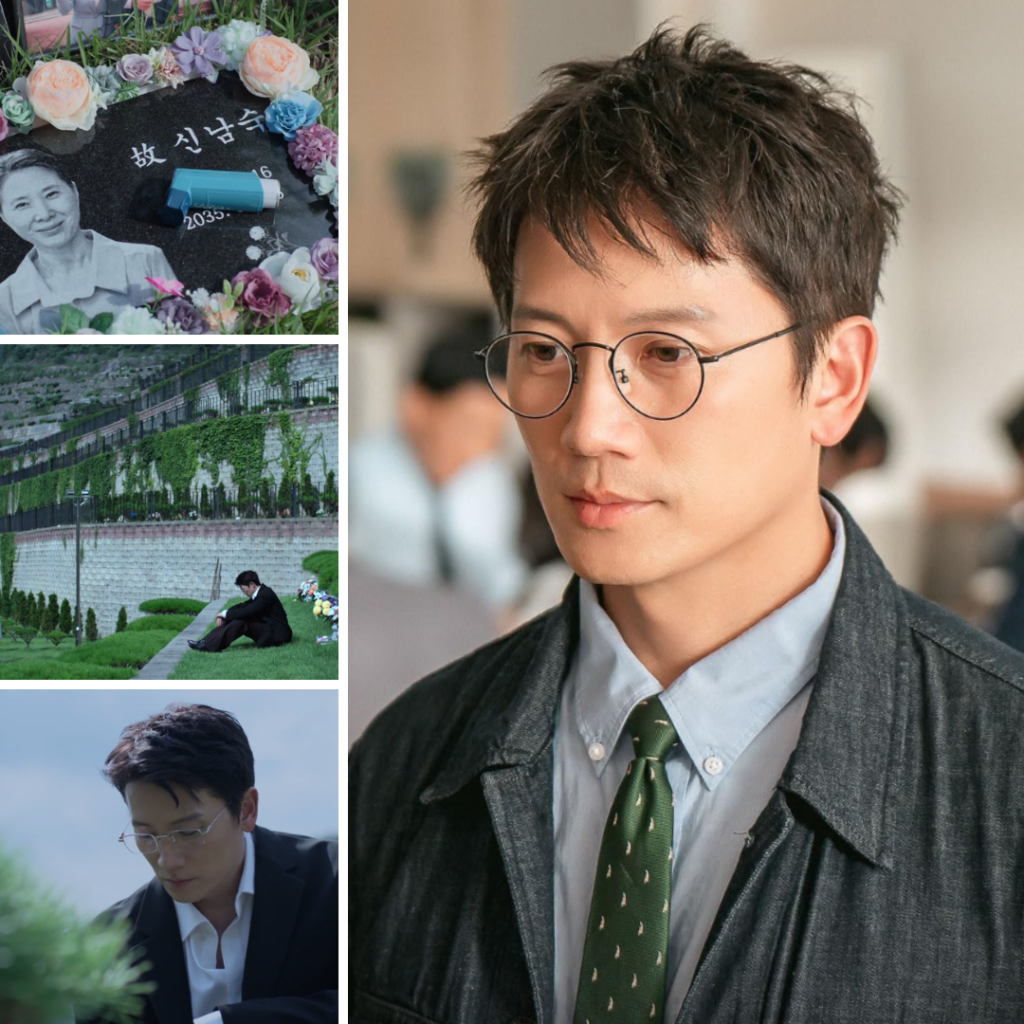
The Verdict: Why You Should Watch
So far, The Judge Returns wants to punish the guilty more than save the innocent. That imbalance feels intentional. Deaths hit hard, but the story moves forward, driven by correction rather than healing.
Watch if: You love The Devil Judge or Vincenzo, but want something with a darker, more philosophical edge regarding “second chances.” Skip if: You need a hero who stays strictly within the lines of the law.
I’ll leave you with this: If you had a second chance, would you trust yourself to use it well, or would you be tempted to rewrite the rules entirely?
Tell me in the comments. I am genuinely curious where you land.
Suggested Related Reading
- [The Manipulated Review Episodes 1–4: How a Prison Creates Its Own Monsters] – Explore how power reshapes morality from the inside.
- [The Price of Confession Review: Truth, Guilt, and Psychological Games] – For those fascinated by the weight of responsibility and consequence.
Check back next week for my analysis of Episodes 5 & 6 as we see if Han-young’s ‘theatrical justice’ finally catches up to him.
Disclaimer: This blog is for informational and entertainment purposes only. All copyrights and trademarks for the TV shows, films, and other media referenced are the property of their respective owners. This blog aims to provide original commentary and insights and claims no ownership over third-party content.




One Comment