

When Life Gives You Tangerines Review: Mid-Season Impressions of Netflix’s Freshest K-Drama
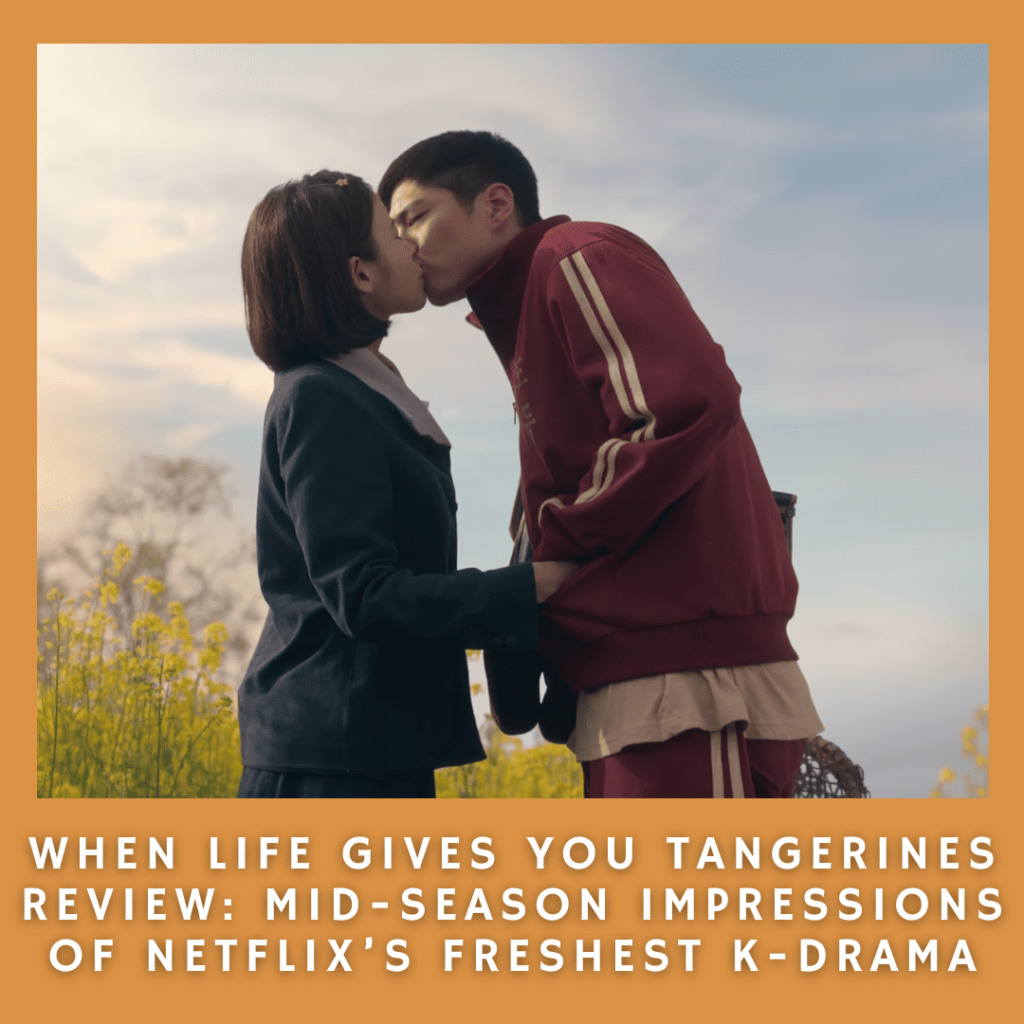
First Squeeze: How “When Life Gives You Tangerines” Opens
When Life Gives You Tangerines Review: The opening of gently yet poignantly pulls us into the lives of its characters. We’re introduced to an old woman in a care home, wandering to the beach and calling out for her mother.
As the narrative folds back into her memory, we meet her younger self, Oh Ae Sun, daughter of Jeon Gwang Rye, a resilient diver (Haenyeo) on Jeju Island. Right from the start, it’s clear this is a story about survival, community, and longing which is exactly what I’ll unpack in this When Life Gives You Tangerines Review.
Ae Sun’s childhood is steeped in hardship. She lives with her grandmother, separated from her mother who has remarried, and her life is marked by hunger and isolation. Her loyal admirer, Yang Gwan Sik, quietly looks out for her, even ensuring there’s enough fish for her to eat.

This early introduction to their relationship, his puppy love, her guarded ambition sets the tone for what becomes an enduring bond throughout the series.
Episode 1 immediately captivated me. The warmth of the divers’ close-knit community, contrasted with the struggles of poverty and family separation, is beautifully framed.
Ae Sun’s relationship with her mother is heartfelt and heart-wrenching, particularly when her mother’s failing health leads to her premature death. Gwan Sik becomes Ae Sun’s anchor, helping her grieve, survive, and carve out her future.

Worth the Peel: Ae Sun & Gwan Sik’s Journey
By Episode 8, Ae Sun’s character growth is the standout. She starts as a girl with dreams of becoming President, yet life repeatedly tests her resilience.
Denied her college tuition by her stepfather and new stepmother, Ae Sun runs away to Busan with Gwan Sik. But life on the run exposes the grim realities for young, unregistered individuals, robbed, mistreated, and ultimately forced to return to Jeju.
The gender disparities are stark. Gwan Sik is welcomed back to school, but Ae Sun is expelled. Still, her determination persists. She tries to marry into wealth, seeking escape from her circumstances, but faces humiliation and suspicion instead. Ultimately, it’s Gwan Sik’s unwavering loyalty and love that draws her back.
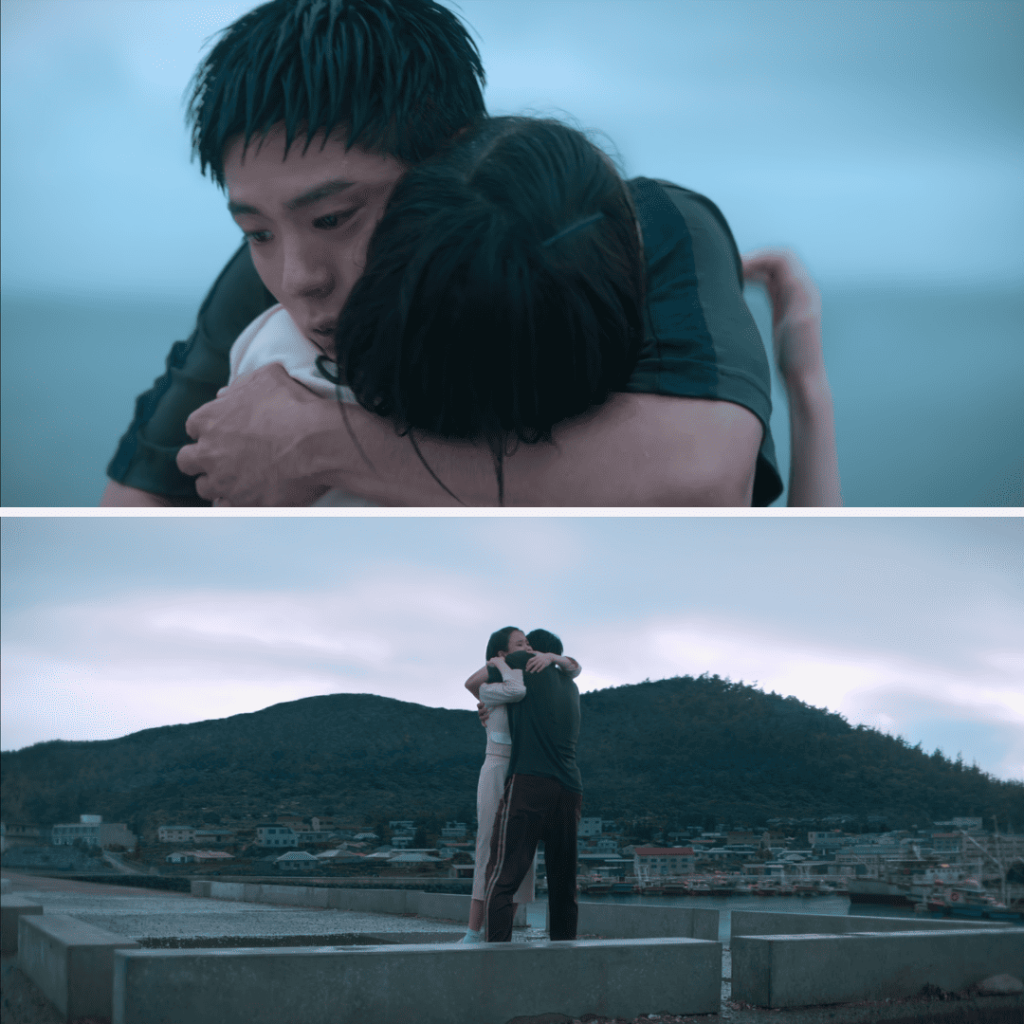
Married life isn’t smooth. Gwan Sik’s family, particularly his mother and grandmother, make Ae Sun’s life difficult. Despite that, they build a family and slowly work toward financial independence, supported by Ae Sun’s grandmother’s touching intervention.
Yet, tragedy strikes with the heartbreaking loss of their son, Dong Myeong, during a storm, a moment that leaves lasting scars on both Ae Sun and Gwan Sik.
Watching their journey from struggling youth to devoted parents, weathering societal inequalities, familial pressures, and personal grief, is deeply affecting. Their growth feels authentic, layered, and poignant.

Tangerine Ripeness Check: Generational Echoes & Life’s Complicated Glory
The mid-season episodes (5-8) delve into generational cycles and how children often mirror their parents’ struggles and strengths. Ae Sun and Gwan Sik’s daughter, Geum Myeong, faces challenges in school and society, highlighting familiar themes of class discrimination, gender bias, and resilience.
There’s a clever mirroring of Ae Sun and Gwan Sik’s own youthful hardships in their daughter’s experiences creating a generational echo throughout the narrative.
One particularly powerful thread is how grief is handled. After Dong Myeong’s death, the family has just three days to mourn before needing to shoulder life’s responsibilities again. Their silent endurance says volumes about societal expectations and parental sacrifice.
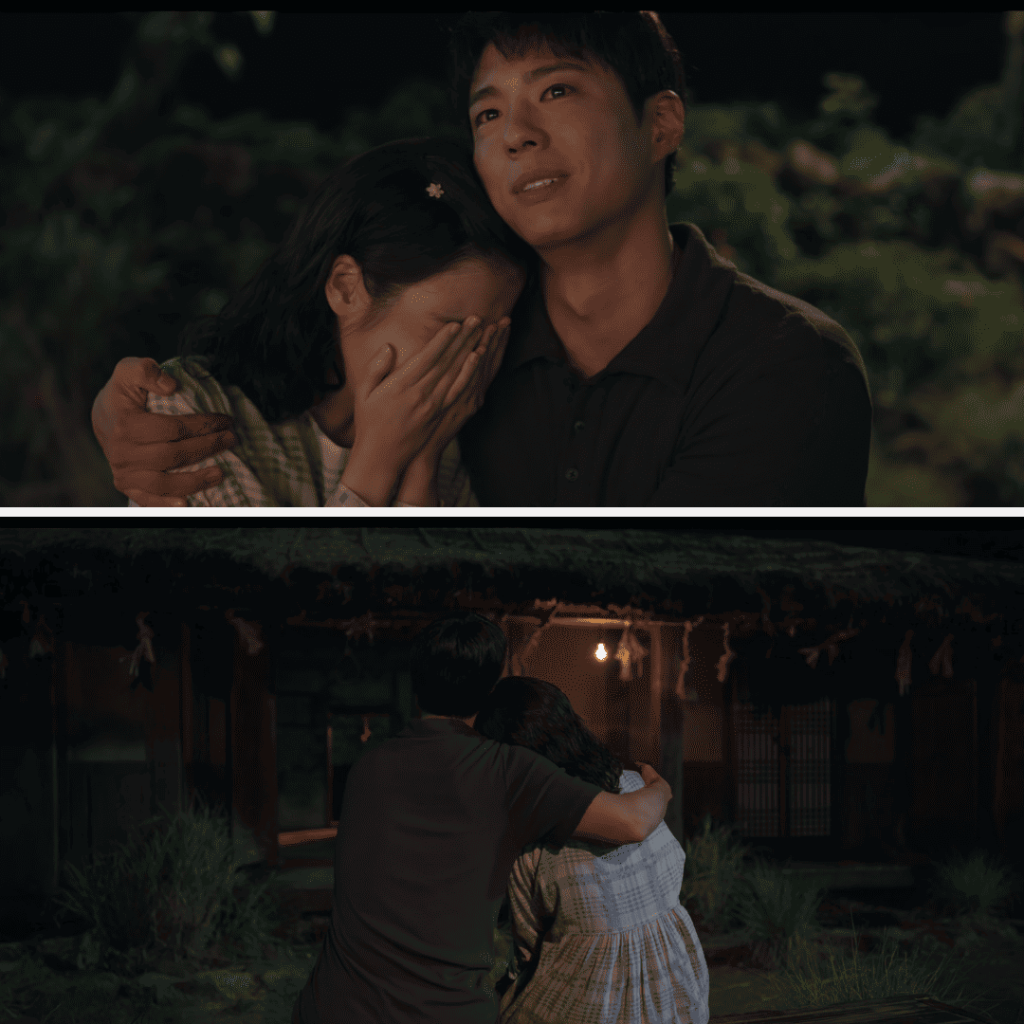
When Life Gives You Tangerines Review: Love, Loss & Liberation
Several themes emerge strongly in the first eight episodes: poverty, gender inequality, parental sacrifice, loss, class divides, and the push-pull of youthful dreams versus adult responsibilities. What stands out is how effectively the drama portrays these themes without ever veering into melodrama.
The emotional core is rooted in the unwavering love between Ae Sun and Gwan Sik whether as children chasing cabbages or parents burying their son’s memory deep within themselves. It’s a nuanced portrayal of survival, duty, and generational healing.
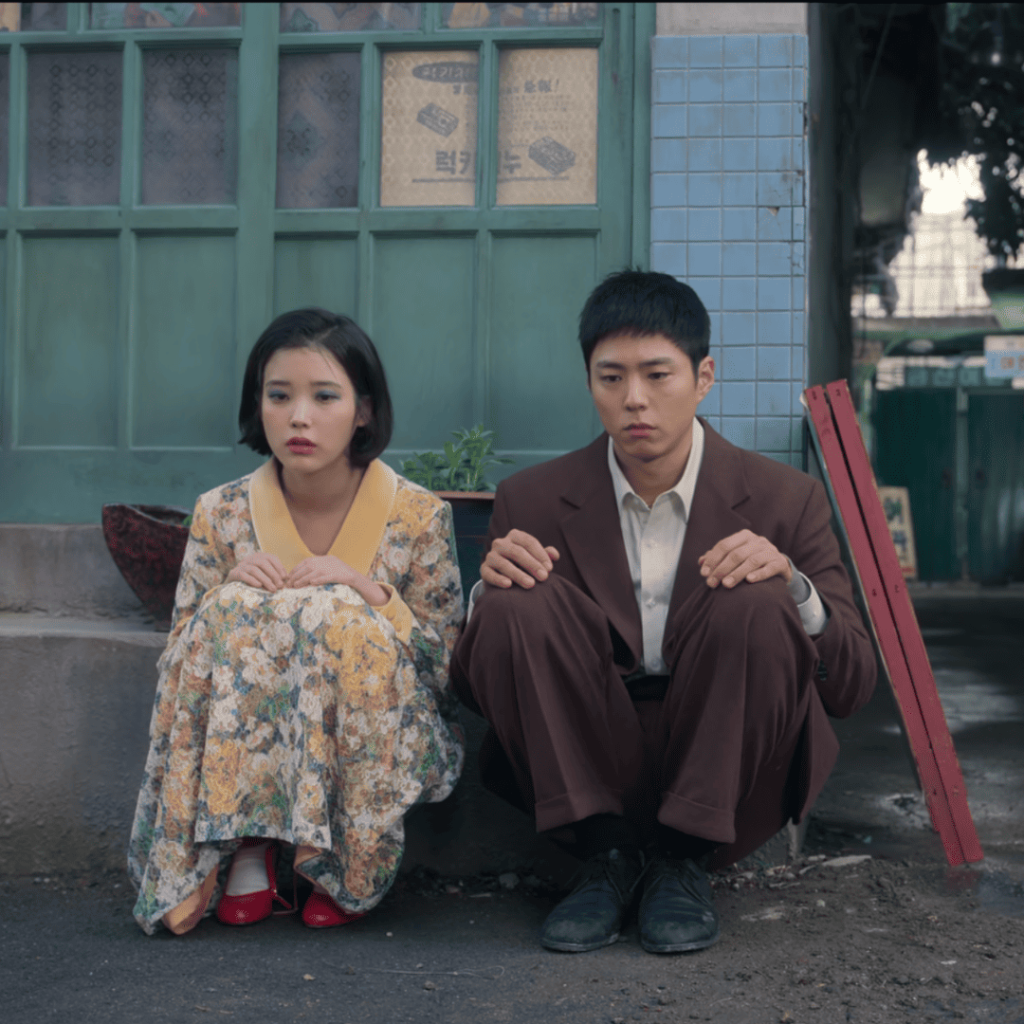
Theories, Hopes & Fears: Where Do We Go From Here?
The framing device of Ae Sun in an old people’s home hints at possible memory loss or dementia. It’s unclear whether Gwan Sik is still alive, but the quiet flashbacks suggest a tender but bittersweet closing chapter ahead. My hope is that their children, having seen their parents’ sacrifices, get to live a life of fewer hardships and more freedom.
The drama has expertly laid the groundwork for emotional payoffs, and I anticipate further revelations about Ae Sun and Gwan Sik’s later years.

Final Verdict: Should You Keep Watching “When Life Gives You Tangerines”?
Absolutely. When Life Gives You Tangerines captures life in all its complicated, bittersweet glory. The generational storytelling, strong character arcs, and emotional authenticity make it well worth the journey, even knowing more heartache may lie ahead.
Are you watching When Life Gives You Tangerines? Share your thoughts in the comments below!
P.S. If you loved the vivid coastal moods and intimate character studies here, keep an eye out for next week’s post where we dive into the emotional hues of Our Blues.
But in the meantime, want to check out another heartwarming drama with a touch of the supernatural? Don’t miss our thoughts on Light Shop—a quiet, luminous gem that will leave you feeling reflective and warm.
Disclaimer: This blog is for informational and entertainment purposes only. All copyrights and trademarks for the TV shows, films, and other media referenced are the property of their respective owners. This blog aims to provide original commentary and insights and claims no ownership over third-party content.






Can’t wait to read about the ending!