
THEM(2021) Review: Horror, Racism, and Resilience in One Gripping Series
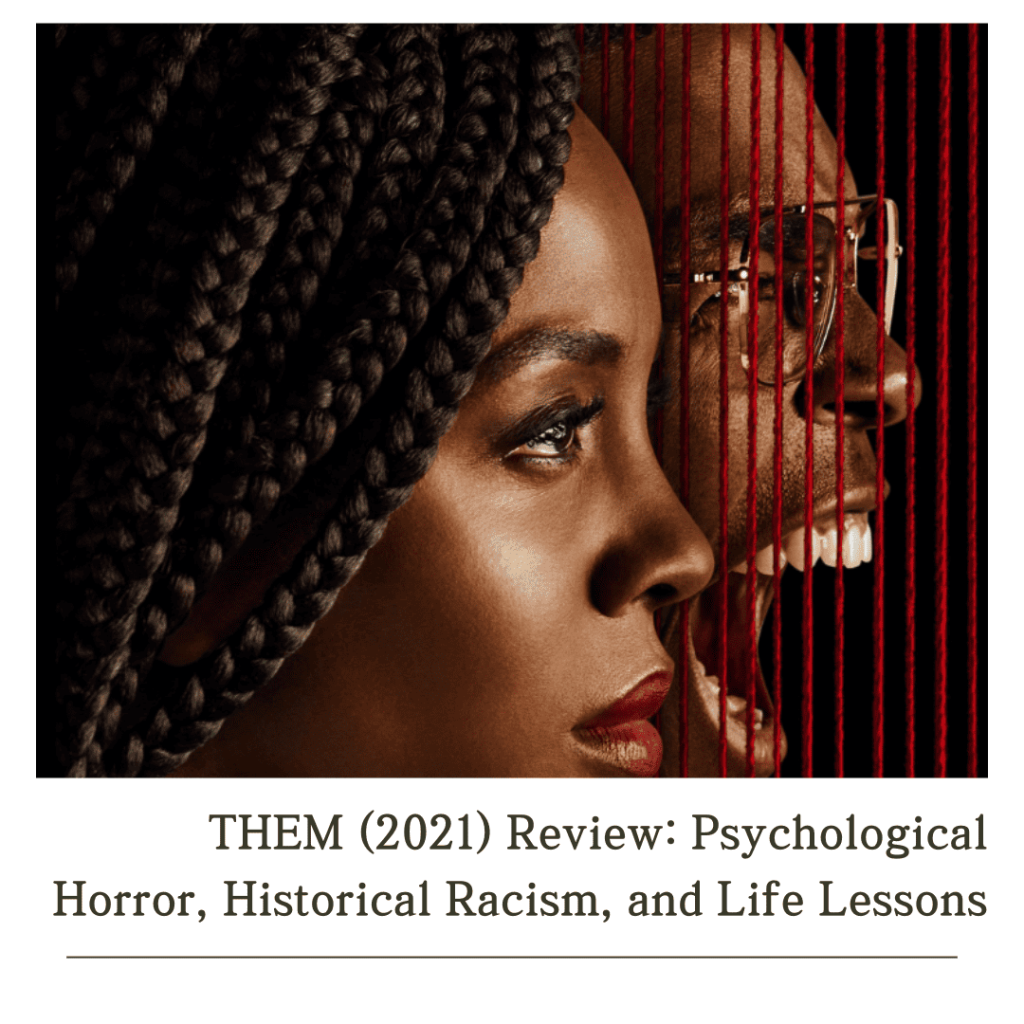
Imagine Moving Into Your Dream Home…Only to Be Targeted From Every Side
I started watching THEM (2021)because a YouTuber I follow mentioned it and said she was enjoying it. Honestly, that’s the only reason I clicked. I didn’t have any expectations going in, I wasn’t even sure what genre it was but I was hooked almost immediately.
From the first scenes, you can feel the tension: a Black family moves into a predominantly white neighborhood, and the hostility they face is relentless.
Quick Take: THEM isn’t about cheap jump scares . It’s about the horror of everyday life turned monstrous. It’s moody, emotional, and heavy with meaning: systemic racism as terror, family bonds under siege, and supernatural shadows that feel all too real.

Systemic Racism, Trauma, and Supernatural Terror: What Hits Hard
Watching this show, the themes of systemic racism, trauma, family, and horror all hit me at once. The series is rooted in the Great Migration, showing Black families moving to California to climb the social ladder, only to be targeted by neighbors who feel threatened.
The mother, father, and their children face hatred from every side, amplified by supernatural forces exploiting their vulnerabilities.

For me, it resonated deeply: the father was the first Black engineer at his company, the children were the first Black students in their schools, and the family’s only “fault” was existing in the skin they were born with.
The mother’s trauma from losing her baby in the past, and her struggle with mental health, layered even more horror onto their experiences. These elements made the show both tense and deeply reflective.
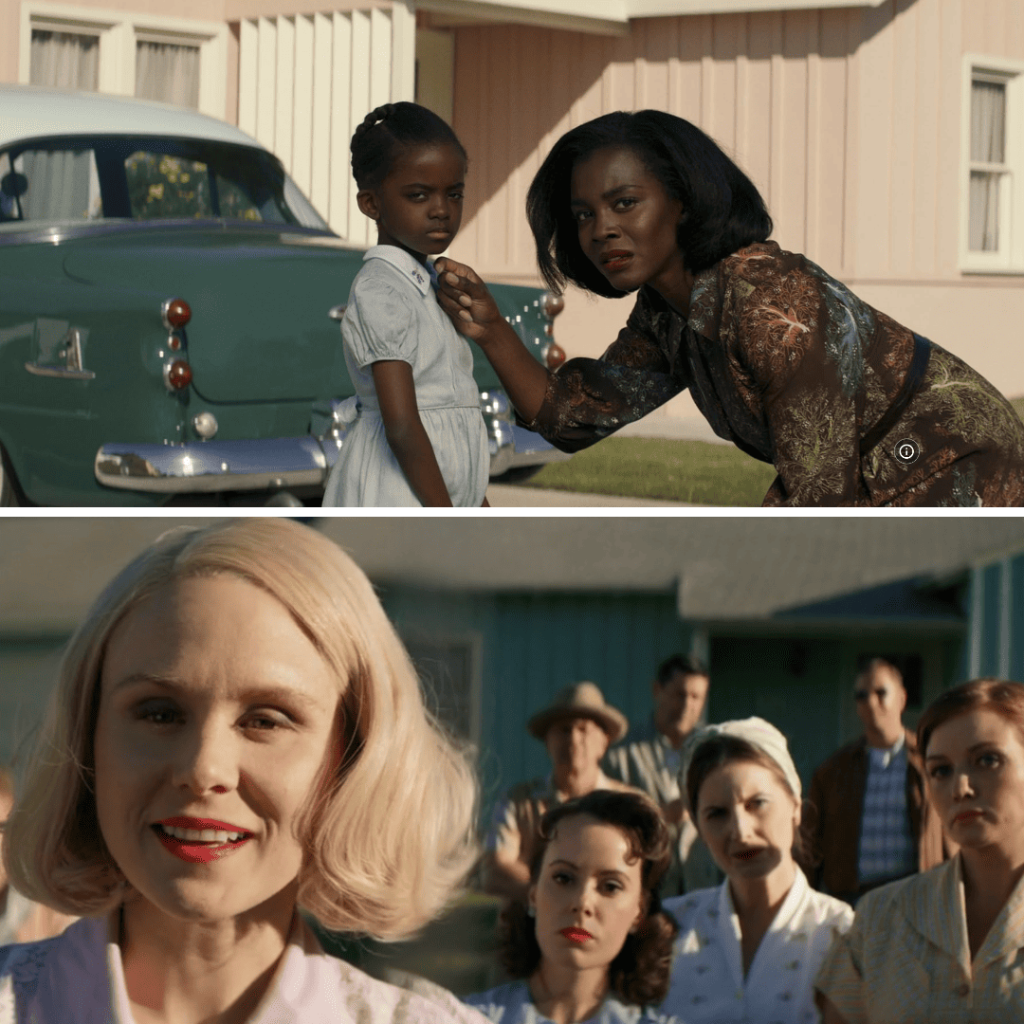
Haunted From All Sides: Character Archetypes and Their Struggles
The Insidious Neighbor (Betty): Uses community fear to systematically target the family, holding meetings, blasting radios, burning racial slurs into lawns, and employing symbolic intimidation like hanging dolls.
The Mother (‘Lucky’ Emory): Haunted by past trauma, institutionalized at one point, and yet carrying the weight of her family’s survival.
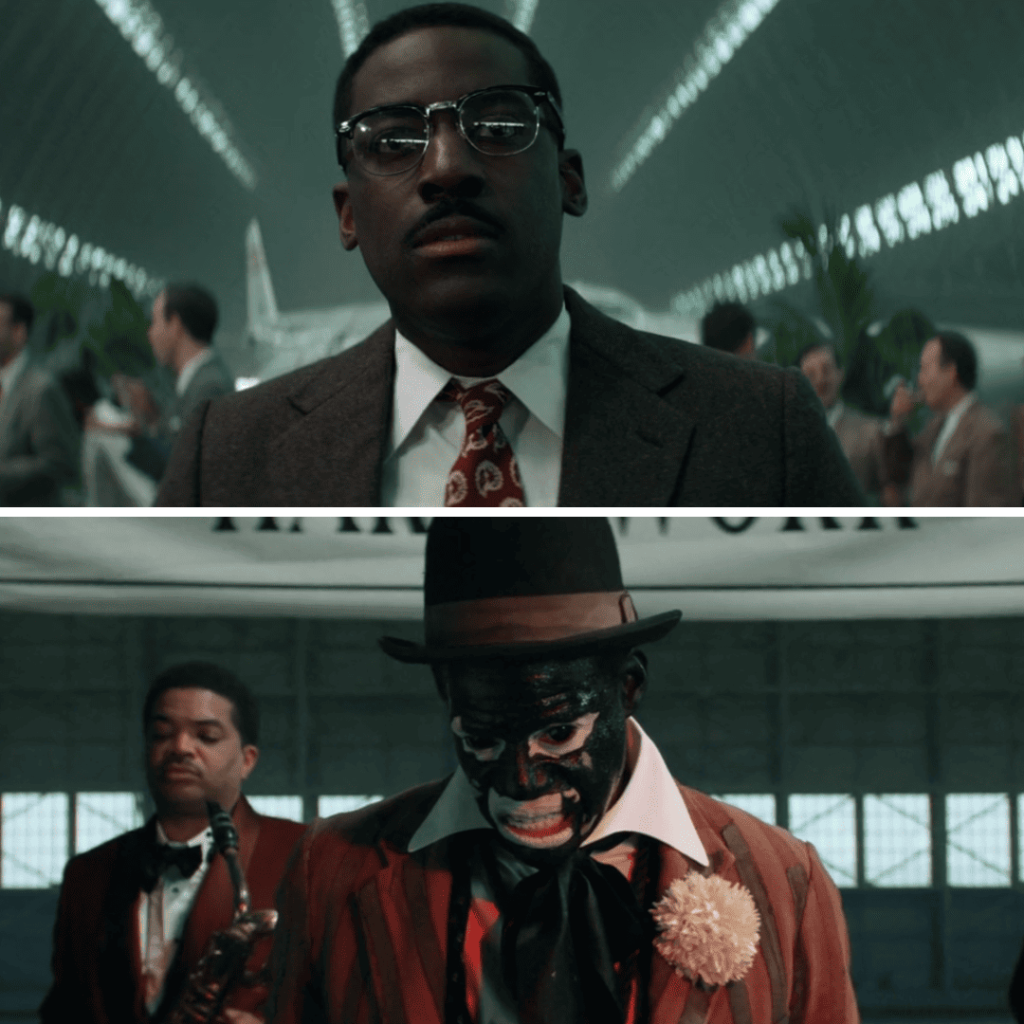
The Father(Henry Emory): Preyed on for his workplace struggles and the dual identity he must maintain, leading to violent supernatural encounters.

Teen Daughter (Ruby Emory): Social isolation at school exploited by a ghostly figure, pressured to conform in a terrifying spectacle.
Younger Daughter (Gracie Emory): Haunted through literature, fears reinforced by her mother’s trauma, showing the subtle ways horror can manifest.
Supernatural Antagonist (Priest/Blackface figure): Exploits personal and racial vulnerabilities, blending psychological and real-world horror seamlessly.
THEM (2021): Finding Inner Strength and Resilience Amid Horror
The life lesson I took from THEM (2021) is that we may not be able to change our outward appearance or the differences society sees in us.
True resilience comes from embracing vulnerabilities, acknowledging the darker sides of our nature, and having faith in our nearest and dearest for support. Each character had to dig deep to find inner strength, a universal lesson in facing trauma, whether supernatural or systemic.

Similar Shows and Films Exploring Identity, Race, and Psychological Horror
If you enjoyed THEM (2021), you might also appreciate:
- Crash – explores identity and racial tension.
- The Underground – themes of slavery and systemic oppression.
- American Horror Story: Coven – historical racial cruelty and supernatural horror.
- Us, Get Out, Black Swan, Split – internal struggles, psychological horror.
- The Substance – connects well to similar thematic explorations.
Enjoy the Dark Lessons
Enjoyed this deep dive into THEM (2021)? Join my weekly newsletter for more essays exploring life lessons from TV, films, and dramas plus get your free 25 Dark Quotes E-book to start!
Disclaimer: This blog is for informational and entertainment purposes only. All copyrights and trademarks for the TV shows, films, and other media referenced are the property of their respective owners. This blog aims to provide original commentary and insights and claims no ownership over third-party content.