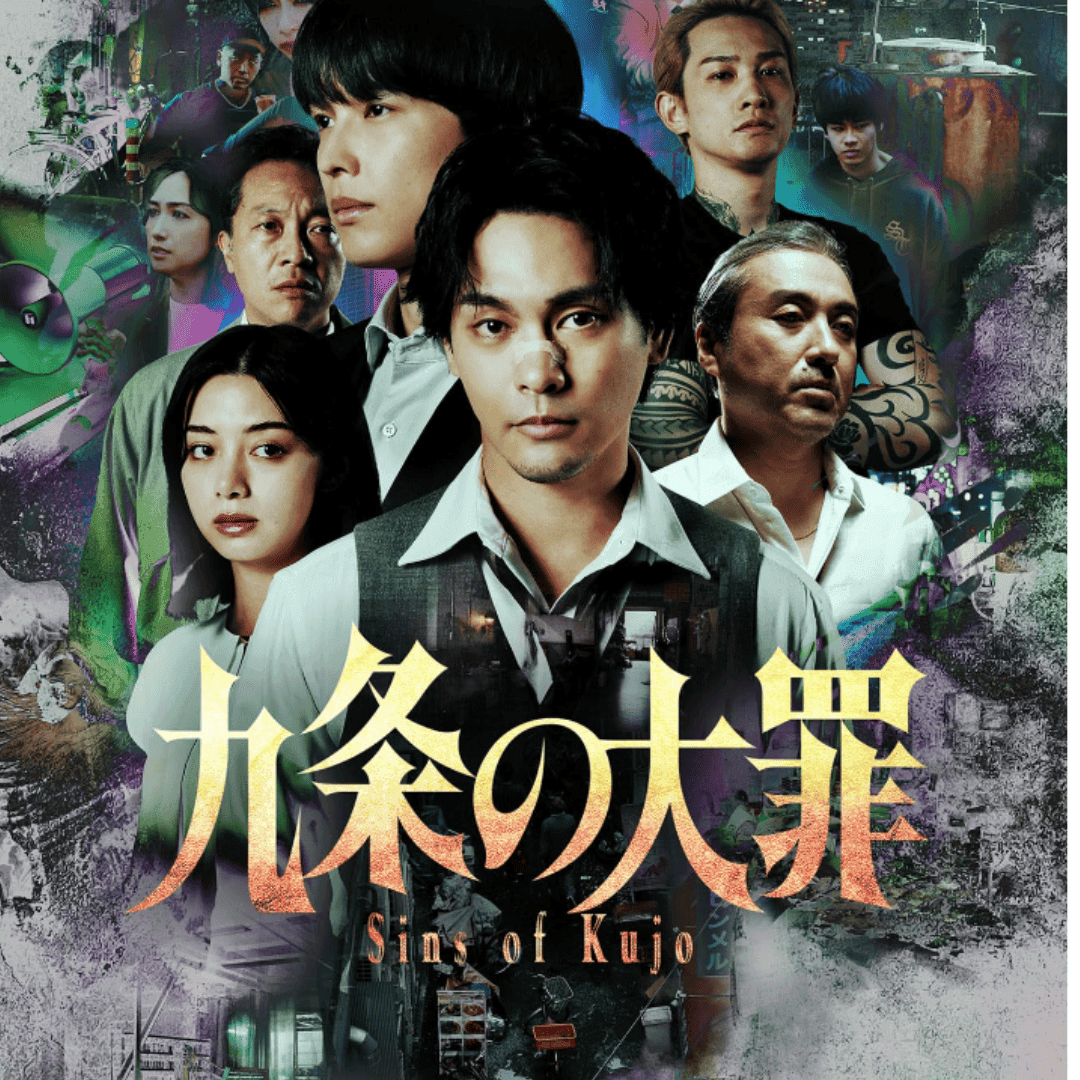
Sins of Kujo Review: Why the Guilty Deserve a Defense (2026)
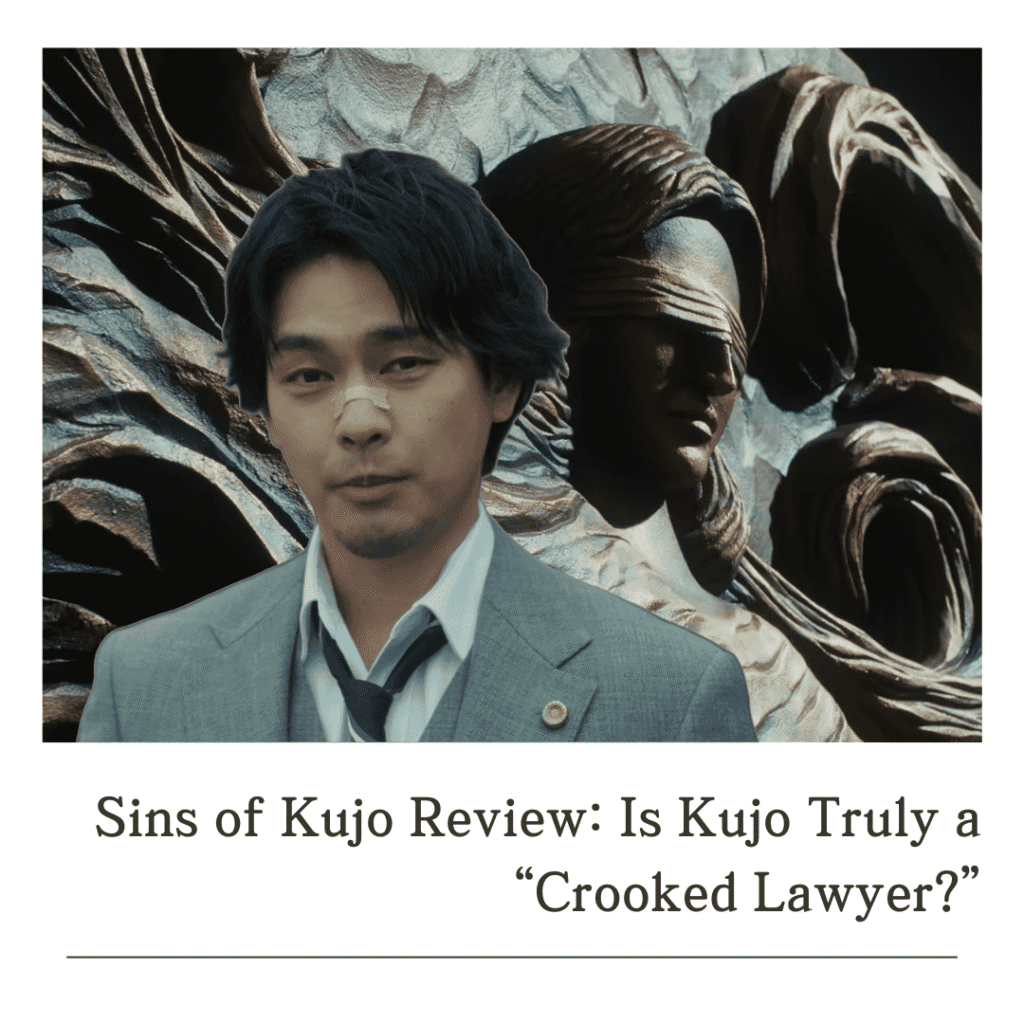
The law doesn’t protect people; it protects their rights. Understanding that distinction is the difference between an amateur and a professional.
The Verdict Box
Score: 8.5/10
The Vibe: A cold, surgical, and deeply philosophical legal drama that refuses to give easy answers.
Watch if you liked: Better Call Saul, Juvenile Justice, The Devil Judge.
Skip if: You believe the law should be driven by emotion rather than objective rights.
The Core Question: Is a "crooked" lawyer actually the most honest person in the courtroom?
The Objective Lens: Why Kujo Isn’t “Crooked”
In this Sins of Kujo review, we have to address the elephant in the courtroom: Kujo represents “bad” people. To the average viewer, this makes him a villain. But from a forensic legal perspective, Kujo is the most essential part of the machine.
As a law graduate, I see Kujo’s work as a necessity. The scales of justice are blindfolded because everyone—regardless of their moral character—must be equal under the law. If the guilty are denied a robust defense, the system ceases to be a justice system and becomes a star chamber. Kujo navigates the moral dilemma of represention by realizing that the court doesn’t protect lives; it protects legal rights. Exploiting loopholes isn’t “cheating”; it is ensuring the state meets its burden of proof.
Autonomy vs. Protection: The Tragedy of the System
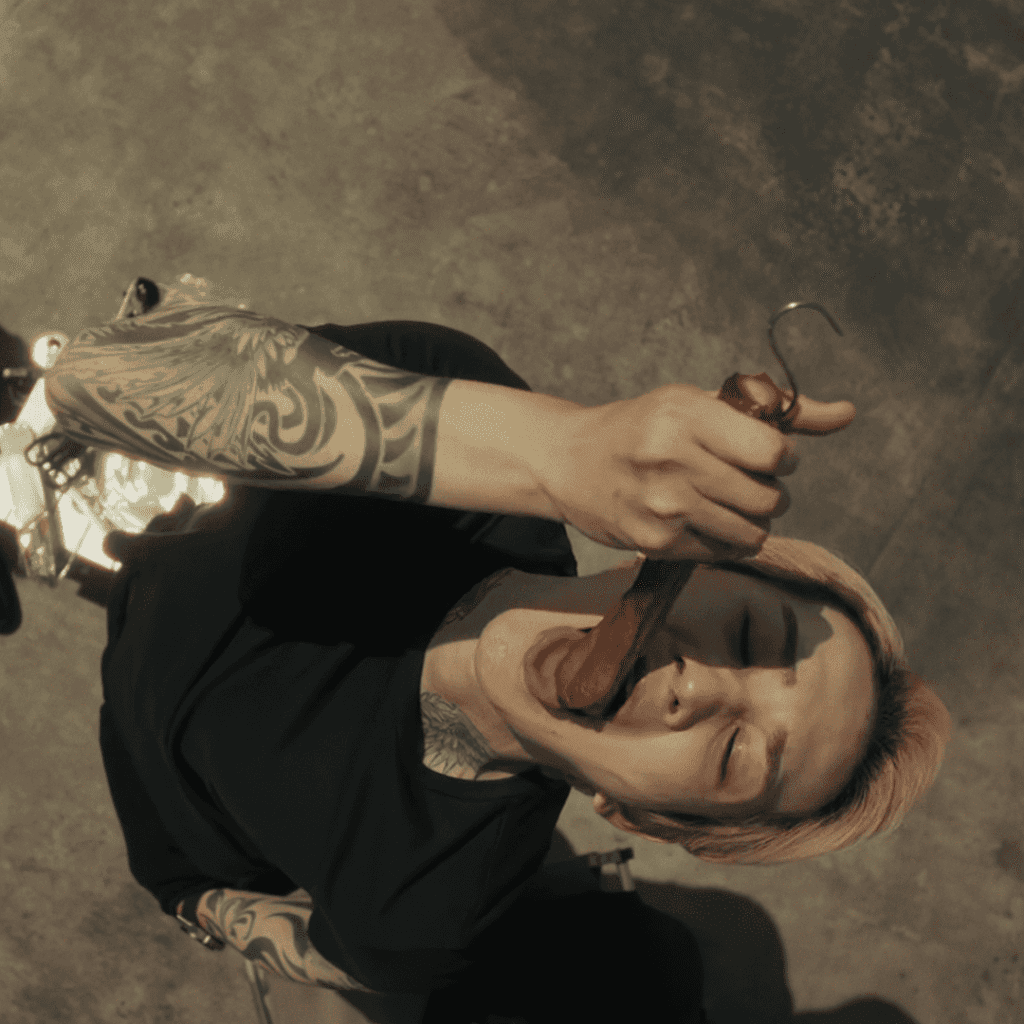
One of the most haunting arcs in the show involves a girl exploited by the adult entertainment industry. We see a “human rights” lawyer step in with a clear moral agenda: abolish the exploitation. On paper, it looks like a win.
However, the show illustrates a brutal forensic truth: by prioritizing “moral protection” over the girl’s autonomy, the legal system effectively banished her into deeper danger. Without her previous income or community, she fell into a spiral of dependency and, eventually, murder. This case perfectly highlights the show’s thesis: the law is a tool for governing behavior, not a cure for the complexities of the human condition. When the law tries to solve social problems with a gavel, the “victim” is often the one who pays the price.
Kujo vs. Karasuma: The Human vs. The Machine
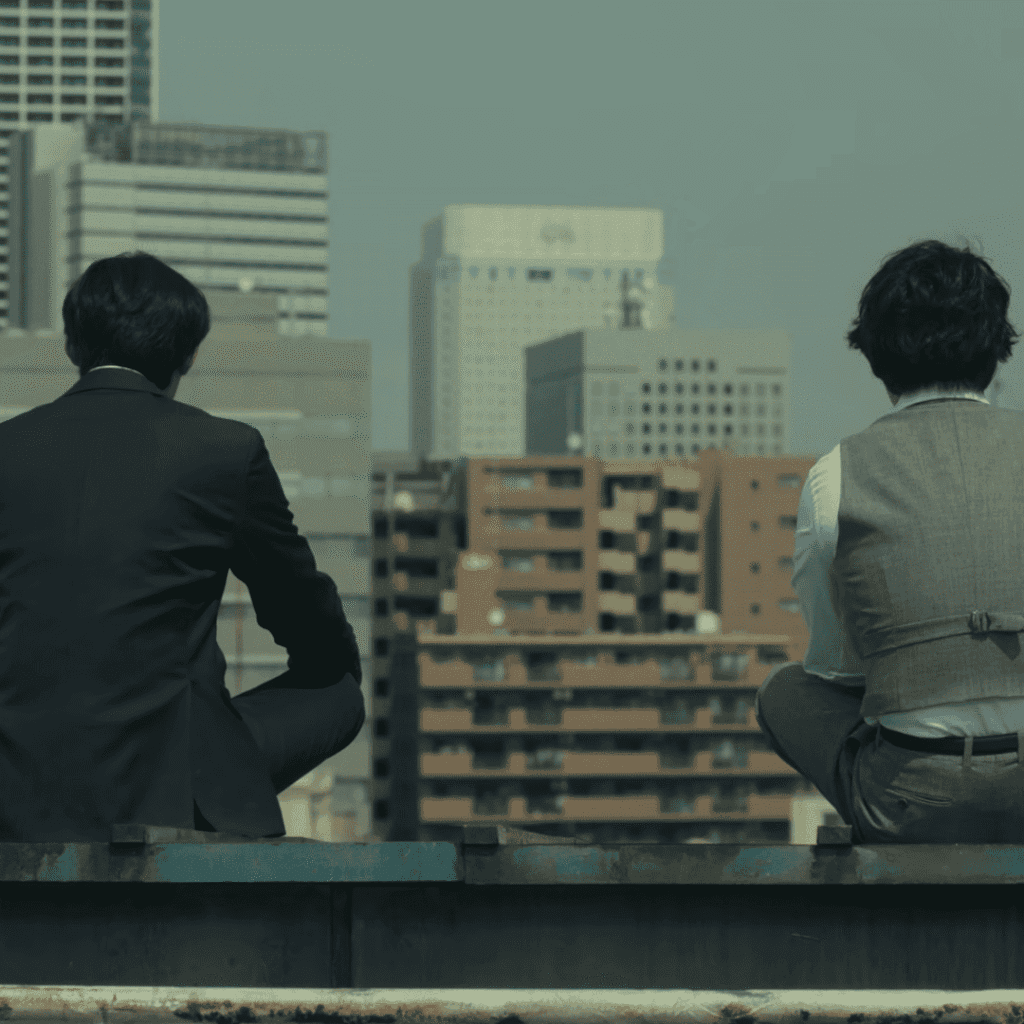
The dynamic between Kujo and his associate, Karasuma, provides the emotional heartbeat of the series. Karasuma represents the majority view—that the law should strive to be “human.” He has moral boundaries he refuses to cross, and in many ways, he is the “conscience” of the firm.
But Kujo’s “coldness” is actually a form of extreme honesty. He operates in the grey zone because he understands the Social Contract. He knows that “real justice” is often unachievable because justice is subjective. For a victim, no sentence can ever truly compensate for a lost life. Therefore, the law must remain objective to prevent it from becoming a tool of vengeance

The Hidden Compassion of the “Crooked” Lawyer
Despite his reputation as a “crooked lawyer,” Kujo displays a quiet, internalized compassion that Karasuma often misses.
- He offers jobs to the exploited.
- He checks on the suicidal.
- He helps families navigate insurance claims after the trial is over.
Kujo doesn’t use his compassion to win cases; he uses his legal mind to win cases and his private humanity to help people survive the aftermath. He acts on a basis of “guilty until proven innocent” in a purely procedural sense, ensuring that the system’s flaws don’t result in a total collapse of justice.
Final Thoughts: Justice is a Balance, Not a Destination
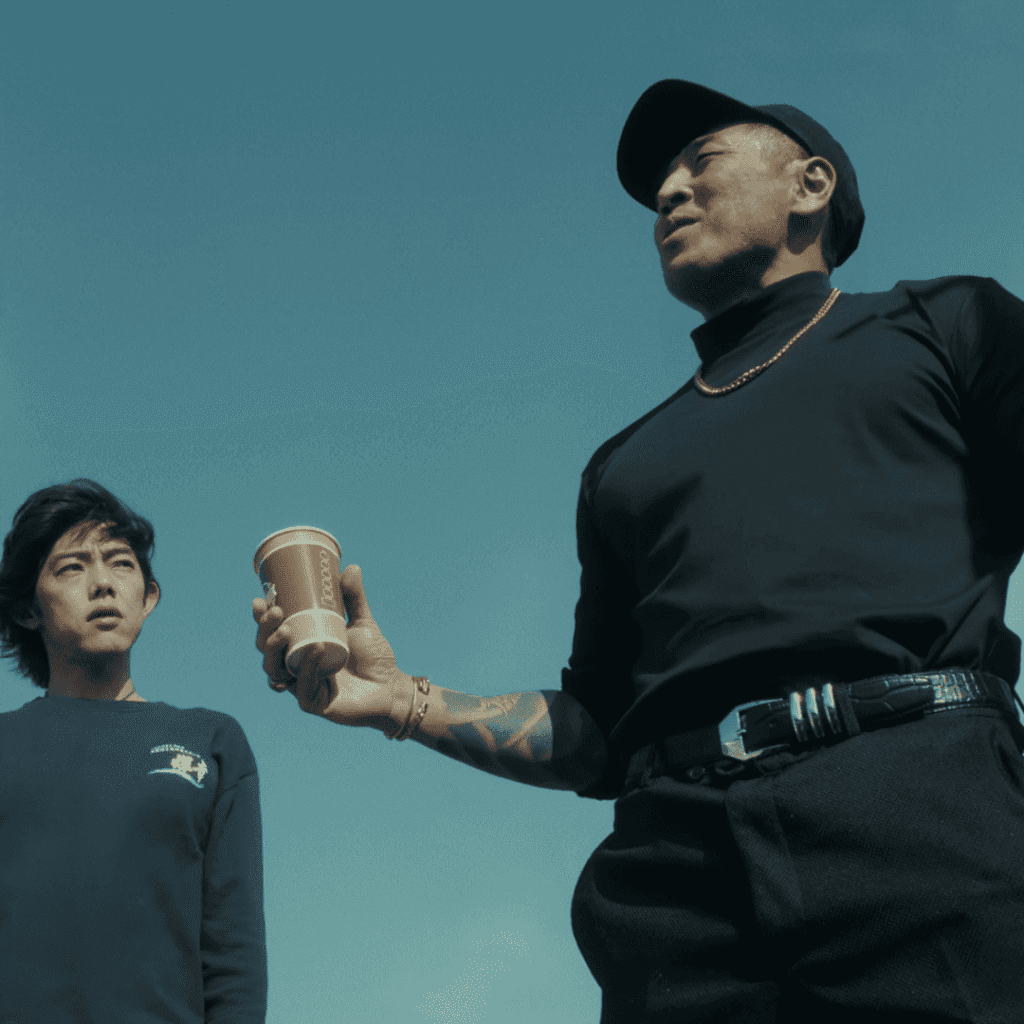
Sins of Kujo is a masterpiece of moral ambiguity. It leaves space for Karasuma’s belief in a more human law, but it argues that we need lawyers like Kujo to keep the system from becoming biased. Justice isn’t a black-and-white outcome; it is a constant, difficult balance between rights and ethics
Is Kujo a crooked lawyer?

While other characters label him “crooked,” Kujo is actually a high-functioning defense attorney who operates strictly within the legal code. He exploits loopholes to ensure his clients—guilty or not—receive their full legal rights.
What is the message of Sins of Kujo?
The show explores the gap between “legal justice” and “real justice.” it suggests that while the law can protect a person’s rights in a courtroom, it is often incapable of solving deep-seated social or emotional problems.
How does Kujo differ from Karasuma?

Karasuma is driven by emotion and a clear moral code, believing the law should be “human.” Kujo is objective and surgical, believing the law must remain a neutral machine to ensure fairness for all citizens, including the guilty.
Does Sins of Kujo portray the Yakuza?
Yes. The show features Kujo representing Yakuza clients, highlighting the dangerous reality of providing legal defense for organized crime and the ethical quandaries that come with it.
Sins of Kujo Review: Continue the Investigation
If the cold, legal logic and the “grey zone” of this Sins of Kujo Review intrigued you, examine these other case files in my archive:
Bloodhounds – When the law fails entirely, and justice has to be taken by force in the world of private loan sharks and “Boxer’s Hearts.”
Beyond the Bar – My deep dive into the psychological toll of the legal profession. When the courtroom lights go out, what remains of the person behind the suit?
15 K-Dramas (and More) Like Trigger (2025): When Justice Turns Personal – If you find Kujo’s objectivity too cold, explore this list of dramas where the characters throw the legal handbook out the window to settle scores on their own terms.
The Jury is Out: As a law graduate, I believe Kujo is the “necessary evil” that keeps the scales balanced. But what do you think? Is he a guardian of the social contract, or has he lost his soul to the statutes? Let’s debate the ethics of the defense in the comments below.
Disclaimer: This blog is for informational and entertainment purposes only. All copyrights and trademarks for the TV shows, films, and other media referenced are the property of their respective owners. This blog aims to provide original commentary and insights and claims no ownership over third-party content.



4 Comments