
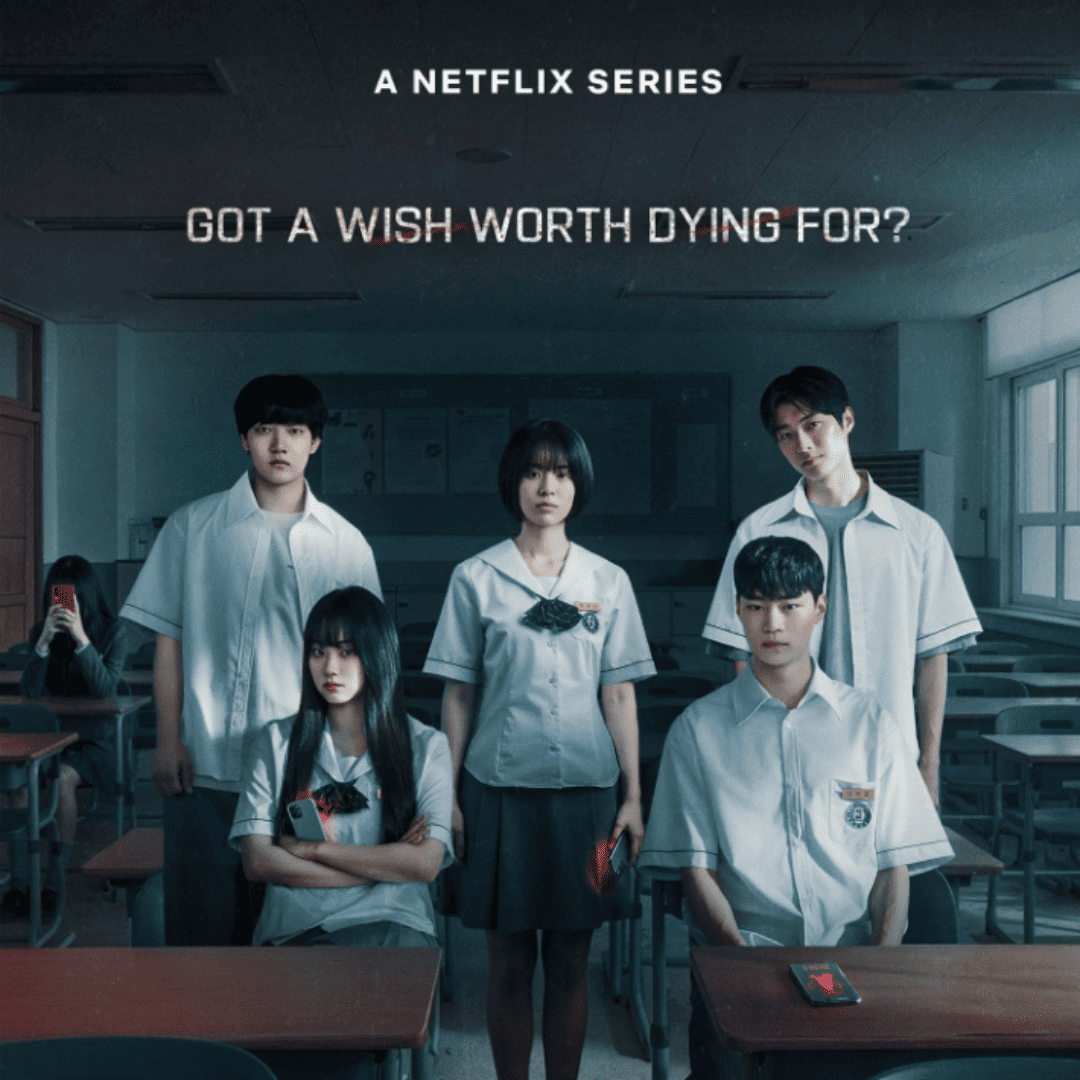
If Wishes Could Kill Review 2026: The Algorithmic Curse Redefining K-Horror through Digital Shamanism
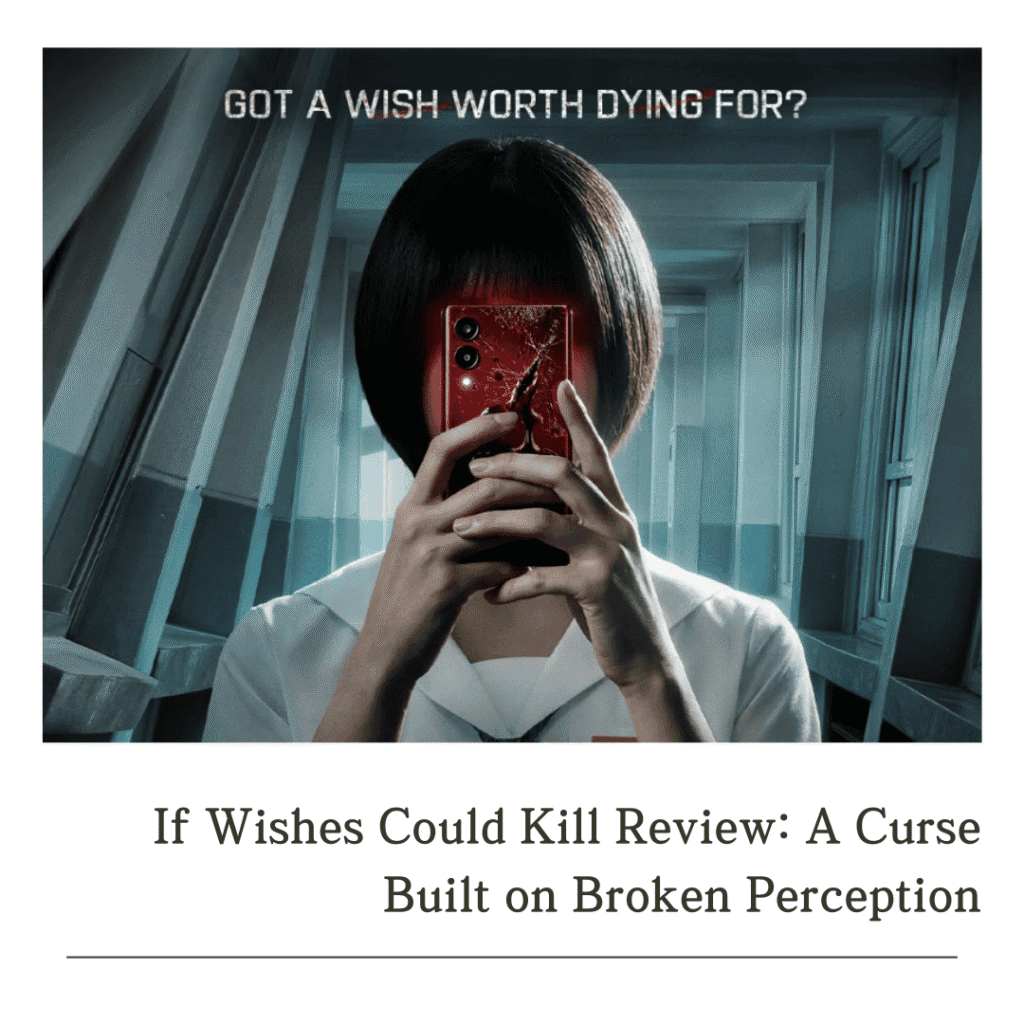
The curse doesn’t kill you. It convinces you to stop trusting the people who could save you.
The Verdict Box
Score: 8.0/10
The Vibe: A tense, emotionally charged teen horror that blends supernatural dread with psychological manipulation.
Watch if you liked: All of Us Are Dead, Sweet Home, Exhuma.
Skip if: You want fast answers instead of layered tension and emotional conflict.
The Core Question: What breaks first under pressure—your life, or your trust in others?
If Wishes Could Kill Review: A Curse Built on Broken Perception
At its surface, If Wishes Could Kill presents a familiar premise: a mysterious app grants wishes, but every wish comes with a deadly cost. Once your wish is fulfilled, a countdown begins, and your life is the price. However, the true horror is not the wish; it is what the curse does to people before it takes them.
This is not just a system of punishment. It is a system designed to distort perception, to isolate, and to slowly erode trust until survival feels impossible.

The Origin: When Misunderstanding Becomes Destruction
The curse does not begin with a random evil entity. It begins with human emotion. The tragedy between Kim Si-won and Do Hae-ryeong is rooted in misunderstanding, shame, and anger. Si-won’s disdain for her shaman mother leads her to destroy the altar, releasing spirits that were never meant to be free.
The initial “betrayal” was limited to these two girls, but the resulting curse became a viral infection. This origin proves that the supernatural does not appear out of nowhere; it grows out of human weakness and the negative emotions that give rise to supernatural hostility.
If Wishes Could Kill Review: A System That Targets Trust (Not Just Lives)
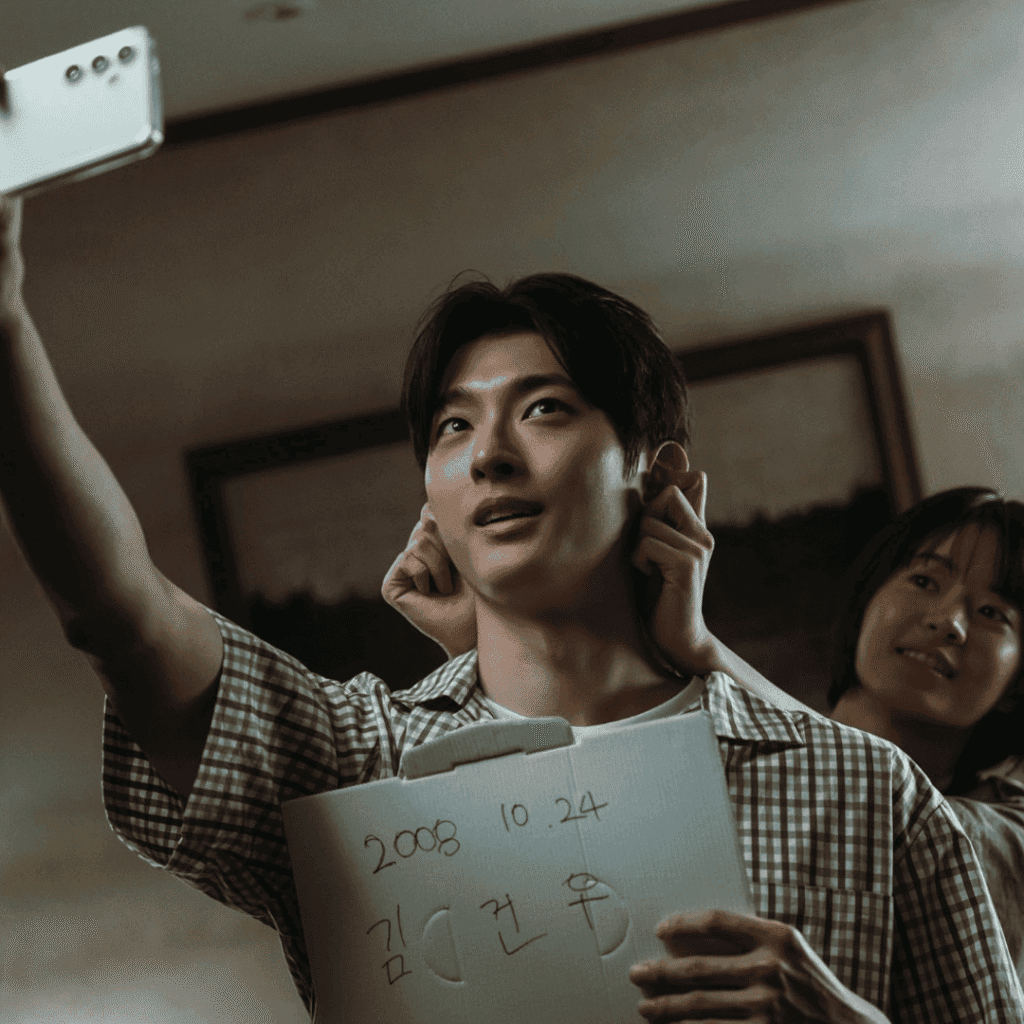
As the curse spreads to the main friend group, its predatory nature becomes clear. It does not simply kill those who make wishes; it tries to separate them first. The app manipulates voices and memories to create the illusion that friends are talking behind each other’s backs.
We see this when the curse tries to manipulate Se-ah’s voice against Geon-woo. The horror is found in the “Infinite Loop” of the spirit realm, where the characters cannot distinguish reality from manipulation. The question is no longer just whether they will survive, but whether they can continue to believe in each other while the curse screams that they should not.

Connection as a Form of Resistance
What makes this series stand out is that the friends do not turn on each other. Despite the “Evil” trying to break their bonds, they choose sacrifice over betrayal. Se-ah refuses to give up on her friends because of her past trauma of losing her parents which made her value connection above all else.
Geon-woo’s wish is lighthearted, but Se-ah’s willingness to put her life on the line for Geon-woo breaks the cycle of “equal exchange.” The show suggests that trust is the only thing that allows the characters to navigate the three gates of the spirit realm. As long as connection remains intact, the curse loses its momentum.
If Wishes Could Kill Review: Shamanism vs. The Digital Age
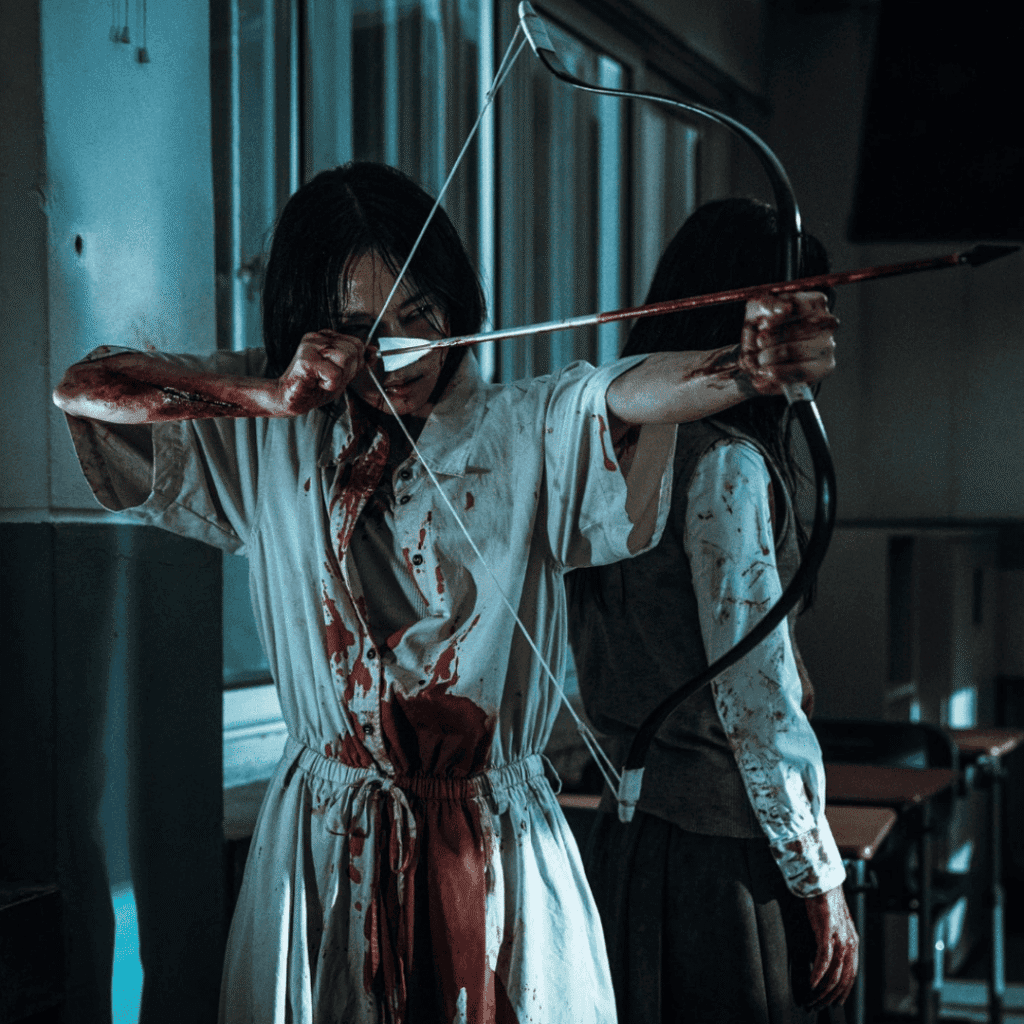
One of the most unique aspects of this If Wishes Could Kill review is the fusion of ancient Shamanism and modern technology. As a Westerner used to “Exorcist-style” demons, seeing spirits tied to altars, talismans, and digital apps offers a fresh perspective.
The “spirit realm” functions like a glitching piece of software, an infinite loop that requires a shaman’s insight to hack. Technology becomes a new vessel for ancient, unresolved conflicts. It suggests that negative emotions are the ultimate “source code” for supernatural terror.

The Law of Equal Exchange: Nothing is Free
Ultimately, the drama leans into the theory of “Equal Exchange.” You cannot get something for nothing. Whether it was Hyeong-wook’s innocent wish to pass a math test or Nari’s impulsive wish driven by a one-sided crush, a cost must be paid.
The characters who survive are not the ones who avoid fear, but the ones who recognize that the “cost” of survival is shared. They pay for each other’s lives through sacrifice rather than letting the curse take them one by one in isolation.
Final Thoughts: A Unique Supernatural Fusion
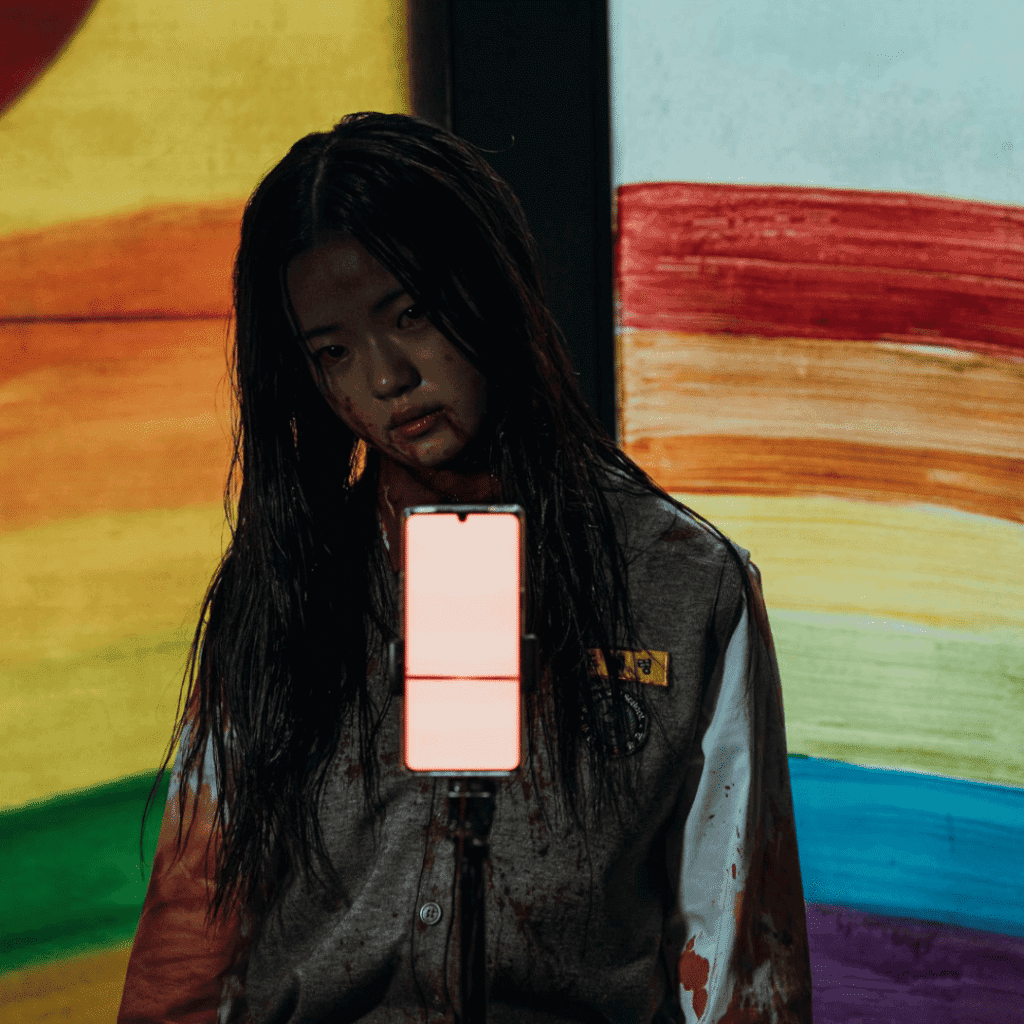
If Wishes Could Kill is a rare 8/10 teen thriller that respects its characters. It avoids the trope of friends constantly backstabbing each other and instead focuses on how deep human connection can vanquish even the most destructive spirits. It is a unique take that brings teen horror, tech, and shamanism together into a captivating, loop-breaking finale.
What is If Wishes Could Kill about?
If Wishes Could Kill follows a group of students who discover a mysterious app that grants wishes at the cost of the user’s life. As they uncover the rules of the curse, they must rely on trust and connection to survive its psychological and supernatural manipulation.
What is the “Glitch” in the If Wishes Could Kill app?
The “glitch” is the supernatural curse itself. It uses technology as a haven for evil spirits, allowing them to survive in a modern environment by manipulating digital communication and people’s memories.
How does Shamanism play a role in the show?

Shamanism provides the tools to fight the curse. Ha-joon’s sister, a powerful shaman, uses traditional rituals to help Se-ah enter the spirit realm and break the “three gates” of the curse’s loop.
Is the friendship group in If Wishes Could Kill based on betrayal?
No. While the curse starts from a misunderstanding and betrayal between Si-won and Hae-ryeong, the main friend group is defined by loyalty and sacrifice. They actively choose to protect each other once they realize the app’s deadly cost.
What is the “theory of equal exchange” in the drama?

Mirroring concepts like Fullmetal Alchemist, the drama posits that every wish has a cost. You cannot gain something without losing something of equal value—usually, the life of the person who made the wish or someone they care about.
If Wishes Could Kill Review: Continue the Investigation
If the blend of shamanic curses and psychological pressure in this If Wishes Could Kill Review resonated with you, explore these other files in the archive:
- Severance – What happens when a “system” doesn’t just curse your life, but surgically removes your memory to keep you isolated?
- Bloodhounds – When the “cost” of survival requires a literal physical sacrifice and the hardening of a “Boxer’s Heart.”
- Project Hail Mary – A different kind of survival. When being trapped in a “loop” of isolation requires a total stranger to become your only hope.
Are we defined by our own desires, or by the people we refuse to give up on? Join the discussion in the comments.
Disclaimer: This blog is for informational and entertainment purposes only. All copyrights and trademarks for the TV shows, films, and other media referenced are the property of their respective owners. This blog aims to provide original commentary and insights and claims no ownership over third-party content.





4 Comments