

Bloodhounds Season 2 Review: When Fighting the System Changes You (2026)
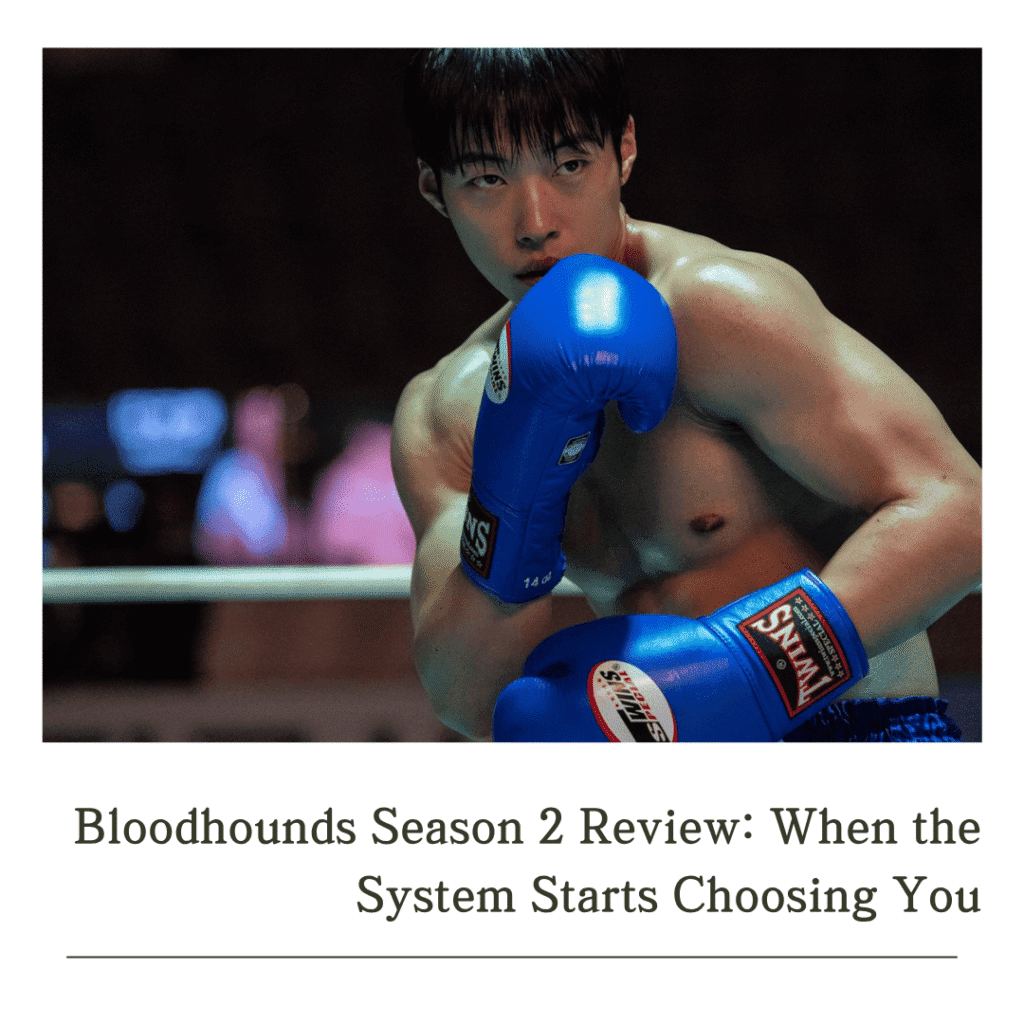
It is not about being dragged into the fight anymore. It is about what happens when the system decides it wants you.
The Verdict Box
Score: 7.5/10
The Vibe: A harder, more ruthless escalation where morality starts to feel like a liability.
Watch if you liked: My Name, The Glory, Weak Hero Class 1.
Skip if: You want clean victories instead of uncomfortable compromises.
The Core Question: Can you fight a system like this without becoming part of it?
Bloodhounds Season 2 Review: The Formula of the Trap
Bloodhounds does not reinvent its formula in Season 2. On the surface, it appears to repeat it. Geon-woo is once again pulled into danger because of his mother. The criminal networks still weaponize vulnerability and money still flows through exploitation. But, the function of this trap has definitely changed.
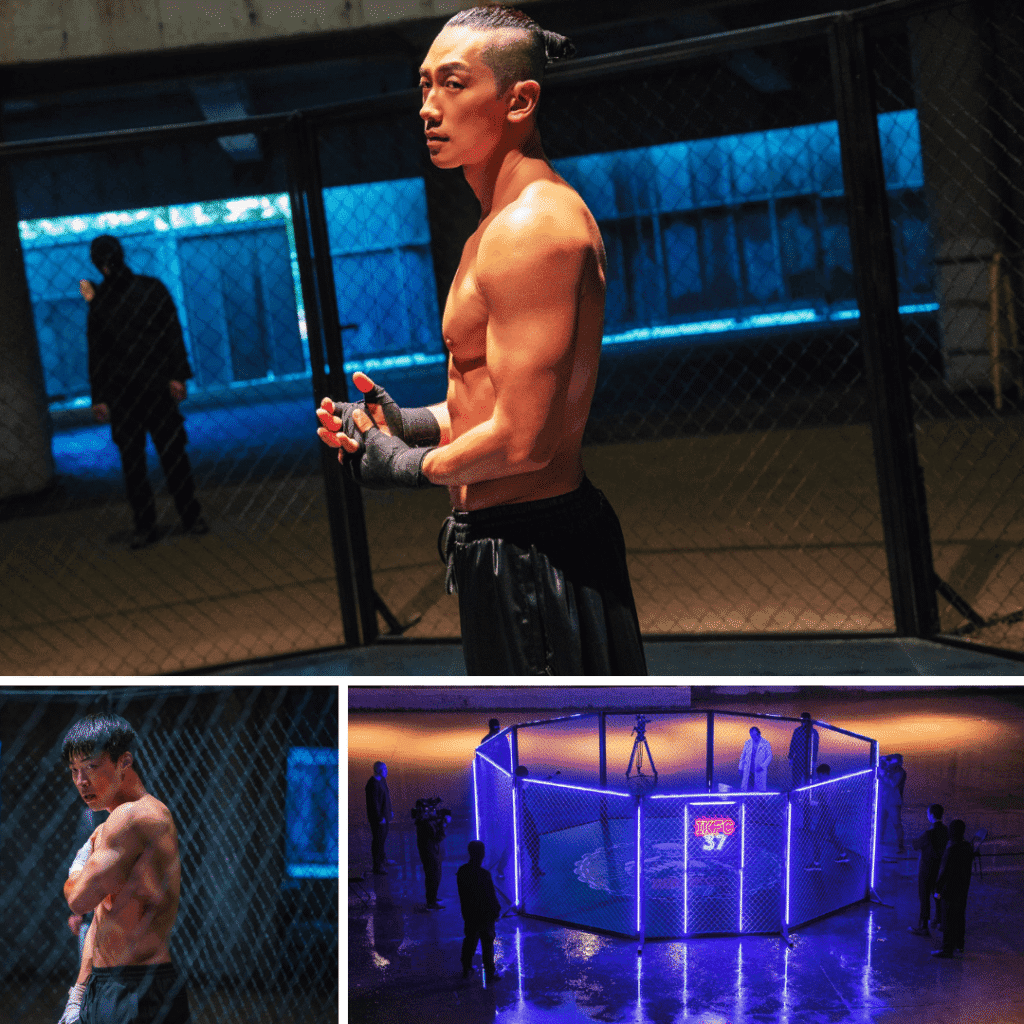
In Season 1, Geon-woo fell into the system by accident. He was reacting, learning, and trying to survive a debt trap. In Season 2, he is not just caught in the system. He is being targeted by it. The new antagonist, Im Baek-jeong, does not stumble across Geon-woo by accident, he hunts him. He recognizes Geon-woo’s value as a product to be monetized inside the Iron Fist Fighting Club (IKFC), an illegal circuit streaming to four million subscribers on the dark web. The system does not just trap the vulnerable anymore. It recruits the strong.
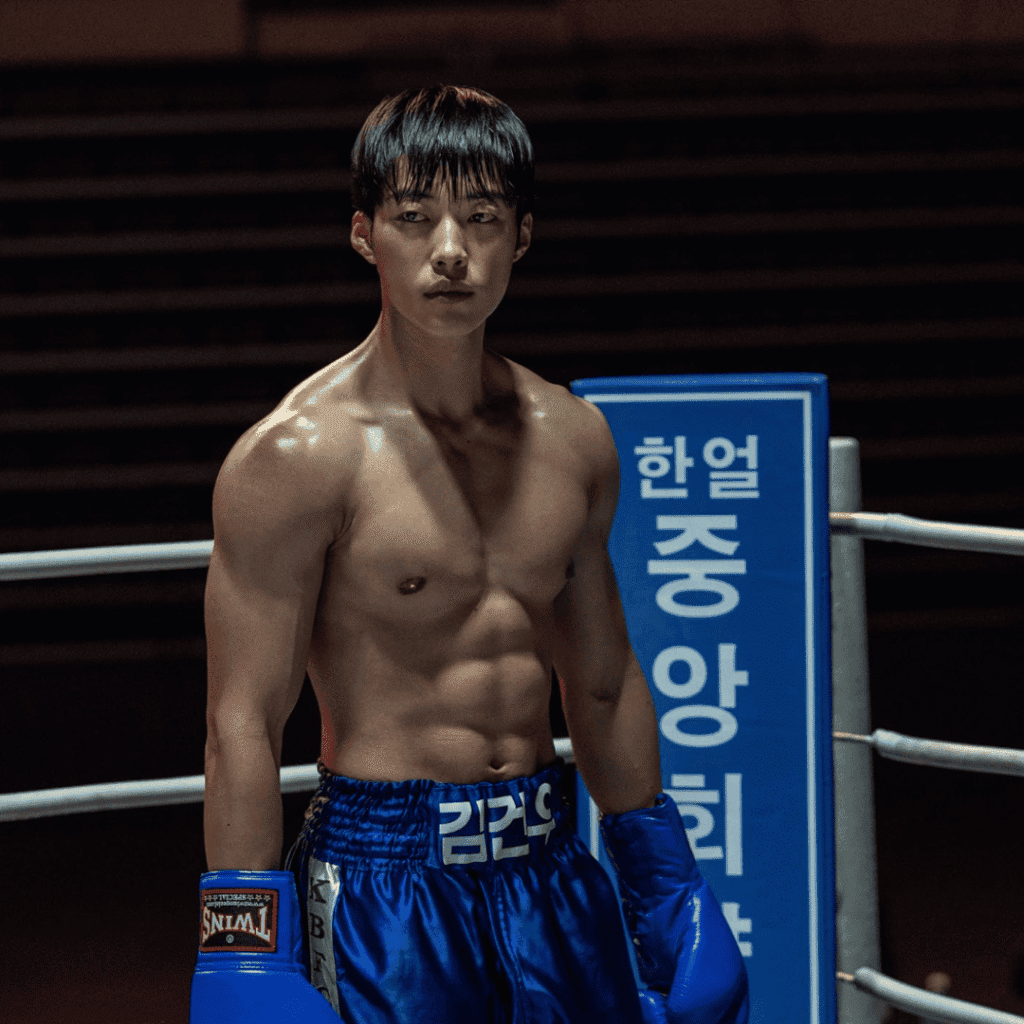
The Boxer’s Heart as a Target
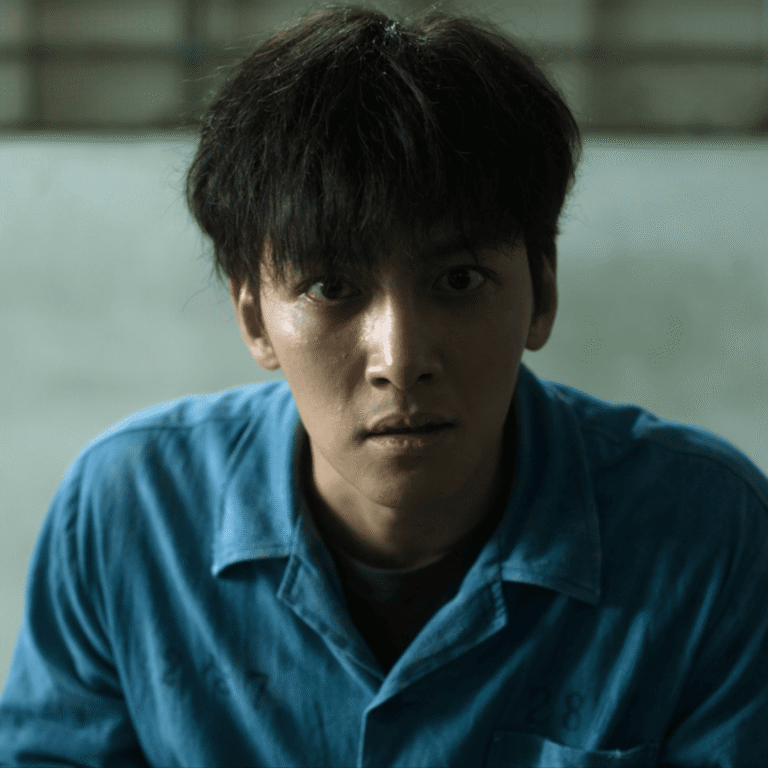
Geon-woo begins the season unchanged in all the ways that matter. He is still disciplined, principled, and driven by the “boxer’s heart” that defines his dignity. But in the hands of Im Baek-jeong, played with a terrifying lack of empathy by Rain, that heart becomes a tactical weakness.
Where Geon-woo values people, Baek-jong sees leverage. He understands that Geon-woo’s idealism is his greatest vulnerability. To force Geon-woo into the ring, Baek-jong orchestrates a campaign of absolute isolation. He hires assassins, uses explosives, and even utilizes a former national intelligence officer to poison the support network around Geon-woo. By freeing past enemies like In-beom and training them into better killers, Baek-jong proves that in his world, people are merely disposable tools or profitable spectacles.
Bloodhounds Season 2 Review: The Moment He Hardens
For most of the season, Geon-woo holds onto his principles. He fights clean and refuses the “light knuckle dusters,” a decision that leads to his initial defeat. But the turning point comes when his mother is successfully kidnapped after sacrificing herself to save Woo-jin.
Following the advice of Moon Kwang-moo, Geon-woo realizes that a soft heart cannot survive a merciless enemy. He must “harden” to protect what remains. This character arc is quiet and uncomfortable. He does not become cruel, but he becomes willing to fight dirty. The line between the hero and the monster starts to blur because the system has made “clean” fighting a death sentence. His boxer’s heart does not disappear. It transforms into something far more pragmatic.
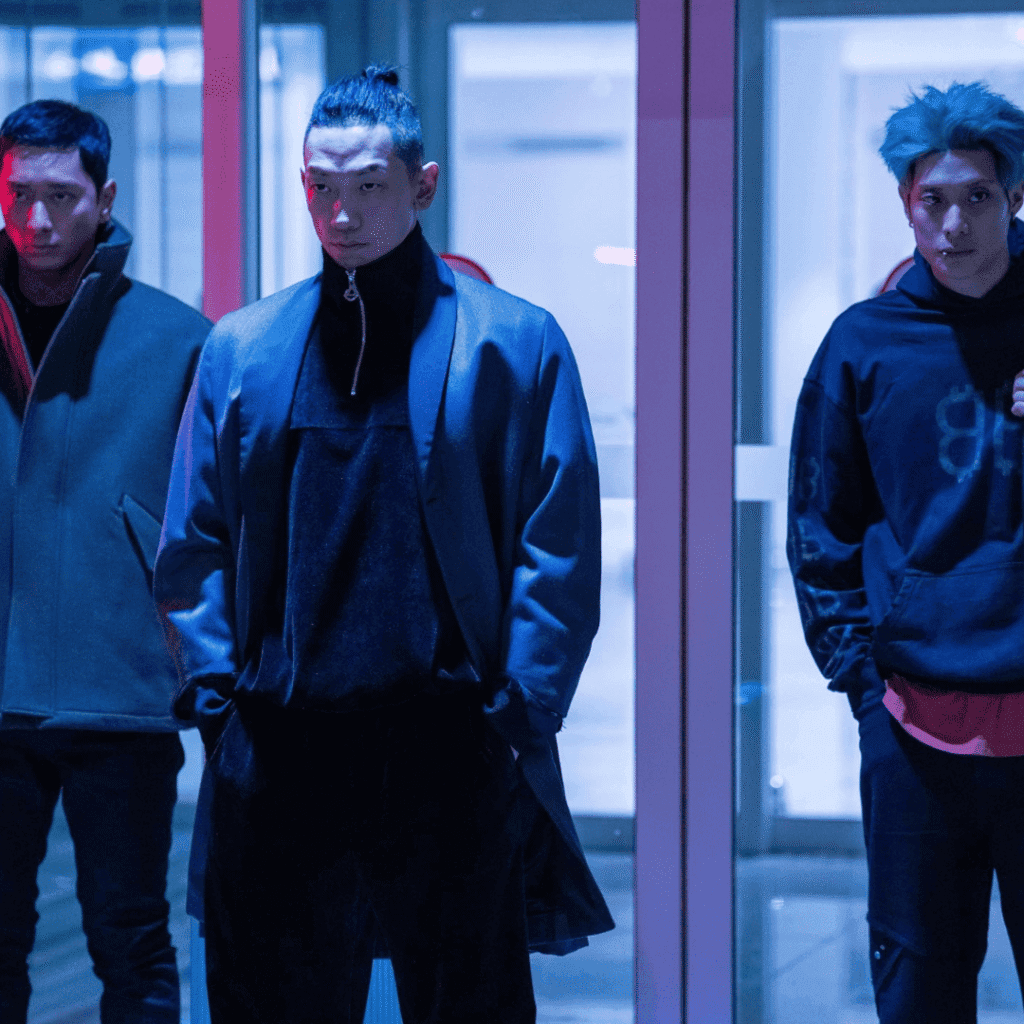
A Victory That Doesn’t Hold
By the time Geon-woo and Woo-jin finally overcome their enemies, it should feel like a release. It does not. The resolution exposes something far worse than Baek-jeong’s cruelty. Taking down the “head of the snake” reveals that the system is actually a hydra.
While the detectives believe in a justice that involves prisons, the reality is dictated by the National Intelligence. The final twist is a masterclass in systemic abuse. Instead of being eliminated, Baek-jong is absorbed. The intelligence agency photoshops a picture of his “assassination” to satisfy their allies, while secretly recruiting him as a new “Bloodhound” for the state. The system does not collapse under pressure. It adapts. It consumes its enemies and puts them back to work.
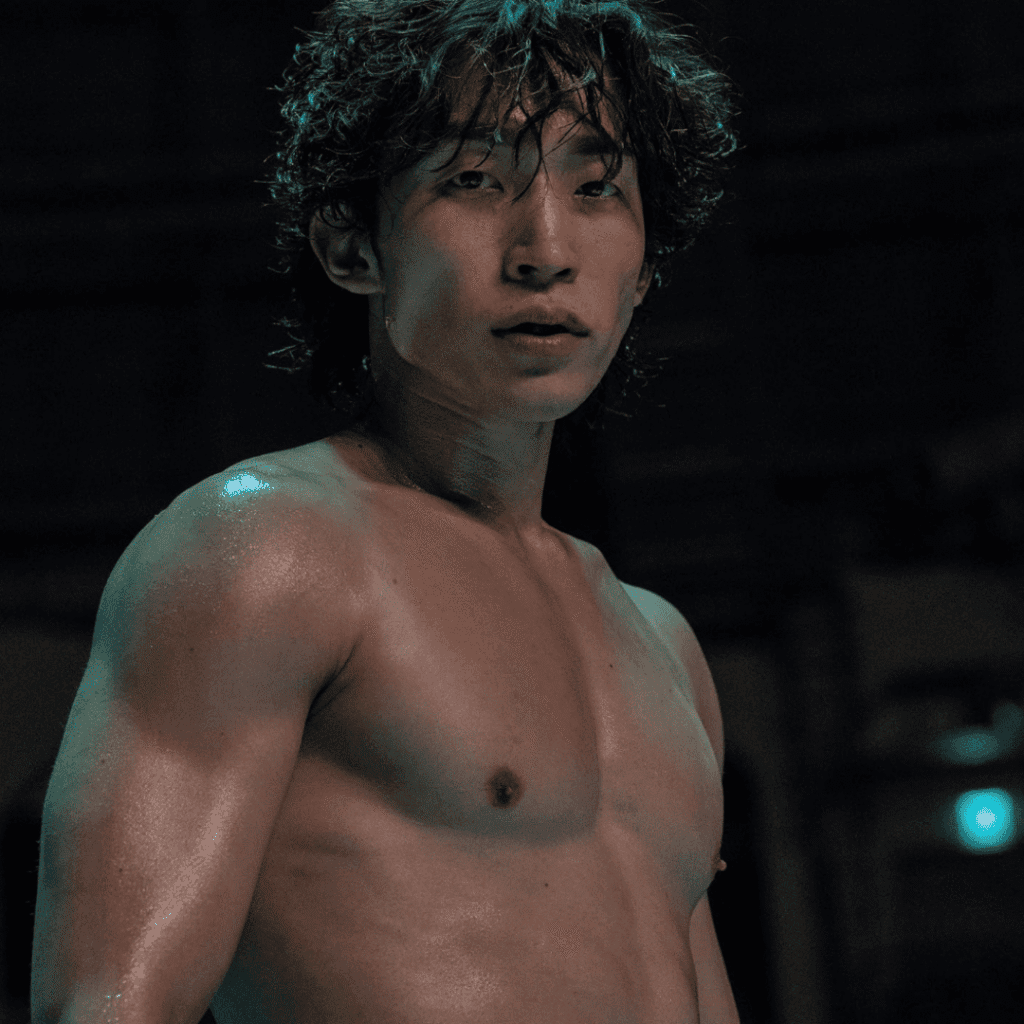
Final Thoughts: You Can’t Cut the Head Off This Snake
If Season 1 was about recognizing injustice, Bloodhounds Season 2 is about confronting its persistence. Geon-woo wins the fight, but the world he is fighting in remains unchanged. If anything, it has revealed itself to be more organized and far more difficult to escape than it first appeared. Even those who once believed in the law begin to shift toward extermination rather than justice. Systems like this do not just punish weakness. They reshape belief.
In the end, The National Intelligence didn’t destroy the threat; they put it on the payroll. Do you think Geon-woo and Woo-jin are actually free, or has the system just cleared the path to recruit them next? Drop your theories on that “Photoshop” twist below.
What is Bloodhounds Season 2 about?

The season follows Geon-woo and Woo-jin as they are forced into an illegal underground fighting circuit called the Iron Fist (IKFC), run by a ruthless antagonist who streams the violence to a global audience on the dark web.
How does Geon-woo change in Season 2?
Geon-woo undergoes a hardening arc. He moves away from his “clean” boxing principles and becomes willing to fight dirty to protect his loved ones, realizing that idealism is a liability against a merciless enemy.
Who is the new villain, Im Baek-jong?
Played by Rain, Baek-jong is a former national interest-focused strategist who views humans as disposable assets. He values money and power above all else, serving as a direct foil to Geon-woo’s humanity.
What does the ending of Season 2 mean?
The ending reveals that the system is inescapable. Instead of being punished, the villain is recruited by the National Intelligence to become a “Bloodhound.” It suggests that the state and criminal networks are two sides of the same coin.
Bloodhounds Season 2 Review: Continue the Investigation
If Geon-woo’s struggle against a self-correcting system resonated with you, it connects deeply with the broader forensic map we have been building. These stories all examine the moment a person is forced to choose between their survival and their soul.
- In Bloodhounds (Season 1), we see the origin of the trap, how a simple debt can spiral into a war for survival against a predatory landscape.
- In Price of a Confession, the system is legal and social, looking at how the truth is often the first thing sacrificed when the powerful need to maintain order.
- In Mad Concrete Dreams (First Impressions), the focus shifts to the physical world, where the very buildings people live in become the walls of a psychological prison.
Systems do not just survive opposition. They absorb it. Explore the full archive to see how these stories map the boundaries of modern control.
Disclaimer: This blog is for informational and entertainment purposes only. All copyrights and trademarks for the TV shows, films, and other media referenced are the property of their respective owners. This blog aims to provide original commentary and insights and claims no ownership over third-party content.





2 Comments