
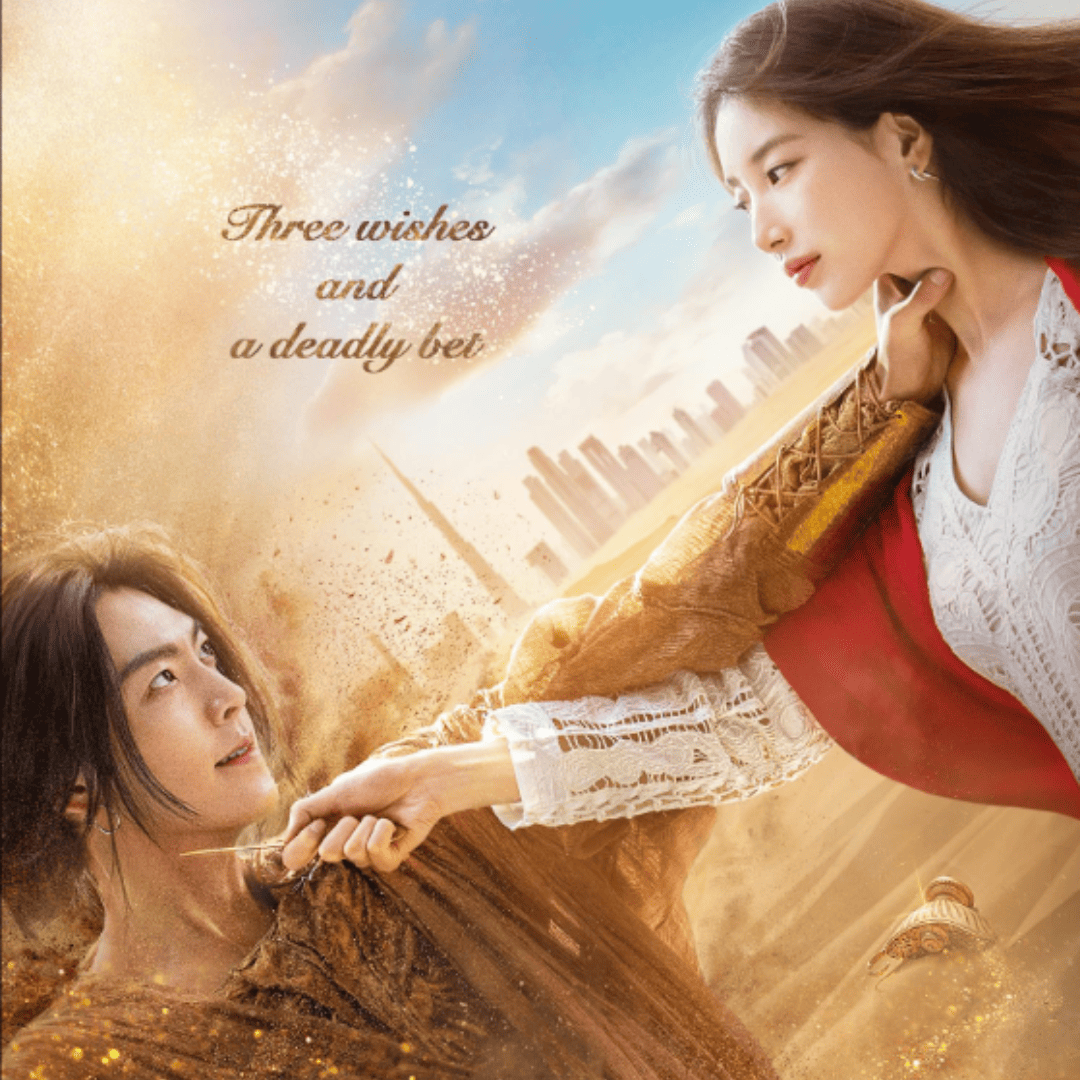
Genie Make-A-Wish Kdrama Review: Love, Redemption, and the Battle Between Nature and Nurture
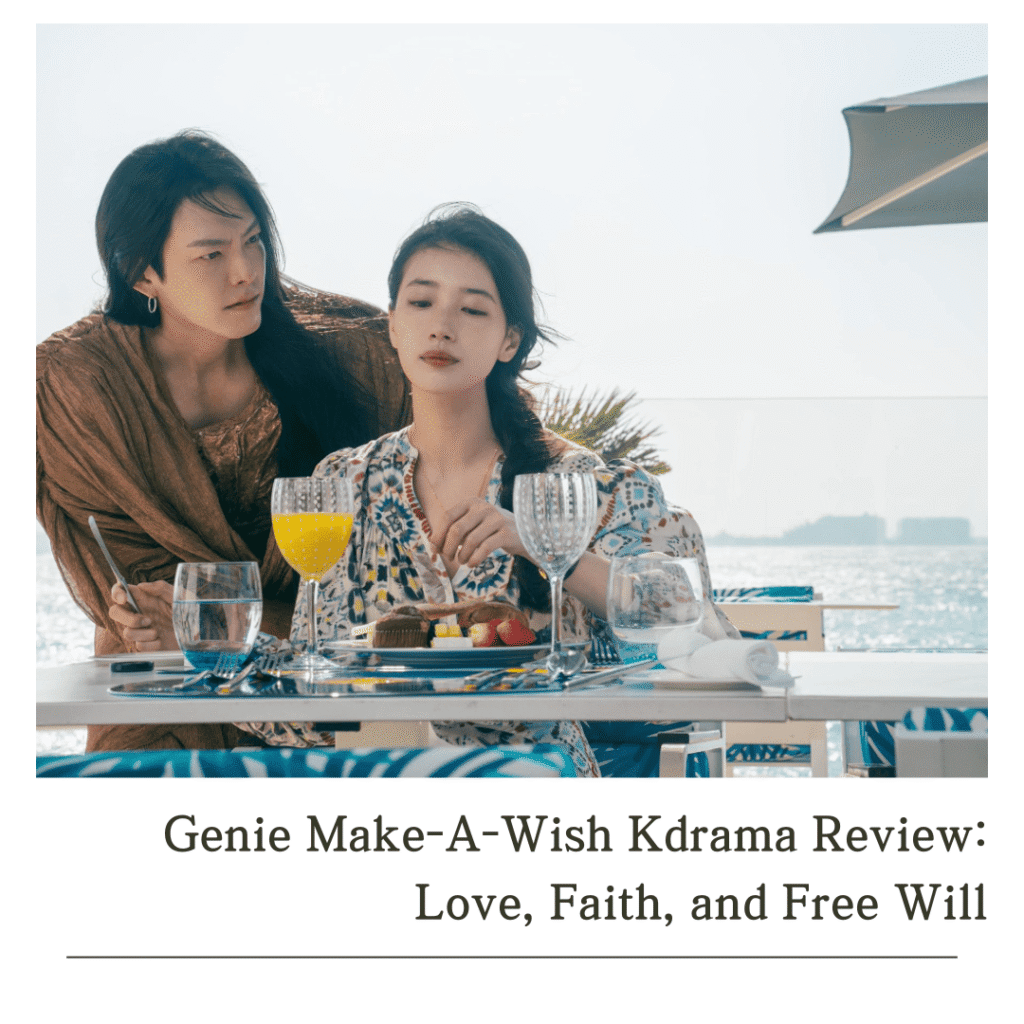
What if the path to heaven began with a genie’s curse and a human’s broken heart?
Genie: Make-A-Wish isn’t your typical fantasy romance. It’s a story that weaves comedy, mythology, and human psychology into one daring question: Can love and empathy truly rewrite destiny? Equal parts absurd and profound, this Kdrama proves that even demons can be redeemed and even the emotionless can learn to feel.
Fire, Smoke, and Humans: The Myth That Shapes the Drama
Genie Make-a-Wish Kdrama Review: The world of Genie: Make-A-Wish begins before time. Angels born from fire. Genies from smoke. Humans from dust. It’s a retelling of the Genesis myth but filtered through something distinctly Korean: part parable, part fever dream.
When Iblis, proud and unyielding, refuses to bow to humankind, he is cast out. His punishment: to tempt humans with three cursed wishes to prove humanity’s corruption.
But this series does something clever, it turns punishment into good TV. The divine order isn’t static; it’s theatrical. Angels and genies are caught in a cosmic war about pride, desire, and creation itself. It’s theology rewritten as a fantasy drama.

Ka-young: The Psychopath Raised With Love
Ka-young is a woman who was, by all accounts, made wrong. Diagnosed as emotionless, a functional sociopath raised by her grandmother and a village that watches her like a fragile bomb.
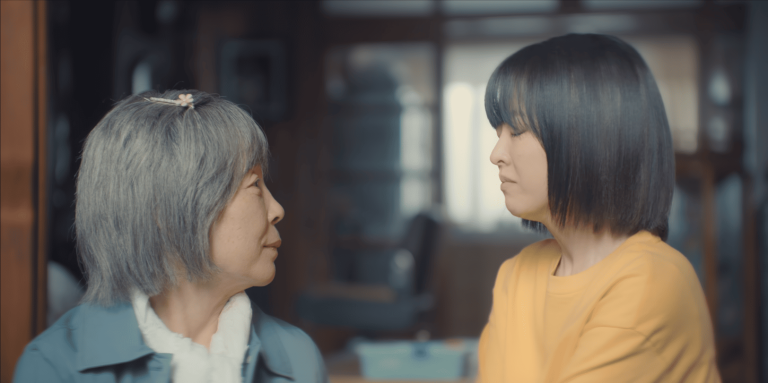
One early scene captures the show’s brutal tenderness: Ka-young, fascinated by dissection, keeps slicing open frogs. Her grandmother lets her continue and cuts her hand with a knife, forcing Ka-young to feel what pain is. It’s an unsettling moment but it delivers the first lesson in empathy through blood.
Through Ka-young, the series asks: Are we bound by what we’re born with, or can love teach us how to feel? The answer unfolds in her bond with Iblis.
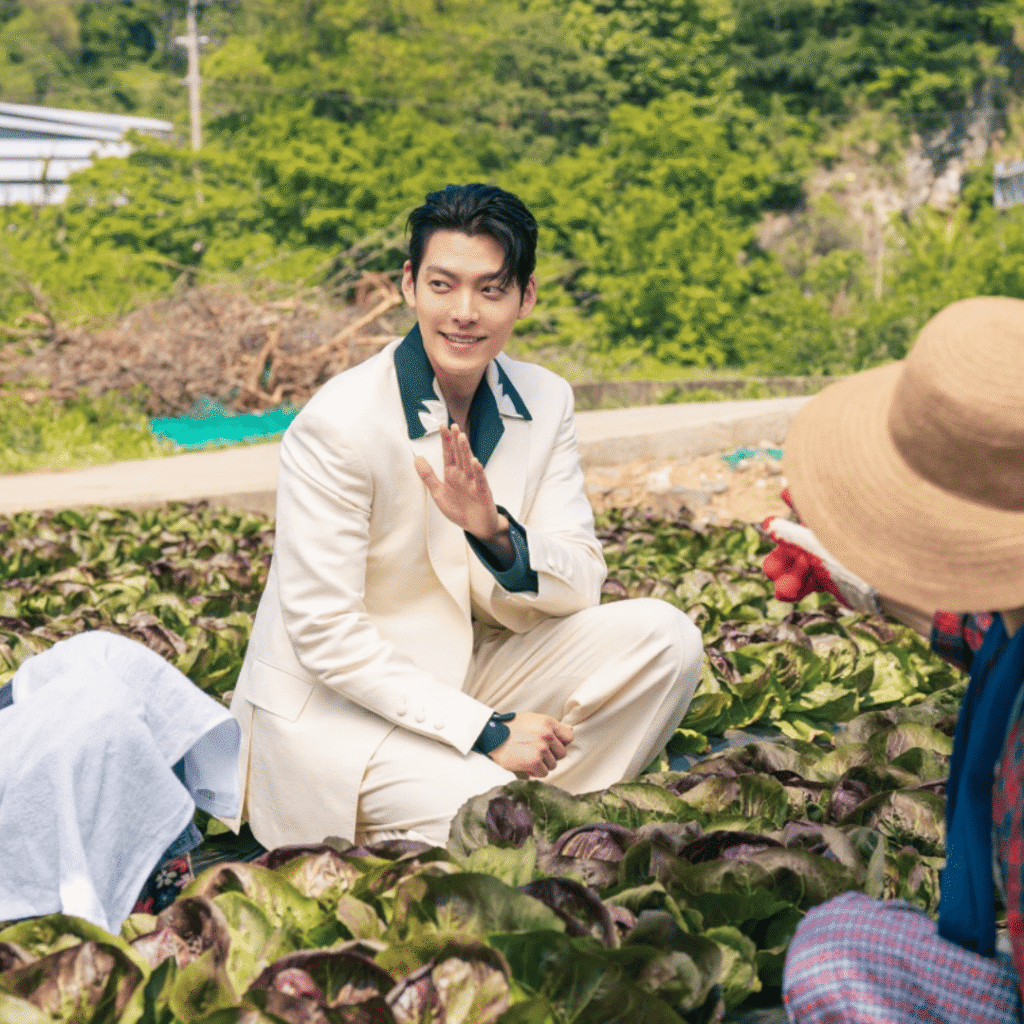
When Demons Bow: Iblis, Redemption, and Moral Complexity
Iblis has been trapped for nearly a thousand years, cursed with pride and memory. When Ka-young frees him, it isn’t a meet-cute. It’s a cosmic reunion. In a past life, her selfless wishes condemned him to his lamp; in this one, she’s the only key that can release him.
Their relationship is absurd and profound. There’s comedy, awkward kisses, rain rules and endless beatings but a love story begins to form out of all the chaos.
By the end, Iblis’s bow to Ka-young, the same act that once damned him becomes his redemption. Through her, he acknowledges the righteousness of humanity. Through him, she learns to feel. Love, in this universe, isn’t sentimental; it’s transcendental.
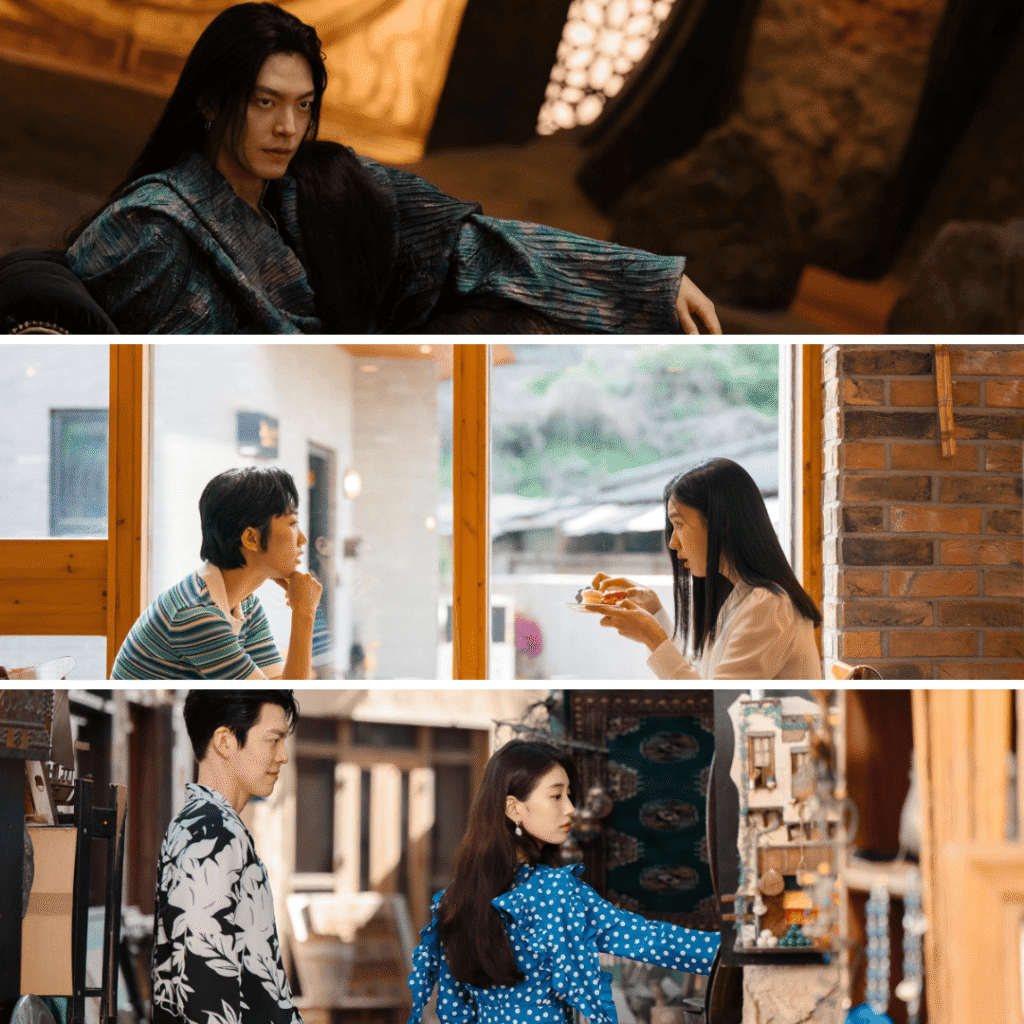
Wishes, Consequences, and the Test of Humanity
The story’s moral scaffolding is built around three wishes, each reflecting humanity’s eternal struggle with greed, love, and sacrifice.
Ka-young’s first wish for the genie to attempt to corrupt five people as she belives in her grandmother’s belief that most humans are inherently kind. Her second wish, to make her grandmother young again, shows both love and selfishness intertwined. And her third, to feel emotion completes her transformation, even though it means losing Iblis forever.
Through these wishes, Genie: Make-A-Wish becomes a mirror for the human condition: how our best intentions often carry the seeds of our undoing, and how love demands both surrender and pain.
Magic, Mayhem, and a Sprinkle of Hilarious Cameos
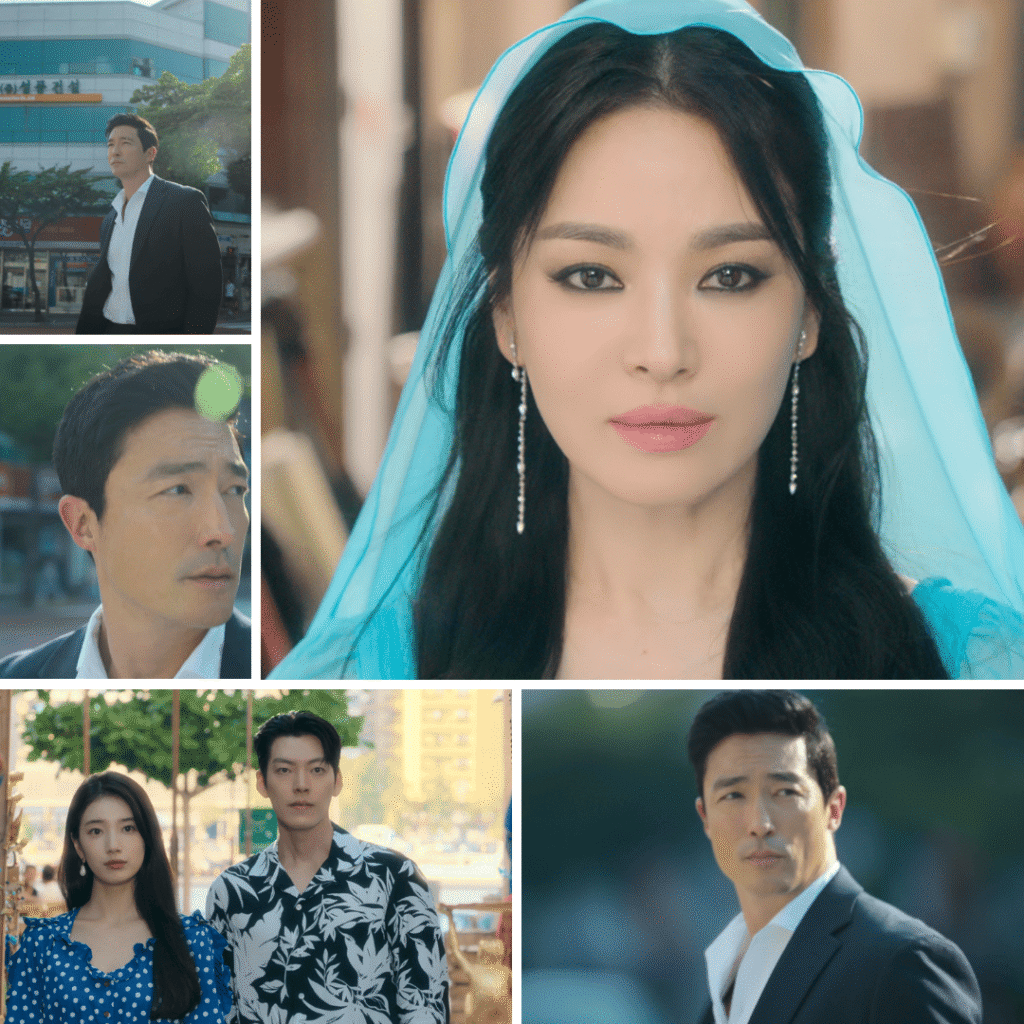
Amid its theology and tragedy, Genie: Make-A-Wish never loses its sense of humor. From Song Hye-kyo’s cameo as Iblis’s ex (“she chose her face because it was trending”) to Daniel Henney as a dog turned human, the series proves that fantasy can critique itself without losing emotional weight.
It’s witty, absurd, and occasionally ridiculous but always anchored by emotional truth. The humor never breaks the world; it humanizes it.

One Lesson Worth Carrying: Love Can Rewrite Fate
In its final act, the show’s theology crystallizes: love is the only divine law that transcends punishment, creation, and death. Ka-young’s willingness to die and Iblis’s willingness to bow, resolve the cosmic argument that began at the dawn of time.
Their love becomes the proof of humanity’s worth. And as the grandmother’s final wish brings Iblis back to life, it feels less like divine intervention and more like a reward for choosing compassion over pride.

Final Thoughts: The Magic We Carry
Genie: Make-A-Wish isn’t perfect. It’s occasionally chaotic, overindulgent, and narratively wild but that’s also its charm. Beneath the absurdity lies a profoundly human story about emotion, identity, and how even those “made wrong” can love right.
It’s a reminder that redemption isn’t granted, it’s chosen. And sometimes, the greatest magic is not what you wish for, but what you’re willing to forgive.
Love dramas where fantasy becomes philosophy? Subscribe to my newsletter for more analytical K-drama essays and get my free mini ebook, 25 Dark TV Quotes to Stay Up Thinking About. Explore how fantasy worlds reflect our deepest truths — one drama at a time.
- For more myth-meets-morality storytelling, read Wayward: Healing in a Flawed Utopia
- For power, legacy, and devotion, see The House of Guinness Netflix Review
Disclaimer: This blog is for informational and entertainment purposes only. All copyrights and trademarks for the TV shows, films, and other media referenced are the property of their respective owners. This blog aims to provide original commentary and insights and claims no ownership over third-party content.


One Comment