

Straight to Hell Review: The Unstoppable Drive of Kazuko Hosoki (2026)
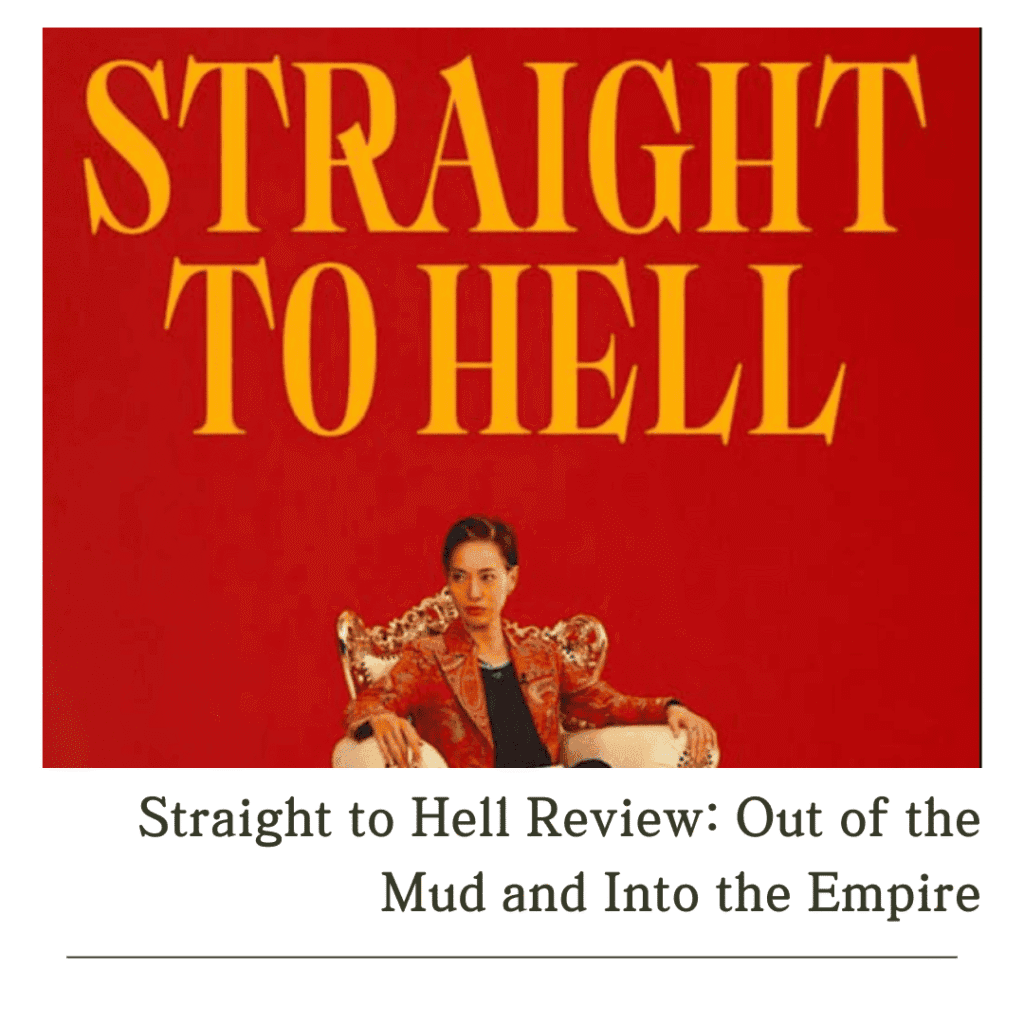
Straight to Hell Review: Out of the Mud and Into the Empire
Unless you have experienced the absolute bottom of human existence, where you are forced to swallow a worm just to survive the night. You cannot begin to map the psychological fuel that drives a person to unimaginable heights.
The Verdict Box
Score: 8.7/10
The Vibe: A sweeping, gritty, and deeply atmospheric character study that charts a legendary woman's survival through post-war ruins, syndicate violence, and the ultimate creation of a media empire.
Watch if you liked: The Empress of Ginza, Sins of Kujo, Educated by Tara Westover.
Skip if: You want a black-and-white moral tale where successful people make it to the top without ever stepping on a single toe.
The Core Question: Is a survival hustle forged in the darker side of humanity ever truly bound by traditional morality?
The Post-War Machine: The Metaphor of the Worm
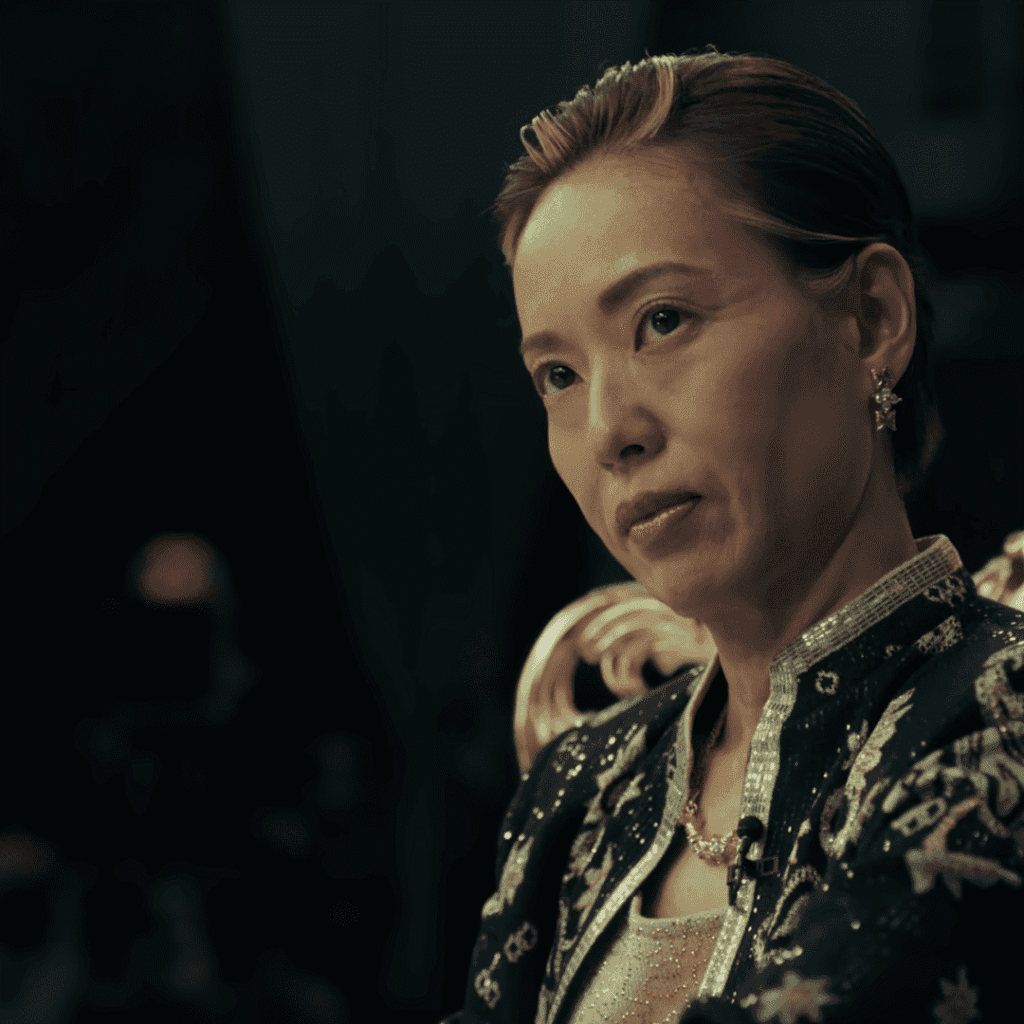
In this Straight to Hell review, we must first recognize the sheer brilliance of Erika Toda’s performance. She carries Kazuko Hosoki through massive generational shifts with a raw, undeniable presence.
The first half of the series is a masterclass in the “rags-to-riches” archetype, anchored by a singular psychological turning point: eating a worm from a shrine as a starving child to ensure her siblings could eat. This scene isn’t just shock value; it is the birth of an undying momentum. From setting up a lunchbox stand with her sister to becoming the undisputed Queen of Ginza, Kazuko’s early rise makes it impossible not to respect the grind. While her falling for Yutaka Sudo’s predatory “Loverboy” scam feels like a classic, painful misstep in love, it serves to wake her up from her naivety and hardens her permanently.
The Yakuza Protocol: Tyrants vs. Soulmates
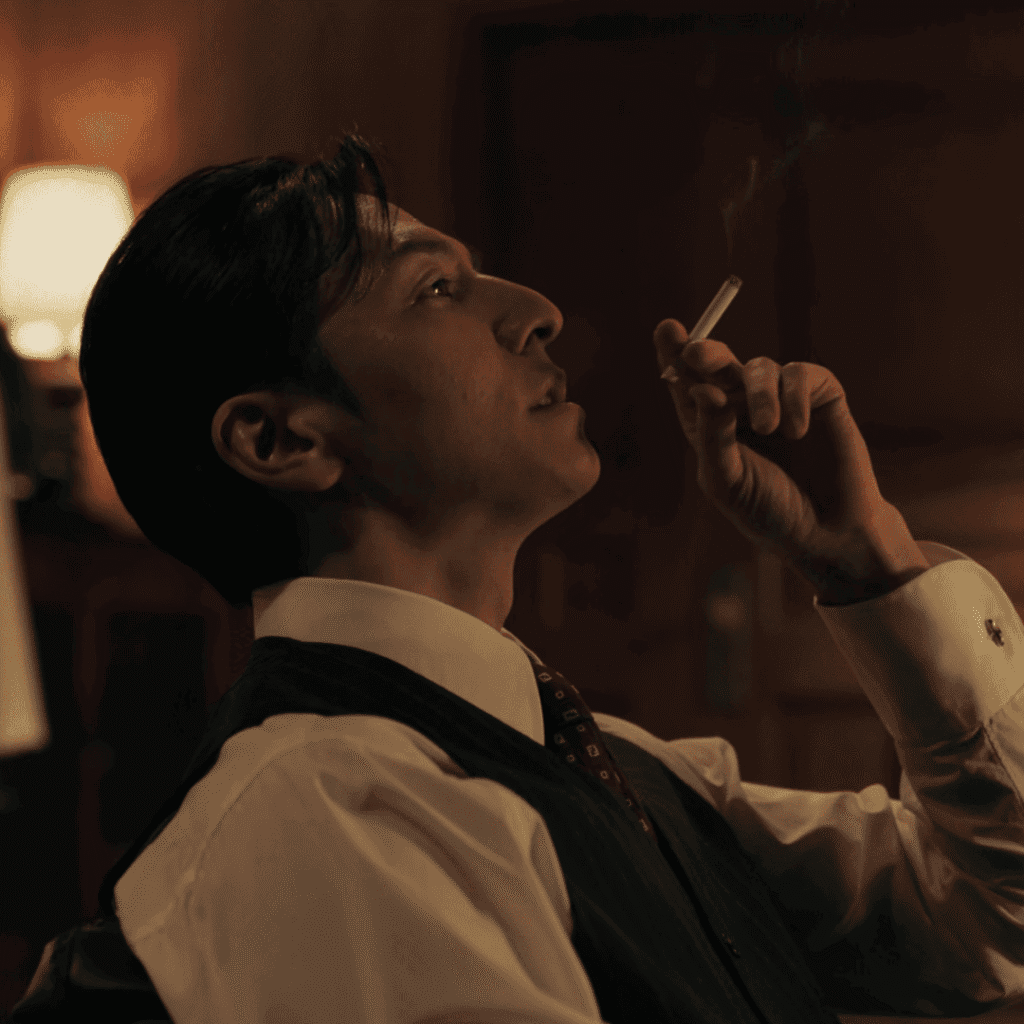
Straight to Hell excels at mapping the dangerous power dynamics of the Japanese underworld. The cycle of brutal exploitation and debt traps orchestrated by the vile, drug-dealing Shotaro Takeuchi highlights the structural violence women face when trying to build independent empires.
The shift occurs with Masaya Hota, an old-school Yakuza operating under an honorable code of duty and loyalty. His intervention isn’t just a clever navigation of the underworld; it is genuine salvation. The deep emotional continuity of the show shines brightest in their connection. Even after the economic bubble bursts and hearts are broken via a scandal with singer Chiyoko Shimakura, Kazuko taking Masaya back on his deathbed proves a profound, lifelong devotion. Her voiced regret to Minori Izumi about never bearing his child strips away the public armor of the tycoon, exposing the human cost of her choices.

The Revisionist Narrative: Hustle vs. Intuition
The structural pacing slows down intentionally in the second half as biographer Minori Izumi begins to uncover alternative histories. When Kazuko’s brother reveals that she skipped her 10-year fortune-telling training and manipulated an older man with dementia to establish her “Six Star Astrology” brand, the narrative enters a fascinating grey zone.
But to label her a complete fraud is an amateur assessment. A woman who spent her youth navigating predatory male clients in Ginza clubs and surviving domestic entrapment doesn’t need a textbook to read minds; she has a master’s degree in human behavior. Her intuition was a business tool used to survive the post-bubble crash (just like converting her clubs into discos for the younger crowd). Insincerity is easily spotted by the masses; the truth of her insight lies safely in the middle.
The Final Pivot: An Unstoppable Force
While the television exit triggered by print media exposés feels slightly rushed and relegated to captions near the end, the ultimate conclusion remains formidable. Kazuko’s pivot to online networks and digital fortune-telling proves that she is an entity the traditional gatekeepers could never fully suppress. She operated in the dark, moral grey because the world she was born into didn’t offer an easy path to security.
Is Straight to Hell based on a true story?

Yes. Straight to Hell is a biographical drama based on the real life of Kazuko Hosoki, tracking her rise from a post-war club owner in Ginza to Japan’s most famous and controversial television fortune-teller.
Who plays Kazuko Hosoki in the Netflix series?

Kazuko Hosoki is portrayed by Erika Toda, who delivers a critically acclaimed performance spanning several decades of the mogul’s life.
What is the “Six Star Astrology” in Straight to Hell?

Six Star Astrology is the unique fortune-telling system popularized by Kazuko Hosoki that combined elements of traditional divination with her sharp, pragmatic understanding of human nature and psychology.
Continue the Investigation
If the gritty, self-educated hustle of this Straight to Hell review captivated you, audit these other files in the archive:
- Sins of Kujo – For another deep dive into high-functioning professionals operating strictly within the moral grey zones of the legal system.
- Yumi’s Cells Season 3 – A completely different look at how past relationship trauma forces a woman to rewrite her internal village’s playbook.
The Jury is Out: Can you fault Kazuko Hosoki for stepping on toes when the system itself tried to crush them from birth? Let’s debate the metrics of survival in the comments. 👇
Disclaimer: This blog is for informational and entertainment purposes only. All copyrights and trademarks for the TV shows, films, and other media referenced are the property of their respective owners. This blog aims to provide original commentary and insights and claims no ownership over third-party content.



One Comment