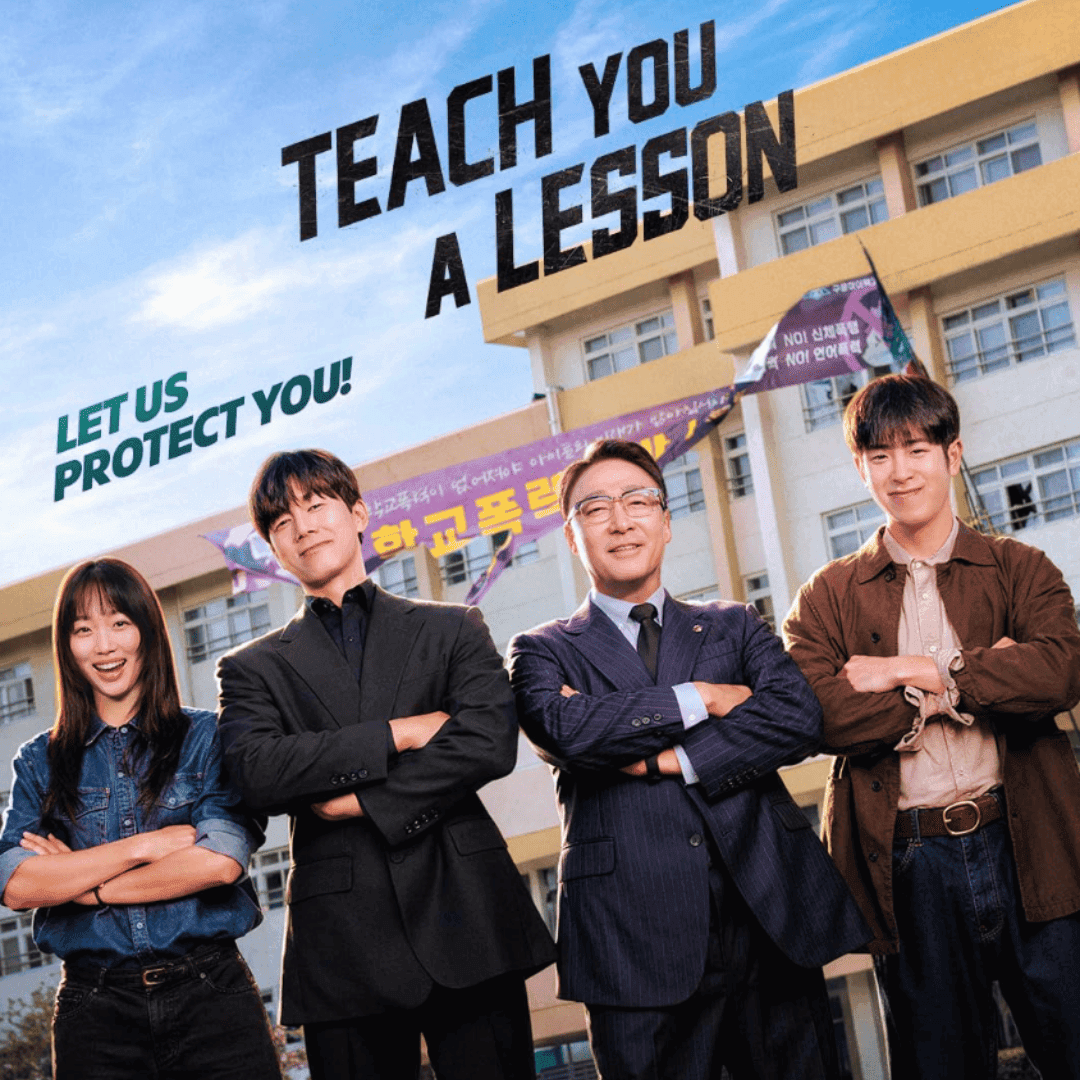
Teach You a Lesson Review(2026): The Cathartic Fantasy and Painful Realities of Classroom Justice
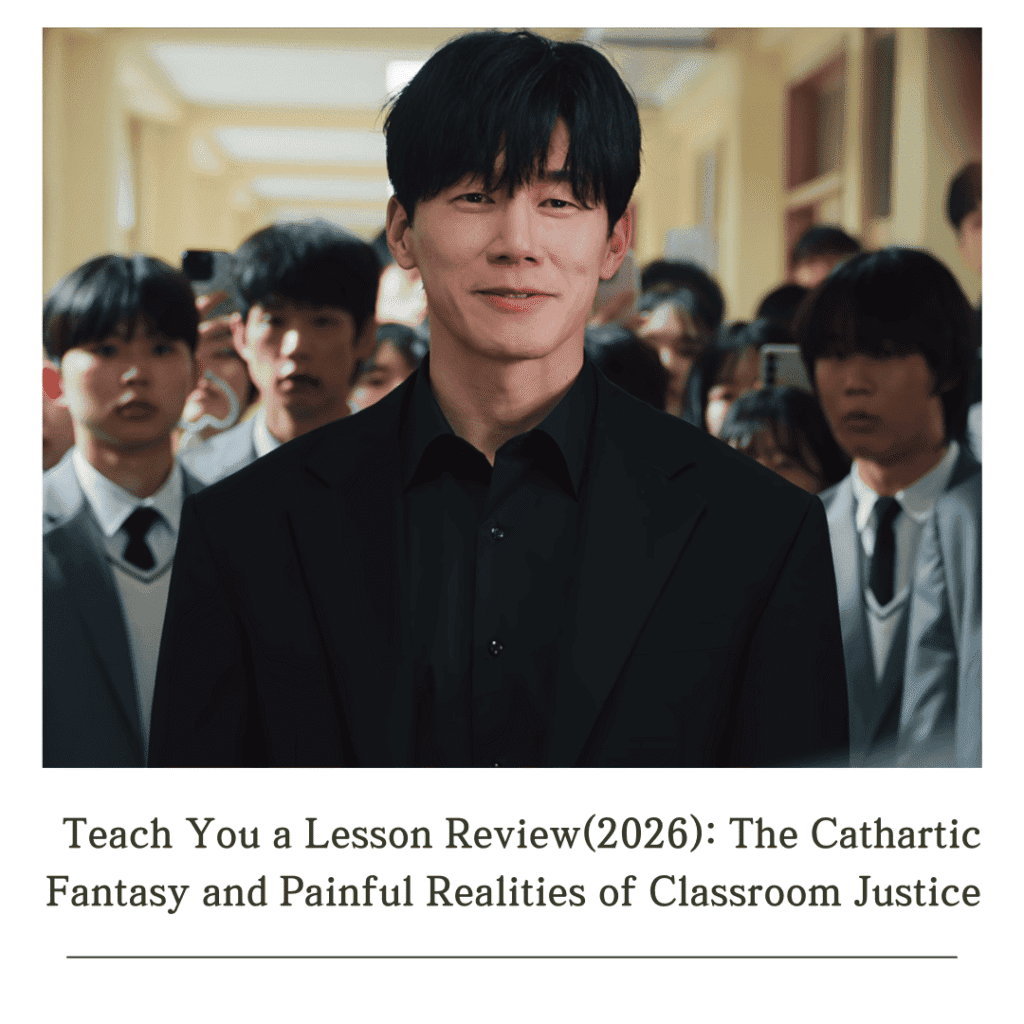
Violence is never the answer, which is exactly why Teach You a Lesson makes you wish it was.
The Verdict Box
Score: 8.5/10
The Vibe: A high-octane, intensely satisfying, and deeply cathartic vigilante thriller that trades traditional classroom politics for an aggressive, fist-first fantasy where systemic corruption faces an immediate physical response.
Watch if you liked: Bloodhounds, or fellow high-stakes educational thriller style dramas like Friendly Rivalry and Study Group.
Skip if: You expect a realistic, legally accurate educational policy drama that stays strictly within the boundaries of real-world classroom protocols.
The Core Question: When a broken system leaves educators completely defenseless, does a fictional escape valve of extreme vigilante justice offer true clarity, or just a dangerous distraction?
Teach You a Lesson Review: The Pendulum Swing: Toxic Helicopter Parents and Vulnerable Educators
For anyone teaching in South Korea today, the power dynamics explored in Teach You a Lesson (also known as True Education / 참교육) aren’t just sensationalized plot points; they reflect a devastating systemic shift. Over the last decade and a half, the pendulum has swung radically. We have moved away from the historic eras of unchecked corporal punishment to a current reality where the scales are heavily tipped in the other direction. Today, an excess of parental control and systemic red tape often leaves passionate educators completely vulnerable and defenseless.
The Teach You a Lesson Review: Mirroring the heartbreaking real life vulnerabilities faced by modern educators, this poignant arc exposes how a massive power imbalance leaves teachers defenseless against malicious parent complaints.
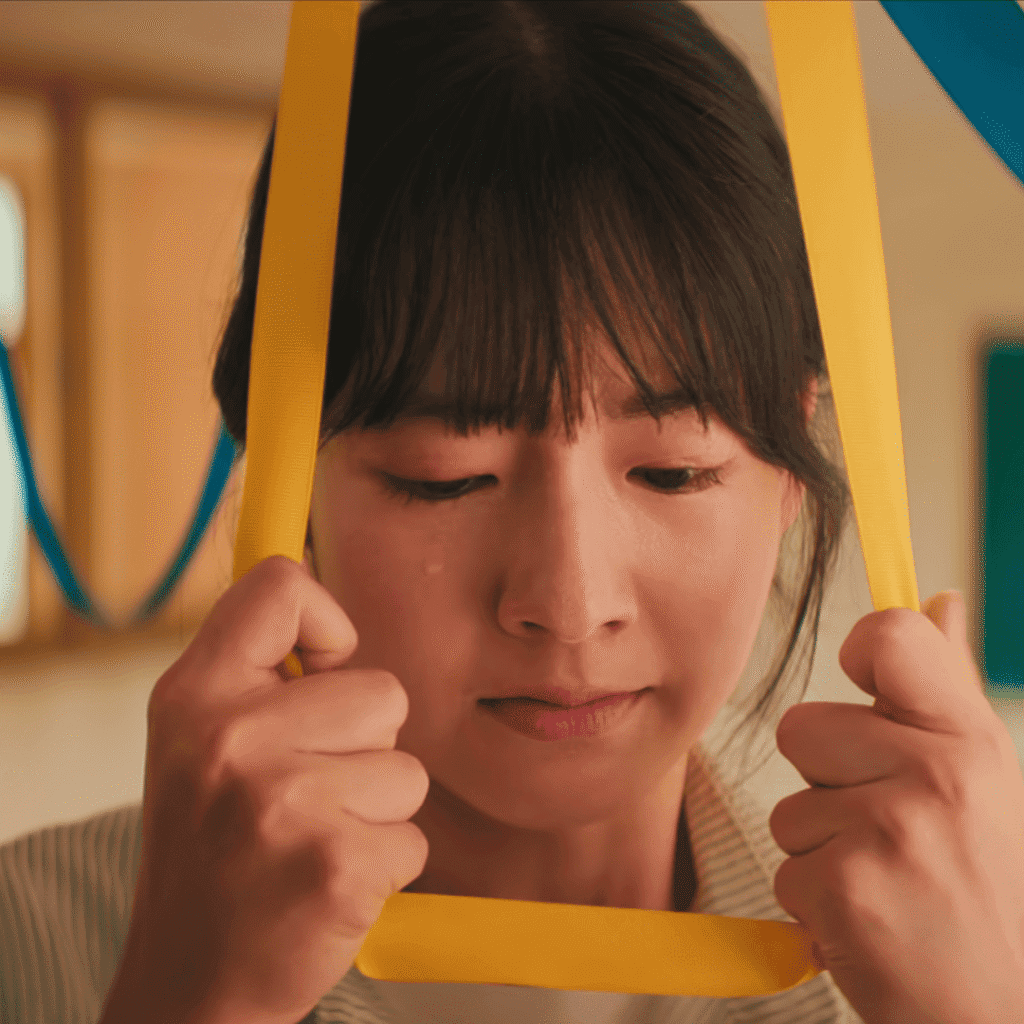
The arc that resonated with me the most—and completely stole the show—involved a dedicated teacher subjected to relentless, malicious harassment by a student’s mother. The constant, threatening messages to her personal phone and the public defamation on Instagram immediately mirrored the heartbreaking real-life tragedy of the Seoi Elementary School teacher in 2023.
Watching the drama depict a young educator brought to the absolute brink of despair in her own classroom was incredibly raw and bittersweet. In real life, that tragedy triggered massive, historic rallies across Korea, with tens of thousands of educators taking collective leave to protest the weaponization of indiscriminate child abuse laws by unscrupulous parents.
Seeing the Educational Rights Protection Bureau step into that specific fictional school felt like a profound, desperate escape valve. It is an acknowledgment from the writers that these problems are desperately real, that educators are hurting, and that the current legal framework is failing to protect the very people shaping the future.
The Reality Matrix: Study Pills, Teen Influencers, and Stylized School Gangs
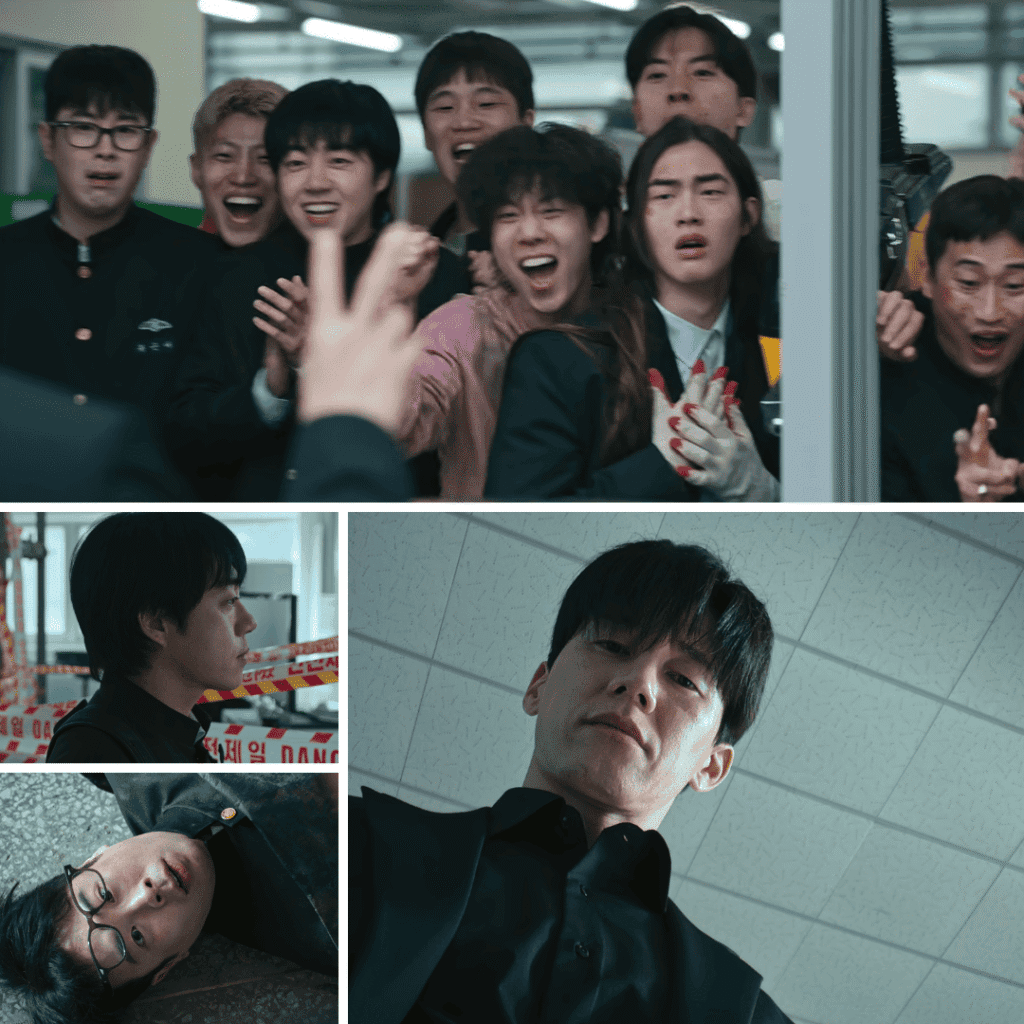
Beyond the complex battle between parents and teachers, Teach You a Lesson pieces together a dense matrix of contemporary youth crises. The show attempts to cross off nearly every major headline affecting modern schools, with varying degrees of realism.
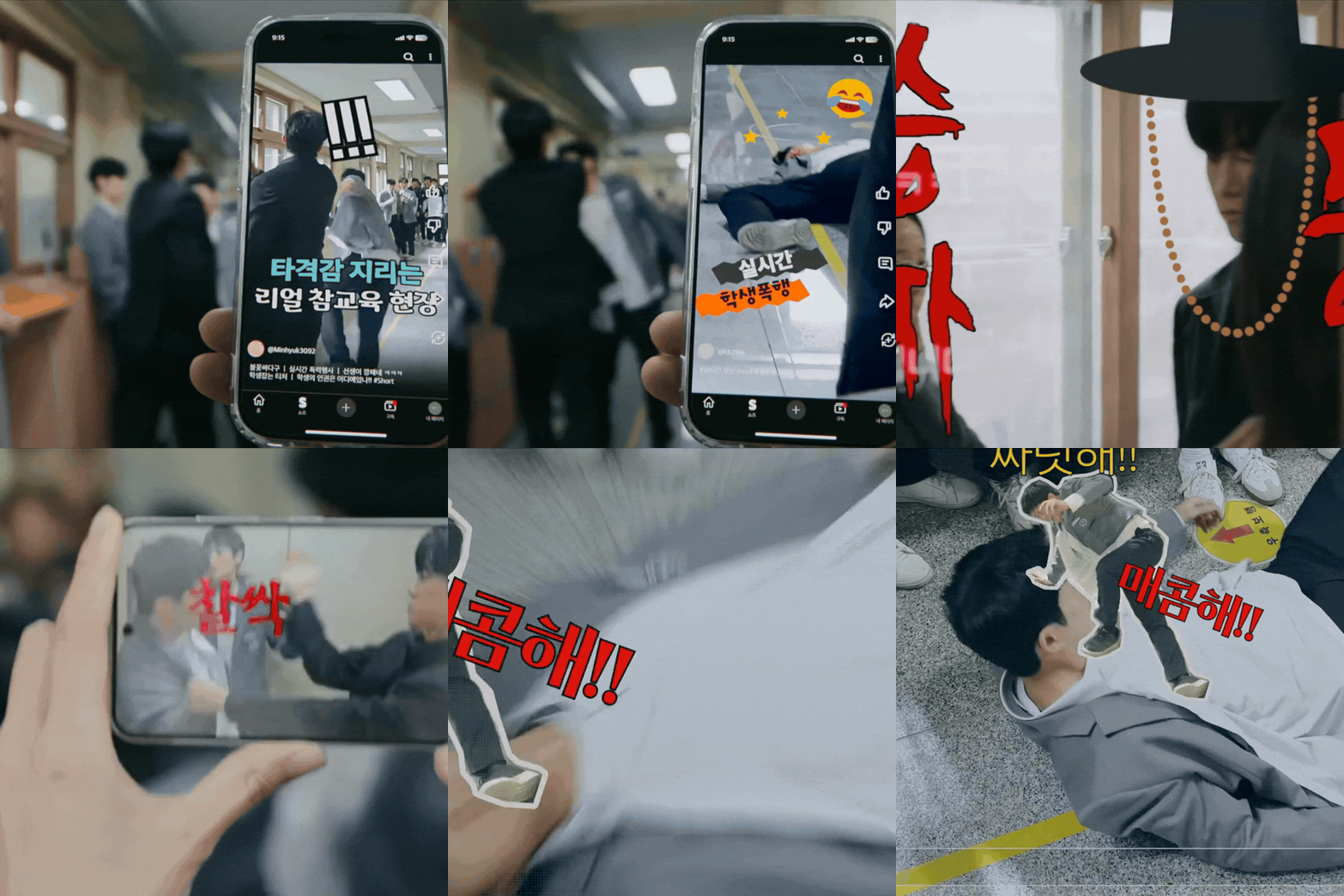
From the extreme pressures of illicit exam cramming to the weaponization of cyberbullying, the series strings together a heavy matrix of contemporary youth crises.

The storyline involving an obsessive mother and illicit pre-med study pills taps into a very real cultural commentary. The extreme pressure to excel in elite academic circles has long driven students to dangerous extremes, a theme masterfully explored as a thriller element in dramas like Friendly Rivalry, where the abuse of ADHD medications is used to artificially increase cramming capacity.
The inclusion of teen influencers weaponizing cyberbullying to ruin lives also feels incredibly timely, capturing the digital battlefields modern kids navigate daily.
Where the show leans heavily into pure comic-book fiction, however, is its depiction of organized school gangs. While heavily stylized gang cultures are a staple of K-webtoons and action dramas (like Study Group), they represent a highly dramatized slice of youth culture rather than the average, everyday classroom reality. Yet, by packaging all of these distinct crises together, the series ensures that the narrative pacing remains fast, aggressive, and constantly engaging.
Teach You a Lesson Review: The Fictional Escape Valve: Cathartic Entertainment Versus Balanced Intervention
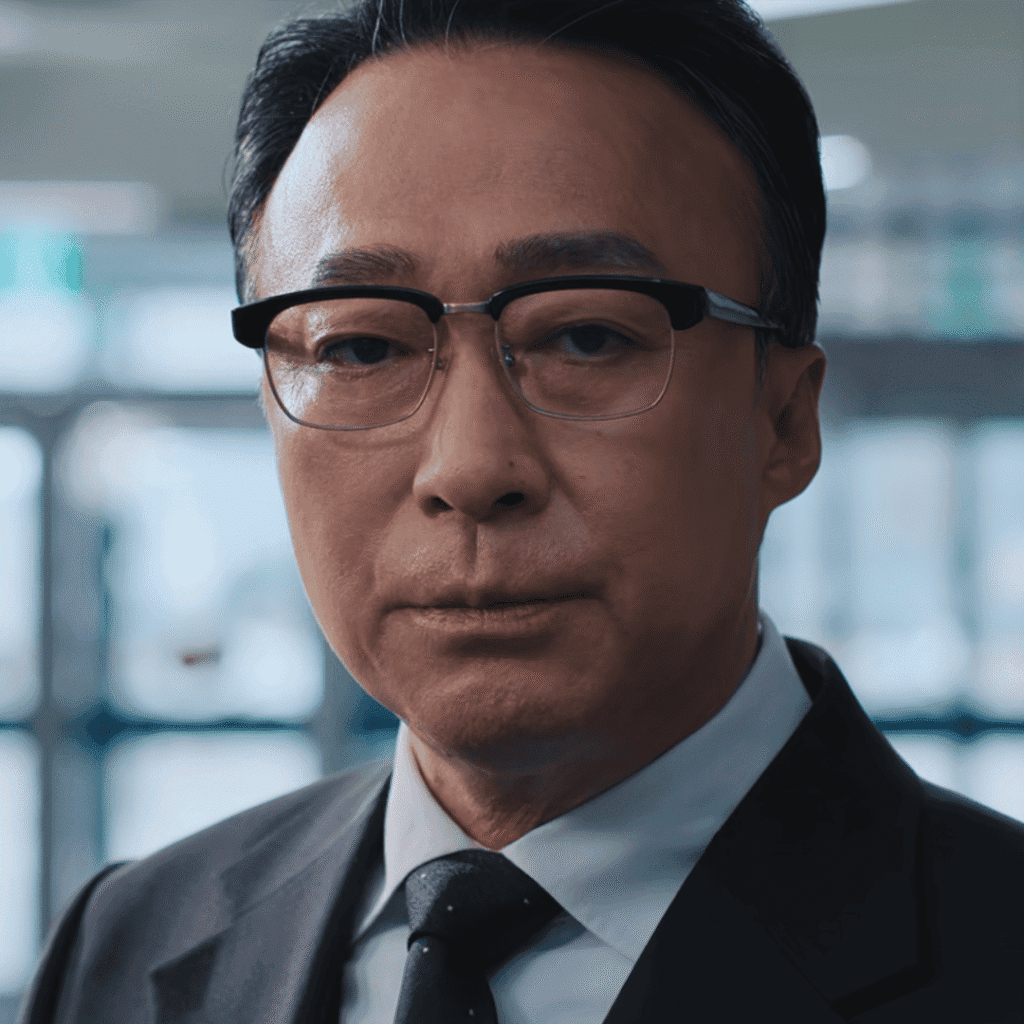
Let’s be completely fair: the physical enforcement utilized by Na Hwa-jin (Kim Mu-yeol) and Im Han-rim (Jin Ki-joo) is pure fantasy. In a civilized education system, allowing a government bureau to use physical violence and martial arts against students or parents would be utterly ridiculous and unacceptable. Violence is never the answer, and the show’s reliance on fist-first justice is highly problematic when viewed through a literal lens.
The Teach You a Lesson Review: While the over the top physical enforcement serves as a cathartic escape valve for viewers, the narrative ultimately highlights a desperate real world need for systemic balance.
But as a piece of television? It is brilliantly executed, highly entertaining, and deeply satisfying. When the system fails so completely that unscrupulous individuals can exploit the law to destroy innocent lives, the human brain craves immediate, unadulterated karma. That is exactly what this show provides.
Ultimately, Teach You a Lesson works best not as a blueprint for real-world policy, but as a stark, dramatic cry for help. It highlights a desperate need for the government to step in and establish a fair, balanced middle ground—a system that actively protects teachers from malicious exploitation while maintaining a safe, nurturing environment for students.
With steady pacing, excellent acting, and just enough light relief to keep the heavy subject matter from becoming entirely suffocating, Season 1 delivers an unforgettable ride that demands a second season.
FAQ: Teach You a Lesson Season 1
Is the Educational Rights Protection Bureau a real organization?

No, the Educational Rights Protection Bureau is a completely fictional government entity created for the series to serve as a cathartic, storytelling escape valve for real-world educational frustrations.
How does the drama connect to real-life events in South Korea?

The series heavily mirrors contemporary headlines, most notably the intense pressures of parental harassment, which deeply echoes the tragic real-life 2023 Seoi Elementary School teacher case and the subsequent nationwide educator protests.
Does the series accurately depict Korean school life?

While issues like intense parental pressure and exam-cramming study pills reflect real cultural commentaries, the extreme physical violence, martial arts showdowns, and organized school gangs are heavily stylized for dramatic entertainment purposes.
Continue the Investigation
If the high-stakes classroom tension of this review kept you reading, check out these other gritty school dramas on the blog:
Weak Hero Class 2 Review – An alternate, gripping look at a brutal institutional system where a brilliant student must rely on raw strategy and calculated grit to survive relentless playground warfare and systemic indifference.
Study Group: The Final Verdict – For a deeper dive into heavily stylized action, webtoon-inspired school turf wars, and characters fighting to maintain their right to learn in a hostile environment.
Let’s talk in the comments: When a television series handles real-world systemic trauma through an over-the-top, violent fantasy instead of a realistic legal solution, does it provide a satisfying sense of closure, or does the stylized approach distract from the gravity of the actual issue? Drop your verdict below!
Disclaimer: This blog is for informational and entertainment purposes only. All copyrights and trademarks for the TV shows, films, and other media referenced are the property of their respective owners. This blog aims to provide original commentary and insights and claims no ownership over third-party content.



3 Comments