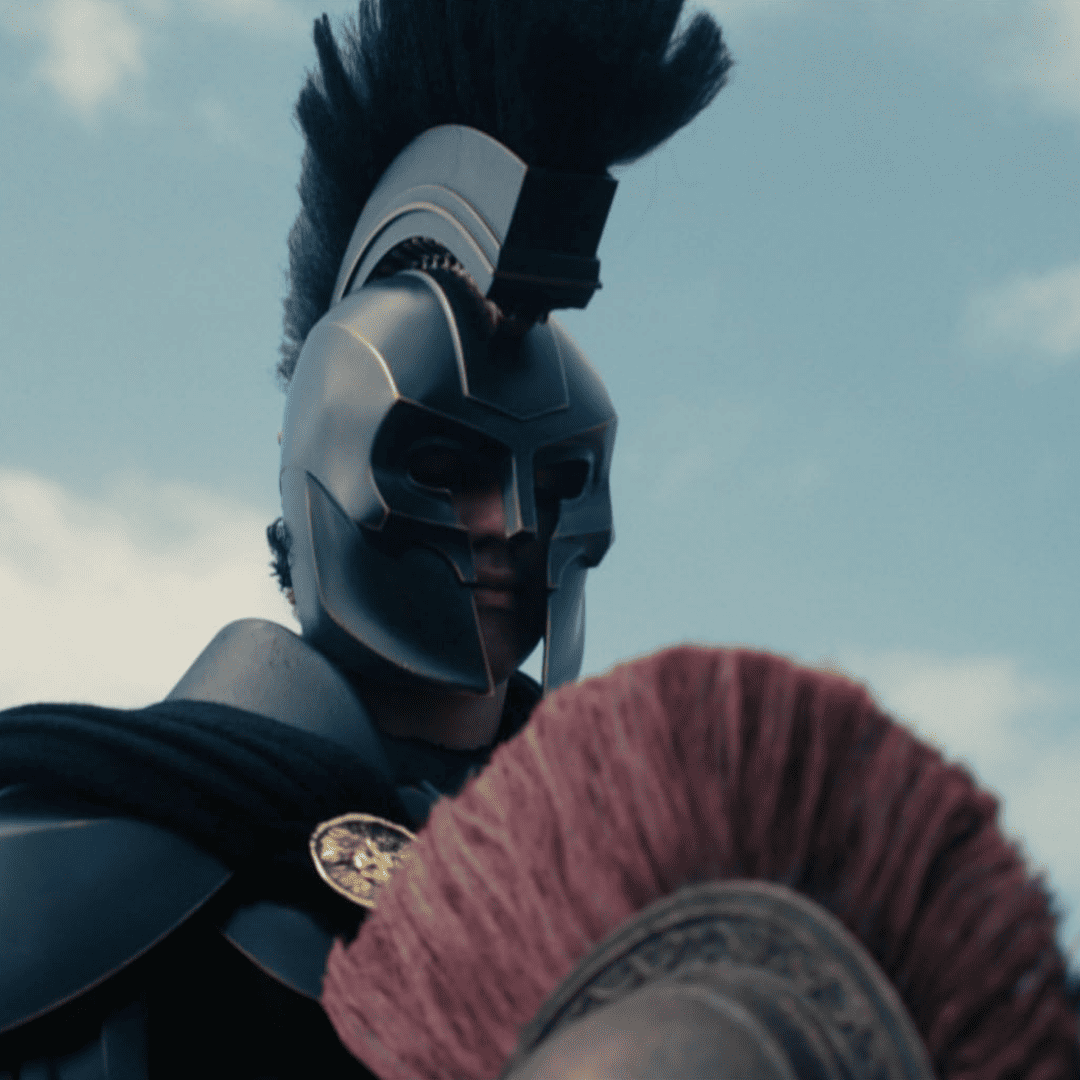
First Takes: Christopher Nolan’s ‘The Odyssey’ Movie Review (2026) – A Dark, Flawed Mythic Epic
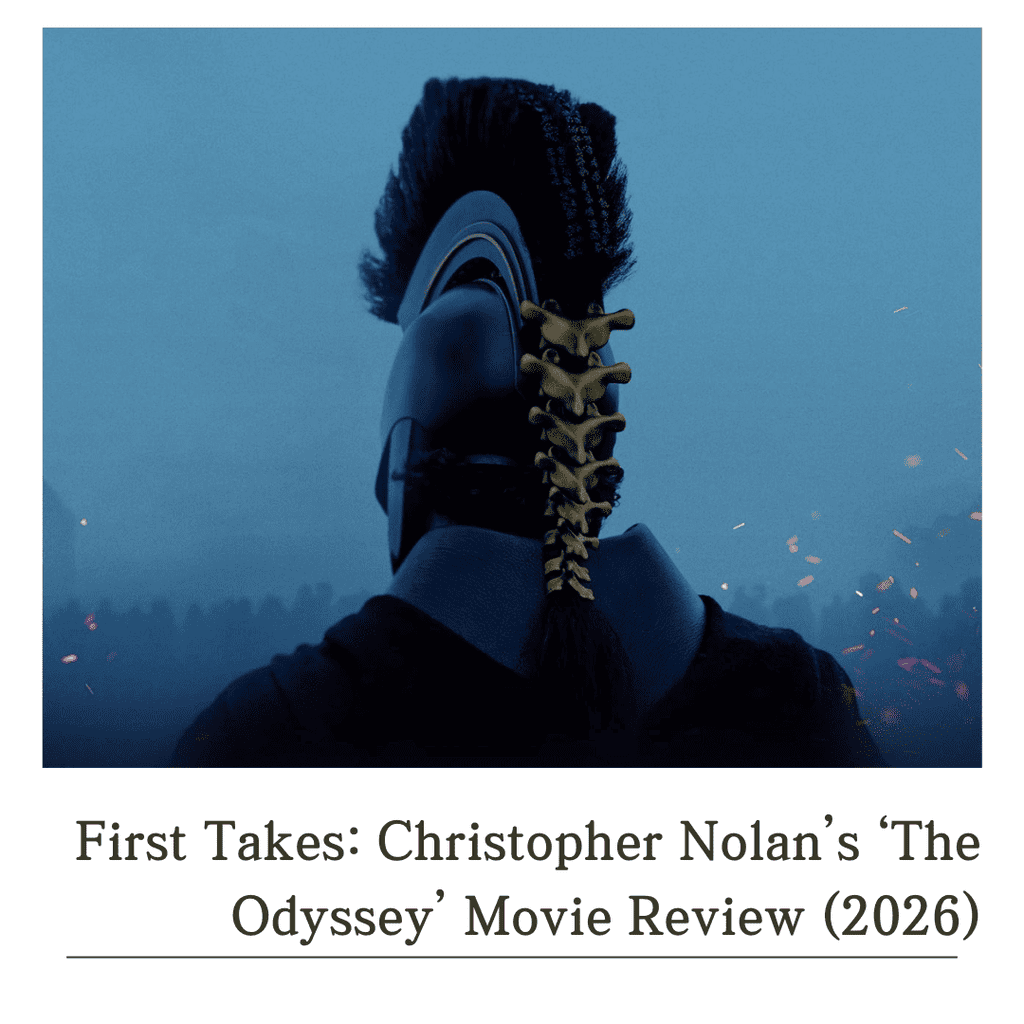
The Verdict Box
Score: 8.75/10
The Vibe: A massive, shadow-drenched mythic epic that swaps out formulaic action beats for visceral creature horror, devastating character flaws, and tragic scale.
Watch if you liked: Troy, Gladiator, 300, complex Greek lore, and uncompromised cinematic craftsmanship.
Skip if: You prefer lighthearted action-adventures, fast-paced episodic fantasy, or hero stories without dark moral ambiguity.
The First Takes: Christopher Nolan’s ‘The Odyssey’ movie review: If you spent your weekend sitting in a packed IMAX theater taking in Christopher Nolan’s massive mythic adaptation of The Odyssey, you already know we aren’t dealing with a generic, sanitized Hollywood blockbuster. Stepping out right from my first viewing, it is clear that Nolan has seriously honed his visual scope. Backed by what feels like an uncompromised production budget, this film completely blew past my expectations and tapped into a deep wave of personal nostalgia.
Having devoured volumes upon volumes of Greek mythology as a teenager, revisiting Homer’s epic on an enormous scale brought all those feelings rushing back instantly. The film does not merely adapt the text; it completely captures the grand, tragic atmosphere of the original myth. For anyone missing the golden age of mythological cinema, this is a pure cinematic spectacle.
Here is my honest First Takes breakdown of the visual mythic horror, Matt Damon’s tragic portrayal of hubris, and the brutal storytelling of ancient Ithaca.
Visual Triumph & Mythic Horror
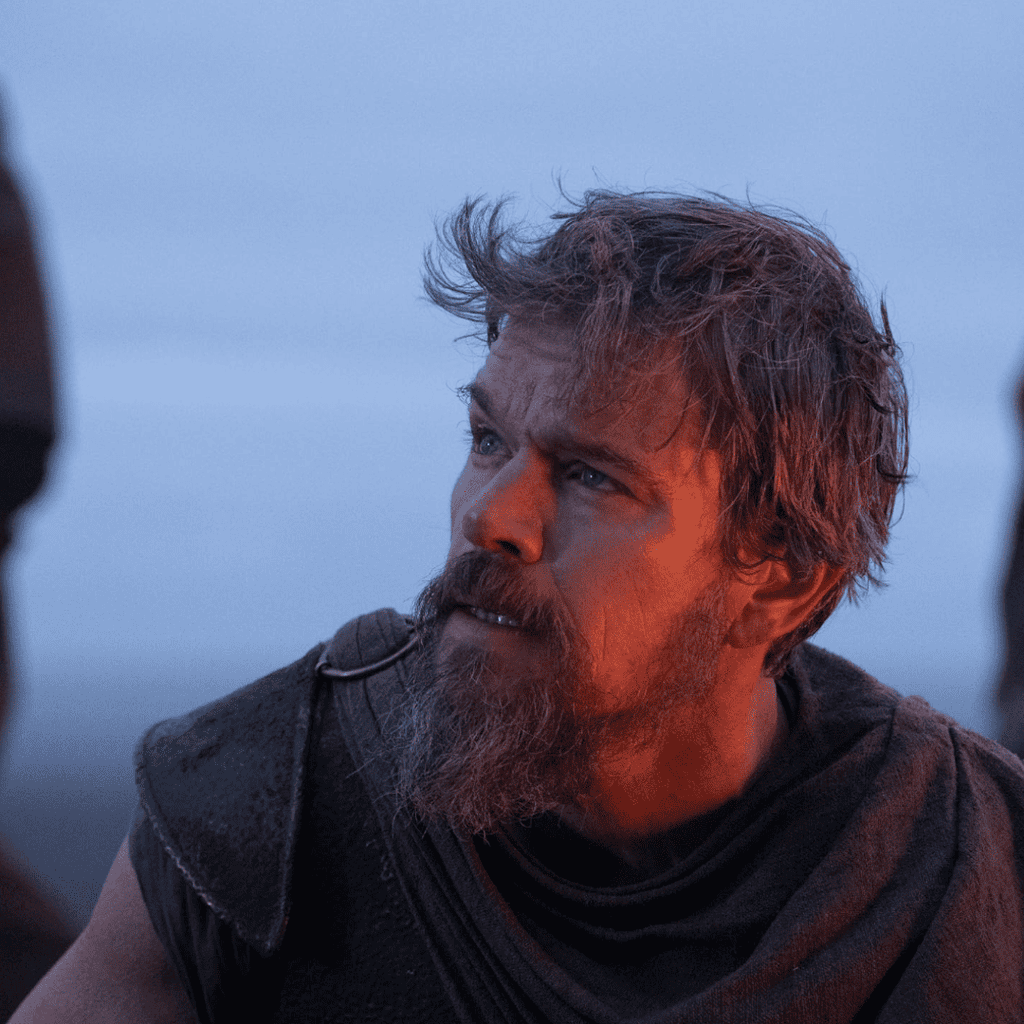
I am a viewer who tracks visual storytelling above all else, and visually, The Odyssey is a masterpiece. The production scale and seamless cinematography completely elevate the supernatural elements, making the monsters feel terrifyingly grounded and believable.
From the very first frame, the visual direction grabs hold of you. The opening sequence featuring the Trojan Horse stranded on the beach was stunning, immediately establishing the sheer weight of the war before sliding into dark folklore.
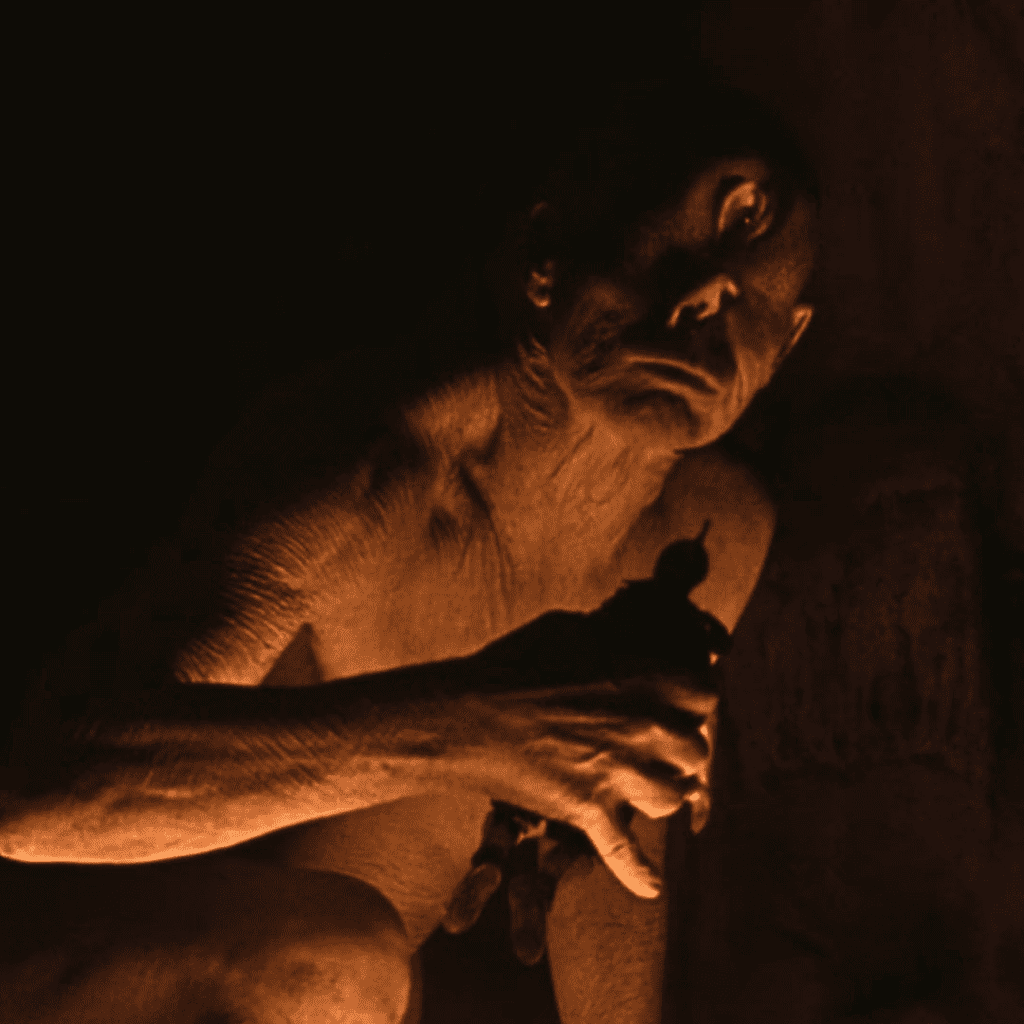
Nolan’s execution of the supernatural realm feels delightfully eerie and visceral. The sequence where Circe turns the crew into swine was horrific in the best way possible; watching her mold their faces like raw clay while they blindly gorged themselves on food captured the theme of gluttony brilliantly. Soon after, the colossal, armored giant soldiers pulling up on the shore to slice the crew to bits provided pure, terrifying creature scale.
While I would have loved even more time with the sirens, plugging the crew’s ears with beeswax while Odysseus agonized over their song—describing it as a chorus of all his broken promises—was a brilliant thematic touch. Combined with the misty, haunting trip to Hades to consult the shades, the spirit world coexisting beside reality felt desolate, haunting, and beautifully atmospheric.
The Odyssey Movie Review: Strategic Genius vs. Crushing Hubris
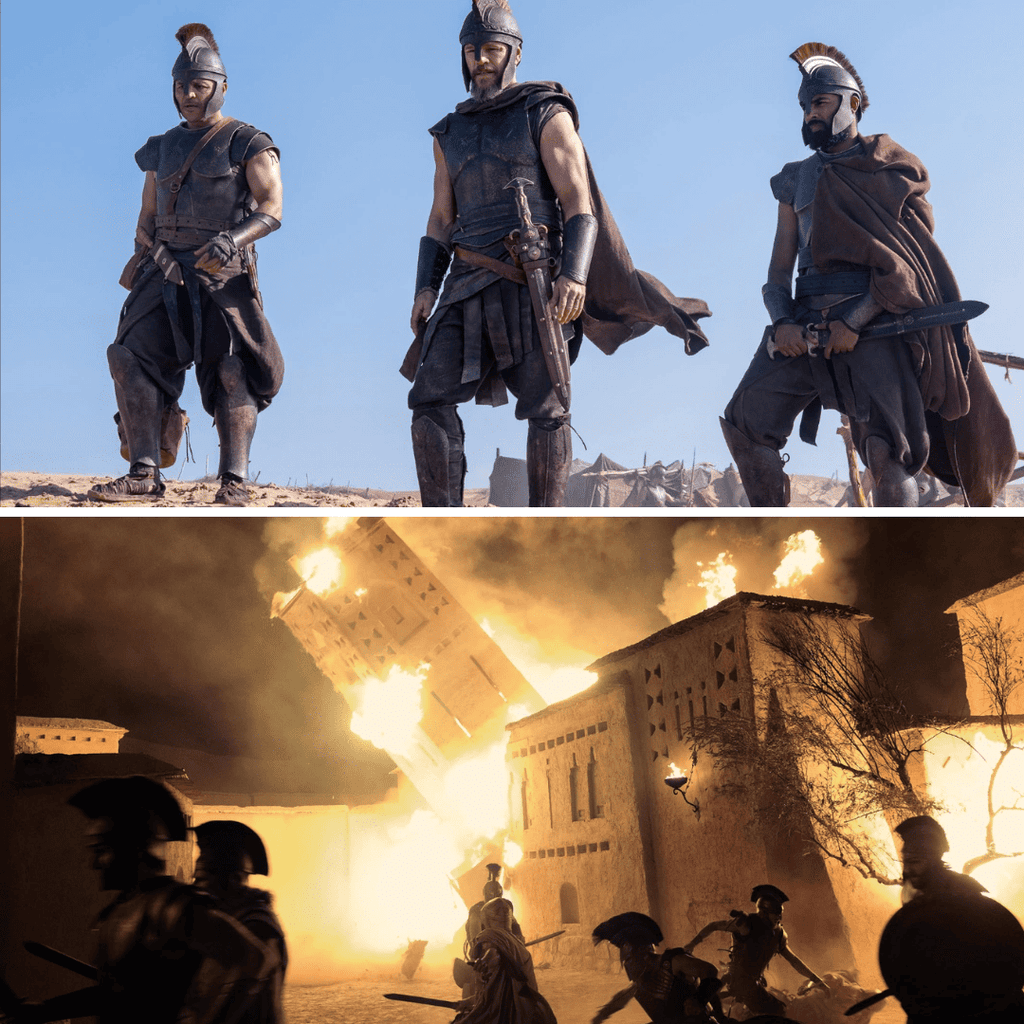
Can we talk about Matt Damon’s portrayal of Odysseus? This performance is an absolute standout piece of character study. Damon effortlessly balances the arrogant strategist against the weary traveler, ensuring Odysseus is never portrayed as a simple, flawless action hero.
His intellect is what breaches the walls of Troy, yet the movie does not hide the horrific reality of that victory. Seeing the indiscriminate slaughter of women and children forces Odysseus to confront the brutal gravity of his own mind.
On Calypso’s island, we see him as a broken man who drowned his memories in lotus nectar, losing seven years of his life while his wife and son suffered back home. His brilliant problem-solving is on full display when escaping Polyphemus’ cave, but his hubris steals the show when he shoots at the Cyclops anyway. He refuses to be at the mercy of Poseidon or the gods, desperate to control his own fate no matter the cost.
The Pacing of a Mythic Tragedy: The Unraveling Homefront
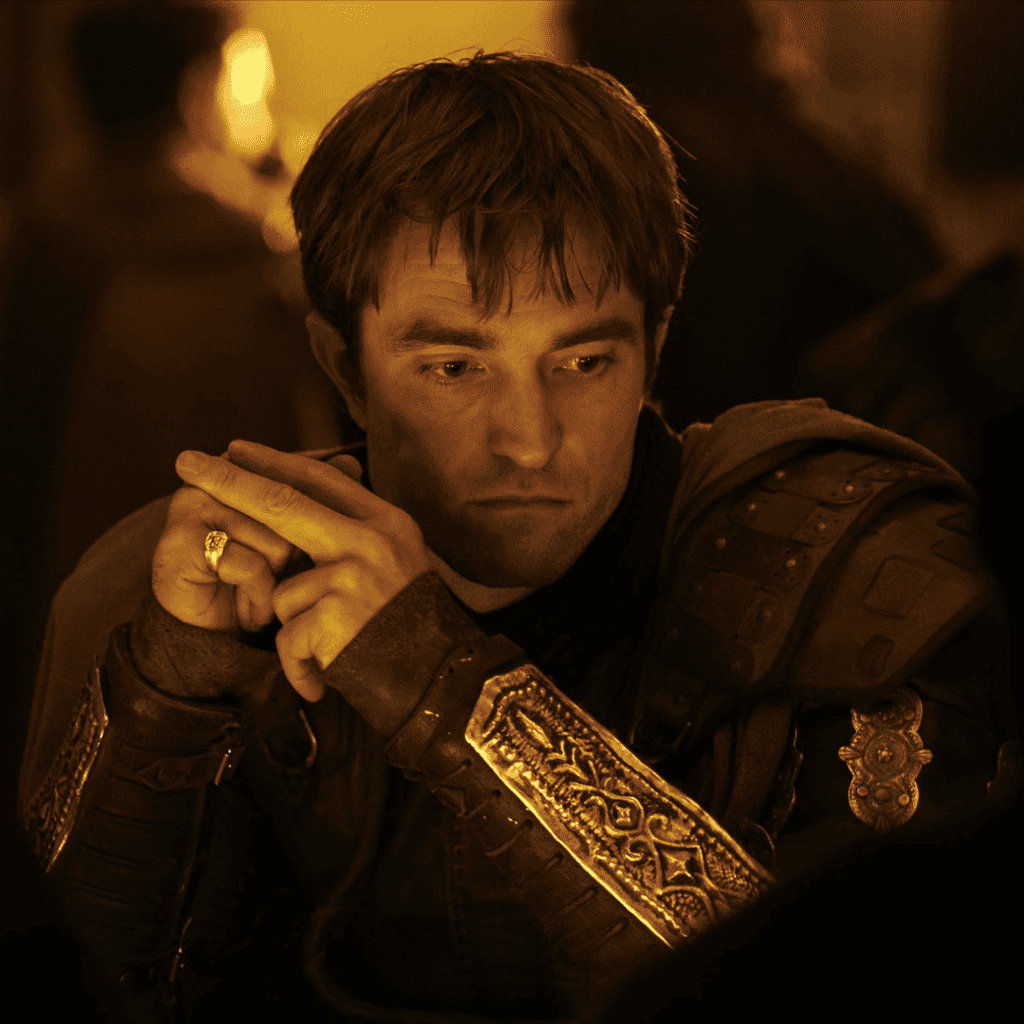
For an epic covering a decade-long voyage, the narrative pacing feels remarkably steady. The dual storylines between Odysseus’ perilous journey and the mounting tension in Ithaca unravel at a perfect pace.
In Ithaca, the savagery of the suitors vying for the throne creates an oppressive, tense atmosphere. The visual decay of the palace court matches the moral decay of the men trying to seize power. They aren’t just suitors; they are brutish predators seeking the throne through intimidation and greed.
Penelope’s unwavering loyalty, paired with the quiet recognition from old servants, grounds the final act in genuine human emotion. The film builds toward an explosive climax where intellect and vengeance collide, delivering a third act that feels earned, tragic, and deeply satisfying.
The Odyssey: Frequently Asked Questions (FAQ)
Is Christopher Nolan’s The Odyssey faithful to Homer’s original myth?

While the film takes cinematic liberties with pacing and scale, it stays remarkably faithful to the core themes, character flaws, and major plot beats of Homer’s epic. Key mythic encounters—such as the Trojan Horse, Polyphemus the Cyclops, Circe’s island, and the descent into Hades—are all faithfully adapted with a grounded, visceral focus on hubris and war.
Why did Circe turn Odysseus’ crew into pigs in The Odyssey?
In Greek mythology and the film, Circe turns Odysseus’ men into swine as punishment for their gluttony and lack of discipline. After feasting mindlessly at her banquet, their physical transformations mirror their animalistic, uncontrolled desires.
Why did Odysseus shoot the Cyclops after escaping?
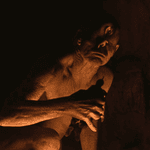
Odysseus shoots Polyphemus due to his overwhelming hubris and desire for fame (kleos). Even after successfully outsmarting the Cyclops and escaping his cave, Odysseus’ pride prevents him from leaving silently; he insists that the monster knows the name of the man who bested him, inadvertently drawing the wrath of Poseidon.
Do I need to read Homer’s The Odyssey before watching the movie?
No prior reading is required. The film is crafted as a standalone cinematic epic that clearly establishes its characters, gods, and world-building. However, familiarity with Greek mythology will help you appreciate the subtle visual details, tragic foreshadowing, and creature lore woven throughout the story.
Blakes’s Bias: Continuing the Investigation
Before I head back to the theater for a second viewing on the biggest screen possible, I want to hear from you:
Let’s check the First Takes pulse: For those who have seen The Odyssey, how are we feeling about Nolan’s approach to Greek mythology? Did Circe’s transformation scene creep you out as much as it did me? And how do you think Matt Damon’s Odysseus compares to classic mythological performances of the past?
Drop your initial ratings and impressions in the comments below!
What to Read Next on the Blog
If The Odyssey left you craving more high-stakes mythology, dark folklore, or ancient magic, check out these reviews next:
- Need a supernatural fix with mystical powers and ancient promises? Dive into my Genie: Make a Wish K-Drama Review for a look at magical bargains and modern folklore.
- Obsessed with dark shamanism, spirit realms, and royal curses? Don’t miss my The East Palace Mid-Season Review to uncover the haunting conspiracy taking over Joseon.
Disclaimer: This blog is for informational and entertainment purposes only. All copyrights and trademarks for the TV shows, films, and other media referenced are the property of their respective owners. This blog aims to provide original commentary and insights and claims no ownership over third-party content.