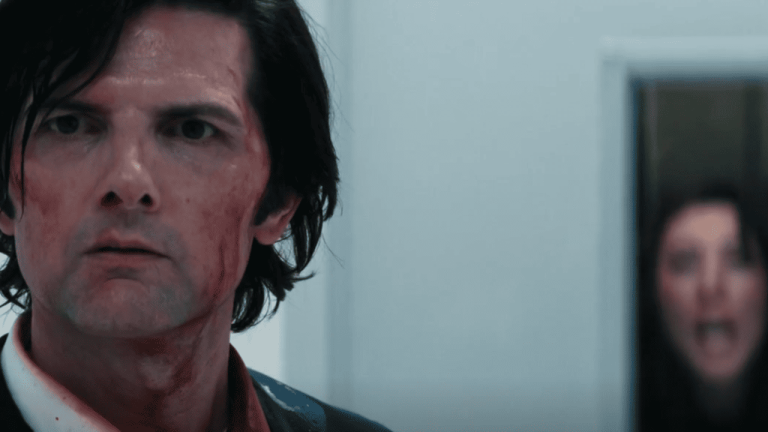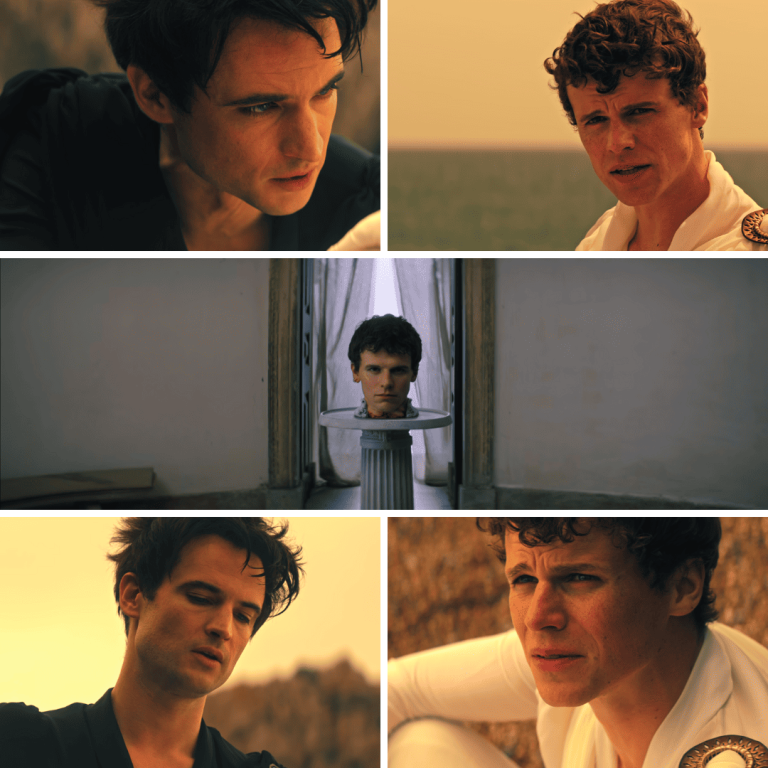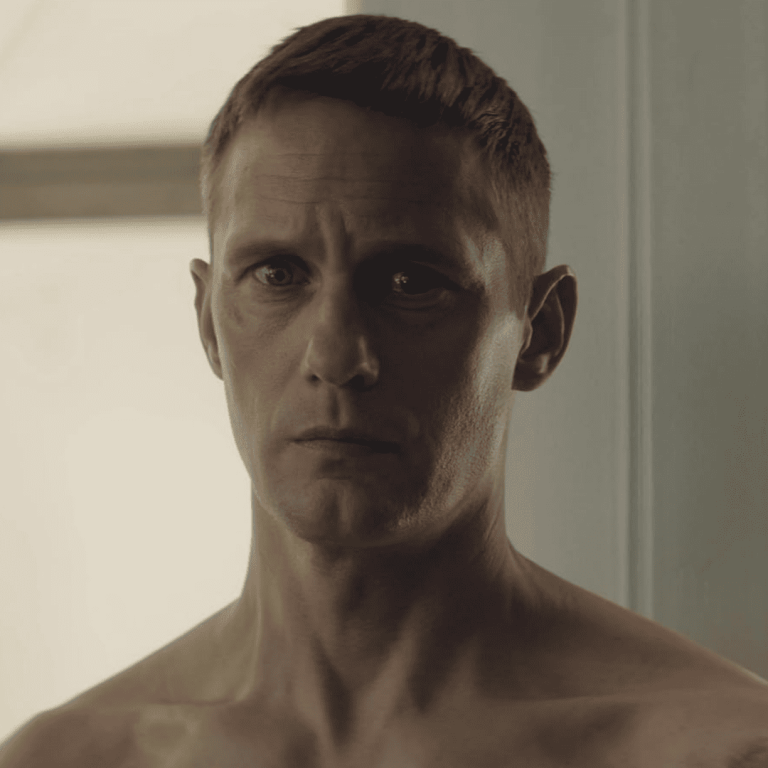
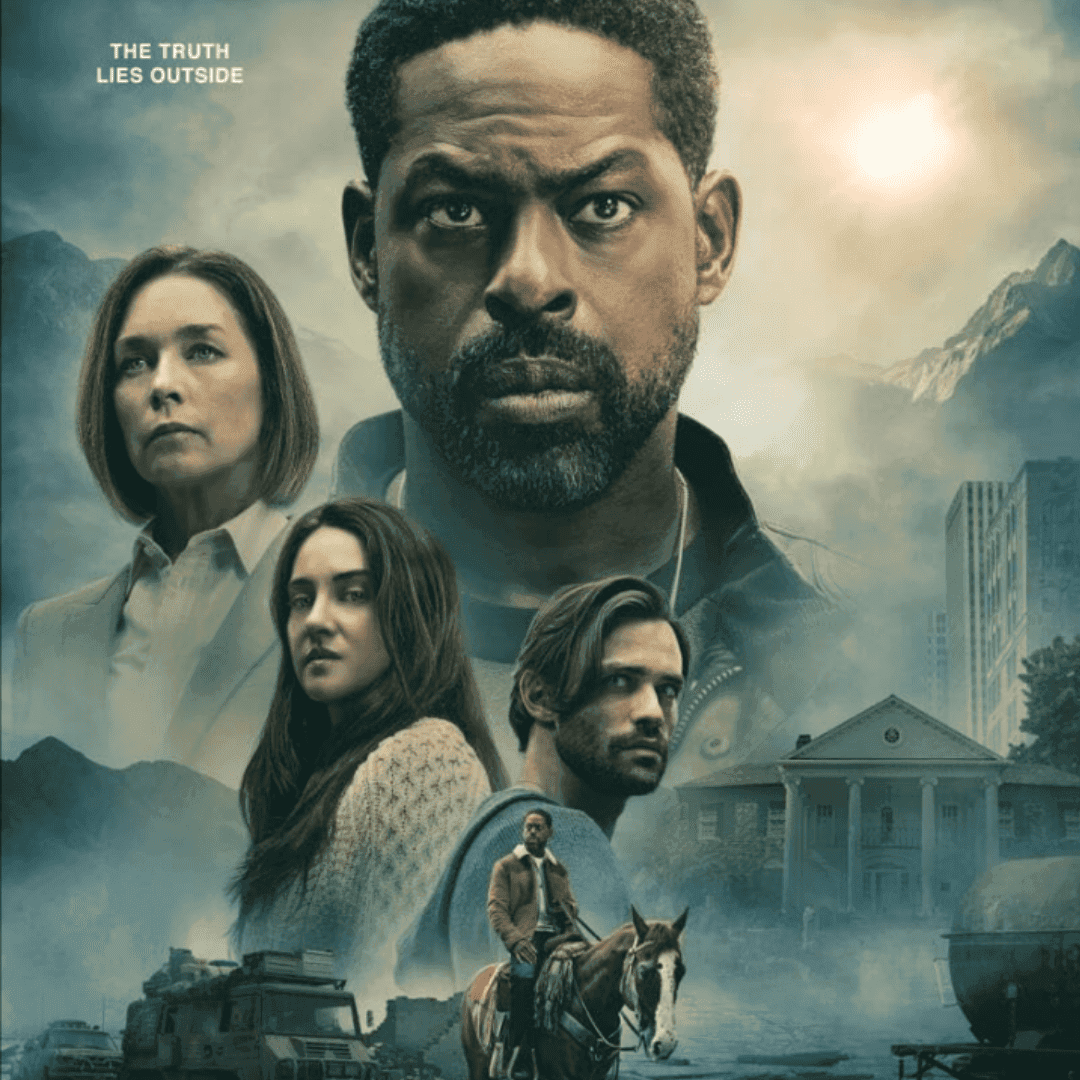
Paradise Season 2 Mid-Season Review: The Bunker May Save Humanity, But At What Cost?
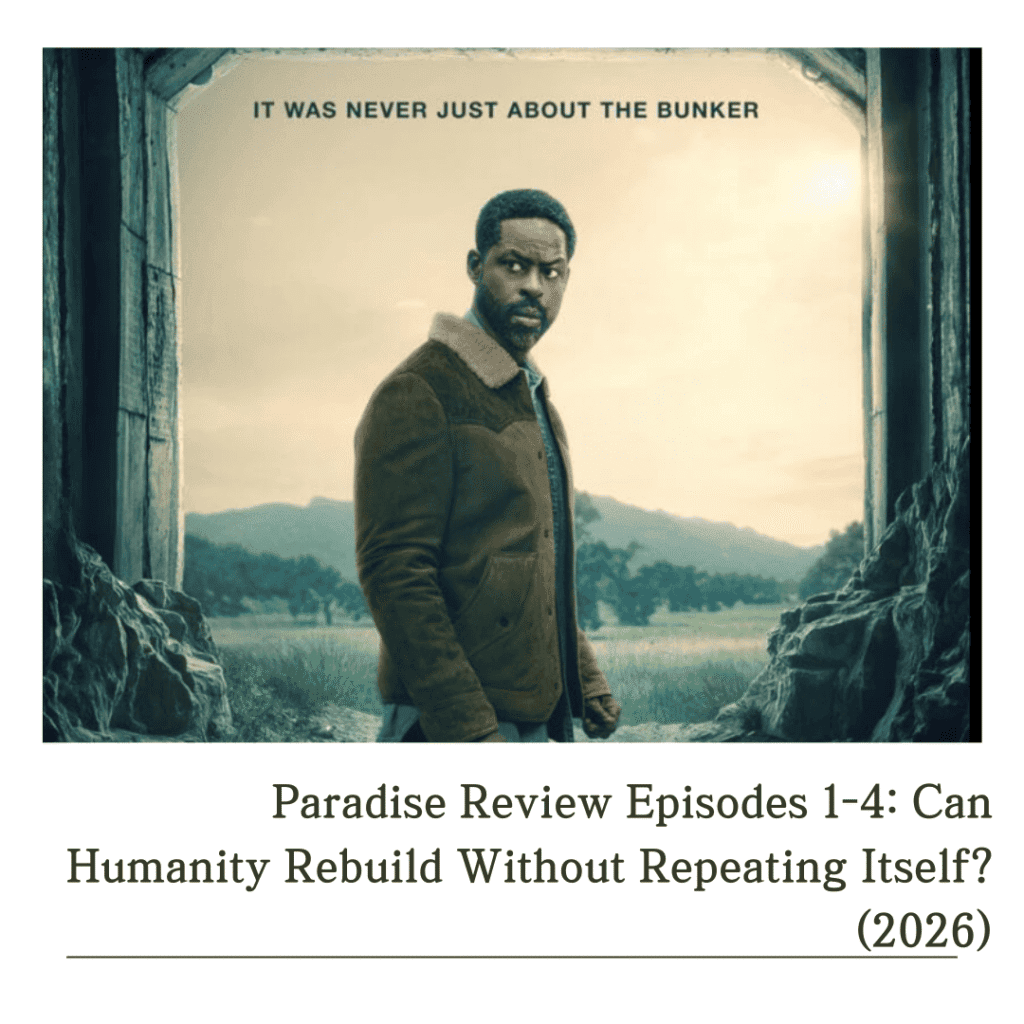
“After the end of the world, survival isn’t the hardest part. Deciding what kind of world deserves to replace the old one is.”
The Verdict Box
Score: 8/10 (Episodes 1-4)
The Vibe: Post-apocalyptic survival drama that slowly reveals itself as a philosophical argument about whether humanity deserves another chance.
Watch if you liked: Silo, The Last of Us, Station Eleven
Skip if: You want fast-paced apocalypse action rather than character-driven ethical questions.
The Core Question: When civilization collapses, do we rebuild freedom… or just build better cages?
Paradise Season 2 Mid-Season Review: Humanity After the End
Most post-apocalyptic stories begin with destruction. Paradise does something more interesting. It begins with memory.
The opening scenes set at Graceland immediately frame the show’s central tension. For Americans, Graceland isn’t just a house. It’s a shrine to Elvis Presley, a symbol of cultural mythology, nostalgia, and celebrity worship. It represents the softer side of civilization: music, tourism, and collective memory.
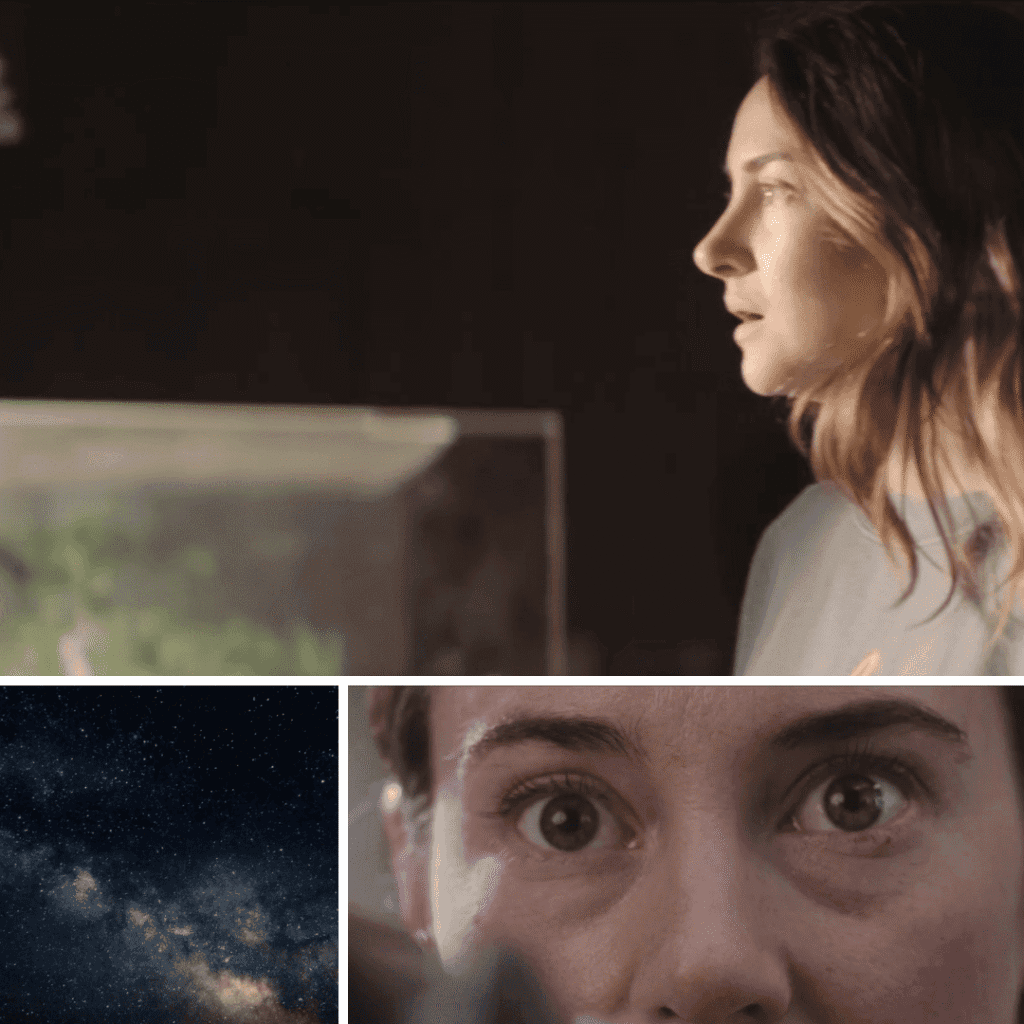
Seeing it empty, silent, and reduced to a survival shelter is unsettling. Annie continues giving her tours even when there are no visitors left to hear them. The stories are still delivered with the same reverence, as if preserving history might somehow preserve humanity itself.
The contrast is deliberate. The world before the disaster was messy, chaotic, and full of trivial pleasures. The world after is brutally simple. No crowds. No music. Just survival.
That juxtaposition quietly sets up the question the entire season seems to be circling: What parts of humanity are actually worth saving?
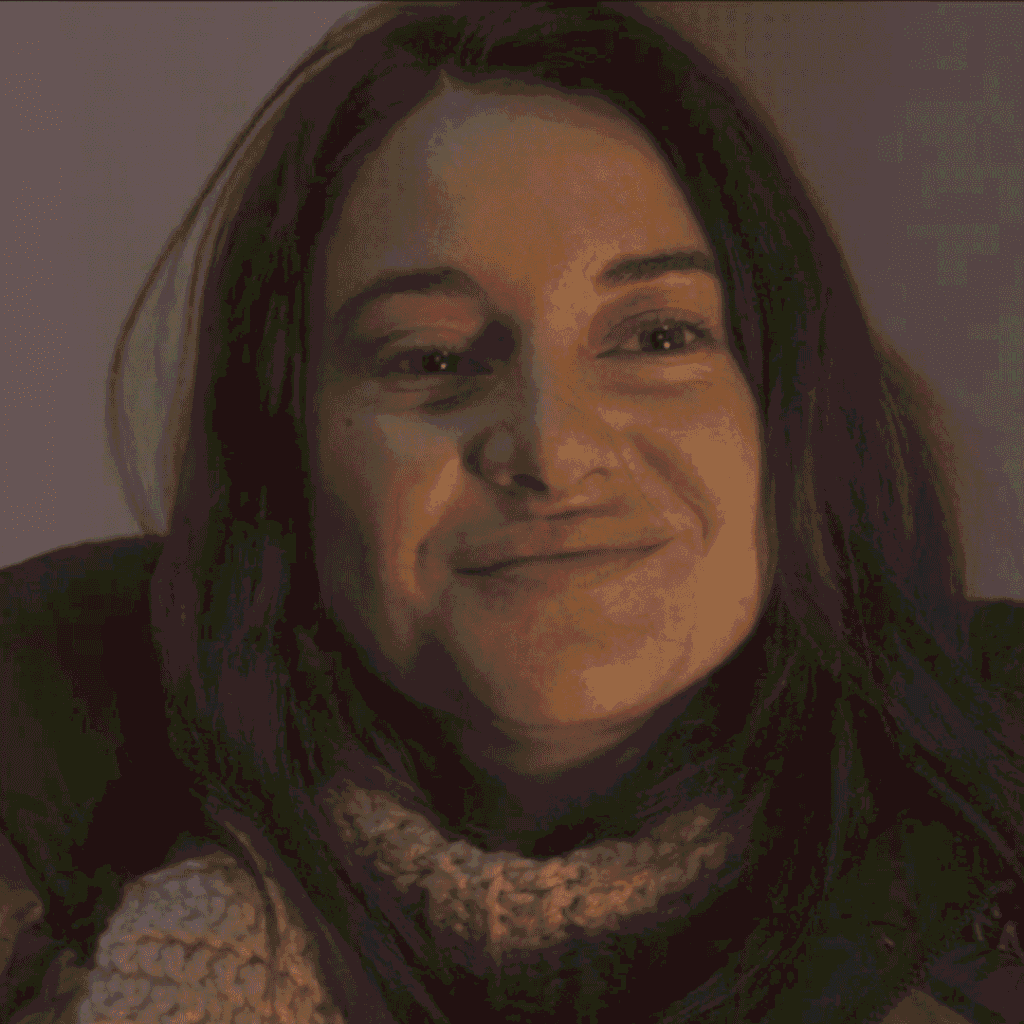
Annie and the Fragility of Trust
Annie quickly becomes one of the most emotionally grounded characters in the first half of the season. Her isolation at Graceland isn’t just a survival strategy. It’s a psychological defense mechanism.
When society collapses, trust becomes dangerous. Anyone approaching your home could be a desperate survivor or a violent opportunist. Annie has clearly lived long enough in this reality to understand that distinction can disappear quickly.
But the show doesn’t allow her to remain emotionally closed forever. Characters like Xavier and Link gradually force her to reconsider whether isolation is truly sustainable. Survival might keep you alive, but it doesn’t necessarily give life meaning.
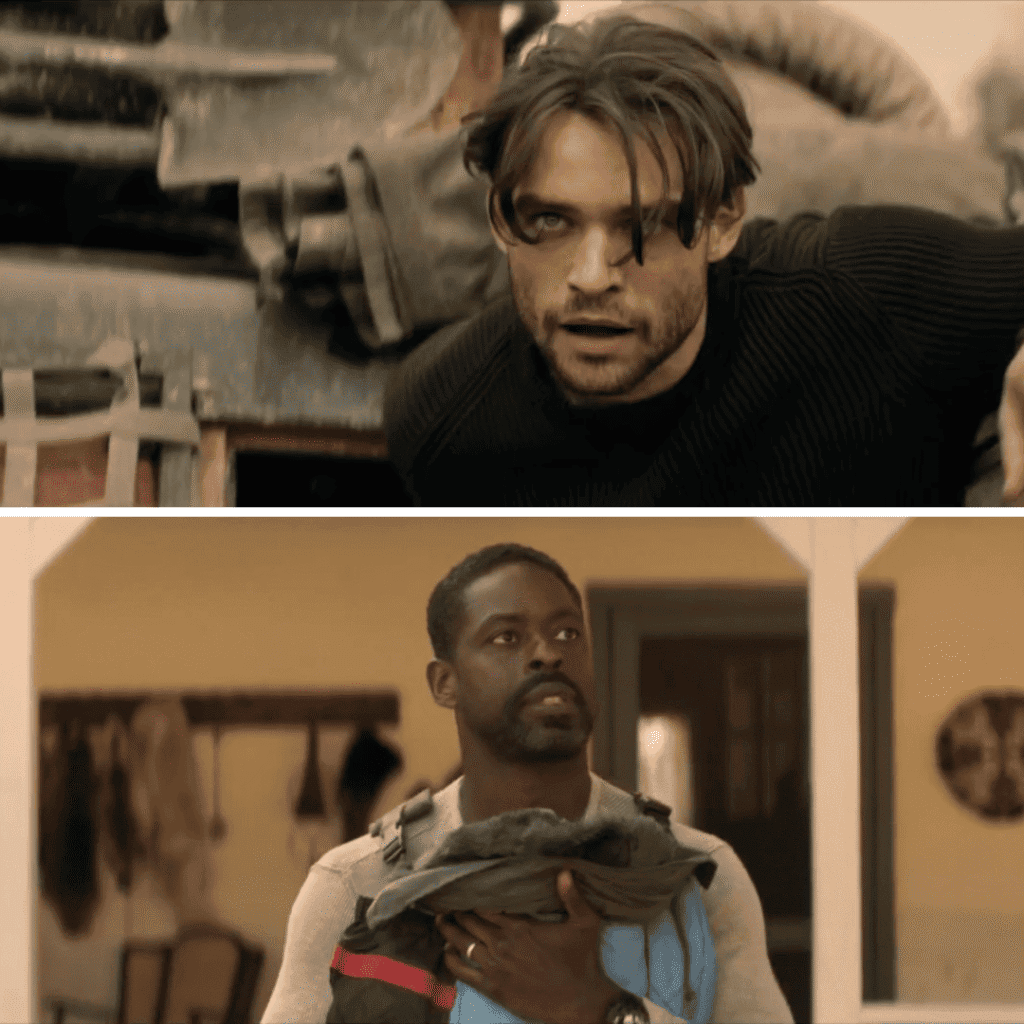
Her eventual decision to let others into her world becomes more powerful because of that hesitation. It suggests that even after the end of civilization, people still instinctively reach toward connection.
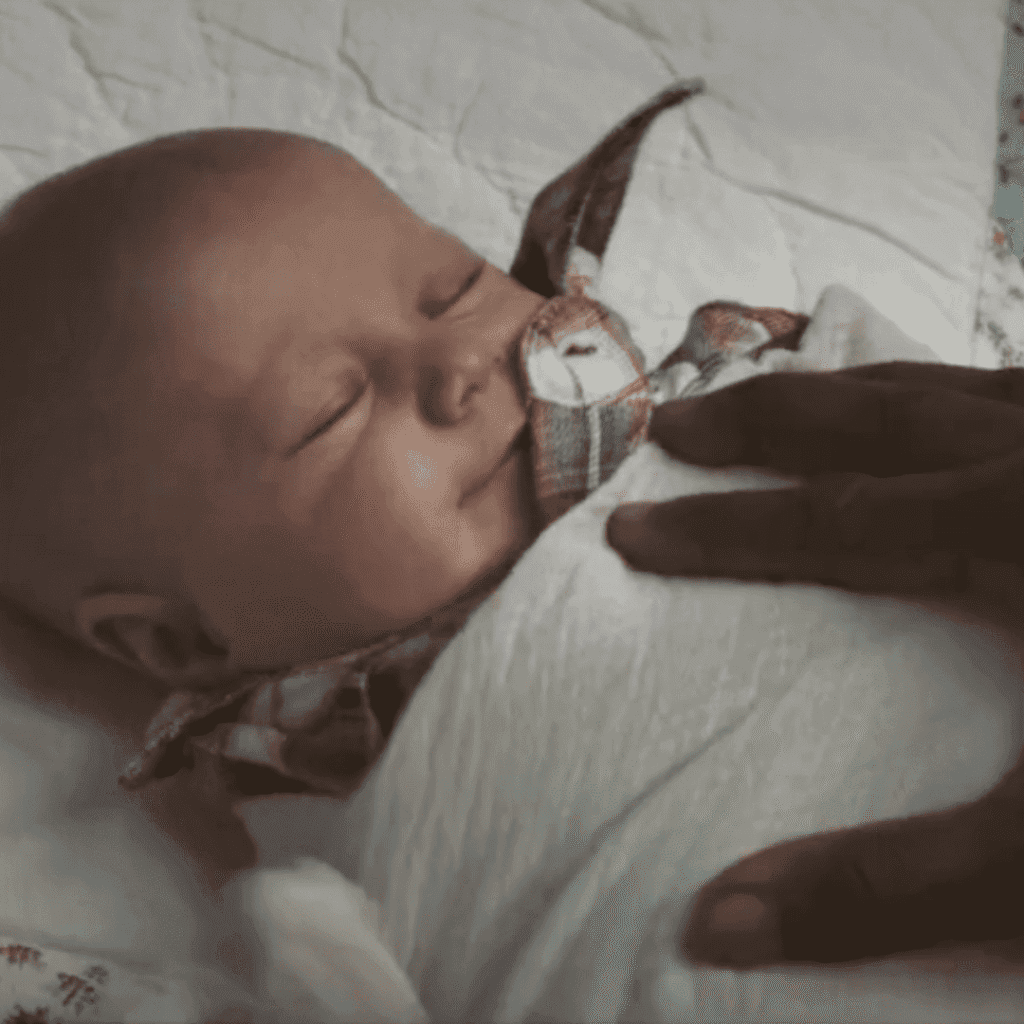
The birth of her daughter reinforces that idea. Life continues, even in ruins. Children are the show’s quiet symbol of optimism, proof that humanity still believes in a future despite everything it has lost.
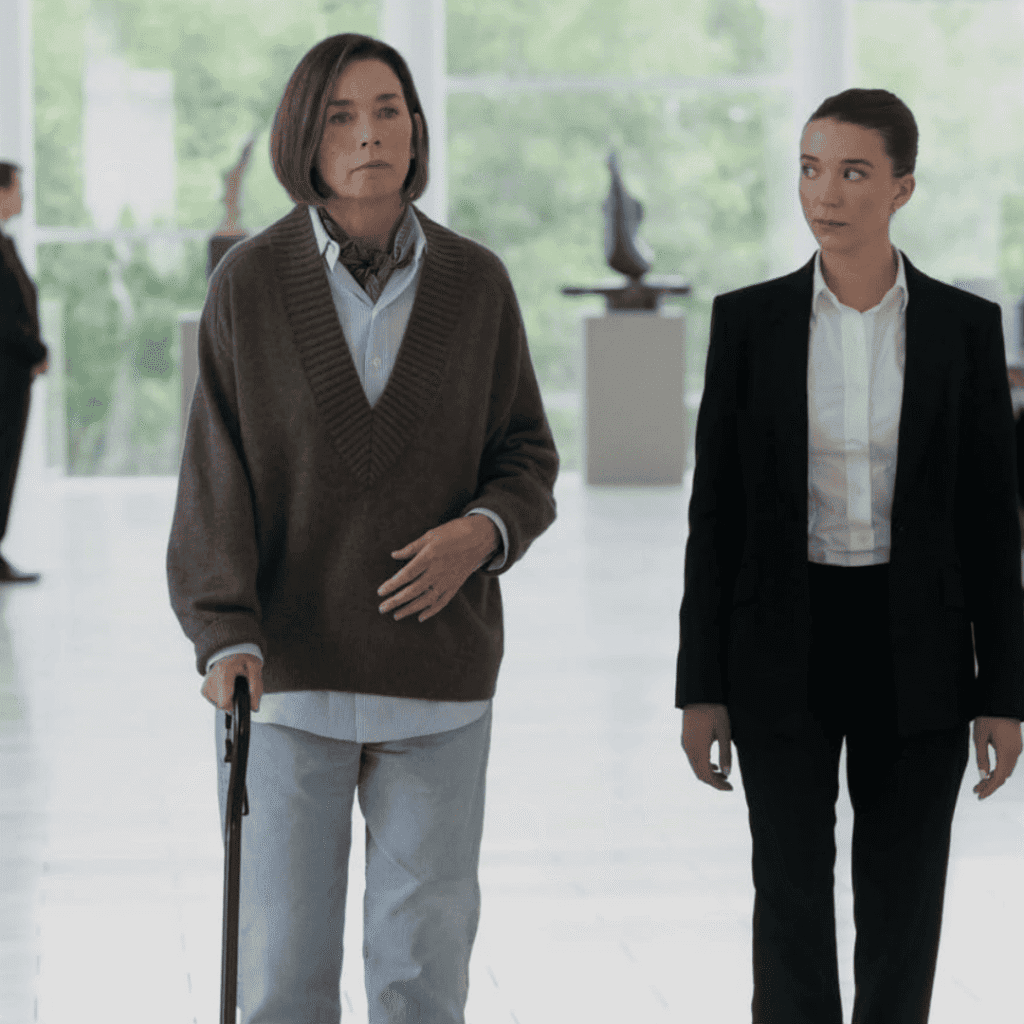
Xavier vs. Sinatra: Order or Control?
If Annie represents emotional survival, Xavier and Sinatra represent two competing visions for rebuilding society.
Xavier appears to believe in ethical order. His decisions suggest someone who wants structure without abandoning human dignity. Rules matter, but they exist to protect people rather than dominate them.
Sinatra, however, represents something colder. The system forming inside the bunker feels increasingly technocratic, almost clinical in its control. Efficiency replaces empathy. Security replaces freedom.
At first glance, this might look like responsible governance. After all, the apocalypse probably requires strict organization to keep people alive. But the deeper the show goes, the more uncomfortable that structure begins to feel.
The bunker isn’t just shelter. It’s a managed environment, one where behavior, access, and even movement appear tightly regulated.
And that raises a disturbing possibility.
Maybe humanity didn’t escape the systems that controlled it before the disaster.
Maybe it just rebuilt them underground.
Hope on the Surface, Control Underground
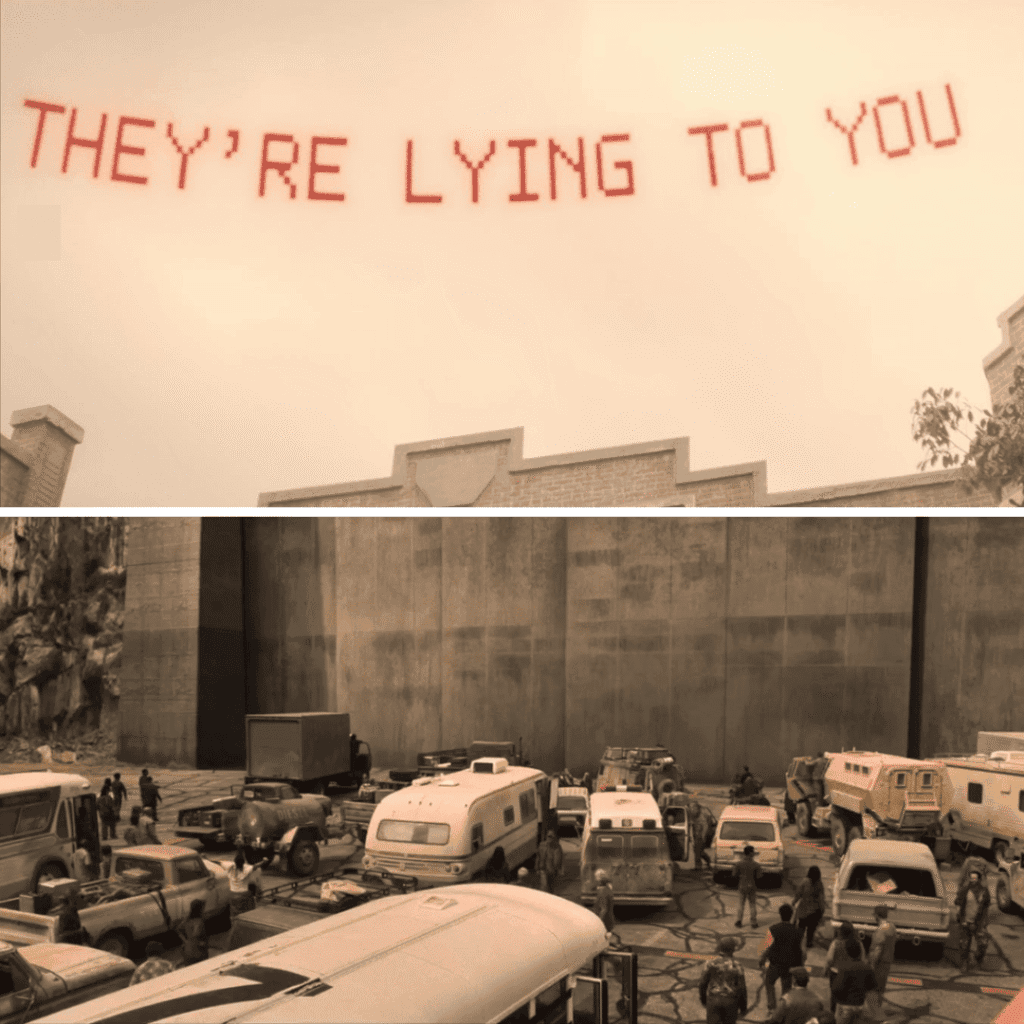
One of the most fascinating tensions in the first four episodes is the contrast between the bunker and the outside world.
The bunker promises safety, but it also feels increasingly restrictive. The people living there are protected, but they are also governed in ways that resemble a technocratic experiment more than a free society.
Meanwhile, the survivors on the surface appear to live with greater uncertainty but also greater autonomy. They struggle more, but they remain fundamentally self-determined.
Link’s storyline complicates this even further. His attempts to bring more people into the bunker raise a troubling question. Is he rescuing survivors… or recruiting them into a system they don’t fully understand?
The show hasn’t revealed enough yet to answer that definitively. But the tension between security and freedom is becoming impossible to ignore
Paradise Season 2 Mid-Season Review: The Cliffhanger – What Happened to Xavier’s Wife?
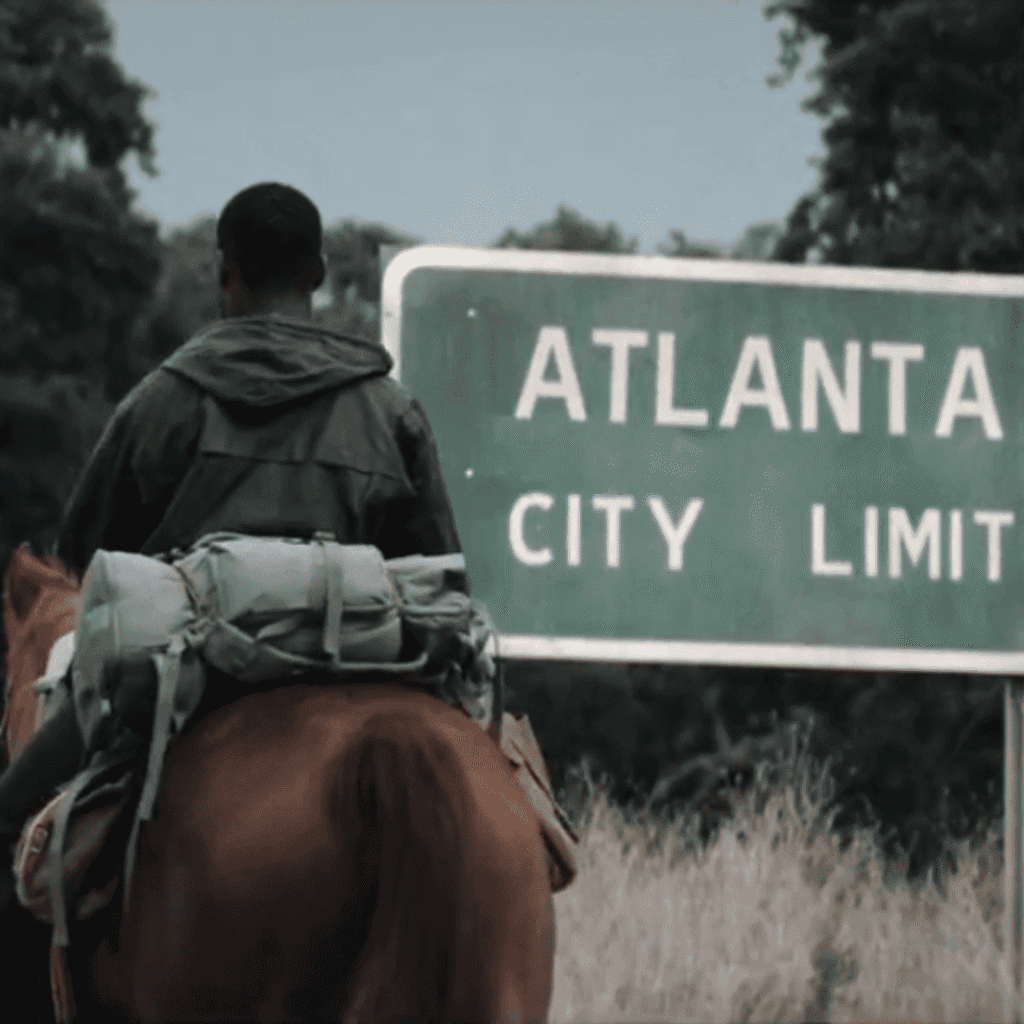
By the end of episode four, the story introduces a new layer of uncertainty.
Xavier’s wife disappears.
The show deliberately refuses to explain what happened, leaving open several possibilities. She could have been taken by outside survivors. She could be part of a larger conspiracy within the bunker itself. Or her disappearance might hint at something far more dangerous still unfolding in the outside world.
Whatever the explanation turns out to be, the narrative shift is important. Up until this point, the show has focused primarily on survival and rebuilding. Now it introduces mystery and potential political intrigue.
That transition suggests the second half of the season may move from world-building into confrontation.
Final Thoughts: A Hopeful Apocalypse… Maybe
After four episodes, Paradise Season 2 feels like a show caught deliberately between optimism and pessimism.
On one hand, there are signs of hope everywhere. Children are being born. Survivors are forming communities. Characters like Annie and Xavier clearly believe that humanity can rebuild something meaningful from the ruins.
On the other hand, the structures forming around them look suspiciously familiar. Control systems are emerging quickly, and the bunker already feels like a prototype for a highly managed society.
So the real question may not be whether humanity survives.
It’s whether humanity learns anything from the collapse that nearly destroyed it.
For now, Paradise earns an 8/10 mid-season score. It’s thoughtful, character-driven, and unafraid to ask uncomfortable questions about the kind of world people might create if given a second chance.
The cliffhanger suggests the second half of the season could either confirm those fears… or challenge them entirely.
What is Paradise about?
Paradise is a post-apocalyptic drama exploring how survivors rebuild society after a global disaster. The story focuses on competing visions of governance, survival, and morality as communities form both on the surface and within a controlled underground bunker.
Where can I watch Paradise?
Paradise is currently streaming on Disney+ and Hulu (for US viewer)
Why is Annie’s death so significant?
It highlights the “Medical Inequality” of the apocalypse. Survival isn’t just about strength; it’s about who has the blood pressure monitor.
Is Sinatra the villain?
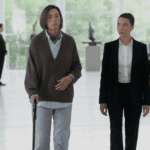
She believes she’s the hero. She’s a technocrat who thinks humanity needs to be “kept in the dark” for its own safety.
What is the “Holy Charge”?
t’s Xavier’s promise to raise Annie’s daughter to be “trusting” rather than “fearful”—a direct rebellion against the environment of the bunker.
Is Link a threat?
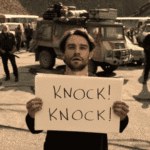
Link is a survivor who wants to “restart the world,” but his ignorance of the bunker’s corruption makes him a dangerous wild card.
Enjoying these deep-dive reviews?
If you like unpacking the ethics and themes behind shows like Paradise, check out my breakdown of moral ambiguity in Bloody Flower and my character study of The Art of Sarah.
And if you’ve watched the first four episodes yourself, I’m curious:
Would you choose the artificial safety of the bunker or the lawless hope of the surface? Let’s debate the “Holy Charge” in the comments. 👇
Disclaimer: This blog is for informational and entertainment purposes only. All copyrights and trademarks for the TV shows, films, and other media referenced are the property of their respective owners. This blog aims to provide original commentary and insights and claims no ownership over third-party content.