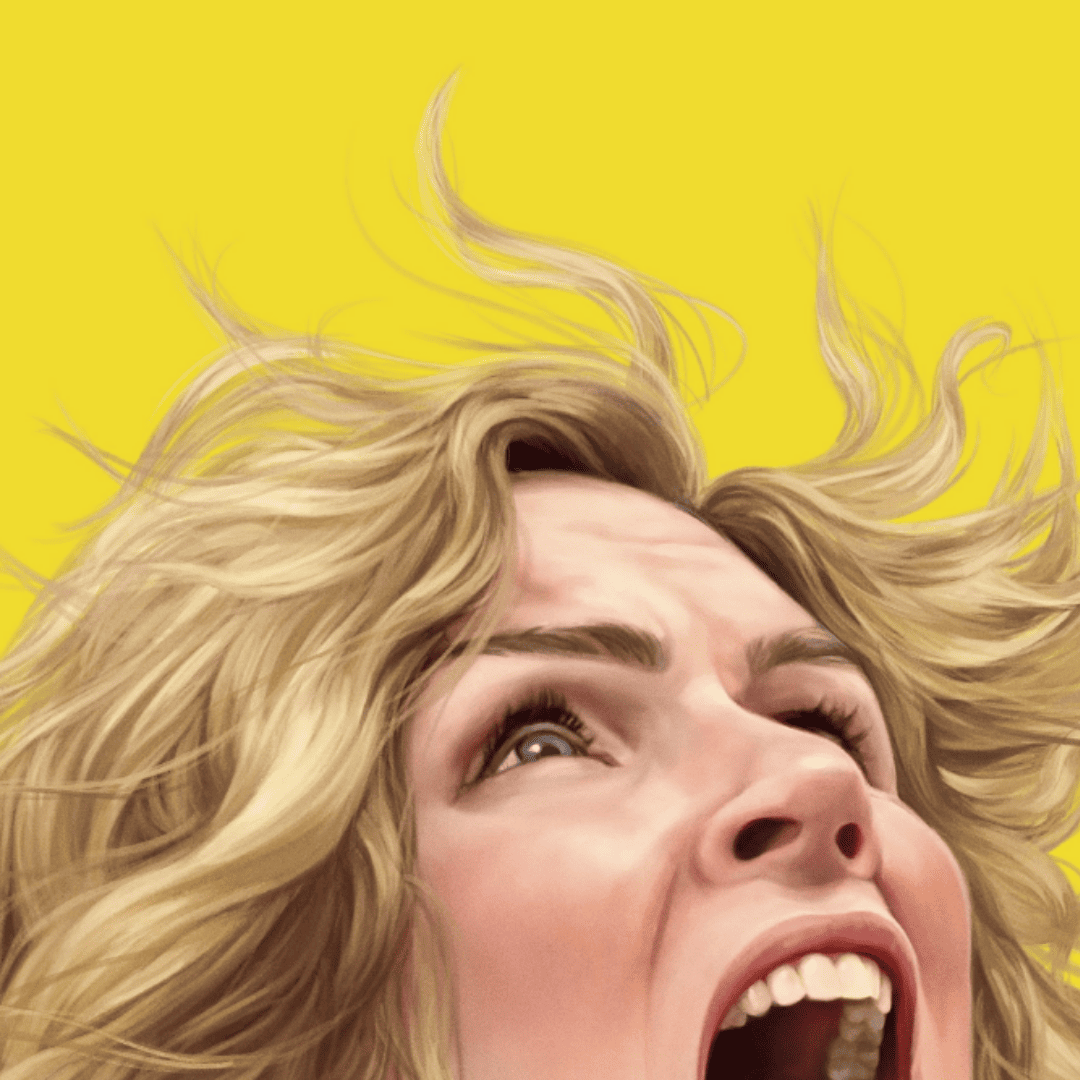
Pluribus Review Episodes 1 and 2: A Dark and Brilliant Show That Sparks Big Questions
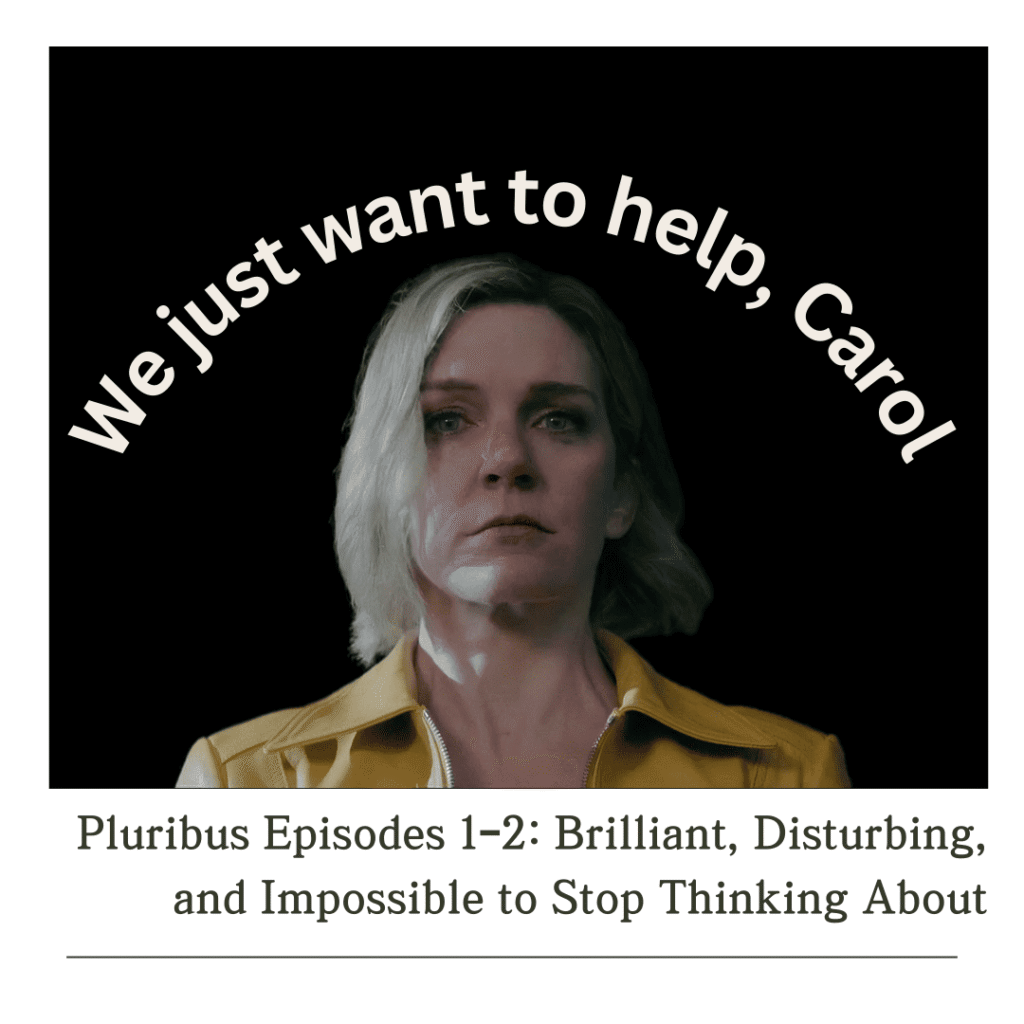
If perfect happiness is a prison, then Pluribus is your favorite escape room.
Pluribus Review Quick Take: Pluribus sneaks up on you. Episode 1 starts slow but immediately ramps up when Carol becomes the only person immune to a global hive mind. Episode 2 dives deeper into the terrifying logic of the collective, raising questions about identity, autonomy, and the price of survival. Watching Carol navigate a world where everyone else is literally one mind is thrilling, unsettling, and full of existential dread.
From Slow Burn to Full-On Lock-In
I went into Pluribus without knowing what to expect, except for the chatter about its 100 percent Rotten Tomatoes rating. The first fifteen minutes of Episode 1 felt slow, almost too slow, but curiosity kept me watching. A contact from space, a lab scene, and then sudden, synchronized convulsions snapped my attention to full alert. By the midpoint of the pilot, my engagement went from casual interest to full-blown fascination.
From the very first moment when Carol notices everyone else convulsing except her, the show pulls viewers into an existential puzzle. What does it mean to be human when individuality is optional? When a collective consciousness spreads like a viral thought, who are you anymore? The tension is subtle at first, but it doesn’t take long for the unease to settle under your skin.

Episode 1: Oh Cool, The Earth Is Updating Like an iPhone
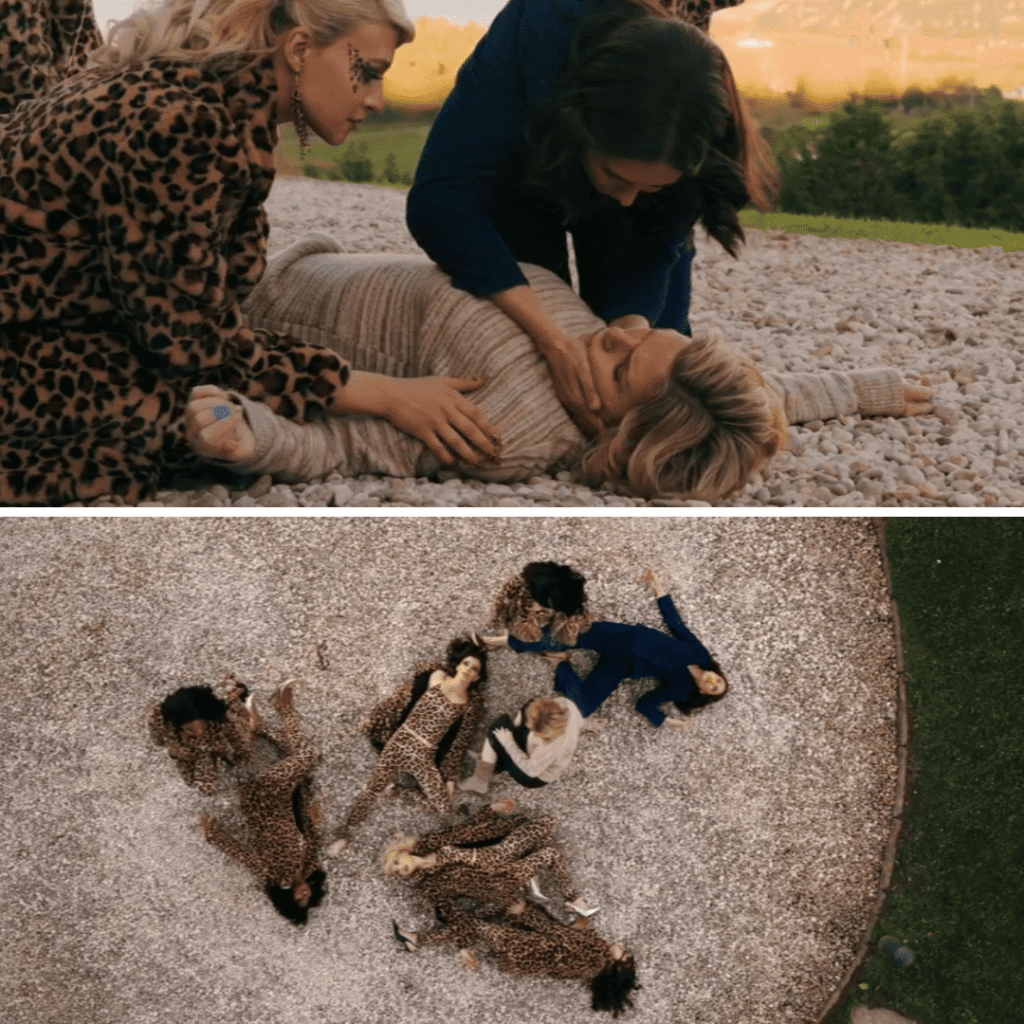
Pluribus wastes no time establishing its eerie tone. The collective scenes are unnerving not because of chaos, screaming, or panic, but because of their unnerving calm. Faces remain serene while bodies convulse in perfect synchronization. The silence is louder than words.
Carol’s journey is our anchor. Her shock mirrors our own, her questions mirror ours. When she tries to figure out what to do for her friend at the pub, you feel both her frustration and your own. This wasn’t an invasion in the traditional sense. It felt like humanity had already lost before anyone realized a war was happening.

Episode 2: “Wait… Why Is This Suddenly a Moral Crisis?”
Episode 2 shifts the entire tone. The hive has absorbed memories from those who died, emotions physically impact the collective, and the threat isn’t abstract, it’s massive and immediate.
That detail was the point where the show stopped being “sci-fi weird” and became ethically uncomfortable.
How do you communicate with something that knows everything that everyone on earth has ever known?
There’s a scene where Carol reacts emotionally, and the hive reacts physically to her anger. Not defensively BUT reflexively. The idea that negative emotion can injure a collective raises disturbing implications. Do anomalies eventually have to regulate their emotions just to keep others safe? What does autonomy look like when emotional expression becomes dangerous?

Carol: The Only One Asking The Hard Questions
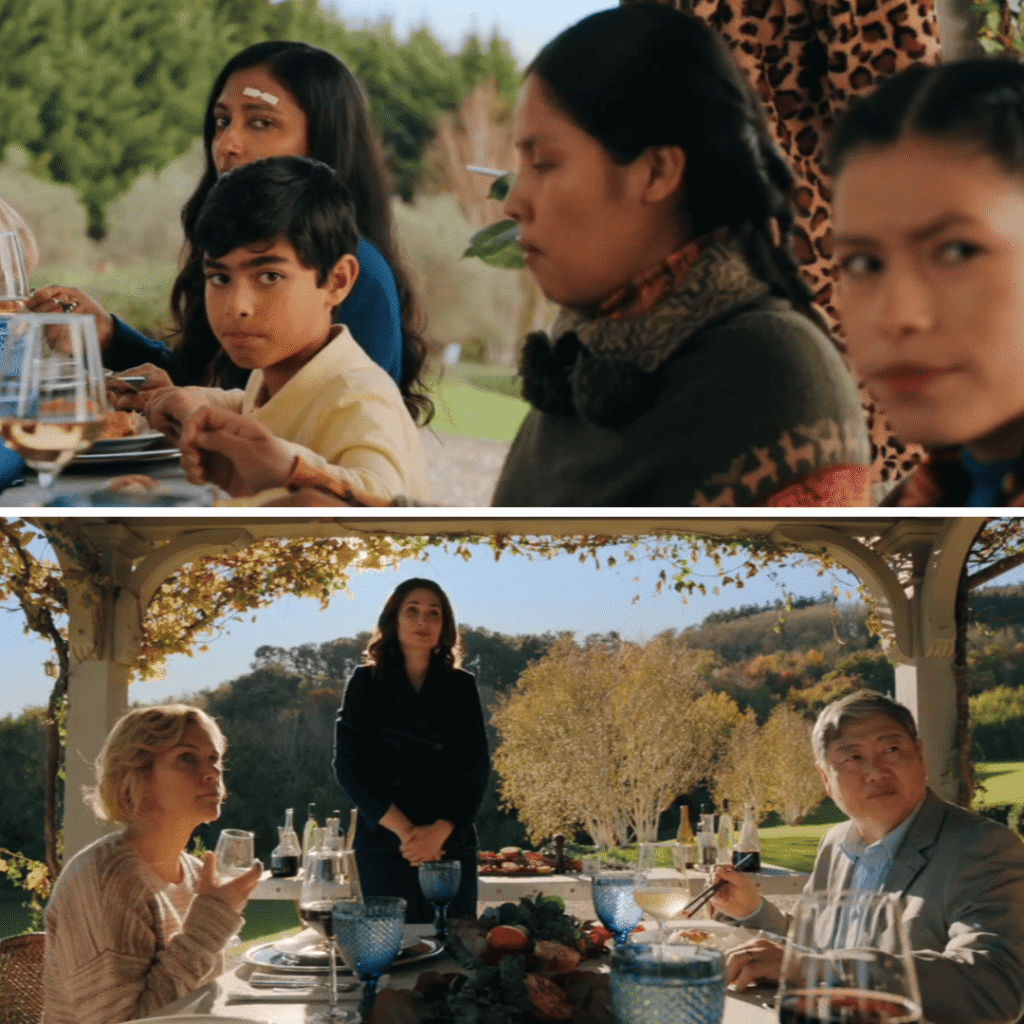
Carol becomes more compelling after Episode 2 because she finally moves past panic. She’s trying to understand the rules, the intentions, and the consequences. Meanwhile, the other anomalies seem bizarrely calm. Almost resigned.
Some even seem attracted to the idea of unity, even if it means losing individuality.
It’s unsettling watching people accept assimilation when the cost is everything that makes them separate from the group. And yet, the show makes the alternative feel uncertain. Is resistance brave or foolish?
Carol asks the question no one else seems willing to confront:
If everyone can be everyone, then who are you anymore?
That’s the spine of this story. Not aliens. Not infection. Not survival. Identity.
The Hive: Borg Vibes but With Better Lighting
The collective consciousness itself is fascinating. Telepathy, shared knowledge, and the way they integrate the dead anomalies into their hive — it’s creepy, methodical, and intellectually compelling. There’s a weird elegance to how they operate, but it’s also deeply unsettling. Not being able to make decisions that could harm the anomalies even though one crash out from Carole can kill 11,000,000 is both intriguing and horrifying
Ethics, power, and survival are tangled together here, and every silent beat reminds you how fragile individuality can be.
Am I Terrified or Obsessed? Both.
Pluribus isn’t fast-paced, and it’s not trying to be. It’s quiet, slow, and intentional. Sometimes too slow, but there’s enough tension and thematic weight to carry it, at least for now.
The world-building is intriguing, the ethical implications are heavy, and the tone feels like a slow descent into something humanity can’t fully understand or control.
If the pacing holds and the unanswered questions actually lead somewhere meaningful, this could become a standout sci-fi series.
Right now, I’m still hooked and cautiously fascinated.
Watch It, If You Dare
Pluribus is brilliant, disturbing, and impossible to ignore. Episodes 1 and 2 already establish Carol as a morally and intellectually compelling protagonist, the collective as a terrifyingly logical antagonist, and the show as a philosophical, sci-fi, and emotional rollercoaster.
Watch Pluribus on Apple TV now. Keep track of every anomaly, every glitch, and every moral dilemma, and join the conversation: would you stay human at all costs, or surrender to collective bliss?
If you like dark slow burn horror, you might also enjoy:
- Devs and the Illusion of Free Will
- Black Mirror Season 7 Review: Social Horror and Ethical Dilemmas
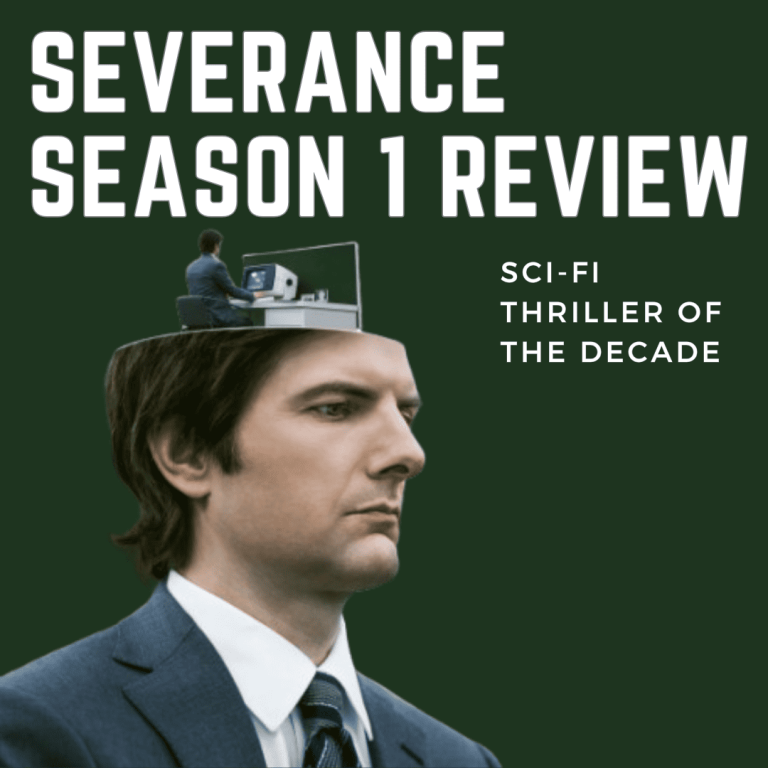
- Severance Review: Identity, Memory, and Corporate Ethics
What do you think? Are you rooting for Carol or dreading the collective? Share your thoughts and theories in the comments.
Disclaimer: This blog is for informational and entertainment purposes only. All copyrights and trademarks for the TV shows, films, and other media referenced are the property of their respective owners. This blog aims to provide original commentary and insights and claims no ownership over third-party content.




One Comment