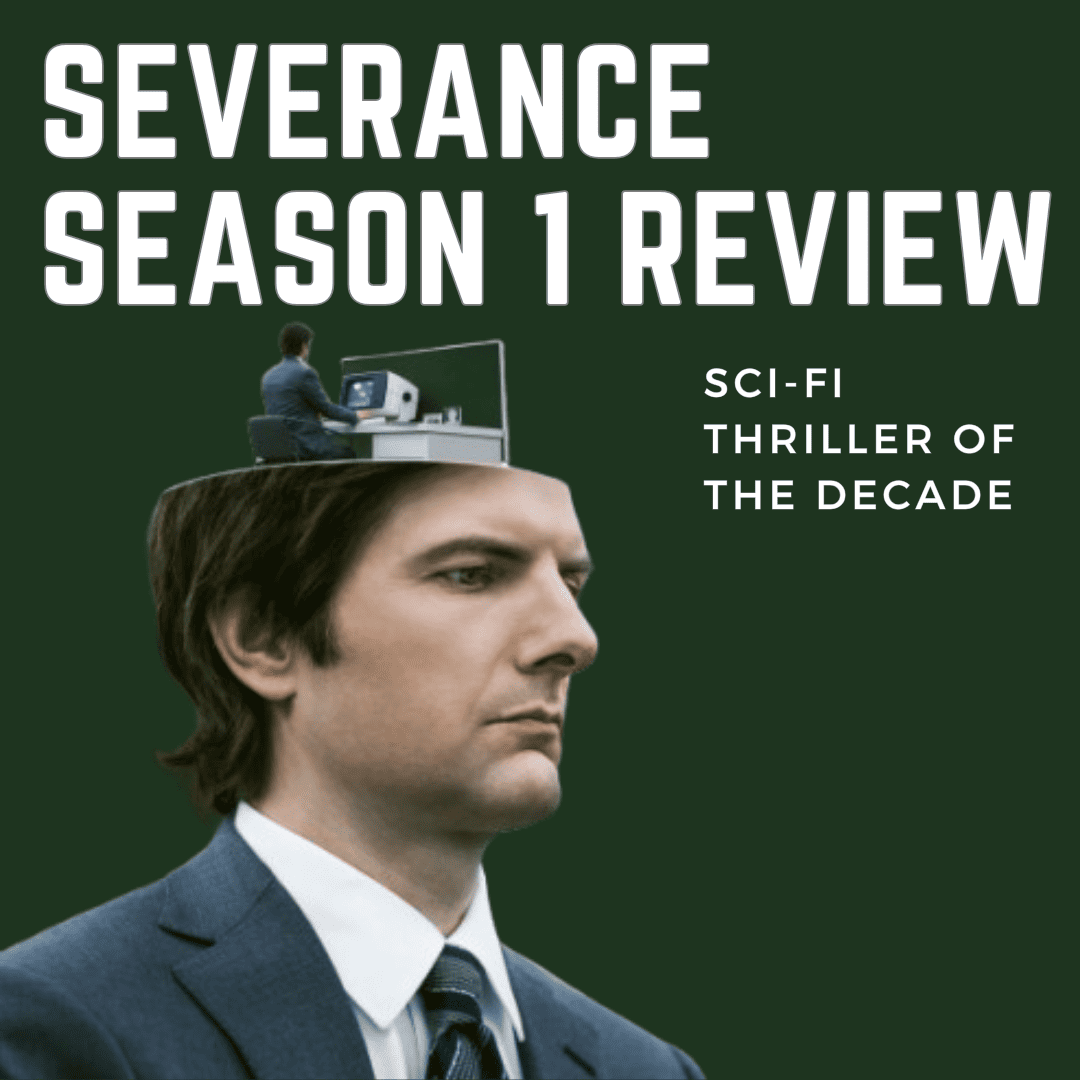
Severance Season 1 Review: 5 Reasons It’s the Most Unforgettable Sci-Fi Thriller of the Decade

What if your work self and personal self were two entirely separate beings? Severance, Apple TV+’s mind-bending sci-fi thriller, explores that chilling question with unmatched style, tension, and heart.
From its unsettling corporate culture to its unforgettable characters, Severance Season 1 isn’t just a show, it’s a haunting commentary on modern life.
I’ll break down five reasons why this drama earns its title as the most unforgettable sci-fi thriller of the decade in my Severance Season 1 Review.
First Impressions: Hooked from Episode One
I first heard about Severance through an Instagram recommendation, but it wasn’t until I saw buzz about Season 2 that I finally gave it a shot. I was also planning a sci-fi blog post and thought, Why not add this one to the list?
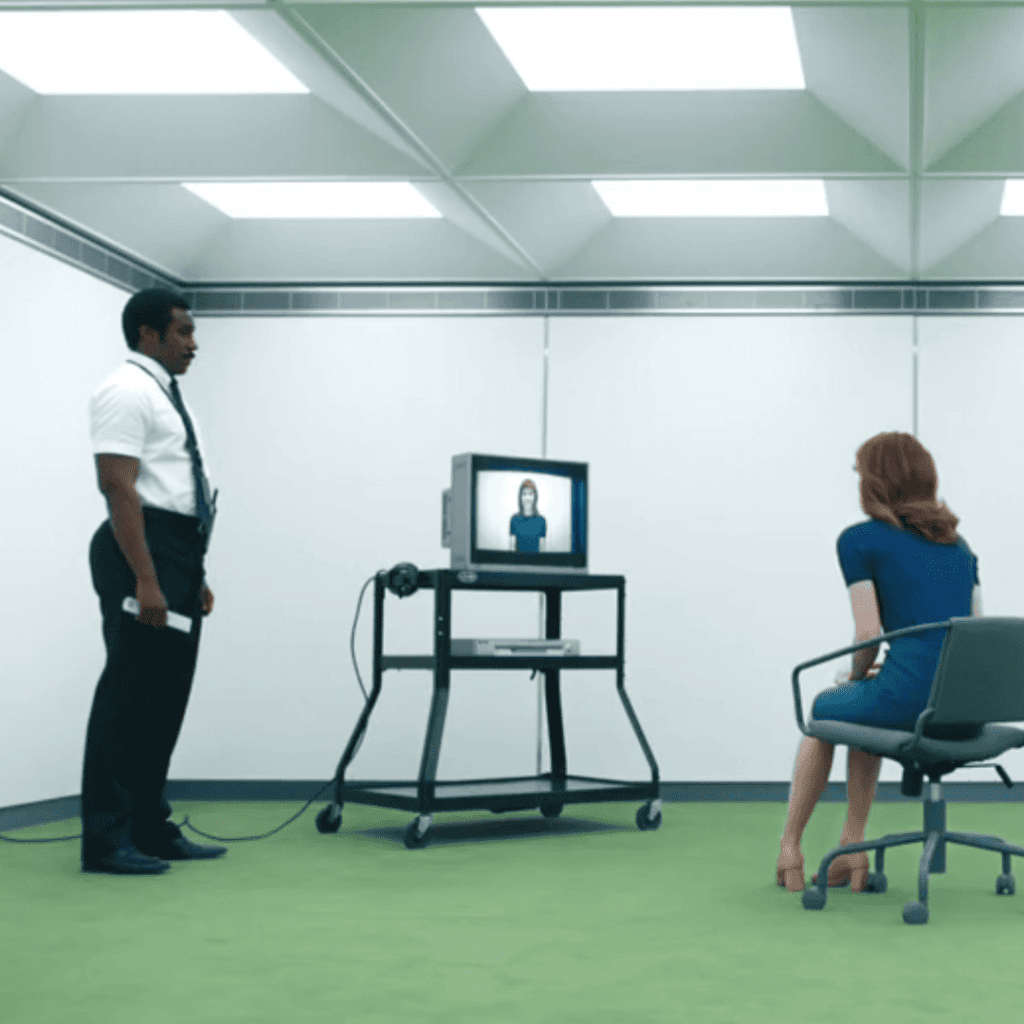
From the first episode, I was hooked. Watching Helly wake up on a boardroom table, disoriented and nameless, with a robotic voice guiding her through a bizarre questionnaire, that’s not your typical pilot.
The sterile, retro-futuristic office design, the eerie calm of Milchick and Cobel, and the sheer loneliness of Lumon Industries made my skin crawl.
The cinematography was stunning. Every shot felt meticulously crafted, the muted color palette, the labyrinthine corridors, and the surreal, almost dreamlike office spaces.
And then there was Mark’s personal life: an awkward dinner where his family likened severed workers to prisoners, and the horrifying discovery that his boss was his neighbor.
I had so many questions after that first hour.
How Severance Turns the Workplace Into a Nightmare
At its core, Severance is a scathing critique of corporate control and the illusion of work-life balance.
The theme that hit me hardest? The exploitation masked as “family culture.” Anyone who’s worked for a company pushing the “We’re all family here!” narrative knows how quickly that warmth turns cold when profit’s on the line.
Lumon takes it to an extreme, the innie lives only to work, their entire identity shaped by corporate indoctrination.
The innies have no rights. The outie makes all the decisions, leaving the work self trapped in an endless loop. It’s like a dystopian spin on “at-will employment,” where the worker’s will doesn’t even exist.
Helly’s attempted suicide was the most chilling example. Her outie’s response? “I am a person. You are not.” That single line perfectly encapsulates the horror of surrendering autonomy for the promise of “work-life balance.”

The Dark Truth Behind Lumon’s Severance Procedure
Severance takes the struggle for work-life balance and turns it into a waking nightmare. The innies never experience weekends, holidays, or even the joy of clocking out. There’s no TGIF, just an endless cycle of fluorescent lights, meaningless tasks, and empty reward ceremonies.
Sound familiar? In many high-pressure jobs, the expectation to be always on makes it feel like you’re never truly off the clock.
Countries like Norway and Denmark boast healthy work-life balance, but in places like the U.S., South Korea, and Japan, the Lumon lifestyle doesn’t feel far-fetched. Most of us spend more time working than living. Severance just removes the illusion of choice.
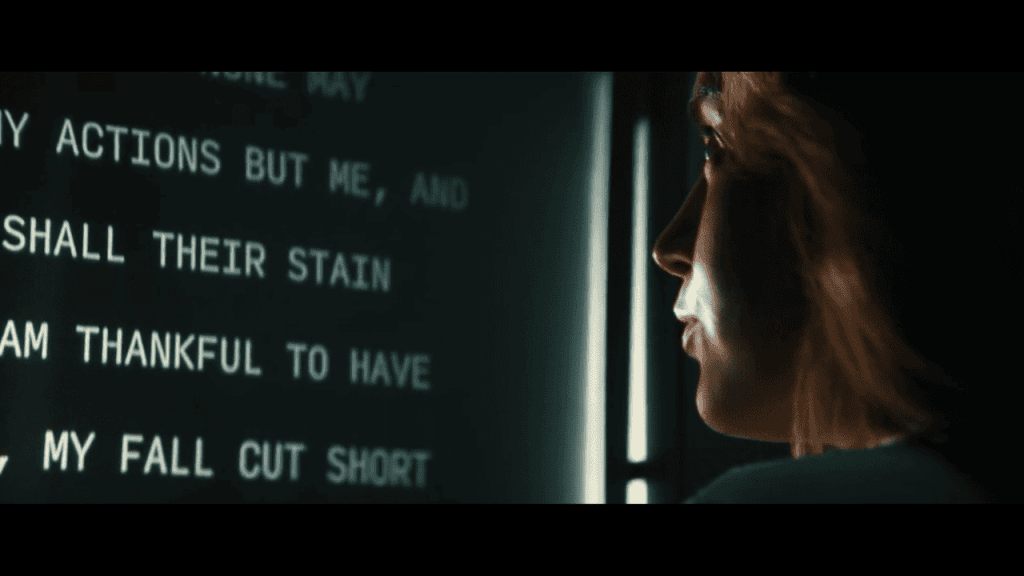
Why Every Frame of Severance Feels Unsettling
The genius of Severance lies in its world-building. Every tiny detail adds to the unease. The Break Room, for instance, is nothing more than a sterile chamber for corporate brainwashing, where employees recite compliance mantras until their apologies are deemed “sincere.”
Hidden surveillance lurks everywhere, from Milchick’s constant photo-taking to Cobel’s spying, proving that Lumon’s control extends far beyond office walls.
The Perpetuity Wing, essentially a corporate shrine glorifying Lumon’s founders, drips with propaganda, while the wellness sessions feel like gaslighting in its purest form. Mark’s “outie” being praised for traits his “innie” can’t even experience was a particularly sinister touch.
And then there’s the job itself, macrodata refinement. The workers sort numbers based on vibes, with zero explanation of what those numbers represent. It’s mindless, Sisyphean labor, the very definition of corporate busywork.

Plot Bombshells That Redefined the Whole Story
Severance isn’t just slow-burn tension, it’s packed with enough twists to leave your mouth wide open. The first real shock was Cobel being Mark’s neighbor, embedding herself into his personal life just as tightly as she controlled his professional one.
Then came Petey’s reintegration, revealing that Mark’s best friend inside work was a complete stranger on the outside. The heartbreak of that realization hit hard.
Helly’s suicide attempt was another gut punch. It was horrifying enough to watch her innie crumble under the weight of corporate imprisonment, but her outie’s cold dismissal, “You don’t get to make that choice” exposed just how little autonomy severed workers truly had.
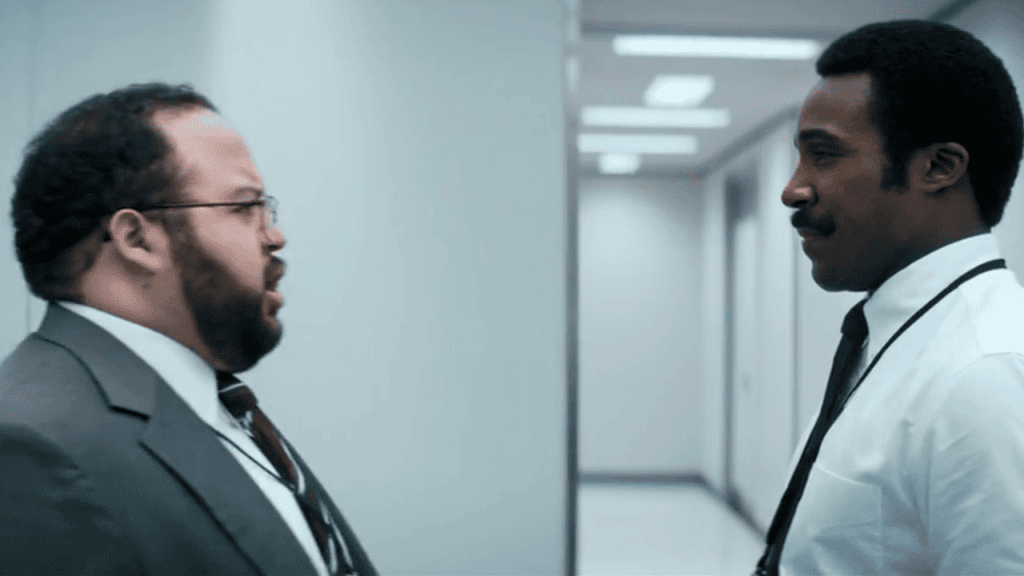
And then there was the overtime override. When Dylan was activated outside work and realized he had a son, the horror wasn’t just in the discovery but in the implication: they were never truly off the clock. The tech existed to strip them of their personal time entirely.
But nothing topped the final reveals. Gemma, Mark’s supposedly dead wife, was alive and working as Lumon’s wellness counselor. Helly turned out to be an Eagan, Lumon royalty. And the cliffhanger ending, with the innies briefly tasting freedom, left me breathless.
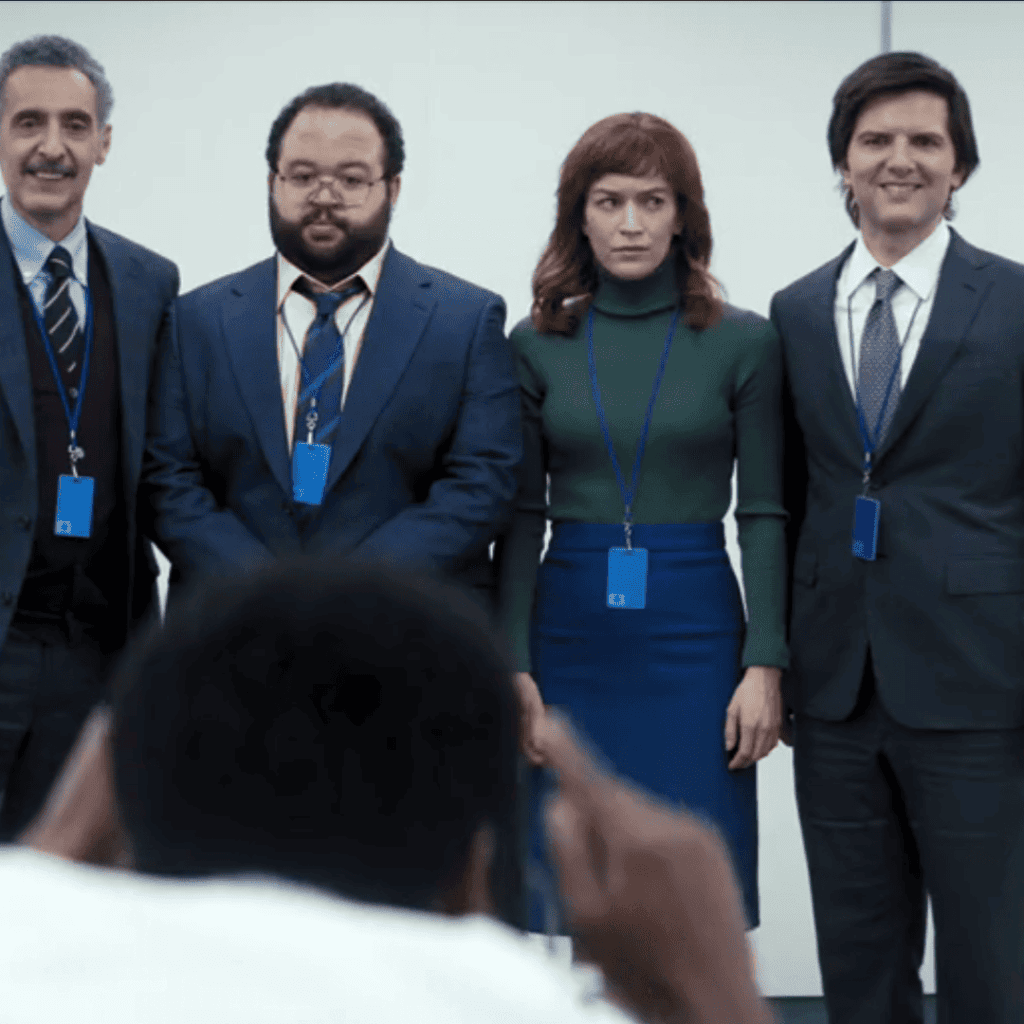
How the Cast Brought This Sci-Fi Masterpiece to Life
Picking a standout performance feels impossible because everyone brought their A-game. Adam Scott perfectly captured Mark’s quiet grief, seamlessly transitioning between the defeated outie and the increasingly defiant innie.
Britt Lower was equally compelling as Helly, transforming from a rebellious newcomer to a reluctant corporate pawn, and finally, a revolutionary.
John Turturro and Christopher Walken delivered one of the most tender, heartbreaking love stories in sci-fi history, while Tramell Tillman’s Milchick embodied corporate menace with chilling precision.

Patricia Arquette’s Cobel, however, might have been the most terrifying of all, a true believer whose devotion to Lumon bordered on religious fanaticism.
Even Zach Cherry’s Dylan, initially the sarcastic overachiever, became a tragic figure. His violent outburst after discovering his son’s existence was heart-wrenching. How do you return to mindless work after learning you’re a parent? The answer: you don’t.
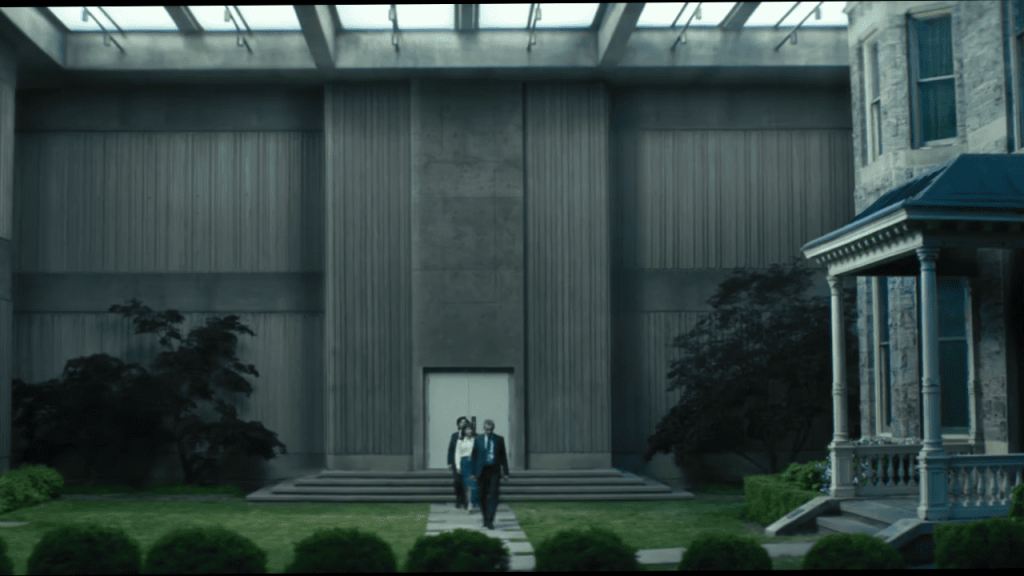
Why Severance Is a Sci-Fi Masterpiece
What makes Severance a modern sci-fi masterpiece isn’t just the concept. It’s the execution. The retro-futuristic set design, Ben Stiller’s meticulous direction, and Theodore Shapiro’s haunting score all work together to create a world that feels just detached enough from our own. The pacing is deliberate but never slow, allowing tension to build organically.
But it’s the philosophical core that elevates it. Severance isn’t just about corporate exploitation, it’s about identity, autonomy, and the terrifying ease with which we surrender control in exchange for comfort.
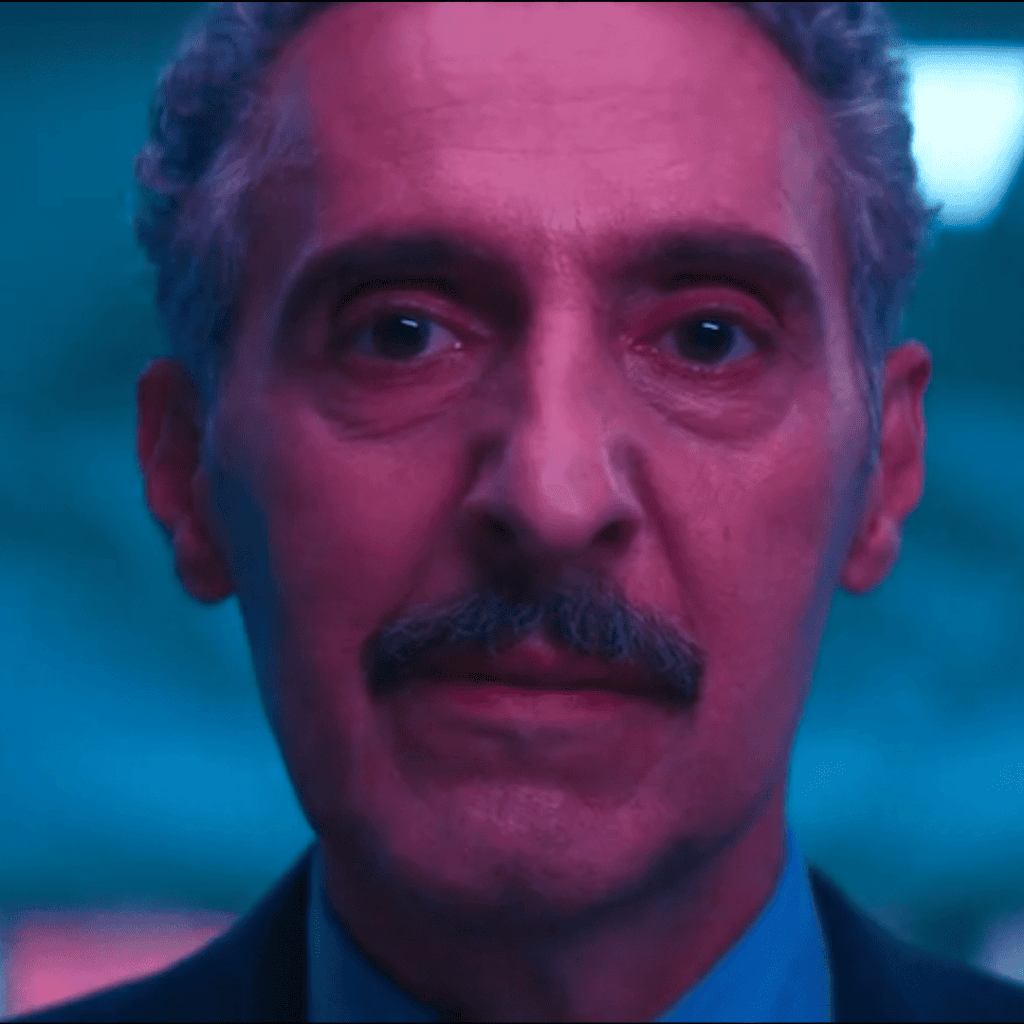
Severance Season 1 Review: Why it Stays With You
Rating: 9.5/10
Severance Season 1 is more than a sci-fi thriller, it’s a cautionary tale wrapped in brilliant storytelling, nuanced performances, and striking visuals that linger long after the credits roll.
Would I recommend it? Without hesitation. If you’re drawn to the thought-provoking worlds of Black Mirror, Westworld, or Devs, Severance will leave you questioning reality and ready to jump into Season 2.
In one sentence? Severance is a meticulously crafted masterpiece that gets under your skin, challenges your perspective, and refuses to be forgotten.
Still puzzling over that mind-bending finale? Check out my deep dive into the Severance ending explained and uncover the hidden layers you might’ve missed.
What did you think of Severance Season 1? Drop your thoughts below! Would you ever sign up for the severance procedure if it were real?
Disclaimer: This blog is for informational and entertainment purposes only. All copyrights and trademarks for the TV shows, films, and other media referenced are the property of their respective owners. This blog aims to provide original commentary and insights and claims no ownership over third-party content.