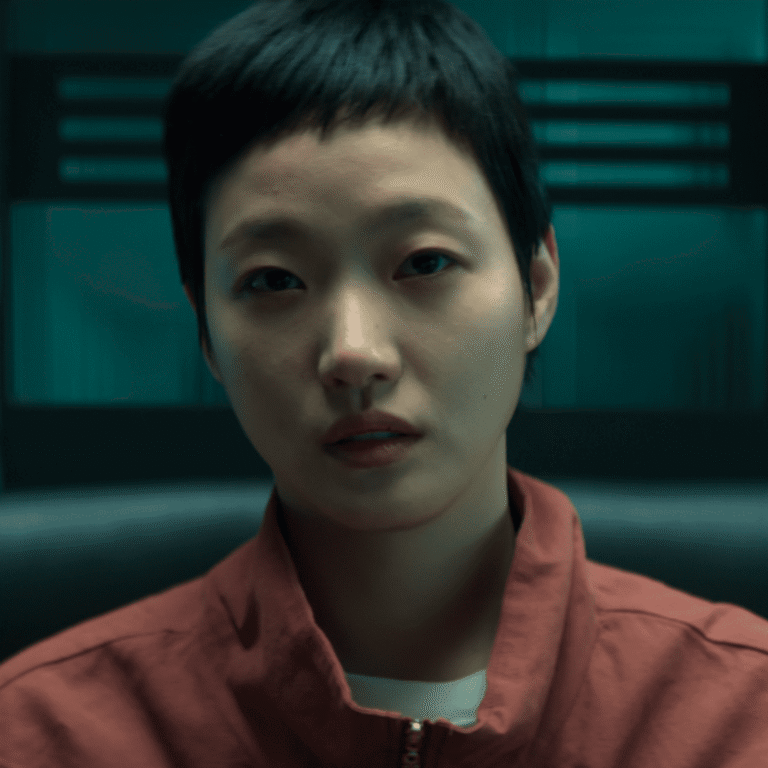
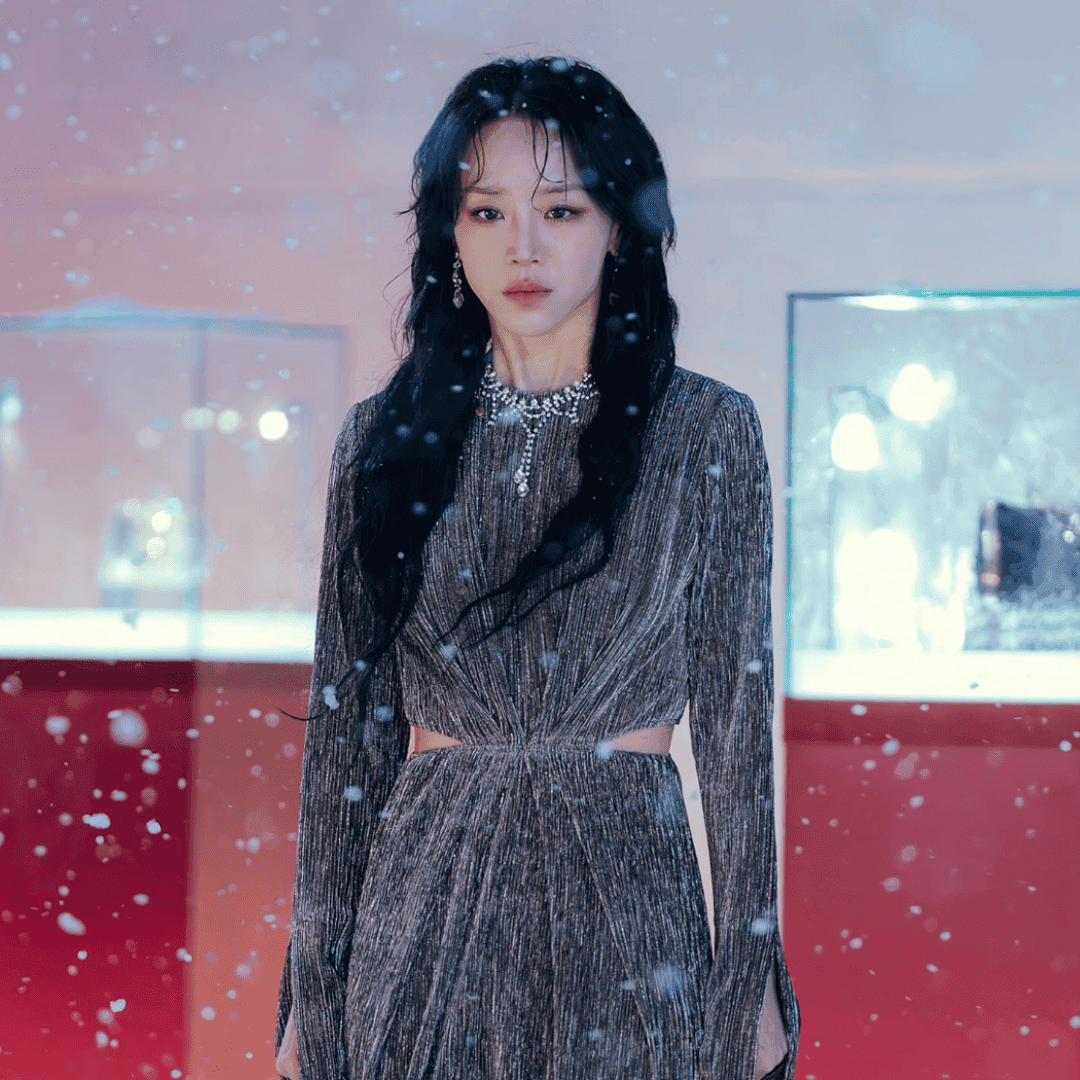
The Art of Sarah Character Analysis: Who is Sarah Kim Really?(2026)
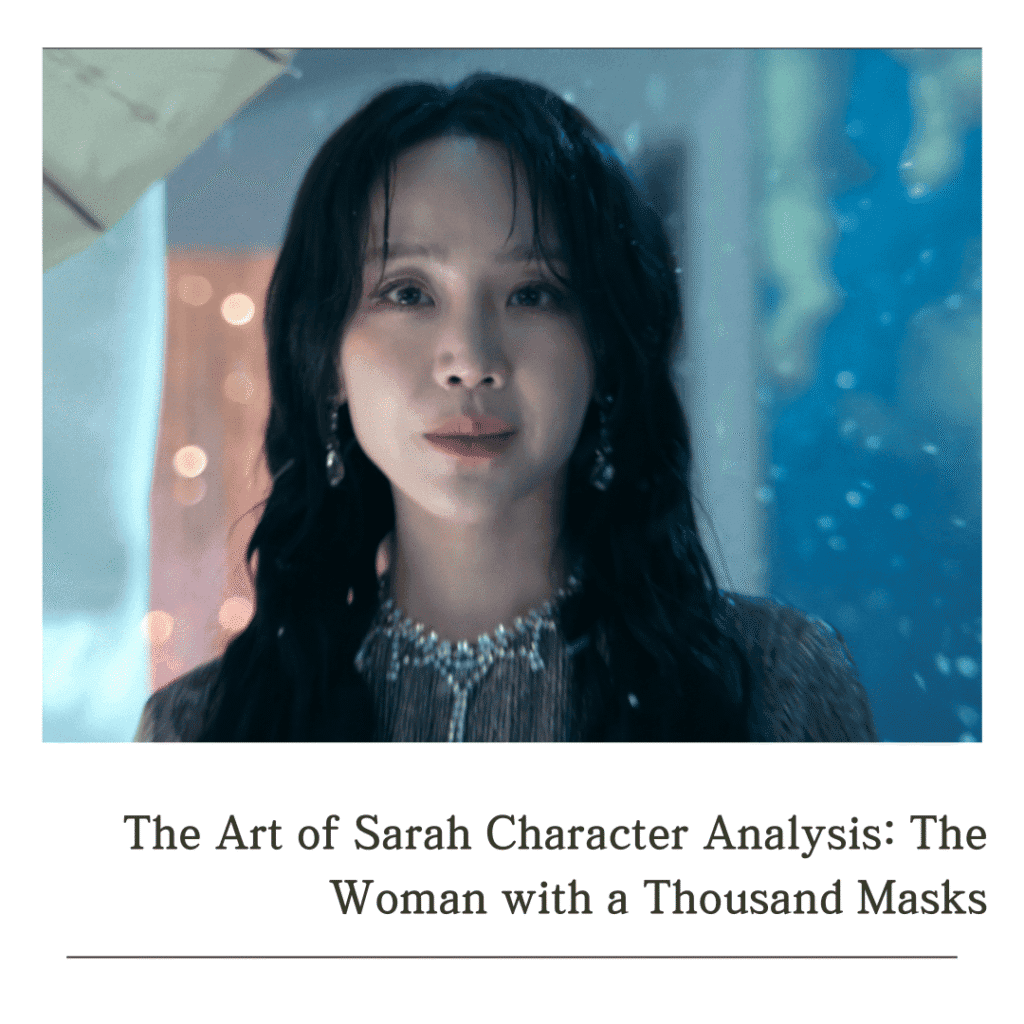
“A perfect fake is more real than a flawed original, because the fake has to work twice as hard to prove it belongs.”
The Verdict Box
- Score: 8/10
- The Vibe: A cold, high-fashion fever dream where the brand survives long after the human soul has been traded away.
- Watch if you liked: Tom Ripley (The Talented Mr. Ripley), Anna Sorokin (Inventing Anna)
- Key question: Can you truly root for a woman who gives a kidney to prove her loyalty, but commits a murder to protect her logo?
The Art of Sarah Character Analysis: Who Is Sarah Kim Really?
Sarah Kim is Mok Ga-hui. She is Kim Eun-jae. She is Du-a. She is all of them and somehow, none of them.
By the end of The Art of Sarah, you’re left wondering if you just watched a tragic survival story or horror story about a sociopath. Shin Hye-sun plays three different women occupying one body and the performance is so precise that you believe every version.
This isn’t just a story about a scam; it’s a The Art of Sarah character analysis on confidence as currency. Sarah doesn’t win because she’s the smartest person in the room (though she usually is). She wins because she performs “belonging” so perfectly that the elite literally build the room around her. She is a “Confidence Artist” in the most literal sense.

The Survivor: Mok Ga-hui’s Rebirth
Sarah Kim started as Mok Ga-hui, a name that barely matters by the end because Sarah killed her so completely.
Ga-hui wasn’t born a villain; she was born into a systemic trap. Think about it: she was a Samwol Department Store employee who lost everything over a toilet break and a theft accusation. Toss in a 50 million won debt to an unscrupulous broker, and she was pushed to a bridge. When she jumped and emerged with a stolen bag and a new name: Boudoir.
This wasn’t a plan. It was a revelation underwater, a brand name that became a baptism.
Ga-hui “got a taste of money that luxury goods can afford someone” as the Cheongdam Goddess. She wasn’t born greedy. She was born desperate, and desperation taught her that class is performance, not pedigree.
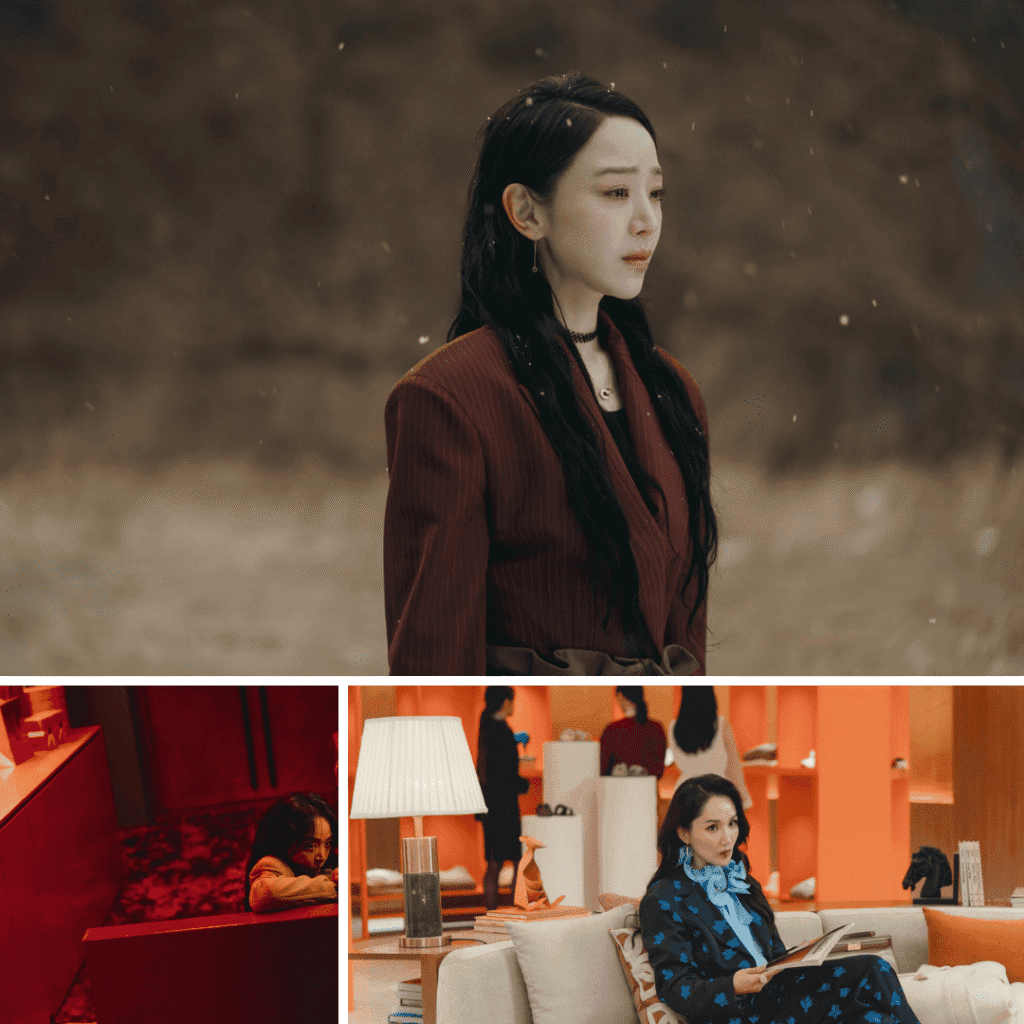
The Architect: How Sarah Built a Legend
Sarah’s true power was her ability to be exactly who you wanted her to be. She didn’t just fake credentials. She identified what each person needed her to be and became it:
- For Yeo-jin: She was the “unapologetic goddess” that the Knox brand lacked. Someone who “didn’t appear to have that anxiety” about class status.
- For Hyo-eun:Validation. A headhunter who made her feel “empowered” rather than disposable before ultimately proving she was disposable after all.
- For Chairman Choi: A peer. Someone whose “blasé confidence of an Oxford grad” made her question her own team and the need to follow established checks and balances.
The “Sunset Philosophy” works because people want to be blinded. Sarah didn’t have to work that hard to con them; they were happy to conscript themselves into her fiction.
The marriage to Hong Seong-shin was calculated architecture. Through him, she gained access to wealth and elite circles. She mimicked their behavior until it became authentic. But here’s the complexity: she still gave him her kidney. Even ruthless people can keep promises when it serves their narrative.
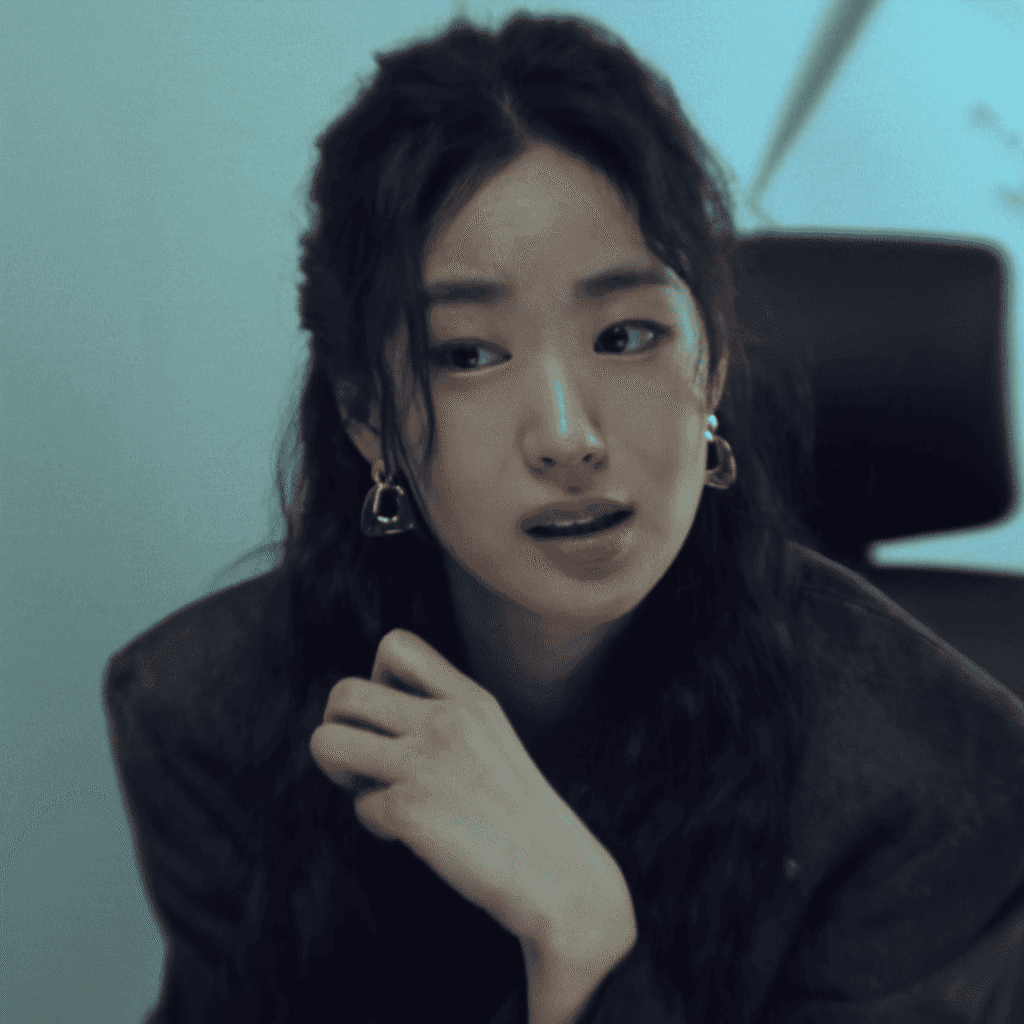
The Mirror: The Mi-jeong Collision
The moment Kim Mi-jeong enters the frame, Sarah’s “Art” becomes a liability.
Mi-jeong didn’t just want to make bags; she wanted to inhabit the life. She practiced Sarah’s voice, her gait, her tattoo. She saw Sarah as an original she could replace.
But Sarah made the same mistake the elites made with her, she underestimated someone desperate enough to become her. Mi-jeong was invisible like Mok Ga-hui once was.
The murder wasn’t premeditated. It was self-defense that got ugly, a desperate self-correction. Sarah removed the imperfect copy to protect the perfect fake because in this system, two versions of the same brand cannot coexist.
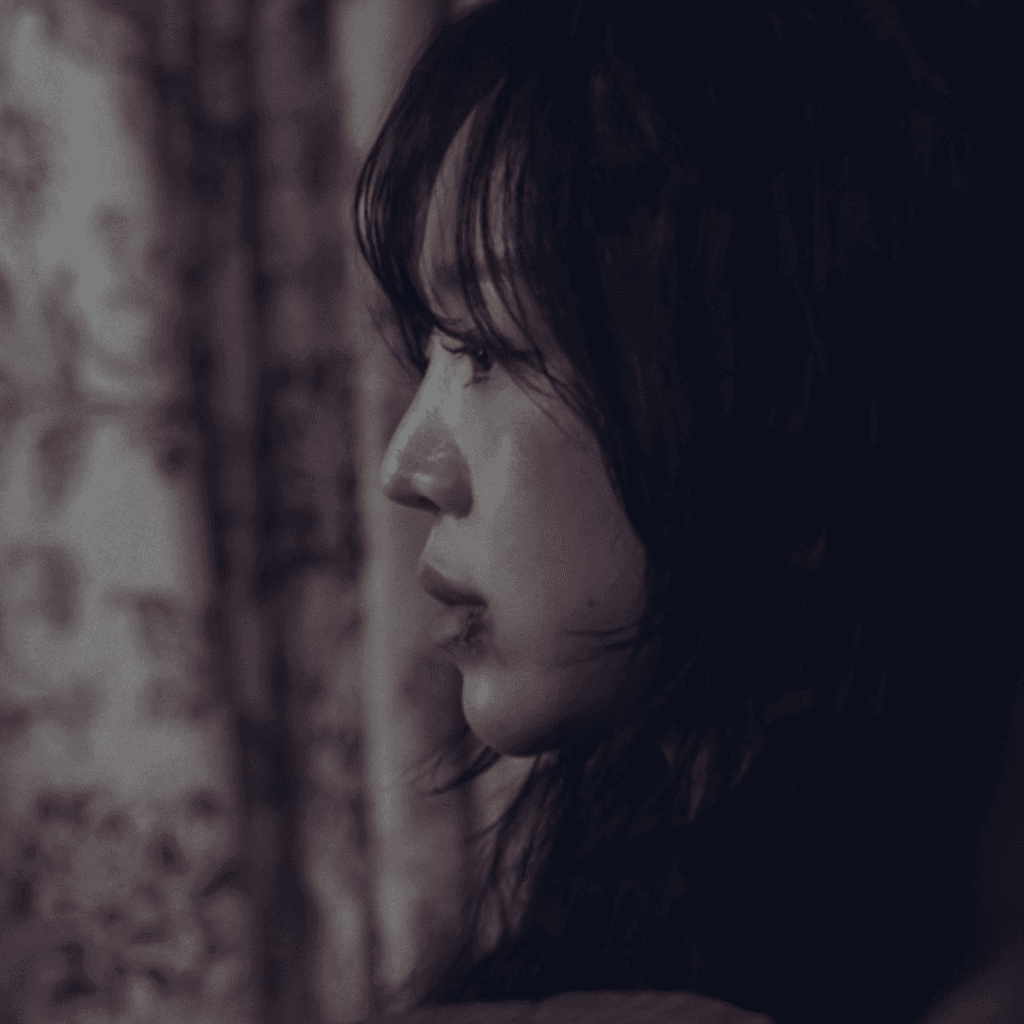
The Moral Ambiguity: Can We Judge Her?
Is Sarah unethical? Absolutely. Is she a ruthless aspiring businesswoman with unscrupulous behavior? Yes. But the show makes hypocrites of us all.
We condemn Sarah’s identity theft while wearing clothes made in dangerous conditions. We call her “dangerous” while glorifying billionaires for “disrupting” industries. This The Art of Sarah character analysis argues that Sarah is only exceptional because she got caught. Most entrepreneurs are “unethical” to a degree, Sarah just had more masks to juggle.
Can we truly judge her for how she conducted her business and still buy luxury items?
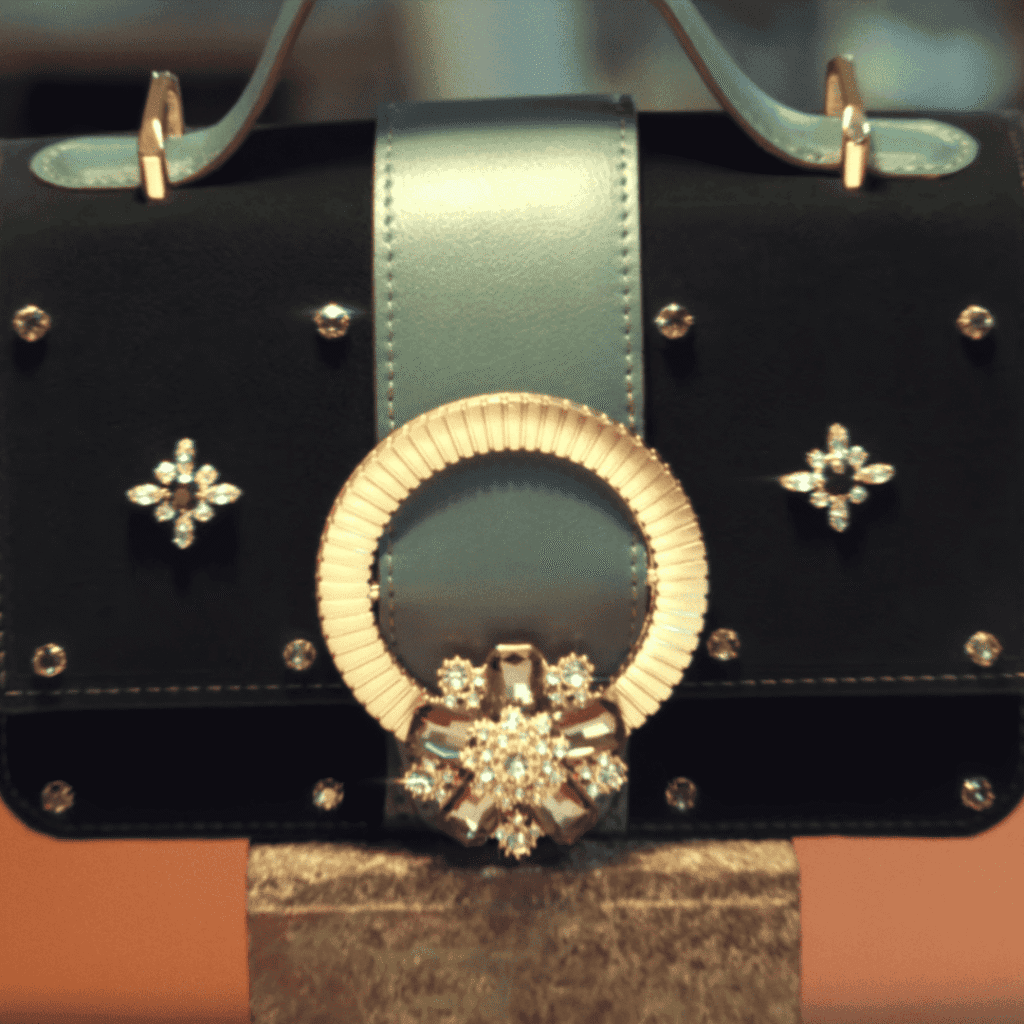
The Final Mask: Prison as Mi-jeong
Sarah’s final choice is the ultimate corporate move. By going to prison as Mi-jeong, she “kills” herself to let the Sarah Kim brand live on untainted.
Mok Ga-hui finally matters because the brand survived. She chose legacy over liberty, ensuring that history remembers a “successful tragic founder” rather than a fraud.
The system absorbs her sin and sells her story.

The Questions Sarah Leaves Us With
The woman Yeo-jin saw, Hyo-eun feared, Chae-u enabled. She’s all of those things. We all wear masks for work, family, different friends. Sarah just wore hers with more commitment.
Is her version of identity fraud unacceptable?
It isn’t the fraud that’s unacceptable, it’s the harm, the scale and the fact that she refused to apologize for it. The murder of Mi-jeong is the line. Everything else is just capitalism with better lighting.
Why do we root for her anyway?
Because she recognized the game and played it better than the people who invented it. Because Mok Ga-hui deserved something, even if Sarah Kim went too far getting it. Because in a world built on beautiful lies, the most honest person is the one who admits they’re lying.
Who is Sarah Kim really?

Sarah Kim is actually three people: Mok Ga-hui (her original identity), Kim Eun-jae (a stolen identity from a deceased woman), and Sarah Kim (the brand). By the end, she becomes a fourth identity, Mi-jeong to protect the brand while serving prison time.
Is Sarah Kim a villain or victim?
She’s both. She starts as a victim of systemic cruelty; fired over a toilet break, trapped in debt and driven to suicide. She becomes a villain through ruthless ambition, using people as disposable tools. The show refuses easy moral categorization.
Why did Sarah give Hong Seong-shin her kidney?
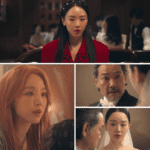
Complex calculation masked as loyalty. He gave her access to elite circles; she returned the favor by saving his life. Even her sincerity is strategic though this act had genuine weight, since even his own children refused.
What is the significance of Sarah’s kidney transplant scar?
It’s the Forensic Truth, physical proof she is the woman who saved Seong-shin, but also marks her as someone who would stop at nothing to secure her future. The one part of her history she couldn’t fake.
Why does Sarah root for Boudoir from prison?
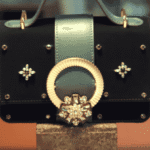
The brand is her only successful rebirth. To Sarah, Boudoir’s survival means Mok Ga-hui finally mattered. She chose legacy over liberty, letting the “Sarah Kim” myth outlive the woman.
Was Mi-jeong’s murder inevitable?
Yes. In a system with room for only one original, two versions of the same brand cannot coexist. Sarah’s violence was desperate self-preservation, the system she mastered finally turning on her.
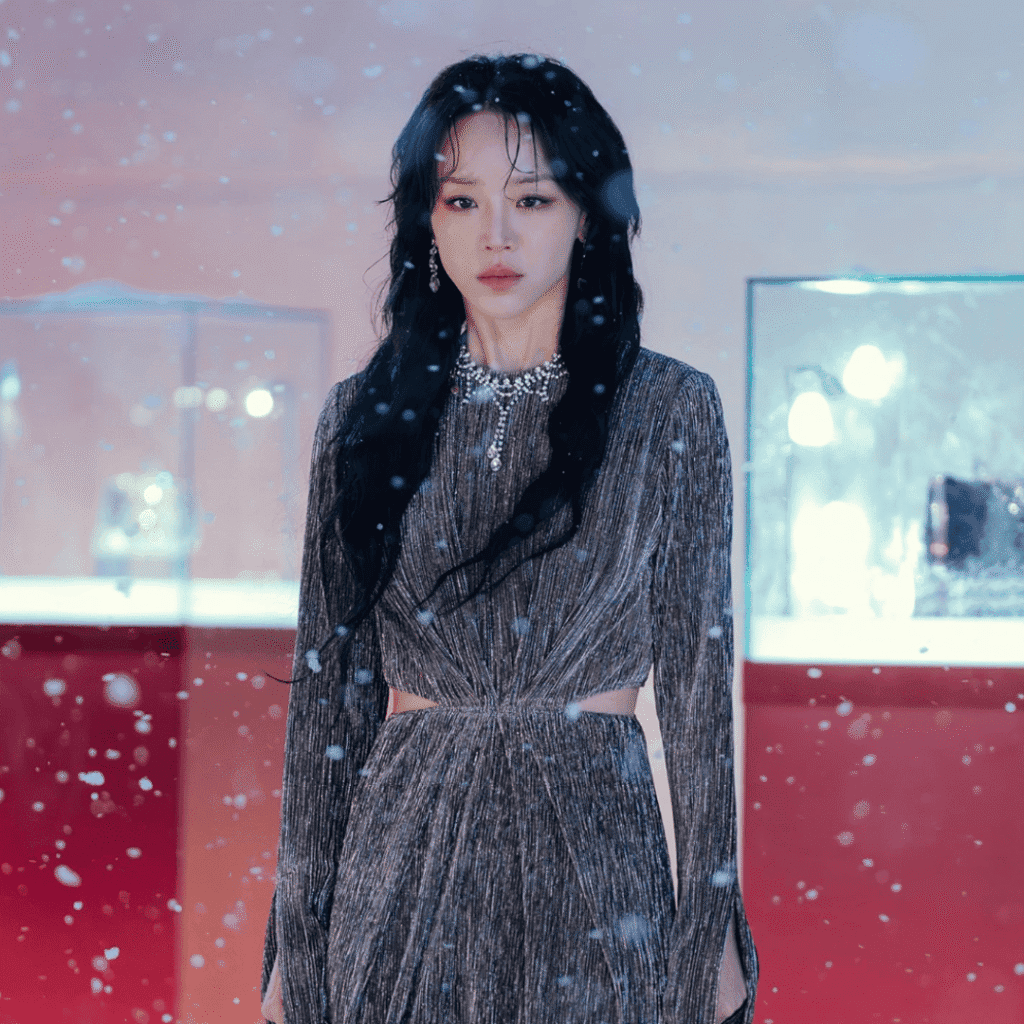
Final Thoughts: The Masks We Choose
Sarah Kim is a masterpiece of self-invention not because she lied, but because she made the lies work. She proved that class is performance, that confidence is currency, and that in late capitalism, the fake becomes real if enough people invest in it.
The tragedy isn’t that Sarah wore masks. It’s that she had to burn the woman underneath to keep them intact.
Who is the real Sarah Kim to you? The girl who jumped off the bridge, or the woman who walked into the police station? The kidney donor or the killer? The victim or the villain?
For my full analysis of how the ending redefines everything, read The Art of Sarah Review: Ending & Themes Explained (2026).
Let’s peel back the layers in the comments.
Disclaimer: This blog is for informational and entertainment purposes only. All copyrights and trademarks for the TV shows, films, and other media referenced are the property of their respective owners. This blog aims to provide original commentary and insights and claims no ownership over third-party content.