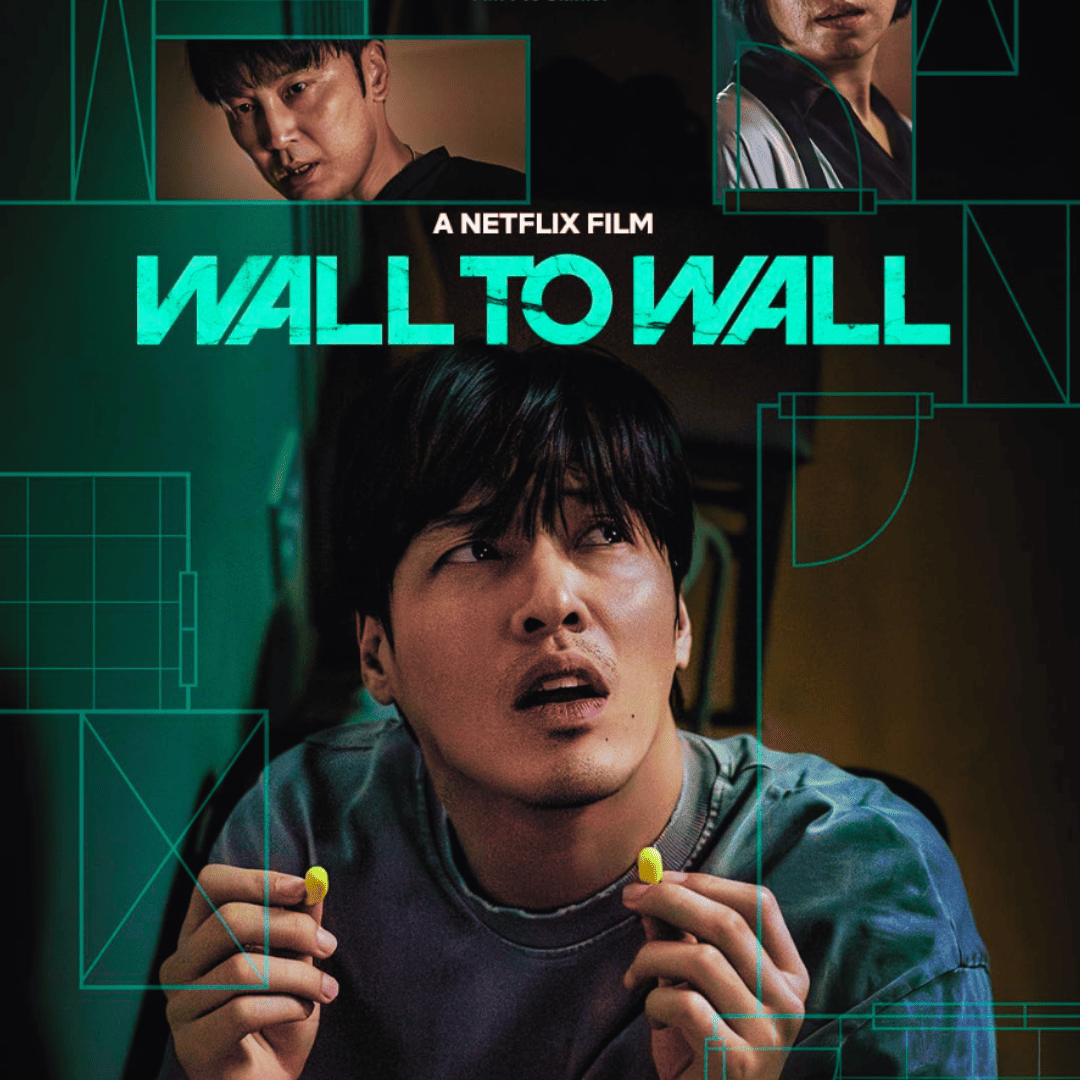
Wall to Wall Movie Review (2025): When Going House Poor Feels Like a Horror Movie
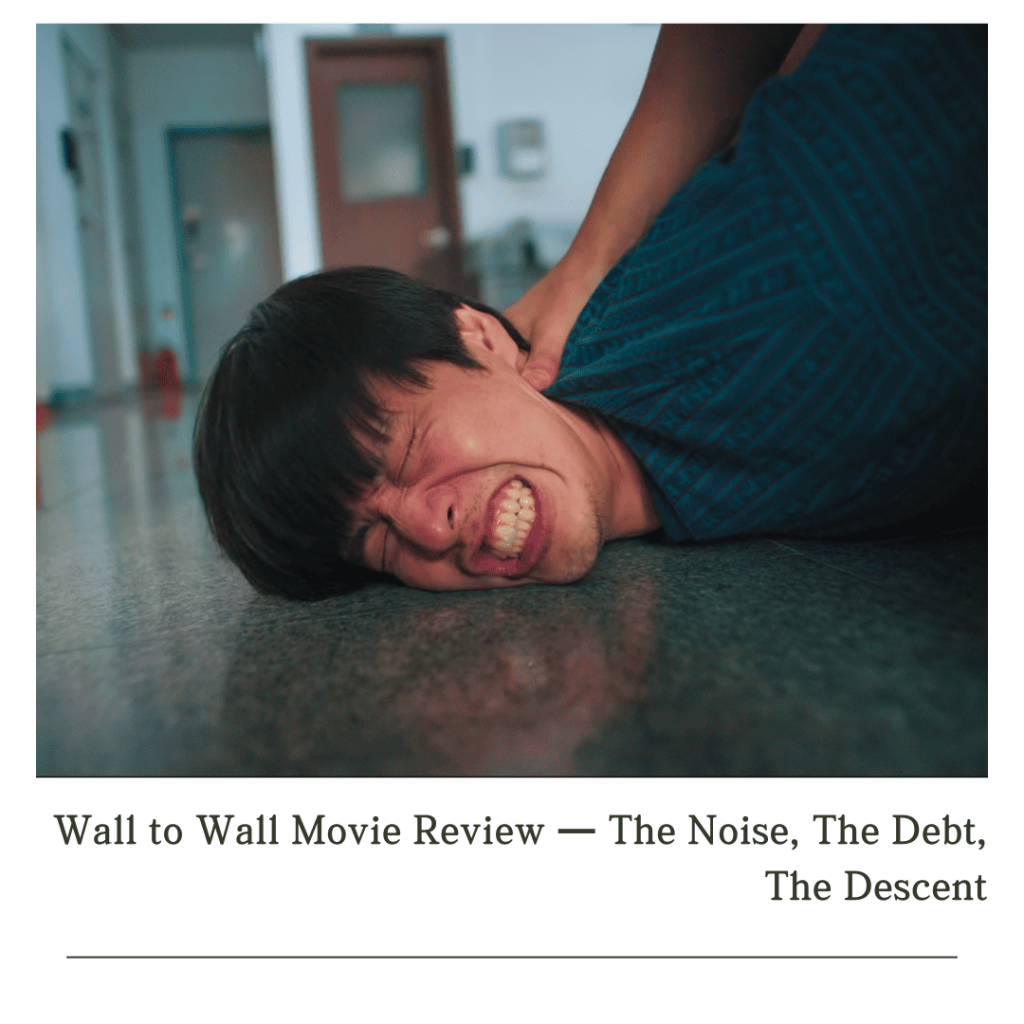
In this Wall to Wall movie review, we dive into a claustrophobic thriller where a man buys his way into a life he can’t afford. Only to find that survival inside his apartment might cost more than the crippling debt he took on to own it.
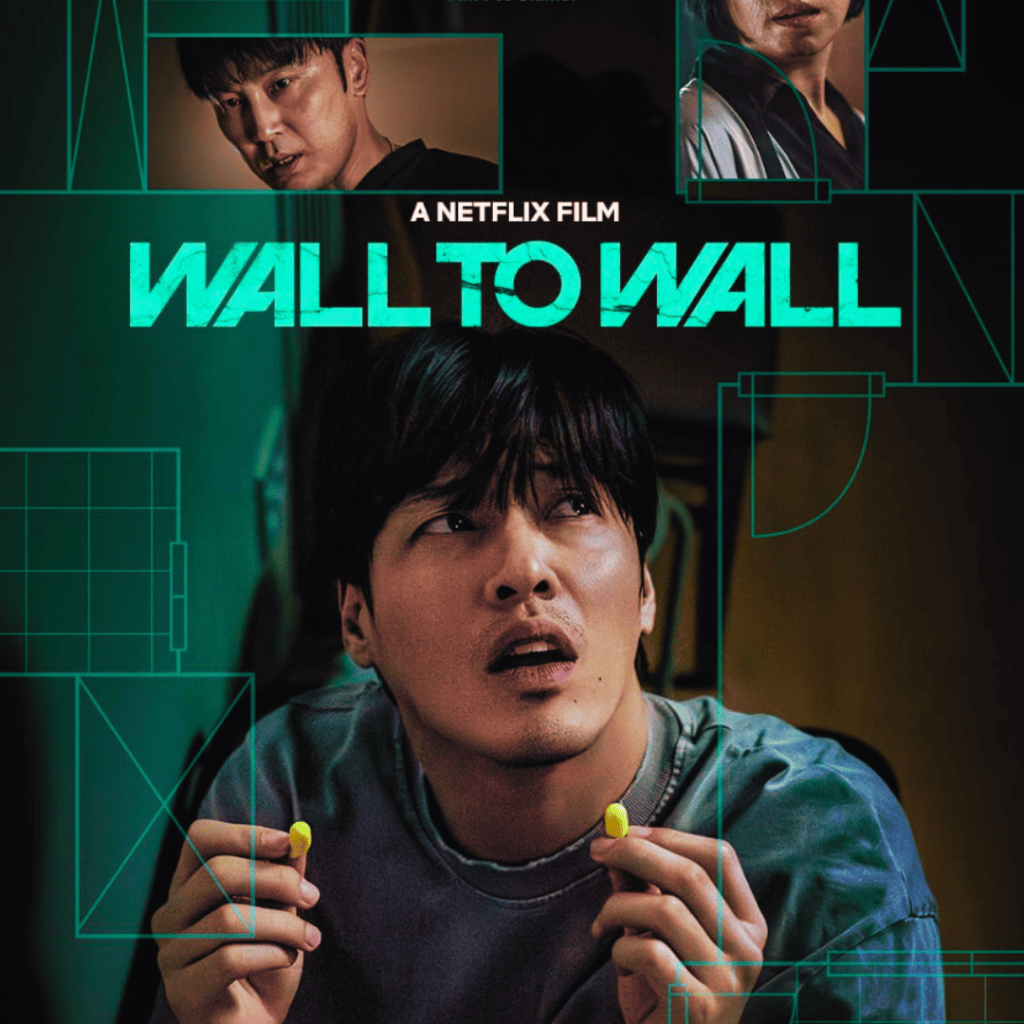
A Thriller Where the Villain Might Be the Floor Above You
Some films lure you in with bold premises, star power, or sleek trailers. But for me, Wall to Wall came creeping in through algorithmic suggestion, Instagram chatter, and the quiet realization that Kang Ha Neul rarely misses.
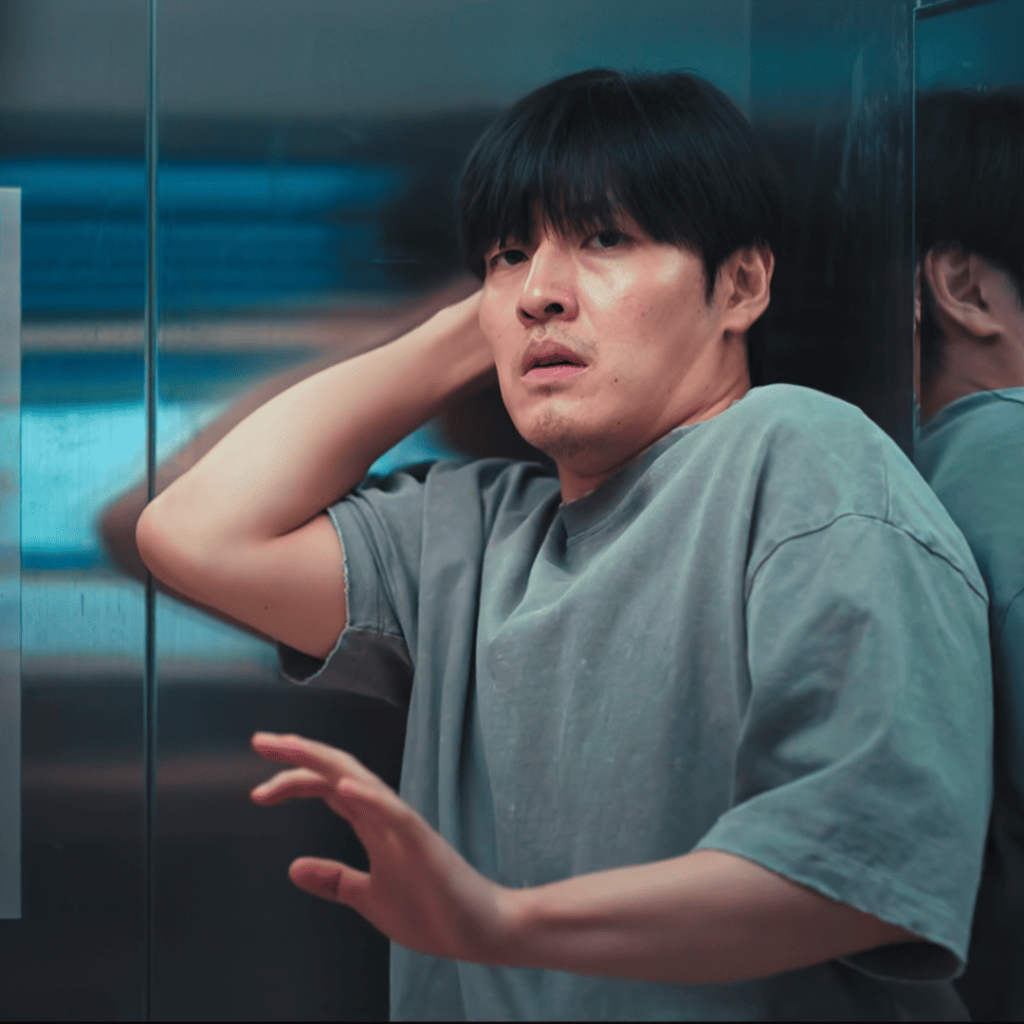
From the opening frames, the film isn’t interested in pacing or slow builds. It starts with a quiet sense of dread, a man caught between a crushing mortgage and the maddening noise complaints that no landlord or neighbour wants to take responsibility for. Woo Seong, played with bone-deep exhaustion by Kang Ha Neul, is a man trying not to unravel. But the walls seem to want him to.
There’s a scene early on where a colleague jokes that he’s “gone from poor to house poor.” It lands like a gut punch. And from there, the film coils tighter.

Noise as Surveillance, Ownership as Isolation
This isn’t a horror movie in the traditional sense. It’s more like an urban fever dream, where the wallpaper peels back to reveal existential rot. Woo Seong isn’t fighting ghosts or monsters, he’s battling unpaid debts, rising property values, and the insidious sense that he might be the problem.
The apartment becomes a character: its thin walls, its inter-floor noise (cheung-gan so-eum), its refusal to grant anyone true privacy. The fact that the source of the noise keeps shifting and eventually becomes a tool of manipulation turns domestic space into a psychological war zone. You never feel safe here, and neither does Woo Seong.

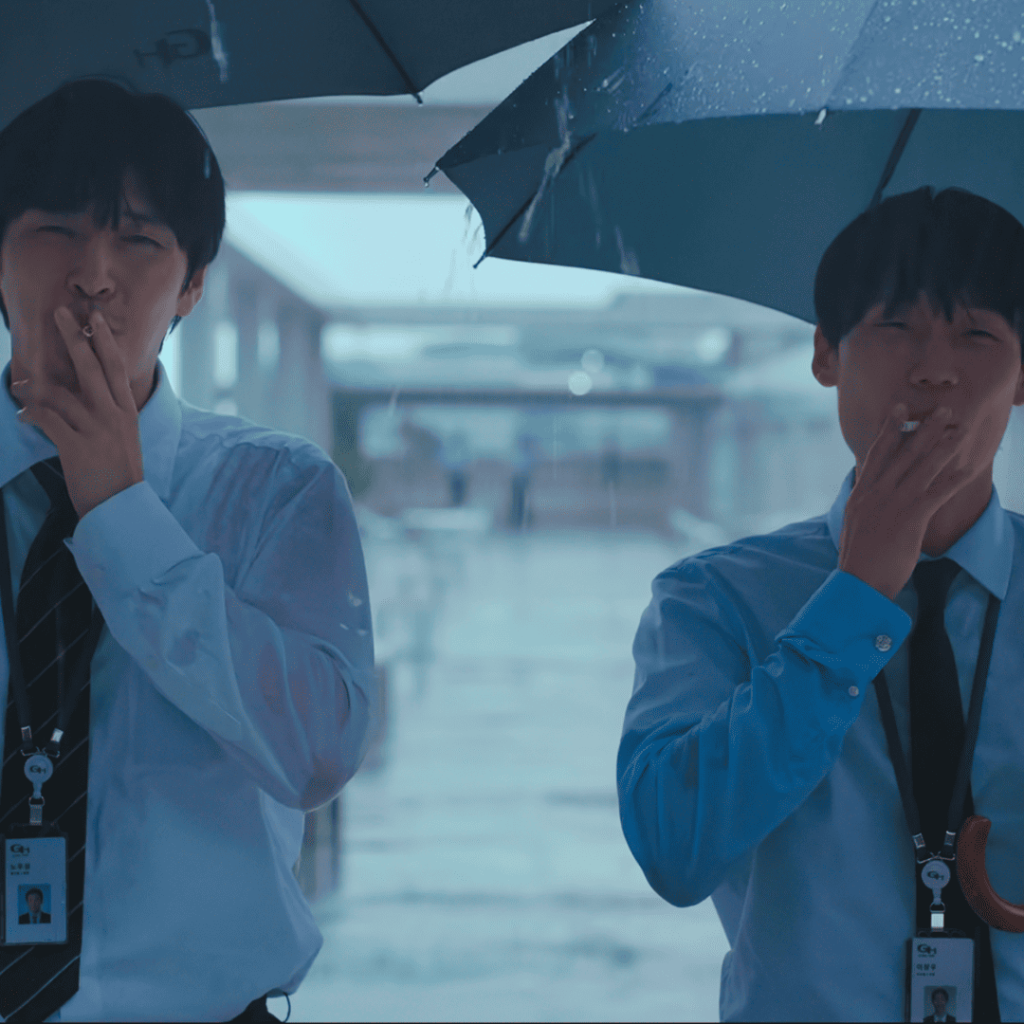
In one of the most disorienting reveals, we discover that a neighbor, Jin Ho, has hacked into the building’s internal network and is watching every unit. Surveillance doesn’t come from the state or Big Tech in this story, it comes from upstairs, quite literally.
If you squint, sure, that’s a Black Mirror moment. But where Black Mirror tends to be sleek, digital, and speculative, Wall to Wall is sweaty, analog, and grounded. Less dystopia, more claustrophobia.

A Housing Crisis Dressed as a Thriller
At its core, this is a movie about the dark price of class mobility in a rigged system. Woo Seong works two jobs. He skips meals, steals ice cream from the breakroom freezer, and refuses to run his A/C because he can’t afford the bills.
He’s not just haunted by noise, he’s haunted by debt, and by the idea that maybe he made a huge mistake trying to “level up” in a broken economy.
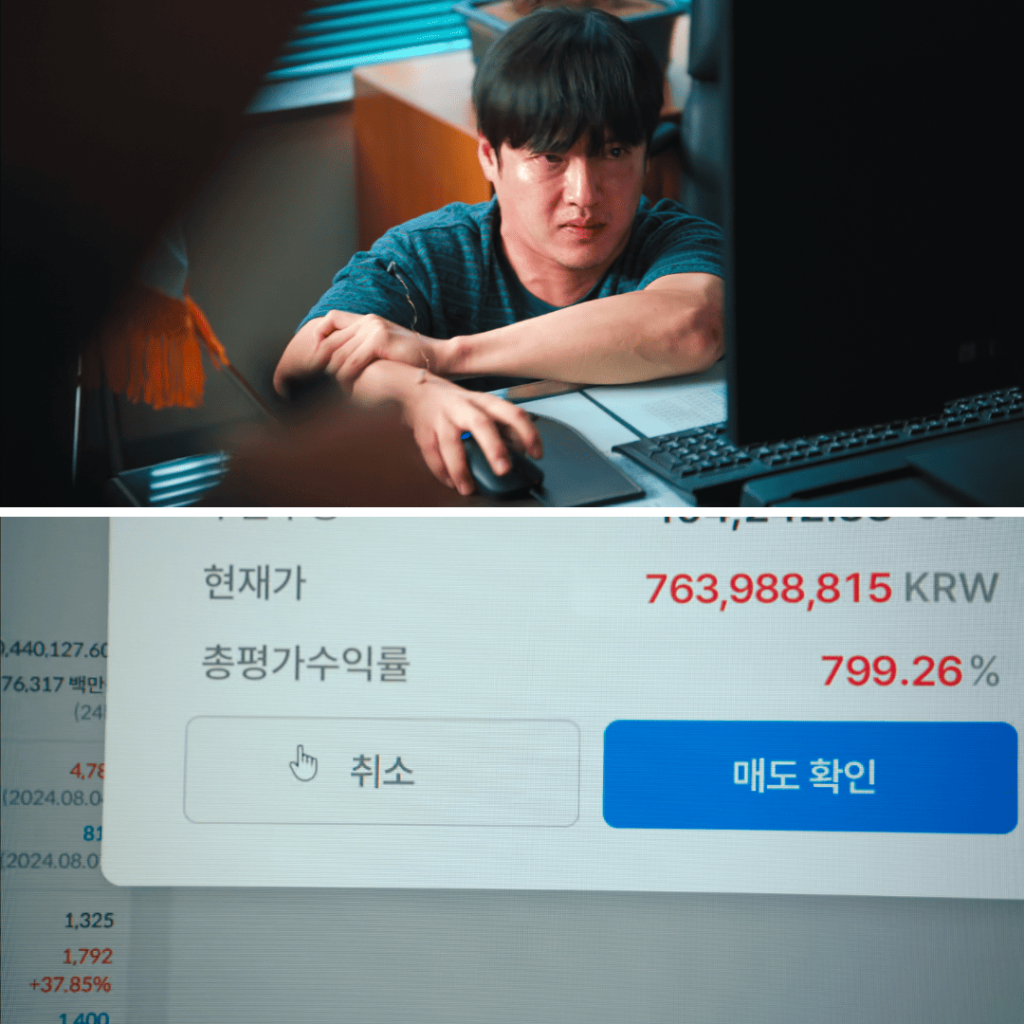
In the crypto subplot (which is surprisingly not ridiculous), Woo Seong places his last hopes on a sketchy insider tip to sell a coin at 8:15 on August 15, a national holiday symbolizing Korea’s liberation from colonial rule.
The symbolism is heavy-handed, but oddly effective. He doesn’t make the sale. The scene where he’s being tased while frantically trying to click “sell” is one of the rawest metaphors for missed economic freedom I’ve seen onscreen in a while.
Is This Dark Thriller Era Material?
Here’s where I had to pause. Wall to Wall doesn’t deliver its darkness in a stylized way. This isn’t Gone Girl or Pearl where the aesthetics are bold and the genre rules are subverted with flair. It’s grim and at times, messy.
But it fits the dark thriller era ethos if we redefine the category as:
“films that expose the psychology of desperation under capitalism, where the villain might be your reflection—or your next-door neighbor.”
Yes, it deserves a place in that watchlist. It’s not the most polished or genre-perfect entry, but it’s doing real work. It makes the horror of being house poor as loud as the footsteps above your ceiling at 3AM.
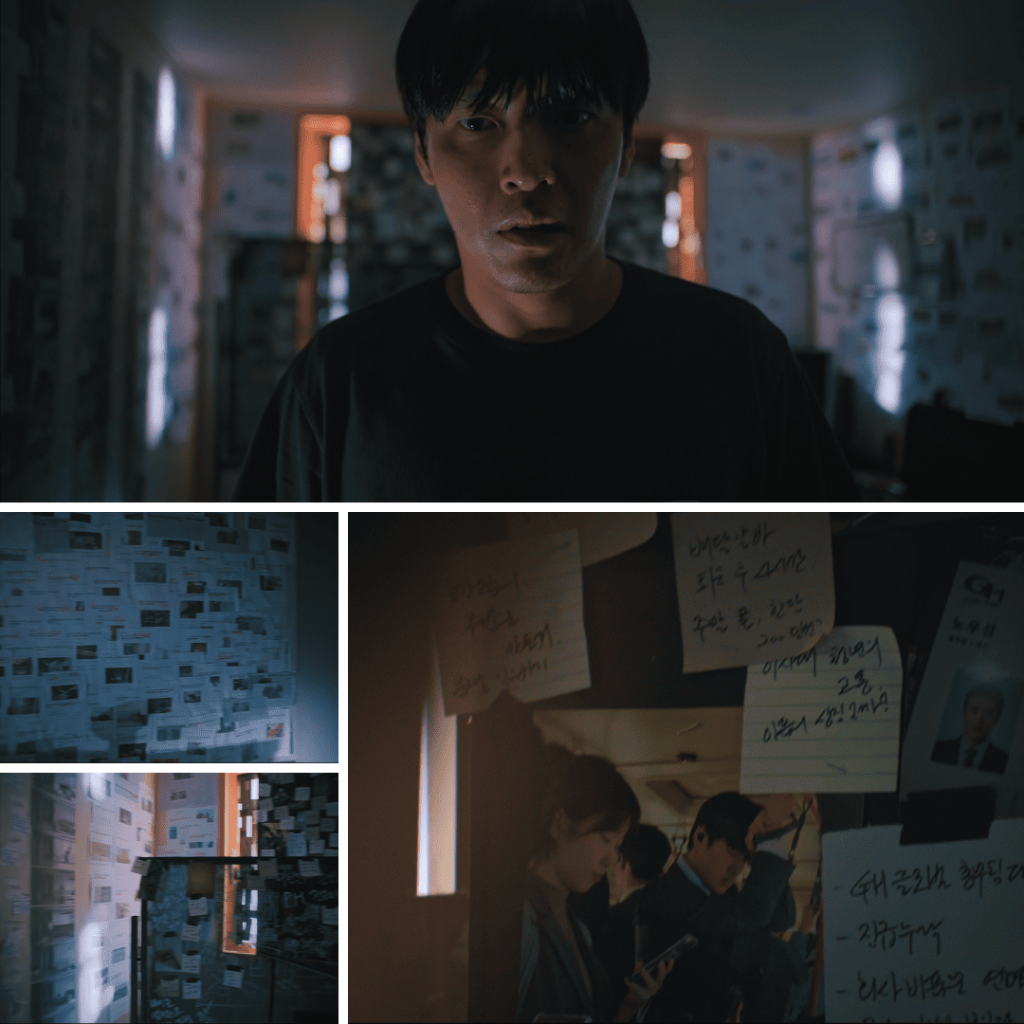
From Scapegoat to Survivor
The third act twists are almost excessive – murder, coverups, hidden ledgers, corruption scandals but Woo Seong remains a compelling center throughout. And Kang Ha Neul plays him not like a hero, but like a man too tired to scream, too angry to quit, and too scared to stop moving forward.
That final scene? Him sitting in his old apartment, title deed in hand, laughing as the phantom noise continues, it’s either a breakdown or a breakthrough. Or both.

Final Verdict: Should You Watch It?
What makes Wall to Wall land so disturbingly close to home is how much of it isn’t just fiction. The film draws directly from cheung-gan so-eum, Korea’s real and rising crisis with inter-floor noise.
According to a July 2024 report by KBS News, over 20 people have died in disputes tied to floor noise over the past decade. This everyday tension, when left unchecked, becomes the perfect breeding ground for the paranoia, desperation, and dread the film masterfully builds on.
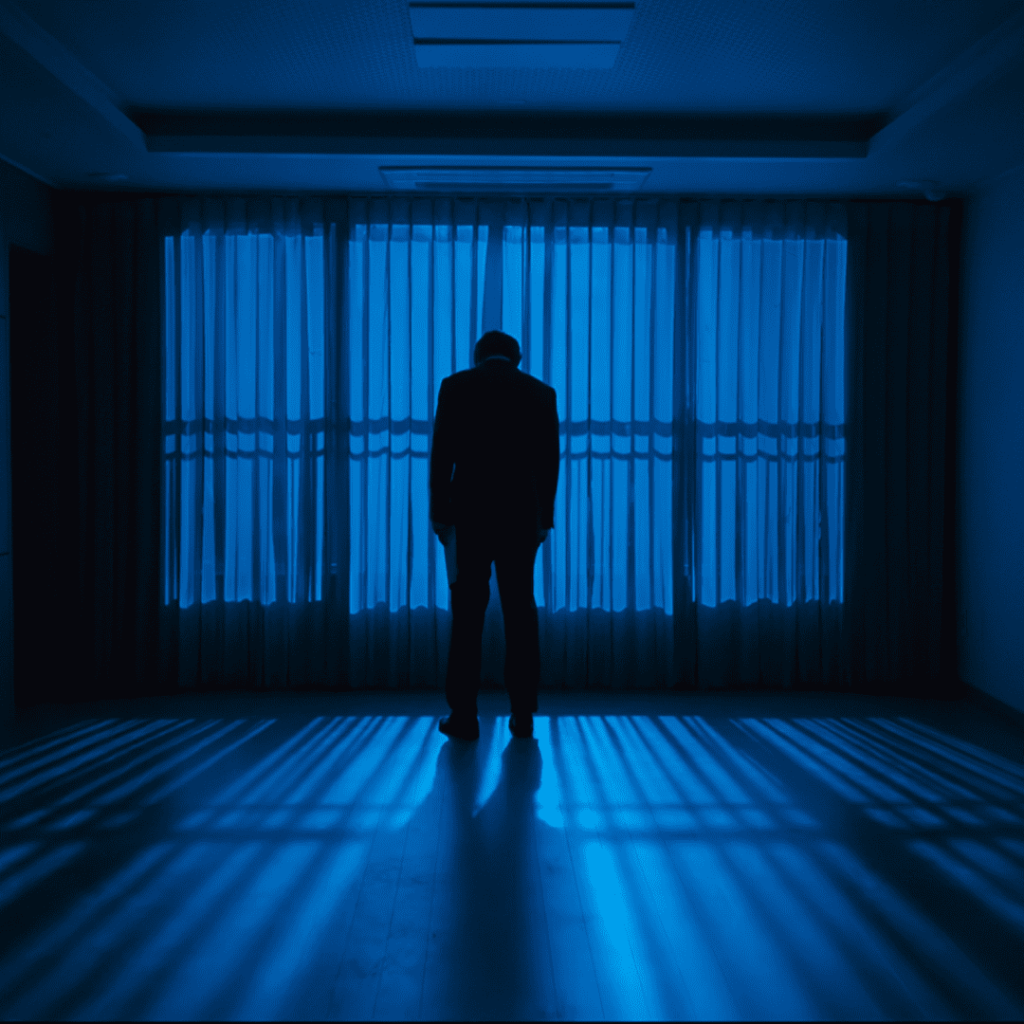
Wall to Wall is a reminder that horror doesn’t need ghosts, and thrillers don’t need car chases. Sometimes all it takes is a drill-like noise in the ceiling, a crypto tip that never cashes out, and a neighbor who sees you as a story, not a human.
This isn’t a film about victory. It’s about endurance. It’s about what it costs to stay sane when your home starts to feel like a trap.
And maybe that’s the most terrifying kind of thriller of all.
Next Up in the Watch Party:
Pearl (2022), the technicolor prequel about performance, madness, and murder. And after that, Infinity Pool (2023)
You can catch my earlier breakdown of The Substance right here .
Disclaimer: This blog is for informational and entertainment purposes only. All copyrights and trademarks for the TV shows, films, and other media referenced are the property of their respective owners. This blog aims to provide original commentary and insights and claims no ownership over third-party content.