

Alice in Borderland Season 3 Review: The Unnecessary Season That Left Me Rolling My Eyes

What happens when a story that already ended gets dragged back for one more round?
Quick Take: Alice in Borderland Season 3 tries to reignite the thrill with new games and fresh faces, but instead of raising the stakes, it feels like an echo. The mystery is gone, the emotional weight is lighter, and the result is a season that struggles to justify its existence.
Alice in Borderland Season 3 Review: When Netflix announced a third season of Alice in Borderland, my feelings were mixed. At first there was a spark of excitement because the world of Borderland has always been intense and creative. But honestly, I felt the story was already complete.
Season 1 hooked us with the mystery of what was happening. Season 2 revealed that Borderland was a shared consciousness between life and death, and that felt like the perfect ending. So when Season 3 came along, my first thought was: what direction could they possibly take now?
After watching all six episodes, my answer is clear. This was the season we didn’t need.
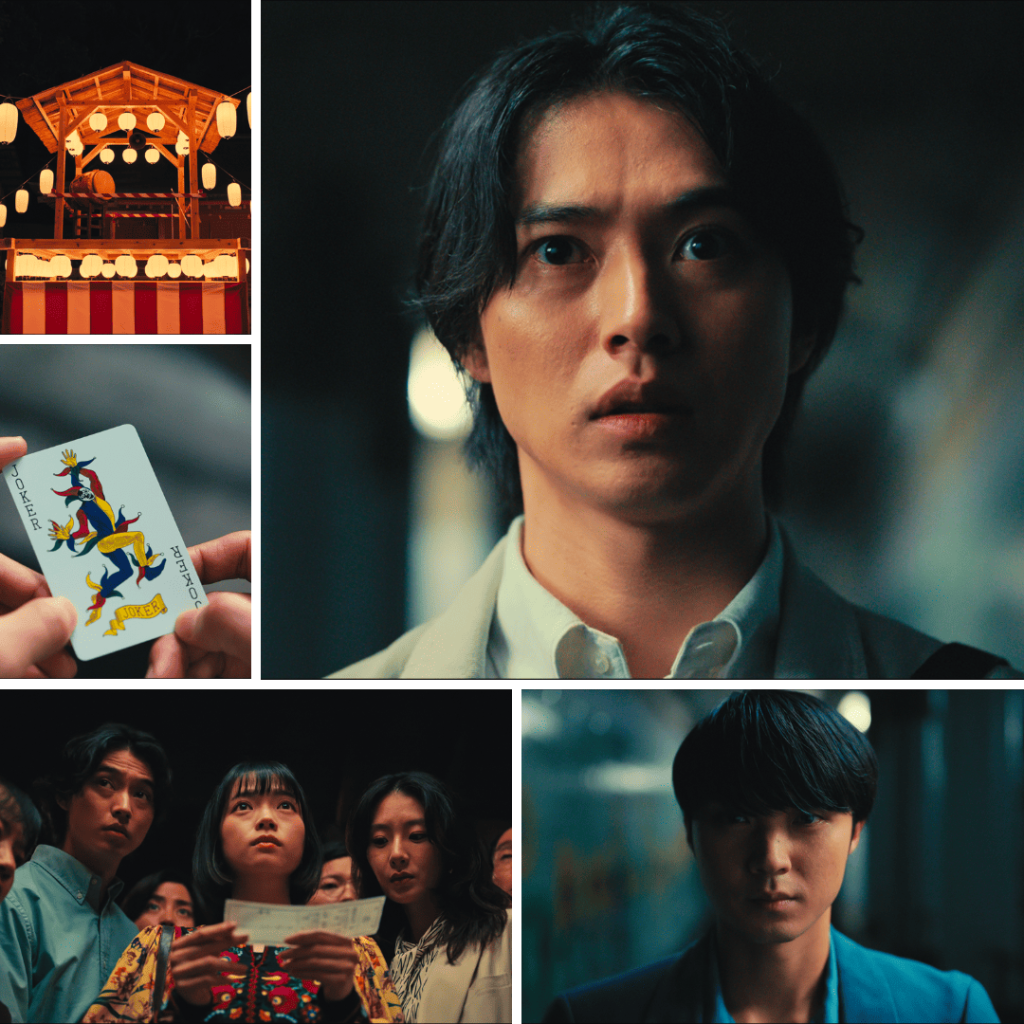
Alice in Borderland Season 3 Review of the Games
The games are the heart of Alice in Borderland. In Season 3 they delivered a mix of entertaining setups, but too many felt recycled or less impactful than in past seasons.
The fortune telling game with the arrows was visually exciting, but we had seen a version of it before. The zombie hunt leaned into paranoia and mistrust, and that worked better.
The runaway train game with the canary and limited cartridges was fresh and thrilling, especially the moment when they had to leap between trains, though some of the character actions stretched believability.
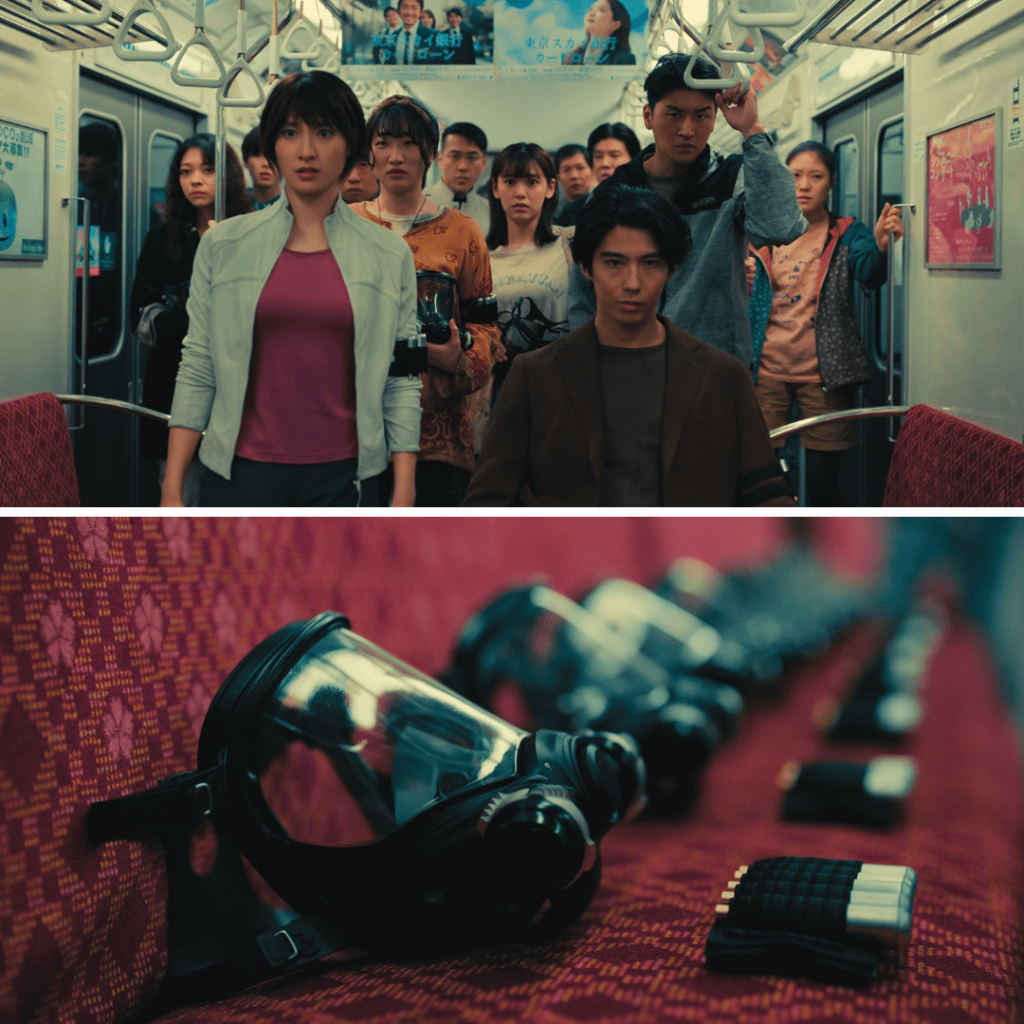
Usagi’s rhythm-and-lasers game felt more like an arcade spectacle than survival. Kick the Can echoed the Japanese film As the Gods Will, but didn’t bring much originality.
The final grid game, however, stood out. It used psychology brilliantly by showing players their future and manipulating their choices. It was the one time the tension reminded me of what made this series special in the first place.
The games were fun enough in the moment, but none of them justified a new season.

Arisu, Usagi and Ryuji: A Dynamic That Fell Short
Arisu remains the backbone of the show. His grit and determination kept me watching even when the plot dragged. He is the reason Borderland worked in the first place.
Usagi, however, frustrated me. Her grief arc could have been powerful, but her misplaced trust in Ryuji over Arisu weakened her character. Instead of growing from past seasons, she felt less grounded.

Ryuji’s obsession with near-death experiences made him interesting at first. A professor in a wheelchair desperate to uncover the truth about the afterlife had potential. But his role quickly became little more than a narrative excuse to drag Arisu and Usagi back into the Borderland.
Supporting characters were thinly sketched. The glimpses of their pasts and futures in the final game were touching at times, but I didn’t feel invested. They lacked the presence of the standout side characters from Seasons 1 and 2.
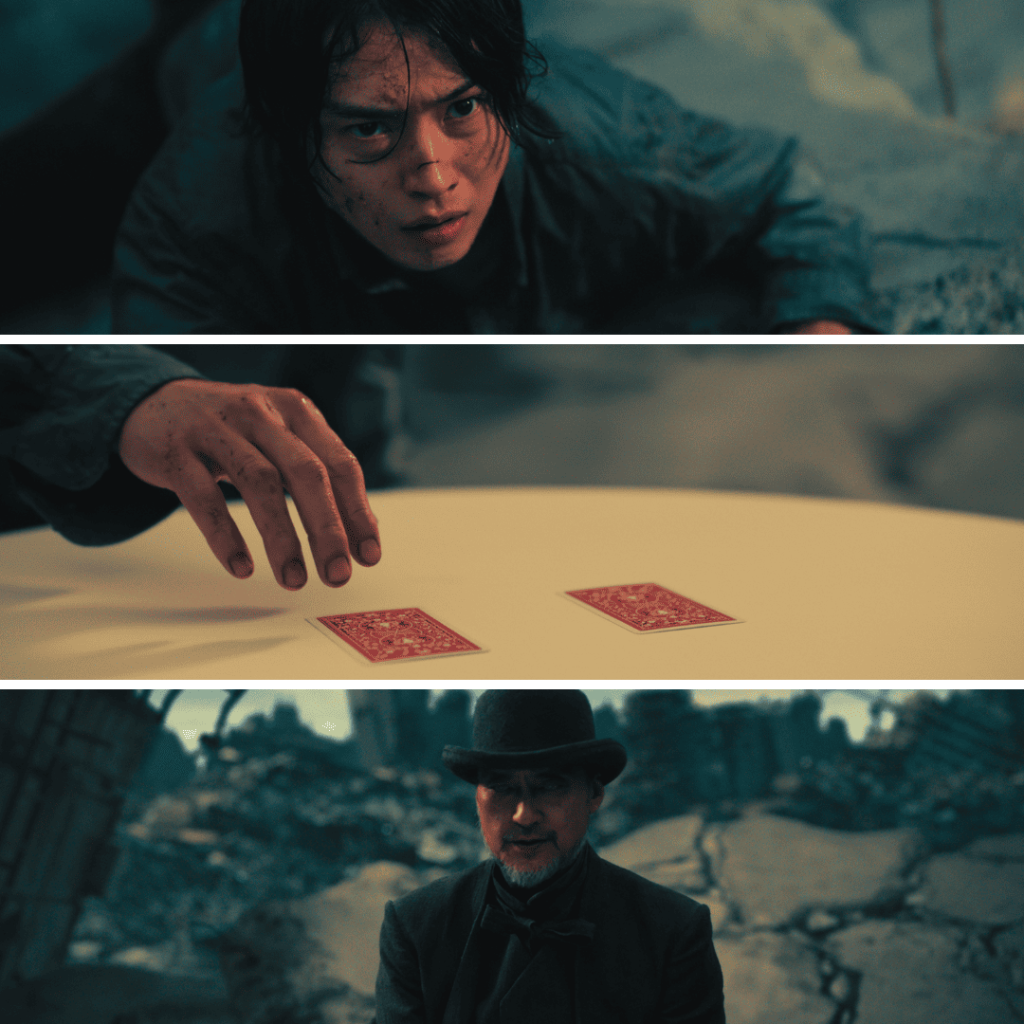
The Joker Card and the Contrived Setup
This is where Season 3 lost me the most. In Season 2, the rules were clear. Players entered the Borderland through a near-death experience and fought for survival. In Season 3, Ryuji is enticed into the Borderland with a Joker card, and somehow Usagi is dragged in too.
It felt contrived. The Joker twist tried to be clever, but instead it highlighted how forced the continuation was. The idea that the serial killer citizen from last season wanted Arisu to return and become a citizen made little sense.
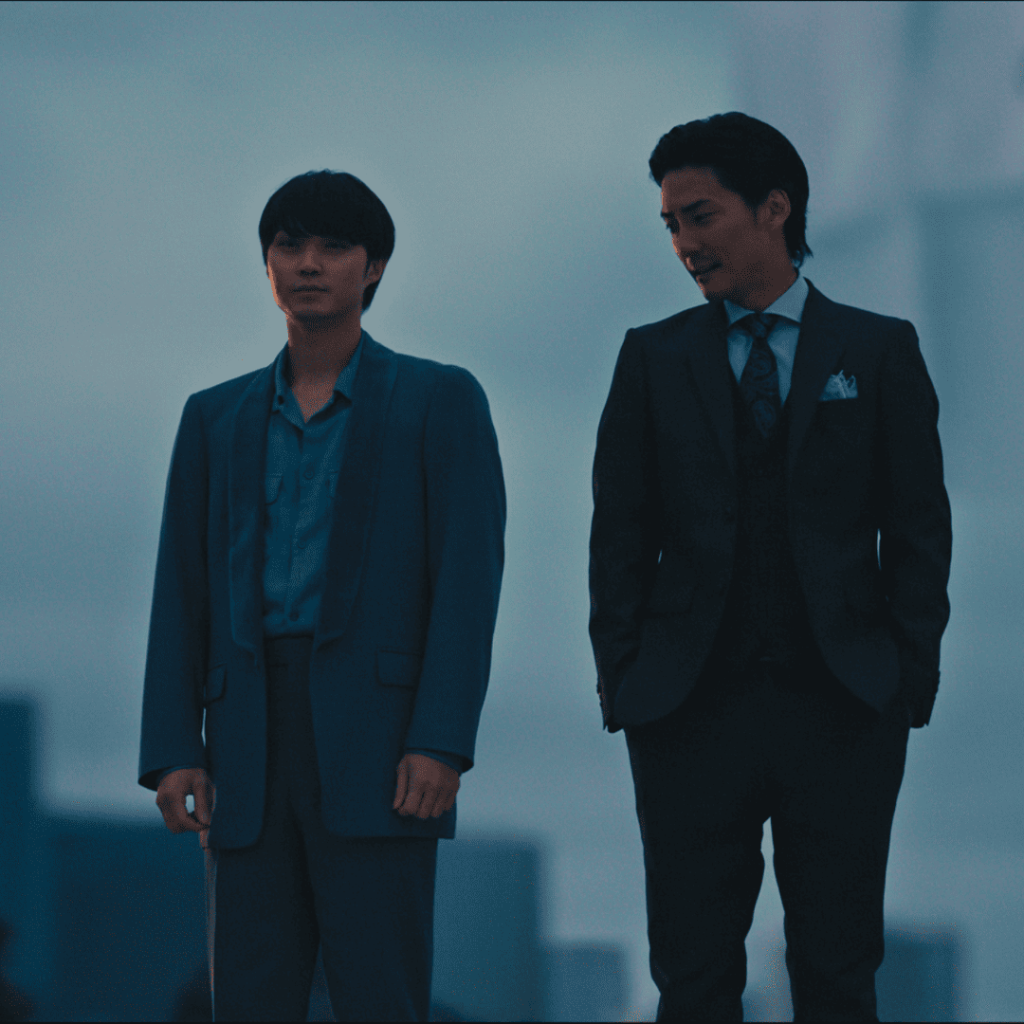
The Borderland always worked best when its mysteries were unexplained, when the horror of it simply was. Bringing elements of it into the real world undermined that power.
The Joker’s speech at the end about the joker just being a gap between time and the gap between life and death , and the other clever detail about the pack of cards representing the nature of time in the mortal realm, was interesting folklore. But it was too little, too late.
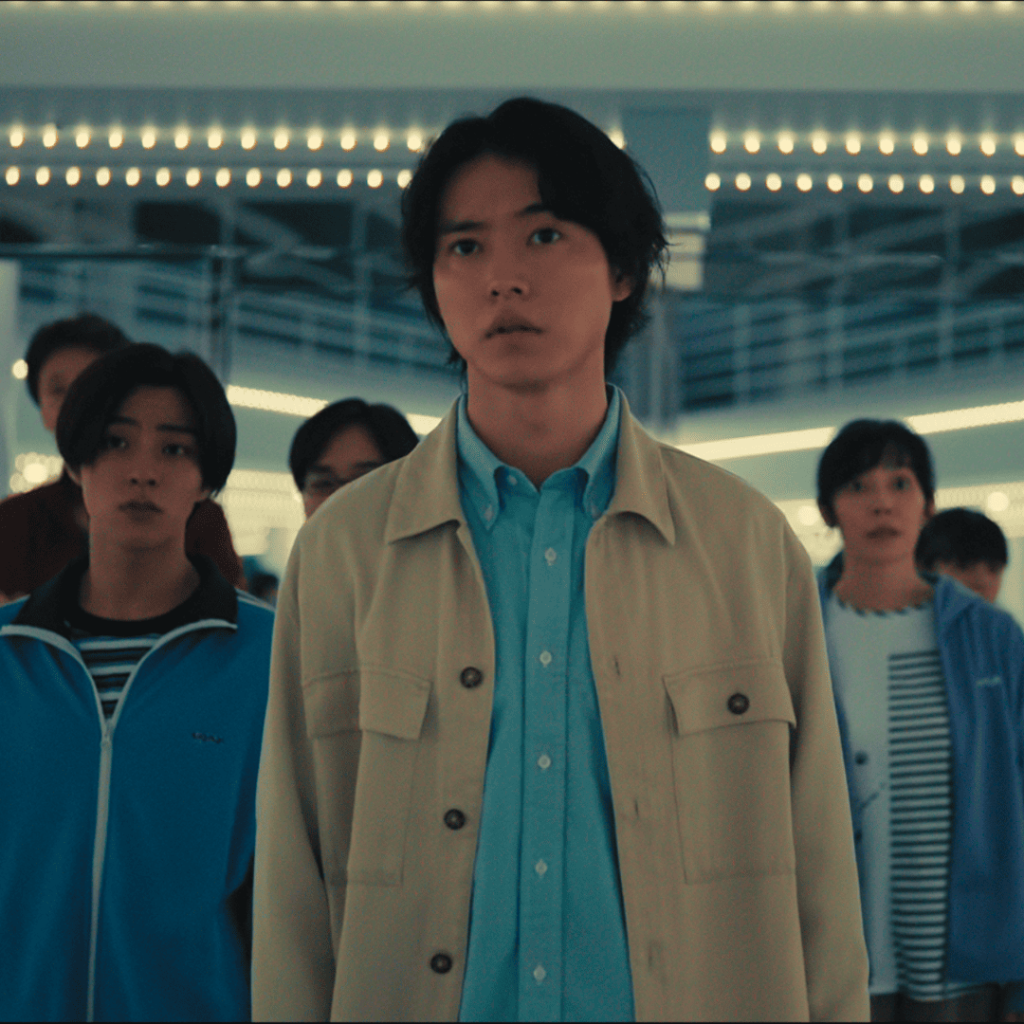
Comparing Borderland to Other Takes on Death
What made Alice in Borderland so compelling was its take on the near-death experience. The meteorite strike and shared consciousness gave us a vision of limbo that was dark, brutal and endless. The way time stretched into eternity was haunting, almost like the fictional depictions of hell.
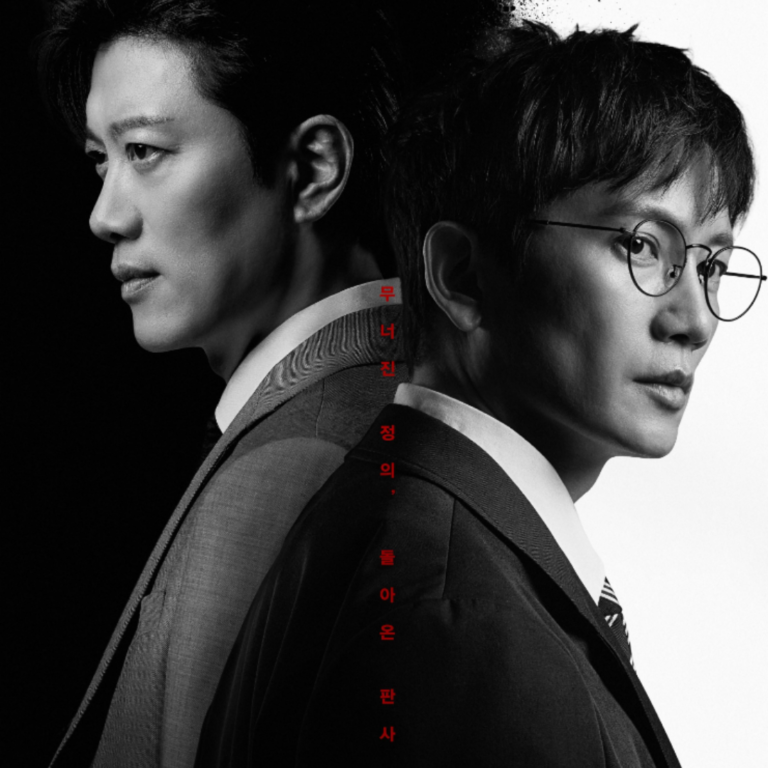
It offered a stark contrast to lighter takes on the afterlife, like Korea’s Light Shop, which handles near-death experience with far more warmth and gentleness.
Seasons 1 and 2 in Borderland hit hard, said what they needed to say, and ended perfectly. Season 3 felt like Netflix couldn’t resist milking a hit.

Final Thoughts: This Was the Season We Didn’t Need
I wanted to love Alice in Borderland Season 3. I wanted it to justify its existence. But after six episodes, I walked away with the same thought I had when the season was first announced: this was unnecessary.
The games entertained here and there, but too often felt recycled. The character arcs leaned more on frustration than growth. The Joker twist had potential, but the setup was contrived. By the end, I wasn’t excited or satisfied. I was rolling my eyes.
The season left me with the same feeling I had watching the last season of Umbrella Academy, admiration for the franchise, but irritation that it didn’t stop at its natural conclusion.
In one line, this is my Alice in Borderland Season 3 Review: it was the season we didn’t need.
What about you? Did the Joker twist land for you, or do you also think Season 2 should have been the end? Let me know your take in the comments.

Disclaimer: This blog is for informational and entertainment purposes only. All copyrights and trademarks for the TV shows, films, and other media referenced are the property of their respective owners. This blog aims to provide original commentary and insights and claims no ownership over third-party content.



One Comment