
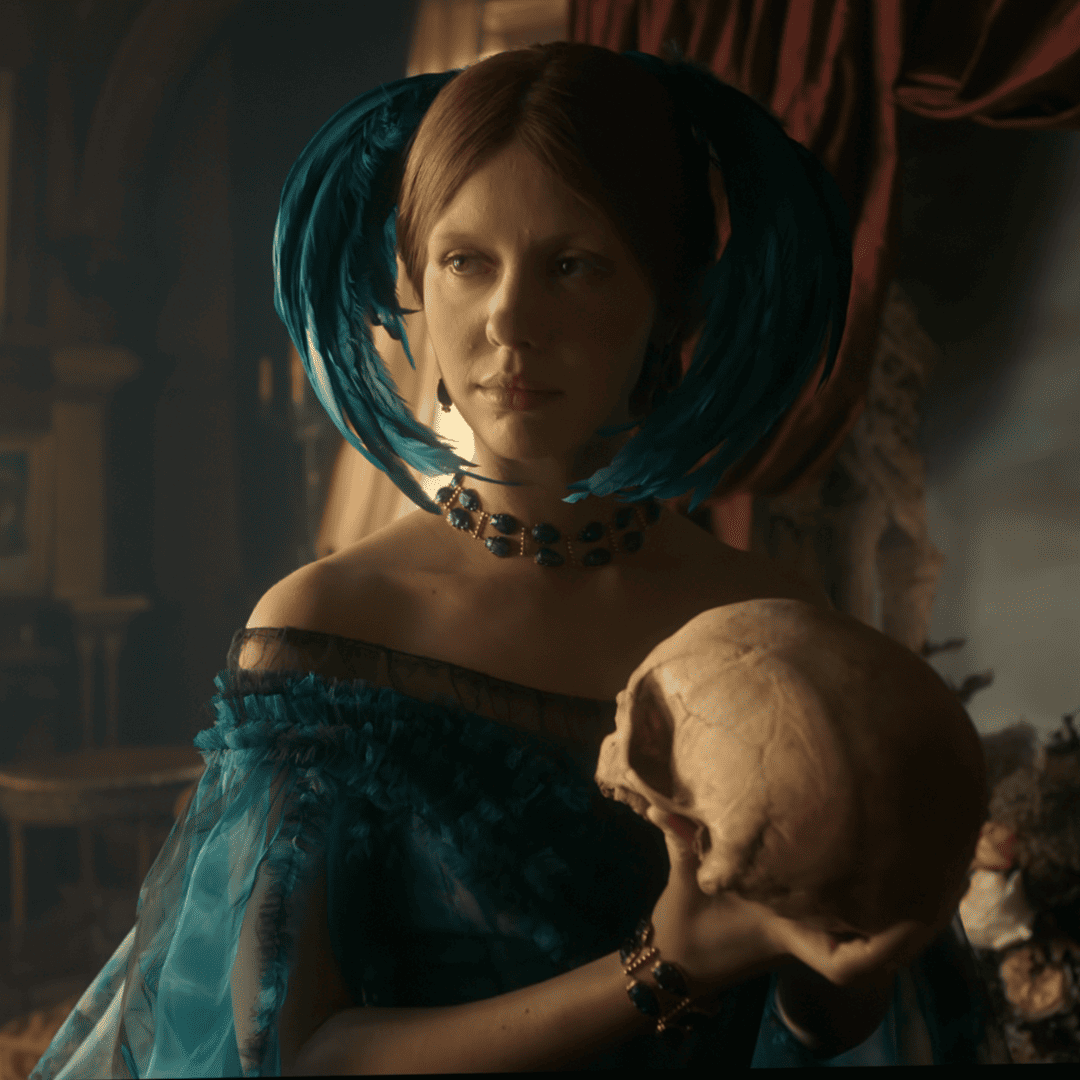
Frankenstein Netflix Review (2025): Creation, Forgiveness, and the Monster Within
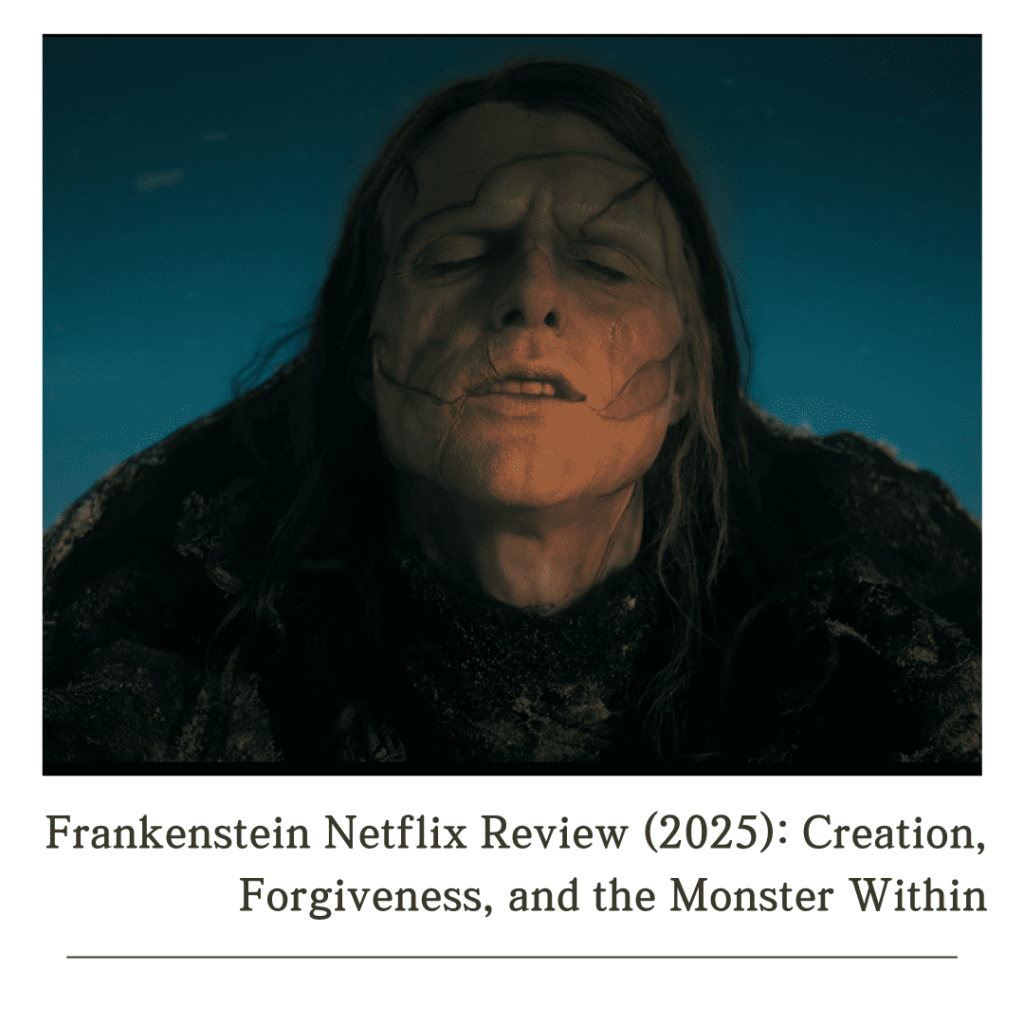
When the heart that was never meant to beat begins to feel.
Frankenstein Netflix Review Quick Take: Guillermo del Toro’s Frankenstein (2025) redefines what it means to be human. It’s a story about cruelty and tenderness, about a creation born into rejection and yet capable of the deepest forgiveness. This isn’t just a monster movie — it’s a lament for broken fathers, failed gods, and all the imperfect love that binds creator and creation.
A Life Stitched from Loneliness: The Emotional Anatomy of a Monster
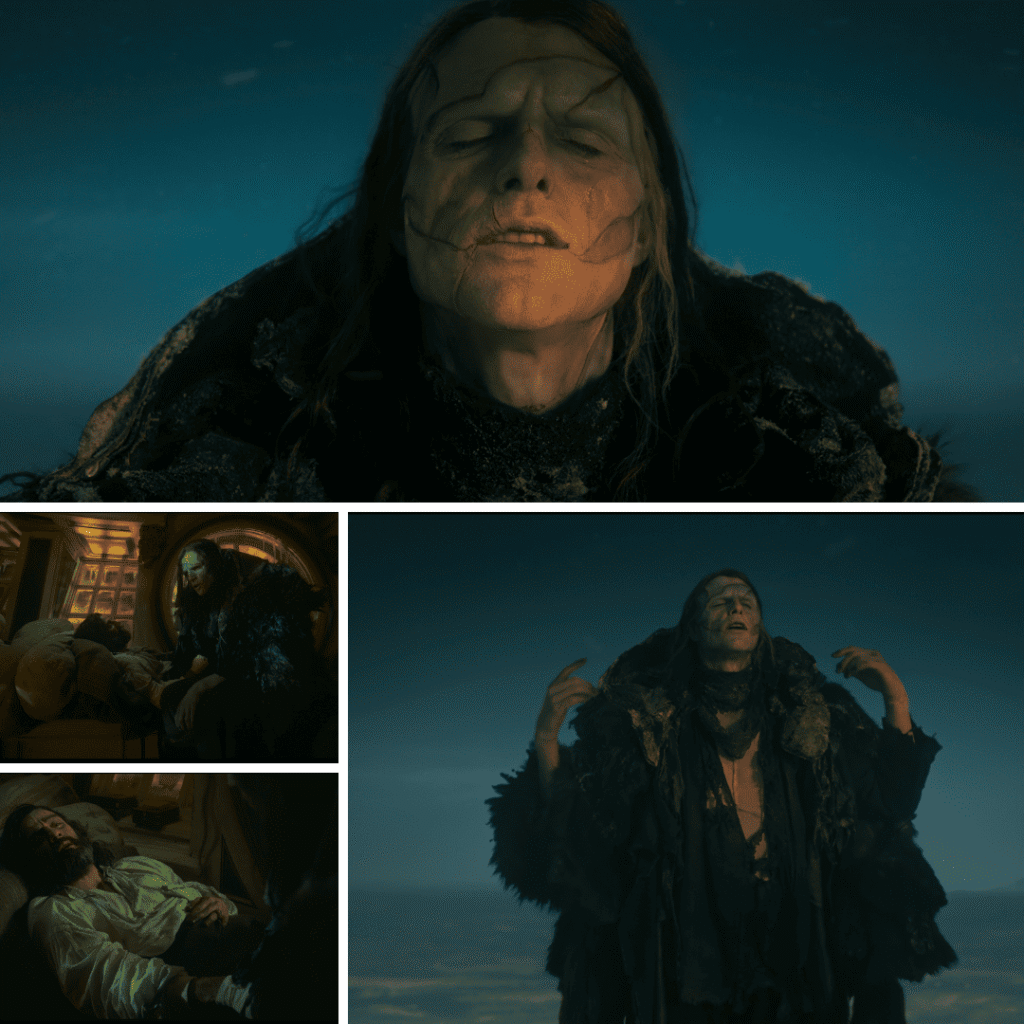
After watching Frankenstein, I was in tears. The creature had found his humanity, and in forgiving Victor, he transcended him. After Victor killed Elizabeth, his brother’s wife and the one person who showed the creature kindness, the final image of the two men on the edge of the world felt biblical, like two souls locked in eternal frost.
“The heart will break and yet brokenly live on.”
Lord Byron
That line captures it all: the endurance of grief, the ache of existence.
The ending aboard the ship, where Victor asks for forgiveness and begs the creature to call his name one last time, gutted me. Their final exchange wasn’t about science or sin but recognition, the shared agony of father and son, creation and creator.
I sympathized with the creature entirely. None of us ask to be born, and yet we live with the consequences of others’ choices. Victor’s god complex, his revulsion toward his own creation, his desire to conquer death, they mirror the same inherited cruelty he despised in his father. In the end, both creator and creation were chasing affection that could never exist.
The true horror here wasn’t the monster; it was how quickly Victor abandoned him.
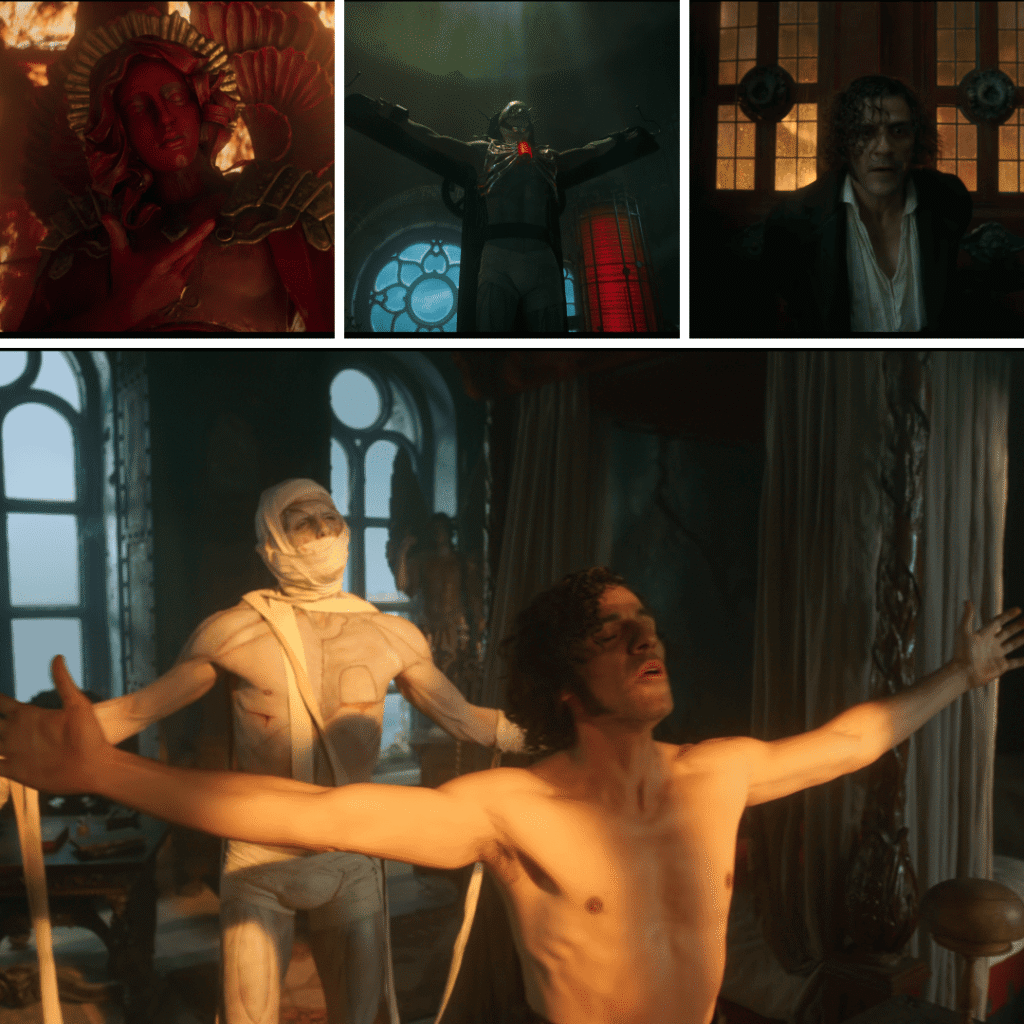
The Mirror and the Maker: God, Guilt, and the Cruelty of Perfection
Del Toro’s fascination with monsters is well known. He once said, “Monsters are the patron saints of our blissful imperfection.” That ethos runs through every frame of Frankenstein. This film argues that monstrosity isn’t about what we look like, it’s about what we do with our power.
Victor’s horror wasn’t born from curiosity but from entitlement. He treated death as a resource, bodies as raw material. His disregard for consent and sanctity feels eerily modern. A reflection of consumerism’s endless appetite. In that sense, Del Toro’s Frankenstein is as much about capitalism as creation: how easily we discard what no longer serves us.
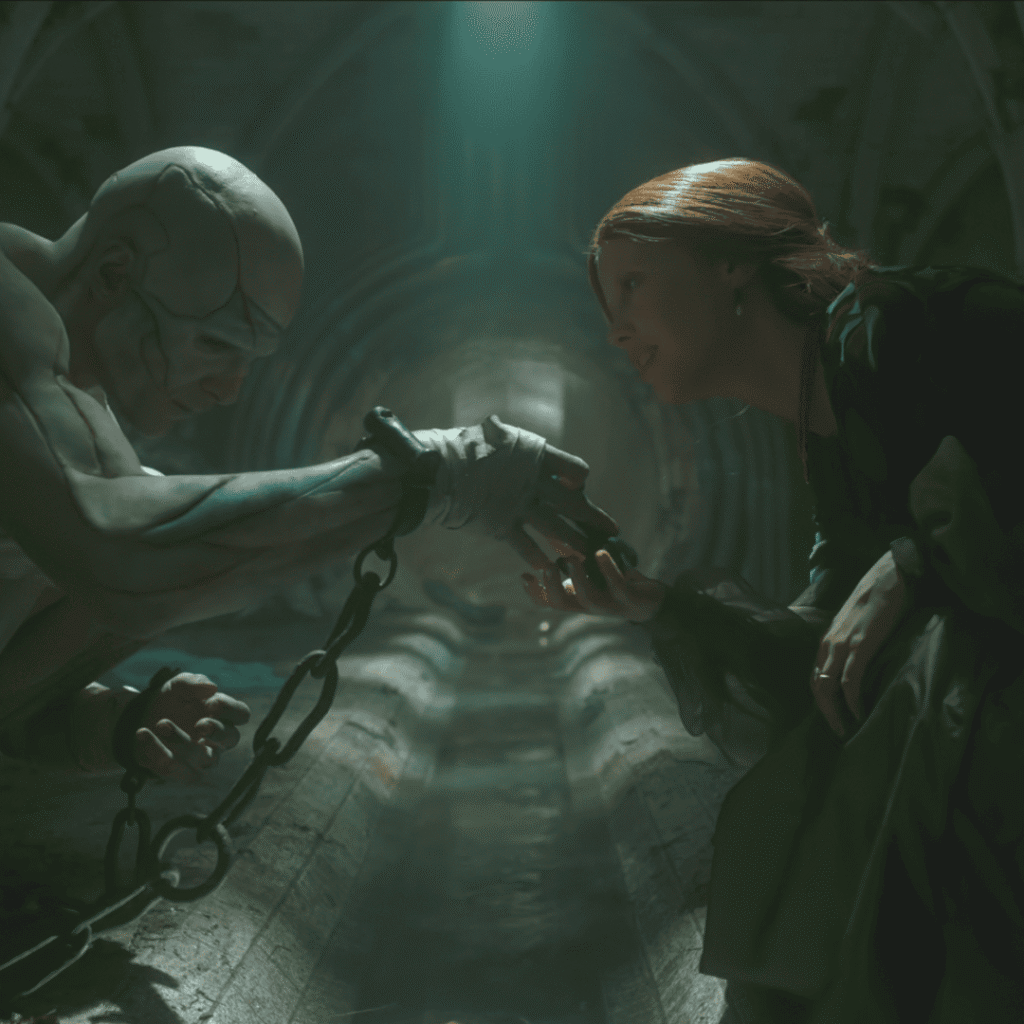
Elizabeth’s relationship with the creature sits at the heart of this moral tension. Her compassion is both maternal and tragic, as if she sees in him every life lost to war. A collage of humanity literally stitched together. Her kindness gives the film its soul; her death, its unhealed wound.
And then there’s the creature’s forgiveness, a moment so profound it silences judgment. It’s mercy and transcendence, proof that compassion survives even in the face of cruelty. In forgiving Victor, the creature becomes more human than his maker ever was.
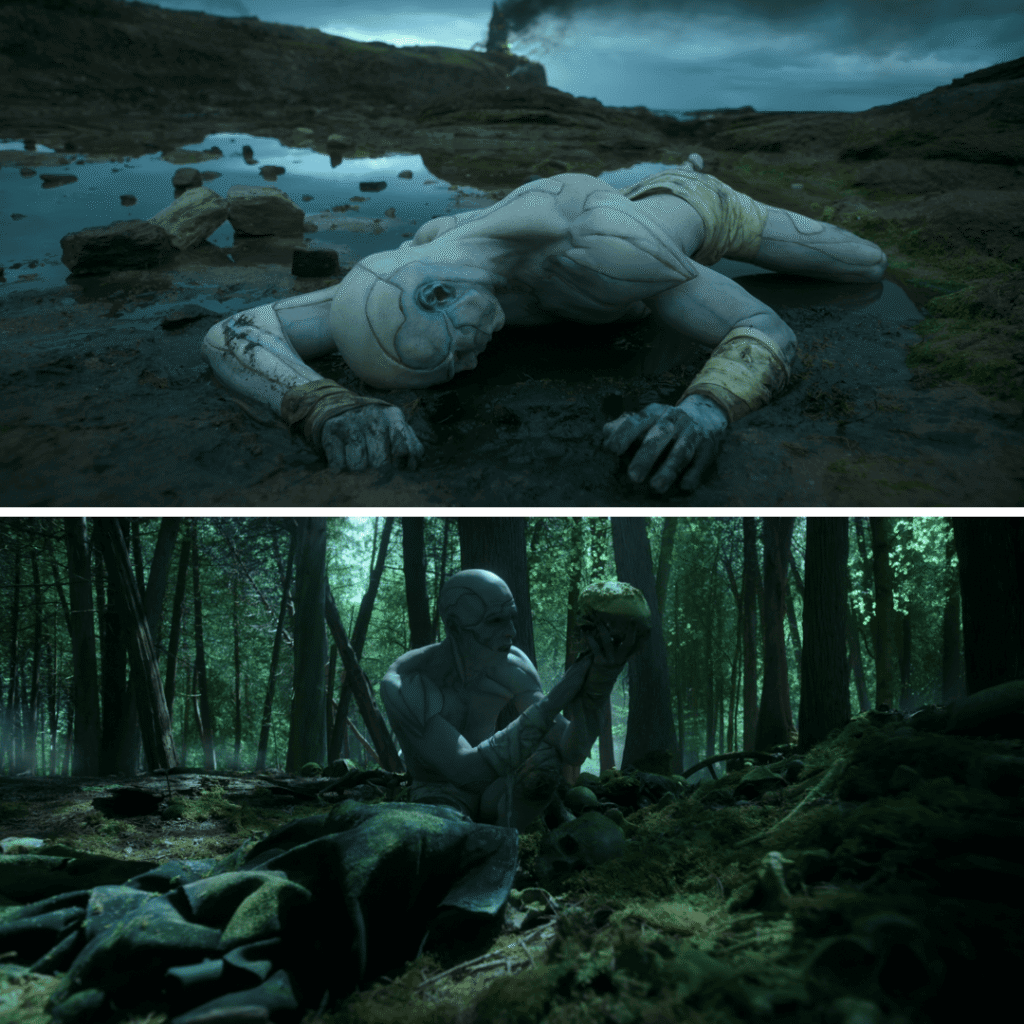
Ornament and Rot: The Tender Brutality of Del Toro’s Vision
Jacob Elordi’s performance as the creature is haunting, a fragile, aching soul wrapped in terror and tenderness. His physicality, the tremor in his voice, the slow awareness of emotion, it’s all devastatingly intimate.
Mia Goth’s Elizabeth is luminous and intelligent, a woman who sees beauty in what others call monstrous. She embodies grace without sentimentality, grounding the film’s gothic grandeur in quiet empathy.
Oscar Isaac’s Victor is both mesmerizing and repulsive. He plays the role with surgical precision, a man who mistakes brilliance for divinity and ends up choking on his own ambition.
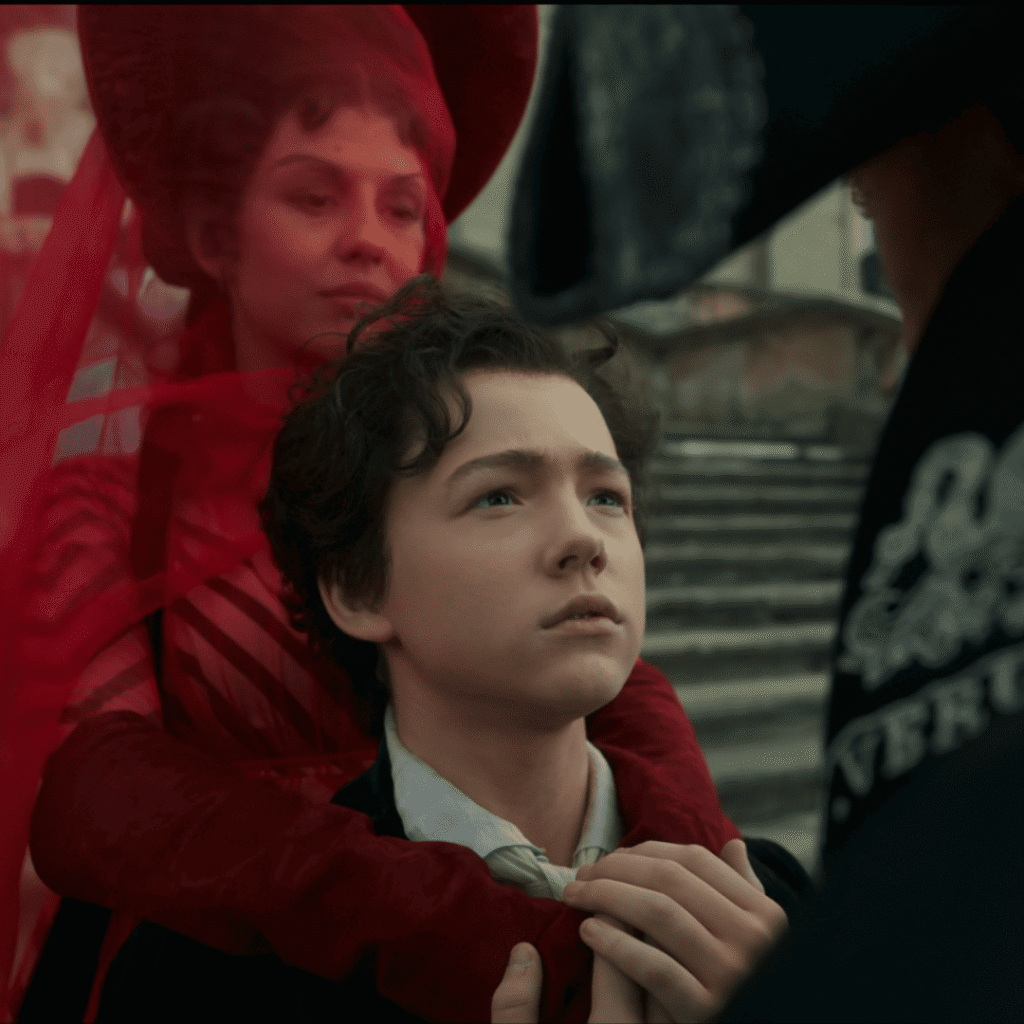
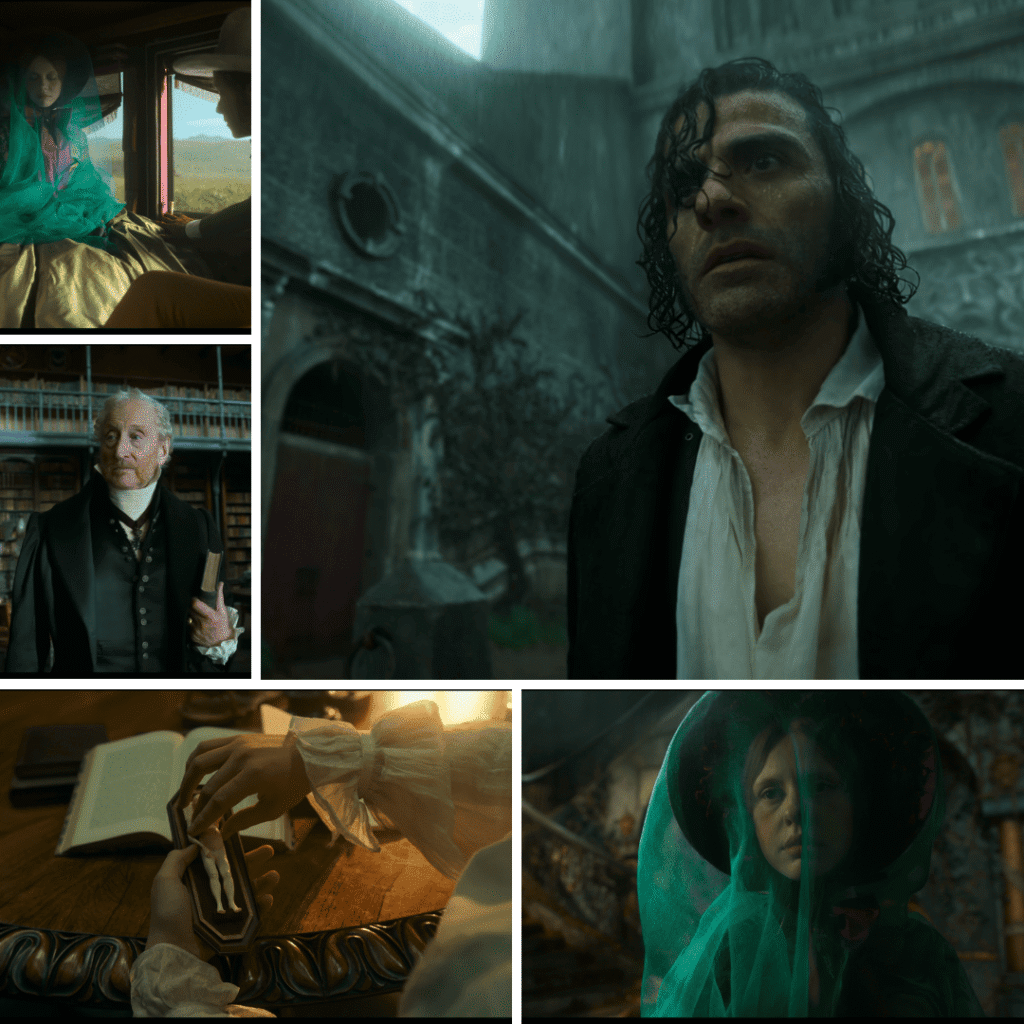
Del Toro’s world is pure visual poetry. From the crimson gown of Victor’s mother to the emerald light bathing Elizabeth’s first encounter with the creature, every frame feels painted. The vast arctic landscapes, the rot of the laboratory, the pale gleam of candlelit glass, it’s gothic horror elevated to art.
The film’s aesthetic carries its emotional weight: coldness, decay, melancholy. It’s beauty born from ruin, and Del Toro lets us feel the sacredness within the grotesque.
After the Fire: Forgiveness at the End of the World
Among countless retellings, this Frankenstein stands apart because it dares to love the creature. Shelley’s novel gave us horror and philosophy; Del Toro gives us empathy. His version reminds us that monsters mirror the darkest corners of human desire and the fragile hope that something good can still grow there.
The message is simple yet eternal: true monstrosity lies in the denial of compassion.
The Lord Byron quote that closes the film lingers long after the screen fades to black. It leaves you reflective, not desolate, hopeful that even broken things can live on.
Frankenstein (2025) is not just about creation or forgiveness; it’s about how the two are inseparable. To create is to take responsibility. To forgive is to finally understand.
It’s a film that breathes life into a story we thought we already knew and dares us to look back at our own reflection without turning away.
Rating: ★★★★★★★★★☆ (9/10)
Epilogue: The Heart Will Break, and Yet Brokenly Live On
If You Liked This, You Might Also Like
- The Substance Movie Explained: Grotesque Beauty, Body Horror, and the Price of Staying Young**
- Weapons (2025) Movie Review: Dark Horror, Trauma & the Weaponization of Innocence**
- Wayward (2025) Netflix Review: Utopia, Trauma, and the Illusion of Healing**
Disclaimer: This blog is for informational and entertainment purposes only. All copyrights and trademarks for the TV shows, films, and other media referenced are the property of their respective owners. This blog aims to provide original commentary and insights and claims no ownership over third-party content.






3 Comments