Bloodhounds Season 1 Recap: Survival and the Cold Reality of the Smile Capital System (2026)
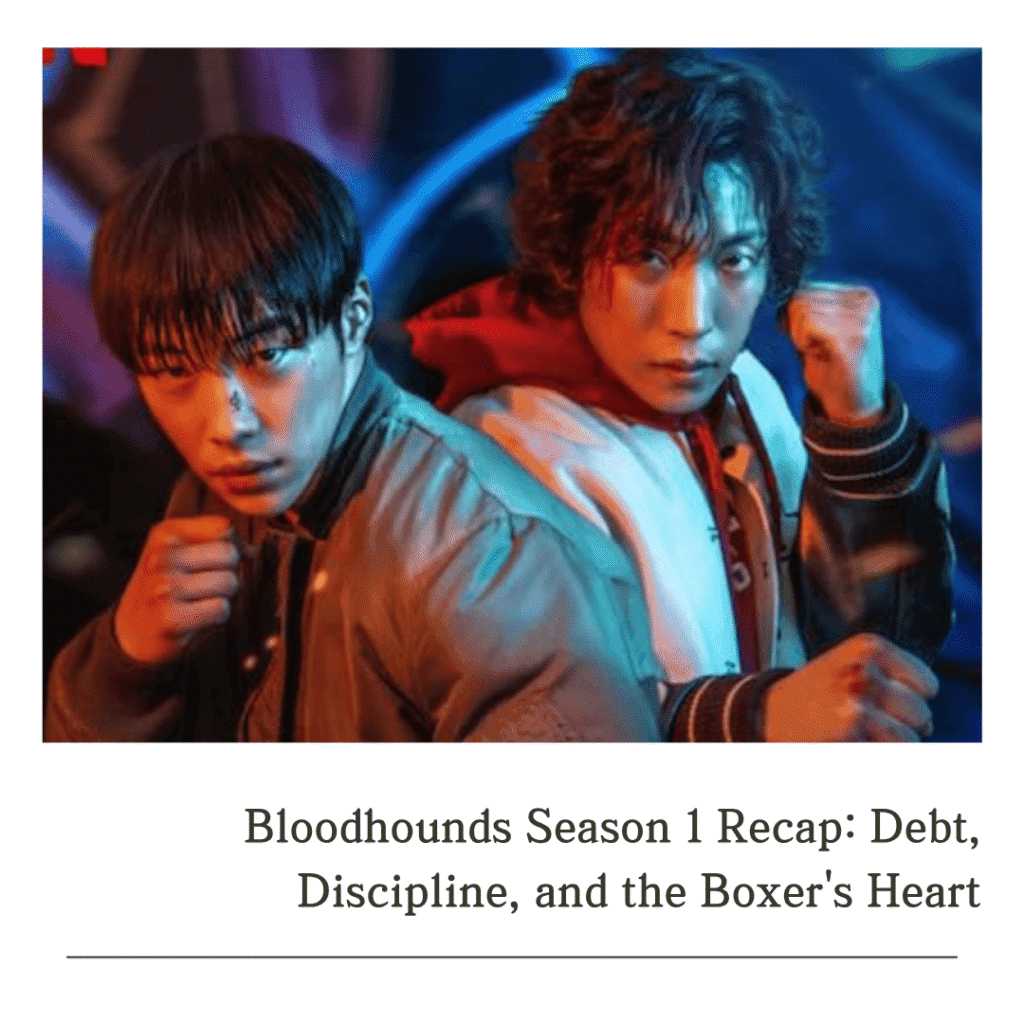
Bloodhounds Season 1 Recap: Debt Isn’t the Trap. The System Is.
“The system doesn’t just lend you money; it buys your future. When the debt is engineered to be unpayable, the only currency left is blood.”
The Verdict Box
Score: 8/10
The Vibe: A grounded, brutal look at what happens when physical strength hits a wall made of predatory math.
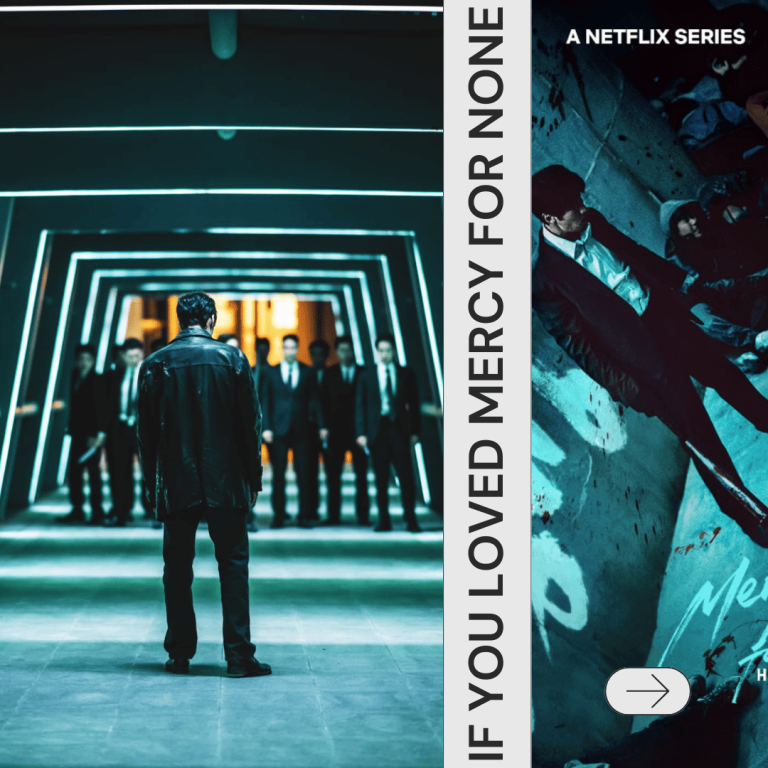
Watch if you liked: My Name, Taxi Driver, D.P. (Deserter Pursuit)
Skip if: You’re looking for a fairy tale where the "bad guys" are the only problem.
The Core Question:If the exploitation is built into the blueprint, did Geon-woo actually win anything?
The Engineered Trap: Debt as Control
Bloodhounds doesn’t start with a punch; it starts with a pen. It begins with something far easier to overlook: a contract that looks like a life jacket.
Geon-woo’s mother signs that Smile Capital agreement because, on the surface, it’s logical. Lower interest, a way to breathe, a chance to keep her café alive in a city that’s already suffocating small businesses. There’s nothing reckless about it. It’s a responsible decision made under impossible pressure.
That’s exactly why it’s so lethal.
The danger isn’t in the fine print, it is the fine print. It’s buried in “legalese” that reads as technical rather than threatening. Geon-woo’s mom isn’t careless; she simply isn’t equipped to interpret a document written by the people drafting the trap. This imbalance is where the system does its best work. In Bloodhounds, exploitation doesn’t always look like a threat. Sometimes, it looks like a polite agreement made under unequal conditions.
The Boxer’s Heart: Why Geon-woo Doesn’t Fit This World
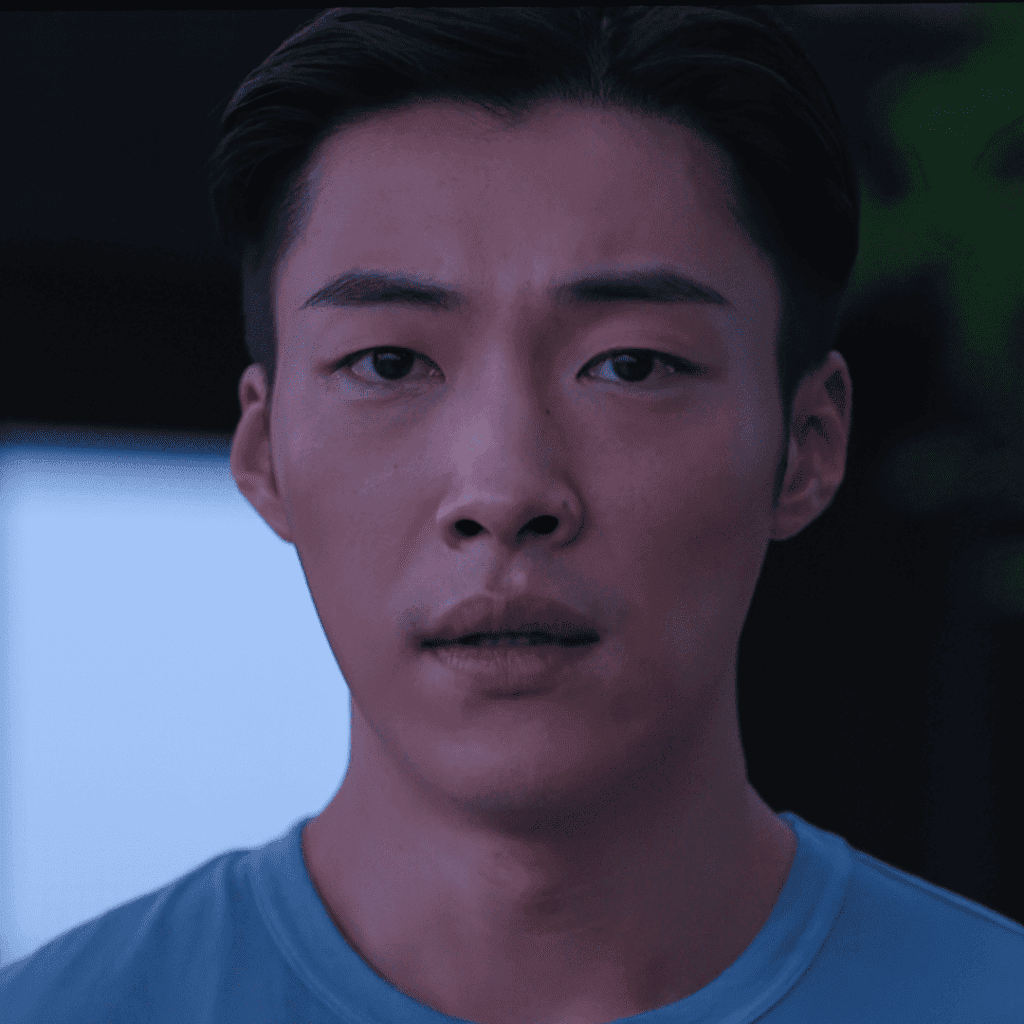
Geon-woo enters this story believing in a kind of logic that the real world has already discarded. His philosophy is simple: train hard, fight fair, protect your family. It’s a belief system that feels solid, but Smile Capital dismantles it in seconds.
When the café is trashed and his mother is left in shock, Gun-woo reacts with his fists. He fights because he refuses to accept the reality in front of him. And it changes… absolutely nothing.
This is the turning point of the show. It exposes the massive gap between how Geon-woo thinks the world should work and how it actually functions. This isn’t a problem he can box his way out of. It’s a structure that doesn’t care about his “boxer’s heart” or his good intentions. He starts the series from behind, not because he’s weak, but because he doesn’t understand the rules of the game he’s being forced to play.
Bloodhounds Season 1 Recap: Woo-jin -The Realist’s Edge
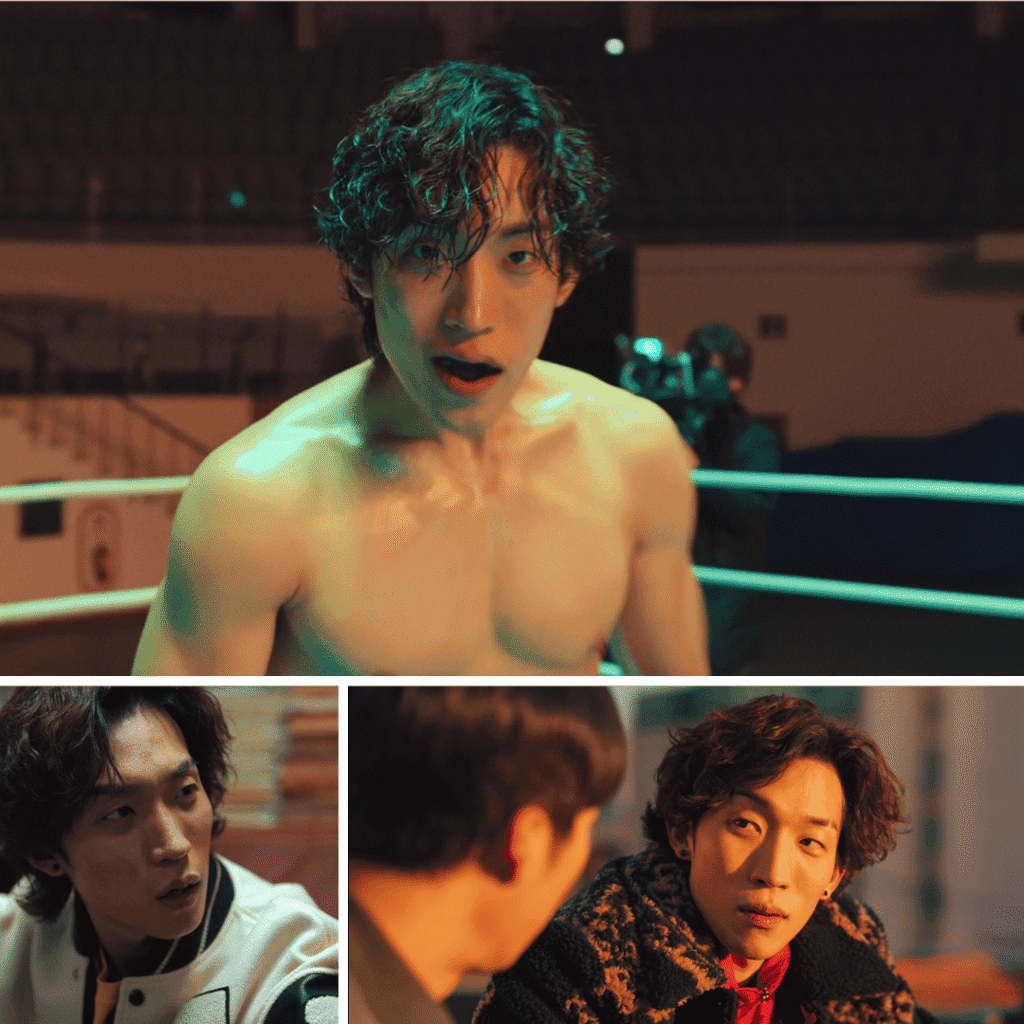
If Geon-woo is the heart, Woo-jin is the scar tissue. He doesn’t replace Geon-woo’s idealism; he recalibrates it.
Where Gun-woo reacts, Woo-jin observes. Having worked as a “bloodhound” before, he understands how quickly a debt can escalate and how little room there is for hesitation. He forces a level of cold control into Geon-woo’s momentum.
Their dynamic is the only reason they survive. Geon-woo provides the moral compass, but Woo-jin provides the map. Without him, Geon-woo would have burned out in the first three episodes. Together, they become a surgical strike force that can actually navigate the corruption.
President Choi and the Illusion of an Alternative
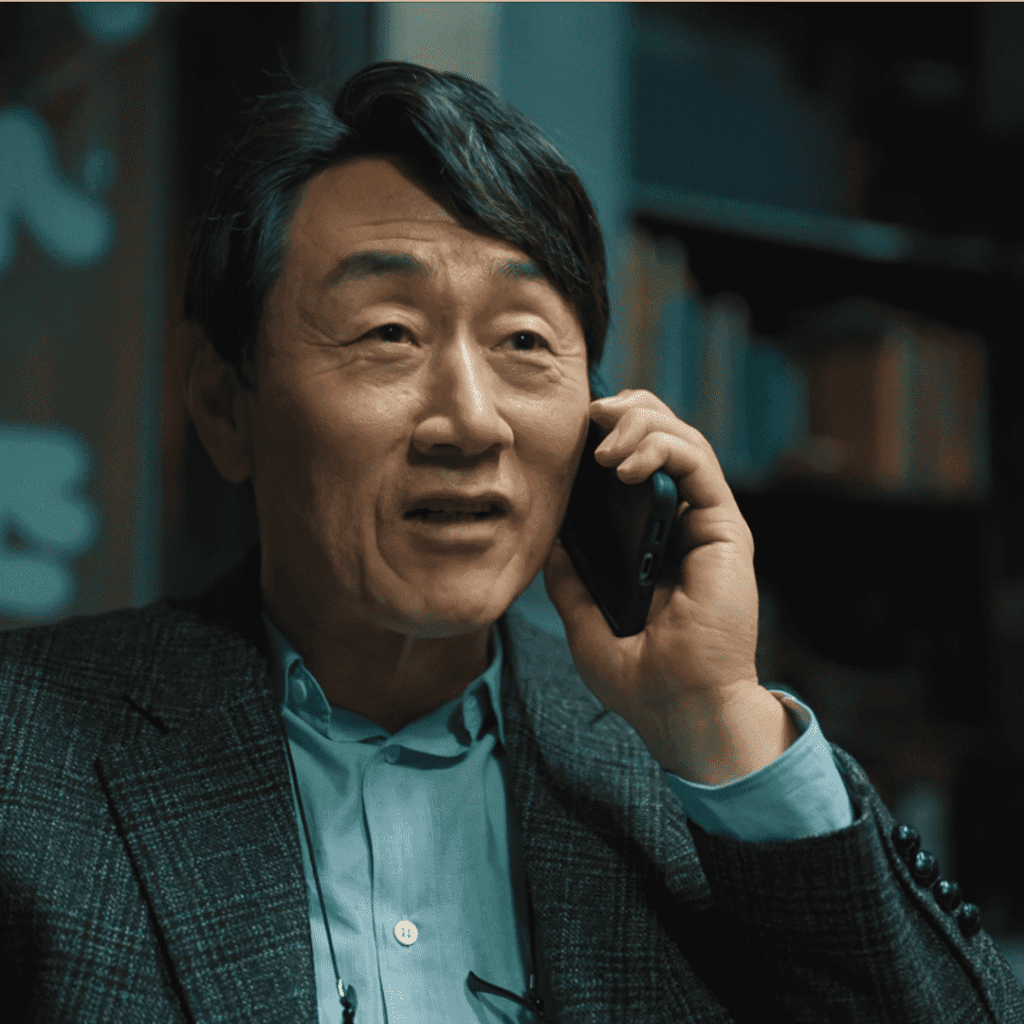
President Choi is the show’s greatest contradiction. He’s a former loan shark trying to wash the blood off his hands by offering zero-interest medical loans. For a minute, it feels like a “good” system is possible.
But Bloodhounds is too cynical for that. Choi’s altruism exists within the same network as Myeong-gil’s venom. The past doesn’t stay buried; it reasserts itself. By the time Choi’s world collapses, the message is clear: he didn’t step outside the system. He just tried to be the “nice” version of it. And the system doesn’t let you play nice for long.
Myeong-gil: The System Without a Mask
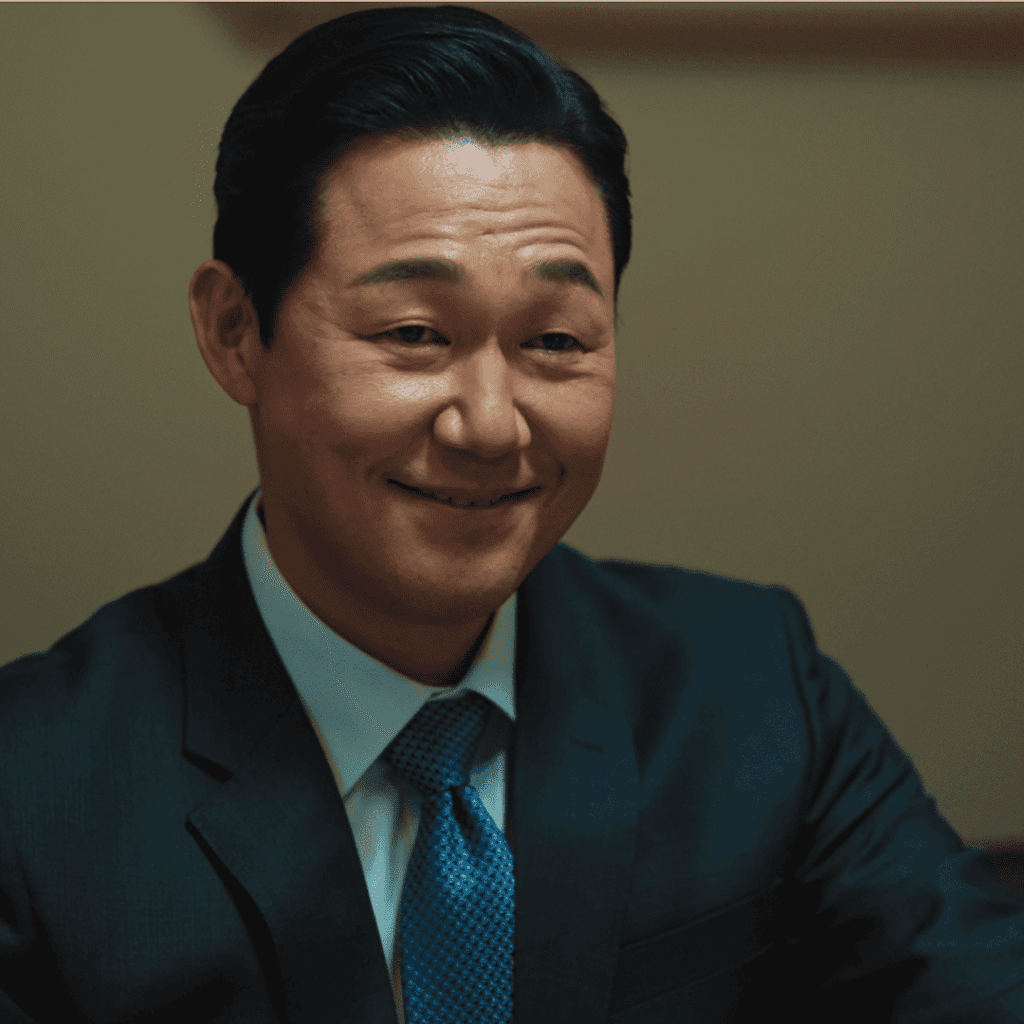
It’s easy to call Myeong-gil a villain, but he’s really just a version of the system that stopped pretending. He understands how contracts become cages and how information becomes leverage. His move toward opening a casino isn’t “random ambition,” it’s the logical next step. More access, more influence, more people to pull into the meat grinder.
Myeong-gil doesn’t break the rules; he operates them with terrifying efficiency. He is the personification of “Smile Capital.”
The Ending: A Victory That Doesn’t Change the Rules
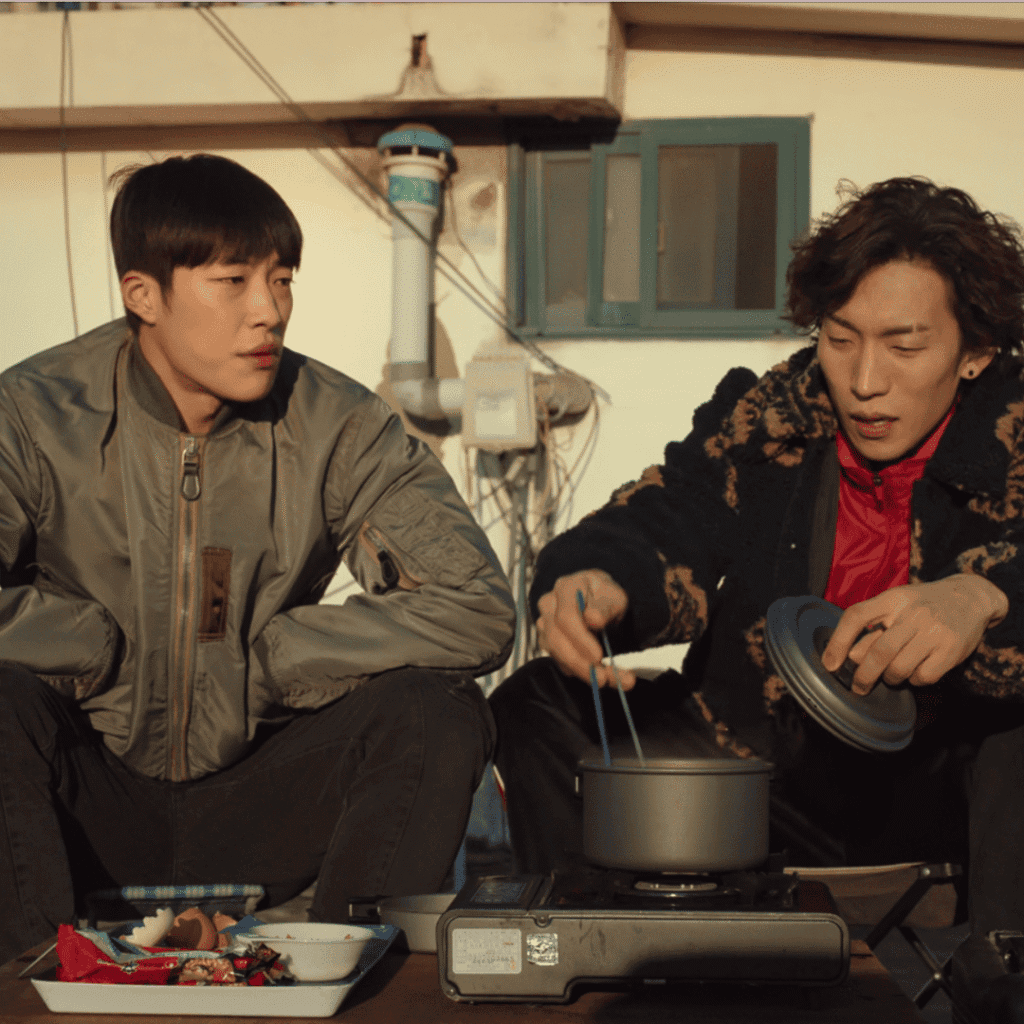
By the finale, the win feels decisive. Geon-woo and Woo-jin return harder, faster, and less reactive. They take Myeong-gil down, recover the money, and choose to continue President Choi’s philanthropic work.
It looks like a happy ending. But is it?
Nothing fundamental changed. The system that allowed Myeong-gil to exist is still humming along. The pressures that forced Geon-woo’s mom to sign that contract haven’t gone away. Myeong-gil wasn’t the problem; he was just the symptom. Removing him created a vacuum, and in this world, those spaces don’t stay empty for long.
What is the core theme of Bloodhounds?
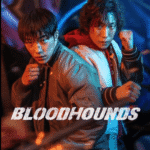
Bloodhounds Season 1 At its heart, the first season is a grim look at how debt acts as a trap. It isn’t just about money; it’s about how predatory lenders exploit a person’s desperation to strip away their dignity. The show paints a picture of a world where the legal system fails, leaving the vulnerable to be hunted by those who profit from their debt.
Who is the main antagonist?
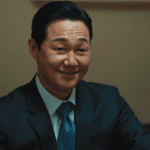
Myeong-gil, the head of Smile Capital, serves as the face of this systemic cruelty. He isn’t just a typical villain; he represents the most violent version of the moneylending world. He uses debt and blackmail like weapons, proving that in his world, influence is bought through fear and force.
How does Geon-woo’s character evolve?
Geon-woo starts as a boxer who believes that if you play by the rules, you’ll win. But his fight with Smile Capital forces him to grow up fast. He loses that early naivety and realizes that the system is rigged. By the end, he isn’t just a fighter anymore; he’s much more calculated, using a “forensic” mindset to dismantle his enemies from the inside out.
How does the season wrap up?
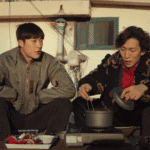
Geon-woo and Woo-jin manage to take down Myeong-gil and reclaim the stolen money, which feels like a win for the “good guys.” However, it’s a bittersweet ending. While they saved themselves and their friends, the show hints that the larger, predatory structures are still out there, waiting for the next victim.
What should I watch next?
If you’re looking for more stories about revenge and the dark side of society, My Name offers similar high-stakes action. For a deeper dive into how people plot their way out of a corner, The Glory is a perfect follow-up, while Mad Concrete Dreams explores how the obsession with real estate and debt can change who a person is at their core.
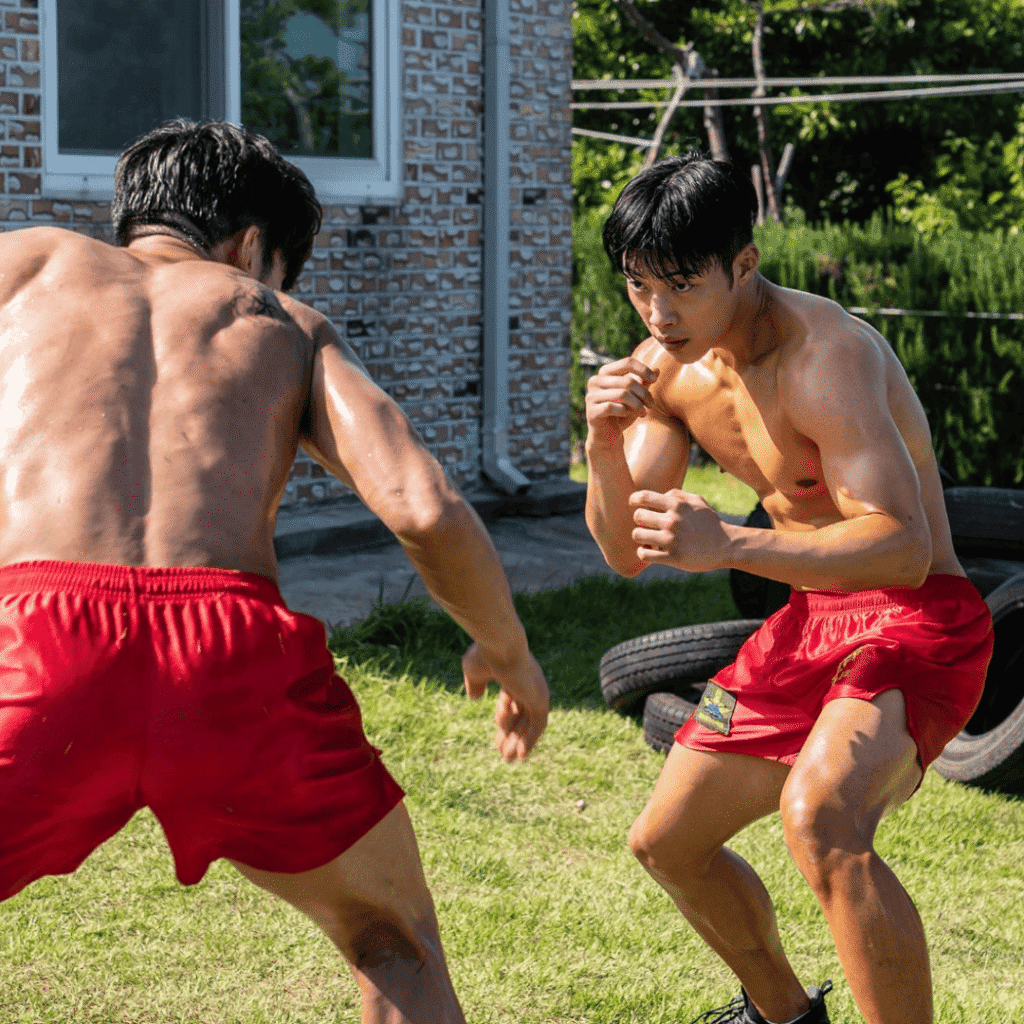
Final Thoughts: Resistance is the Only Win
What Bloodhounds Season 1 leaves us with isn’t a resolution, it’s a question. Geon-woo and Woo-jin didn’t dismantle the system. They just learned how to move through it without being consumed by it.
Their victory is one of resistance, not transformation. And as we head into Season 2, we have to ask: If the system never changes, how long can you fight it before it starts to change you?
Continue the Breakdown
If Bloodhounds is about how financial systems trap people, then it sits alongside the same pattern running through some of my other breakdowns.
In Mad Concrete Dreams, debt doesn’t just pressure people, it reshapes their decisions until survival starts to look like complicity. In The Art of Sarah, the system doesn’t trap you at all, it rewards you for mastering it, even if that means becoming something unrecognizable. In Paradise, control shifts away from money entirely and into safety, but the underlying question remains the same. How much are people willing to give up to survive?
Different worlds, same structure.
Disclaimer: This blog is for informational and entertainment purposes only. All copyrights and trademarks for the TV shows, films, and other media referenced are the property of their respective owners. This blog aims to provide original commentary and insights and claims no ownership over third-party content.



One Comment