
You and Everything Else Kdrama Review: Toxic Friendships, Authenticity, and Forgiveness
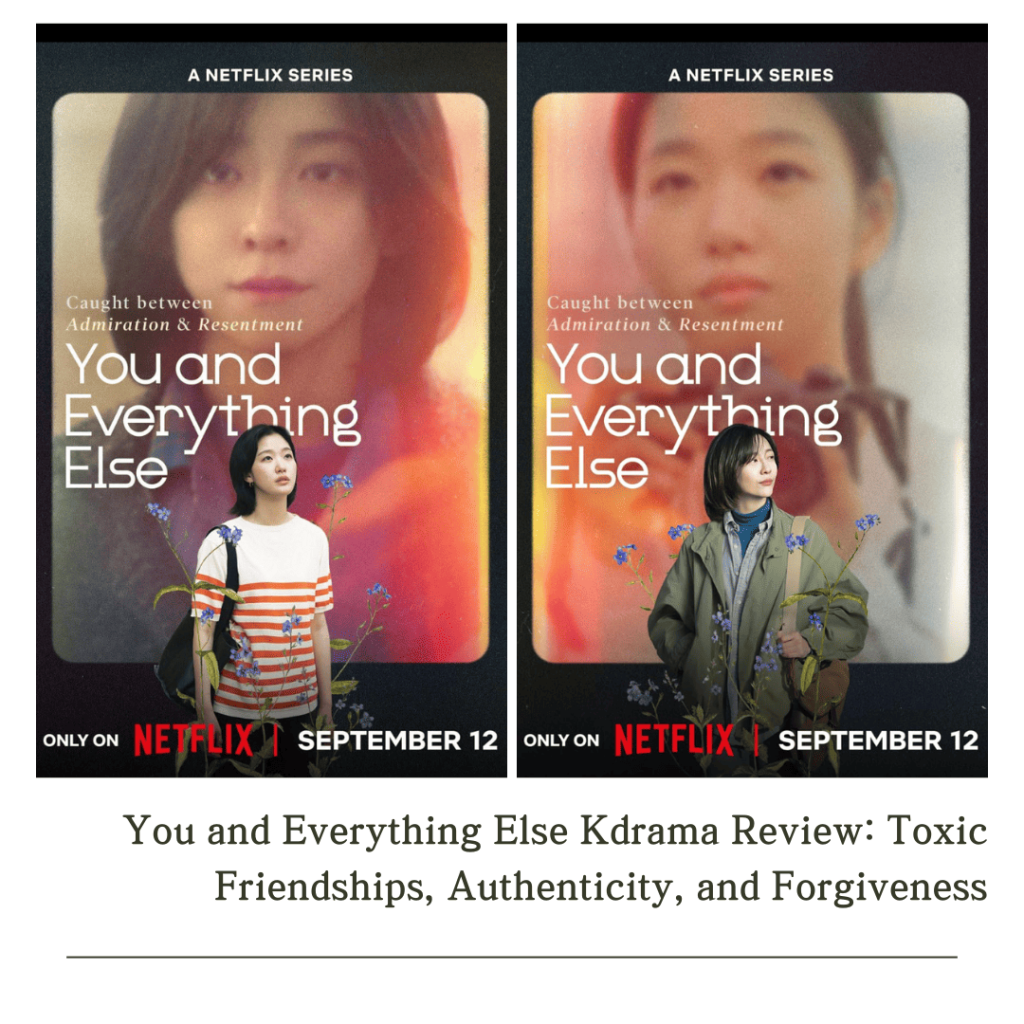
Some dramas sweep you off your feet with romance. Others hook you with suspense. You and Everything Else is one that lingers long after the credits roll. In this You and Everything Else Kdrama review, I want to share why this story of childhood friends turned rivals consumed me.
It is not just about jealousy or betrayal, but about how toxic bonds, unspoken envy, and buried guilt can shape people’s entire lives. By the time I reached episode 12, I was practically yelling at the screen. Sang-yeon, the so-called “friend,” had me so irritated I was ready to write her off completely.
And yet, at the center of all the bitterness, there is also a lesson about staying true to yourself and choosing forgiveness when it costs the most.
A Friendship Written in Rivalry
The Korean title of the show is simply Eun-jung and Sang-yeon, and that is fitting, because the entire drama lives and dies on their friendship.
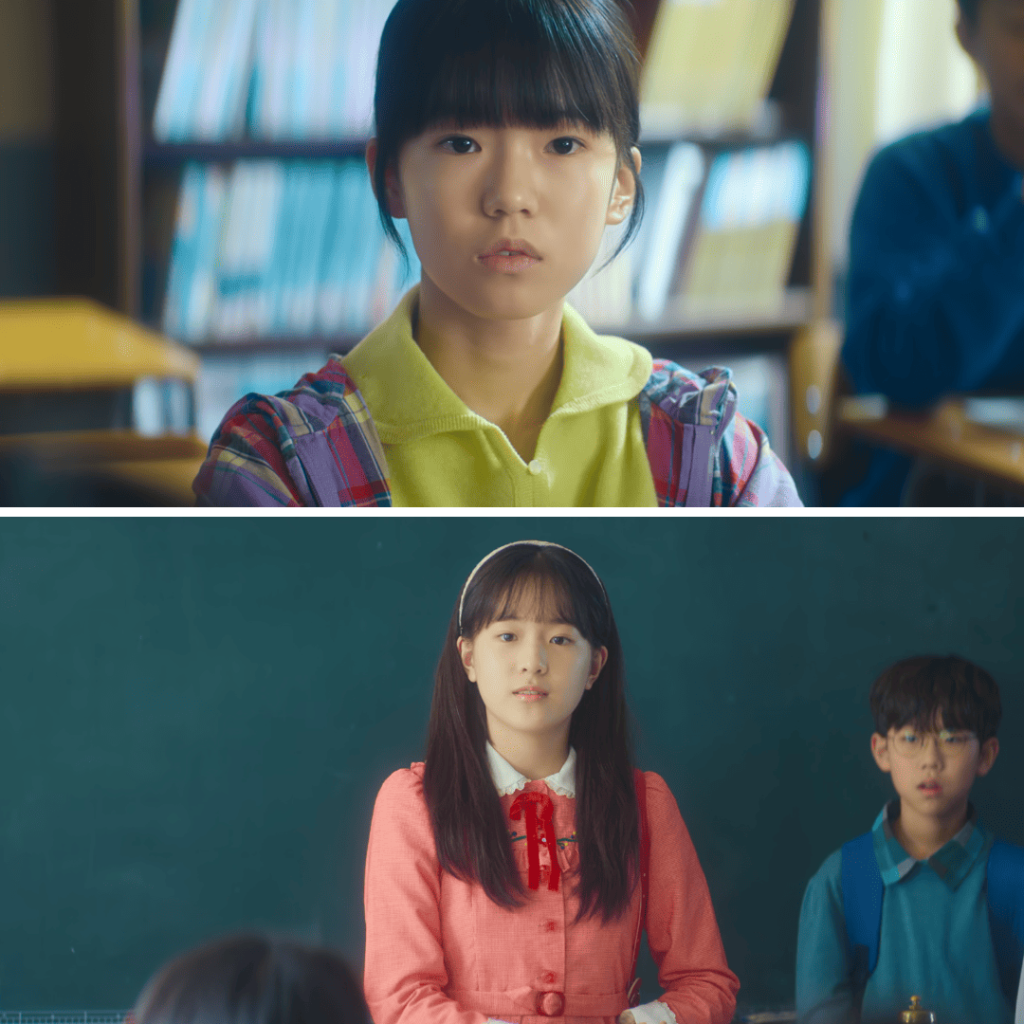
From childhood, their friendship was never simple. Eun-jung grew up poor and fatherless, already aware of the ways life had singled her out. She remembers the shame of classmates shouting she didn’t have a dad, and the embarrassment of living in a basement-level apartment.
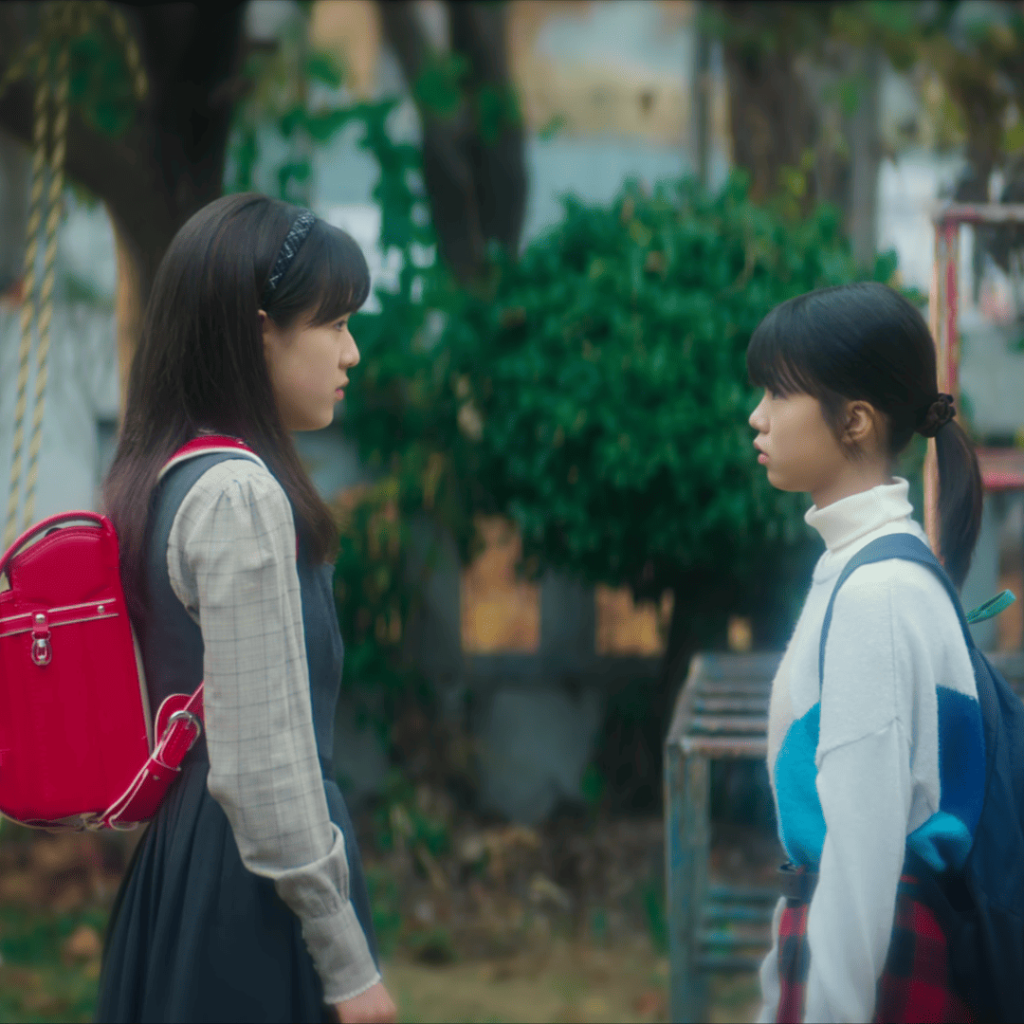
Sang-yeon, meanwhile, came from wealth. When Eun-jung once stumbled upon her family’s house and wrote, “You’re so lucky to live here,” it planted the seed of their dynamic: admiration tangled with envy.
Even early on, jealousy brewed. Sang-yeon’s mother, Mrs. Yoon, became a role model for Eun-jung. Sang-yeon’s older brother, Sang-hak, took a shine to Eun-jung too, tutoring her and sparking her love of photography. For Sang-yeon, it was unbearable that her own family seemed to prefer her friend. For Eun-jung, it was simple: she just wanted connection.
That imbalance, admiration versus resentment, would haunt their relationship for decades.

Manipulation, Betrayal, and the Breaking Point
University introduced the drama’s most uncomfortable love triangle. Eun-jung fell for a photography club senior, also named Sang-hak (no coincidence there). What she didn’t realize was that Sang-yeon, still grieving her brother, had already entangled herself with this same man online, catfishing him by pretending her brother was alive.
This deception metastasized into obsession. Sang-yeon manipulated situations to keep Sang-hak close and sowed distrust until Eun-jung was pushed to the brink of paranoia. It was ugly, toxic, and infuriating to watch.
And adulthood didn’t bring maturity. In one of the show’s most jaw-dropping betrayals, Sang-yeon outright stole Eun-jung’s script, made a deal behind her back, and then had the audacity to declare she wanted to “ruin” her friend. Eun-jung’s raw outburst, calling her a “thieving bitch” was a rare moment where the mask dropped and the anger broke through.
At that point, I was done with Sang-yeon. No excuses. No redemption. Just pure toxicity.

When Rivalry Turns to Mortality
And then, the pivot.
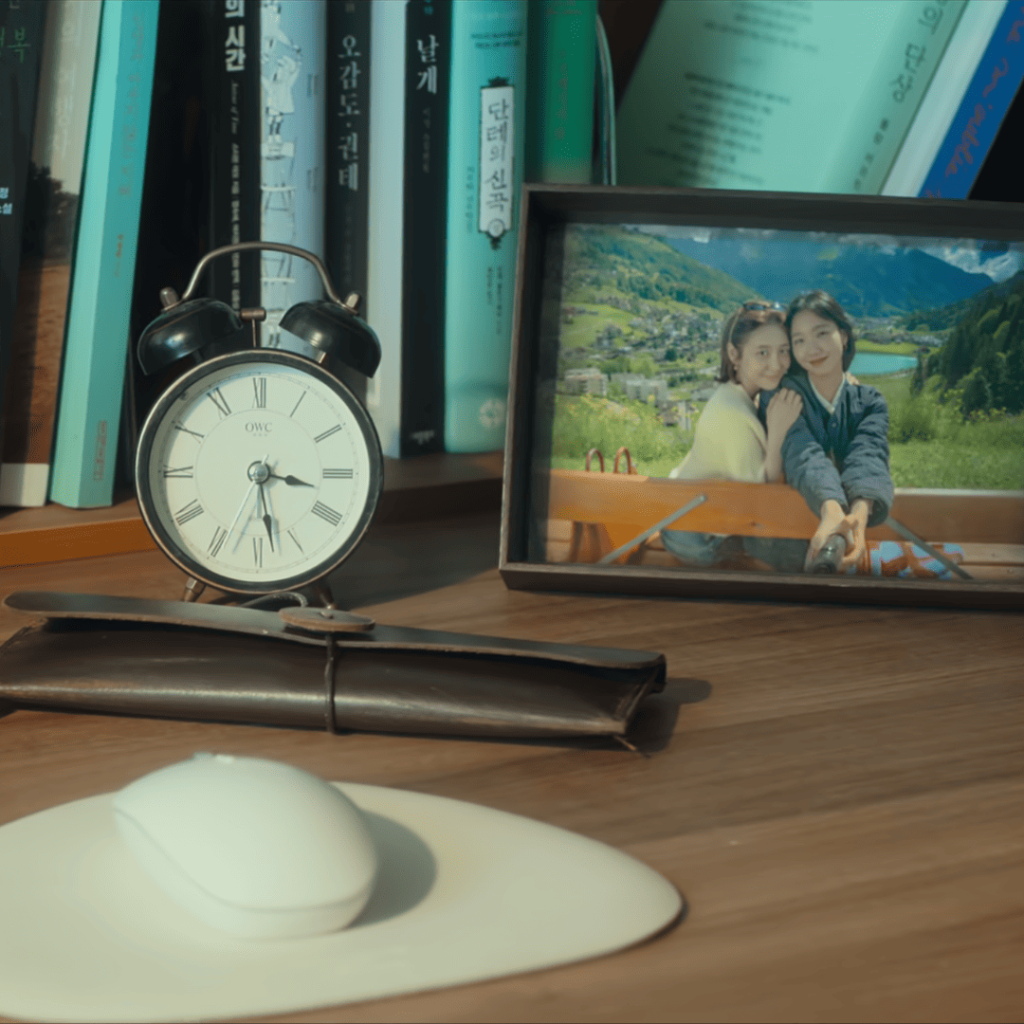
In the present-day timeline, Sang-yeon returns to Eun-jung’s life with terminal cancer. She claims she has only a month to live and begs Eun-jung to accompany her to Switzerland for assisted euthanasia. At first, I was enraged. After everything, how dare she ask this? How selfish, how manipulative, how narcissistic.
But as the final episodes unfold, the sharp edges soften. Sang-yeon confesses to her lifelong envy: the way her own mother admired her, how she brought a smile to her brother’s face, how she herself never measured up. In her bitterness, she chose to destroy the friendship rather than preserve it.
It doesn’t excuse her betrayals. But it does explain them. And when Eun-jung finally sees how sick she is, the compassion in her character overrides everything else.

Toxicity, Authenticity, and the Power of Staying True
What makes Eun-jung such a remarkable character is not that she’s naive, or a pushover, but that she never lets Sang-yeon’s toxicity distort her core.
Yes, she was hurt. Yes, she lashed out when her work was stolen. But when faced with Sang-yeon’s mortality, she doesn’t retreat into bitterness. She chooses compassion. She remains authentic. She honors the friendship even if it was warped, one-sided, and full of envy.
🔗 Related: Kdramas like You and Everything Else — a handpicked list of dramas that echo its tone of nostalgia, healing, and friendship.
There’s a beautiful irony here: Sang-yeon spent her life trying to corrode Eun-jung’s positivity, to make her jealous, bitter, and cruel. But Eun-jung never broke. In the end, she was still the same sincere, kindhearted girl from childhood, the one who wanted nothing more than to be a good friend.
And that’s why she could forgive. Not for Sang-yeon’s sake, but for her own.

Why You and Everything Else Will Stick With You
By the finale, I cried not because Sang-yeon was redeemed (she wasn’t, not really), but because Eun-jung’s goodness shone through so powerfully. Sometimes dramas glorify toxicity, painting it as passion or complexity.
This one doesn’t. It shows toxicity for what it is: corrosive, ugly, devastating. But it also shows that even in the midst of it, sincerity and authenticity can survive.
If stories of fragile bonds and shifting loyalties interest you, you might also like my Beyond the Bar Kdrama review, which dives into the blurred lines between trust and betrayal.

Not everyone will agree with Eun-jung’s choice to accompany Sang-yeon to Switzerland. Some will call her too soft. But for me, that’s what made her extraordinary. She stayed true to herself, even when it cost her.
And maybe that’s the bigger message of You and Everything Else: forgiveness isn’t about excusing the past. It’s about refusing to let bitterness define you.
Final Verdict: What Sets This Drama Apart
You and Everything Else is a drama that frustrated me, made me rant, and ultimately moved me to tears. It’s not always comfortable to watch. Sang-yeon is one of the most infuriating characters I’ve seen in a long time. But it’s also beautifully written, layered, and deeply human.
Rating: 4.5/5
Because I’m overly critical, I can’t quite give it the full five but it’s close.

If you’ve ever had a toxic friend, if you’ve struggled with envy, or if you’ve wondered about the cost of forgiveness, this drama deserves your time. It lingers. It unsettles. And it reminds you that even in the face of betrayal, it is possible and powerful to remain true to yourself.
If you’ve watched You and Everything Else, I’d love to hear your take, were you Team Eun-jung like me, or did you feel any sympathy for Sang-yeon? Drop your thoughts in the comments below, and let’s unpack this messy, beautiful drama together.
Disclaimer: This blog is for informational and entertainment purposes only. All copyrights and trademarks for the TV shows, films, and other media referenced are the property of their respective owners. This blog aims to provide original commentary and insights and claims no ownership over third-party content.