

The House of Guinness Netflix Review: Legacy, Power, and the Cost of Devotion
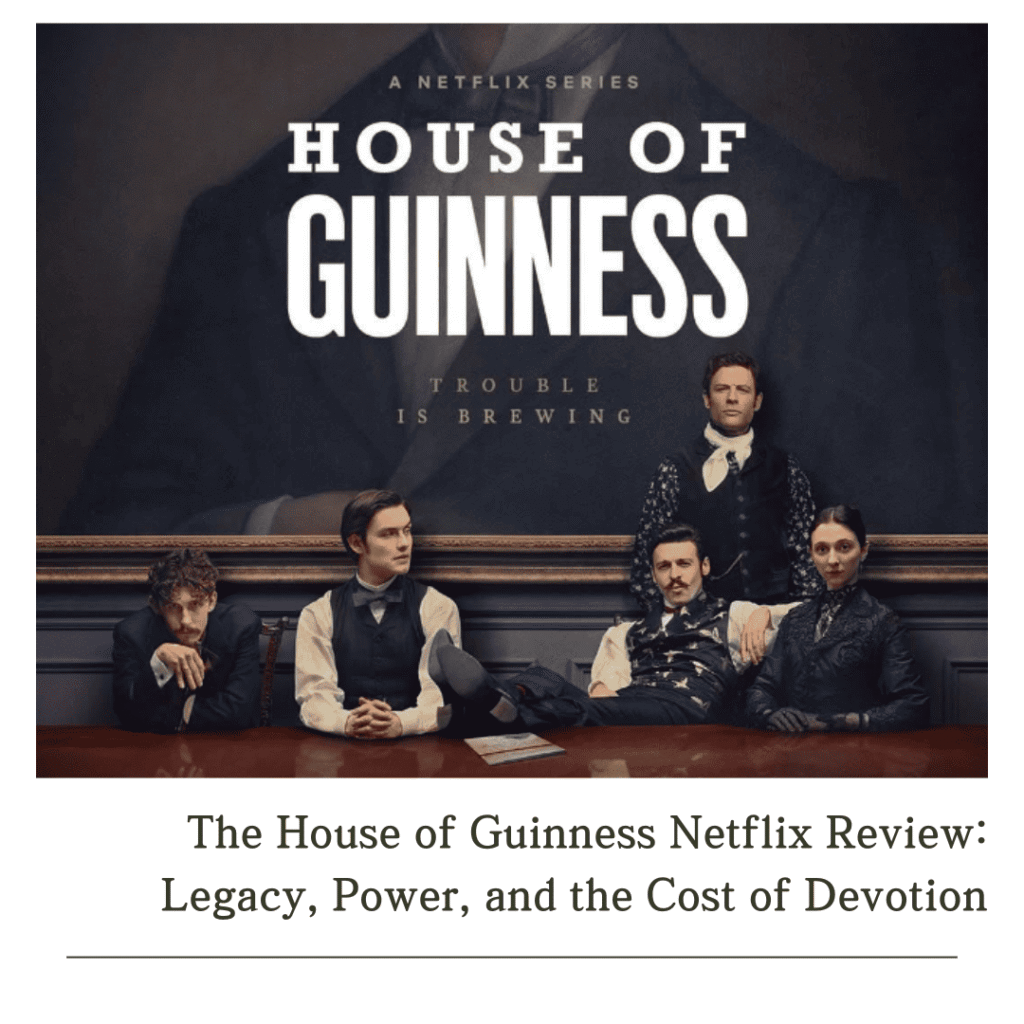
What would you sacrifice to protect a legacy: your love, your freedom, or yourself? The House of Guinness dares to ask how much of a person must be poured out to keep a family name full.
The House of Guinness Netflix Review, Quick Take: The House of Guinness isn’t just another lavish period piece; it’s a study in how power, faith, and family intertwine and how ambition can sanctify or destroy everything it touches.
When I started watching The House of Guinness, I didn’t expect to be so captivated. What looked like another lavish period drama turned out to be one of Netflix’s most emotionally intricate series in recent memory.
In this The House of Guinness Netflix review, I explore how the show takes familiar themes of family loyalty, love, and ambition and turns them into a reflection on what it truly means to build something that lasts.
Set against the political and religious tensions of Ireland, The House of Guinness isn’t just about power, it’s about how devotion, identity, and sacrifice intertwine in the pursuit of legacy.
A Family Divided by the Same Dream
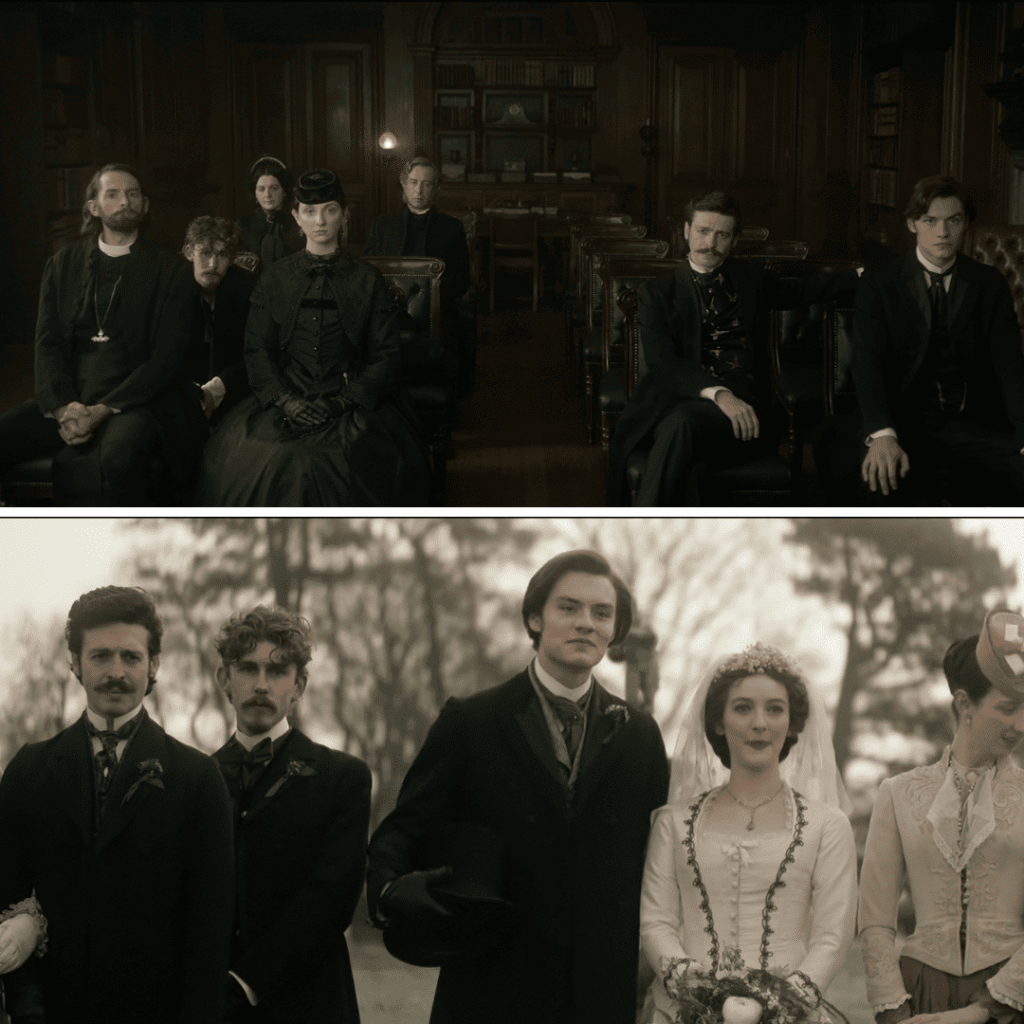
At its heart, The House of Guinness is a family drama wrapped in opulence, conflict, and moral compromise. Following the death of the family patriarch, the Guinness empire is left in the hands of four siblings, each shaped by different desires and burdens.
The sister, trapped between social expectation and self-determination, yearns to find purpose beyond the gilded halls of her inheritance. Her fleeting romance with Rafferty, a man deeply entangled in the family’s business affairs, reveals a woman struggling to assert her identity in a world that keeps her defined by others. Her philanthropy becomes her quiet rebellion: her way of reclaiming power in a space that denies her any real say.

Then there’s Arthur and Edward, the two brothers whose bond defines the series. Arthur, forced to live a lie as a closeted man, must suppress his identity to protect the family’s political image. Edward, meanwhile, is a visionary determined to modernize the Guinness legacy, even if it means compromising his heart and his morality. Both are bound by their father’s will and by a devotion to the family name that eclipses their individual happiness.
Even the “forgotten” brother, who retreats into drink and duty, symbolizes the shadow of generational pressure, the son who bears the weight of expectation but lacks the will to fight it.
Love, Power, and the Illusion of Choice
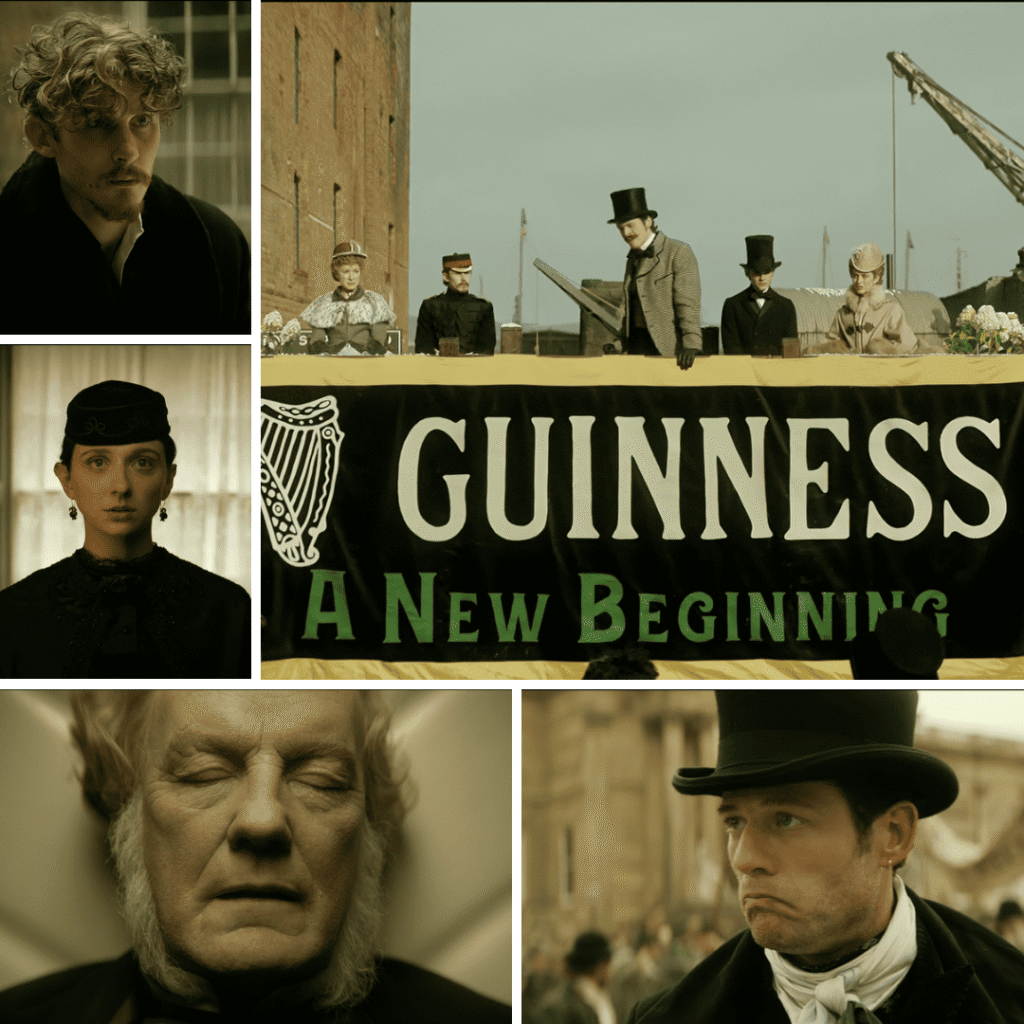
What makes The House of Guinness remarkable is that it’s not a simple tale of greed or betrayal, it’s about choice. Each sibling sacrifices something sacred: love, freedom, or truth, all for the sake of preserving their father’s legacy.
Edward sacrifices his love for the stability of the empire. Arthur sacrifices his identity to protect the family’s public image. The sister sacrifices personal ambition to pursue philanthropy within the limits of her station. Together, their sacrifices create an illusion of unity, one that feels noble but, at times, unbearably tragic.
Yet, as the story unfolds, you realize that maybe it isn’t an illusion at all. Because, ultimately, legacy isn’t built on personal happiness, it’s built on endurance. And endurance, in the world of The House of Guinness, is its own kind of love.
The Cinematic Allure: Ireland as a Character
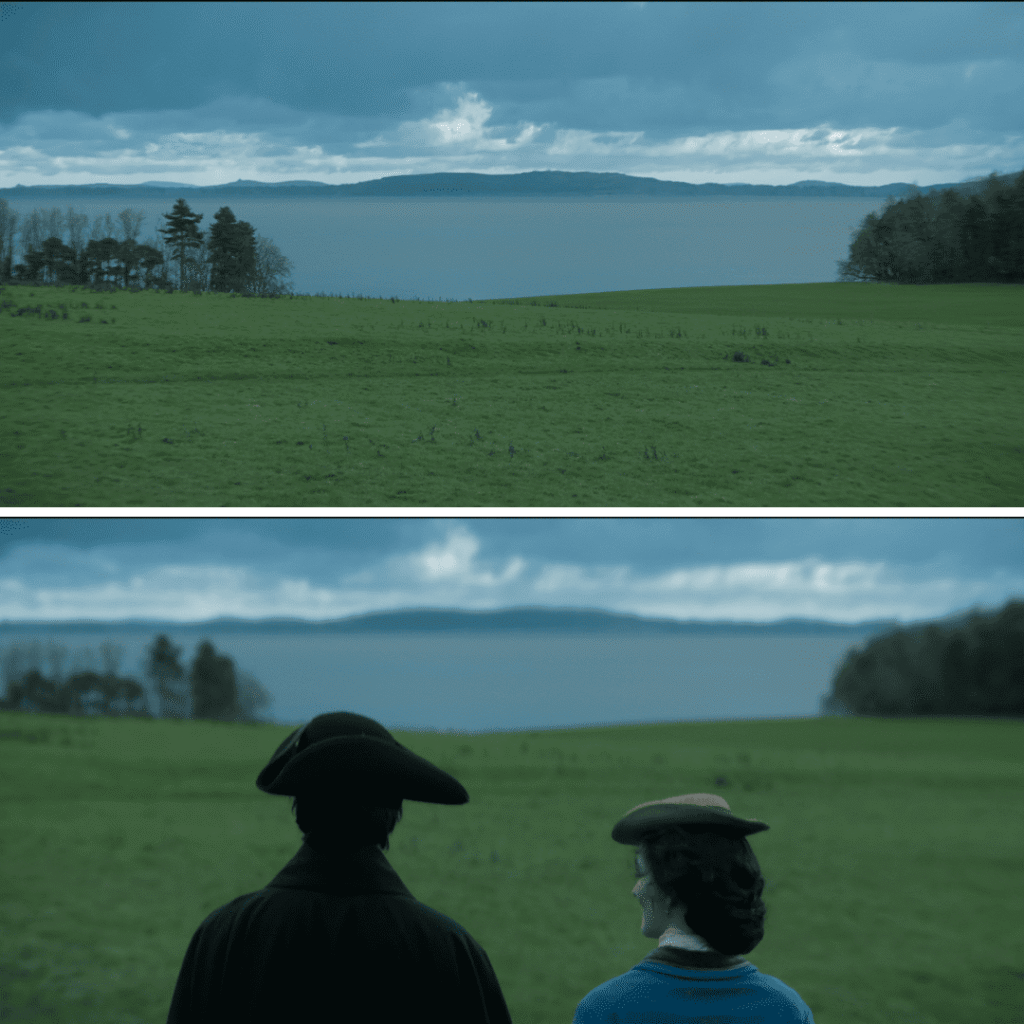
Visually, the series is stunning. Every frame feels painted, sunlight through stained glass, the sweep of Irish countryside, the symmetry of old architecture against the chaos of emotion. Ireland itself becomes a character, representing both beauty and burden.
There’s something about the grandeur of the Guinness estate contrasted with the turmoil inside its walls that feels deliberate. The visual poetry mirrors the emotional one: a family polished to perfection on the outside but fractured within.

The Cliffhanger That Lingers
Season one ends on a literal gunshot, the Fenian Brotherhood ’s attempt to assassinate Arthur. We don’t see who falls. We’re left suspended, caught between chaos and continuity.
And maybe that’s fitting. Because The House of Guinness isn’t about endings, it’s about what people are willing to lose to keep a legacy alive. Every shot fired, every heart broken, every lie told, all of it becomes part of the same inheritance.

Life Lessons from The House of Guinness
Legacy demands sacrifice.
Building something that outlives you means giving up parts of yourself along the way.
Power without love is hollow.
Edward’s ambition drives progress, but it costs him his heart and maybe his soul.
Identity and duty often clash.
Arthur’s story is a reminder that hiding who you are for the sake of reputation only deepens the pain.
Love takes many forms.
Whether romantic, filial, or patriotic love is what drives every decision, even the destructive ones.
What we preserve defines us.
The Guinness family’s struggle mirrors humanity’s desire to leave something behind, to make meaning out of impermanence.

Final Thoughts: Building Something Bigger Than Ourselves
Even with all the moral ambiguity, I found myself deeply empathetic toward the Guinness family. They believed in something bigger than themselves, even when it hurt. And isn’t that the paradox of legacy? We all want to build something that endures, even if it costs us peace in the present.
Their devotion—to family, to country, to the idea of greatness, might be flawed, but it’s profoundly human. Because whether it’s a family empire or a personal dream, most of us want to believe our lives will ripple beyond our time.
If you liked this post…
You might also enjoy my review of Black Rabbit another Netflix drama exploring the cost of ambition and the illusion of control.

Disclaimer: This blog is for informational and entertainment purposes only. All copyrights and trademarks for the TV shows, films, and other media referenced are the property of their respective owners. This blog aims to provide original commentary and insights and claims no ownership over third-party content.






2 Comments