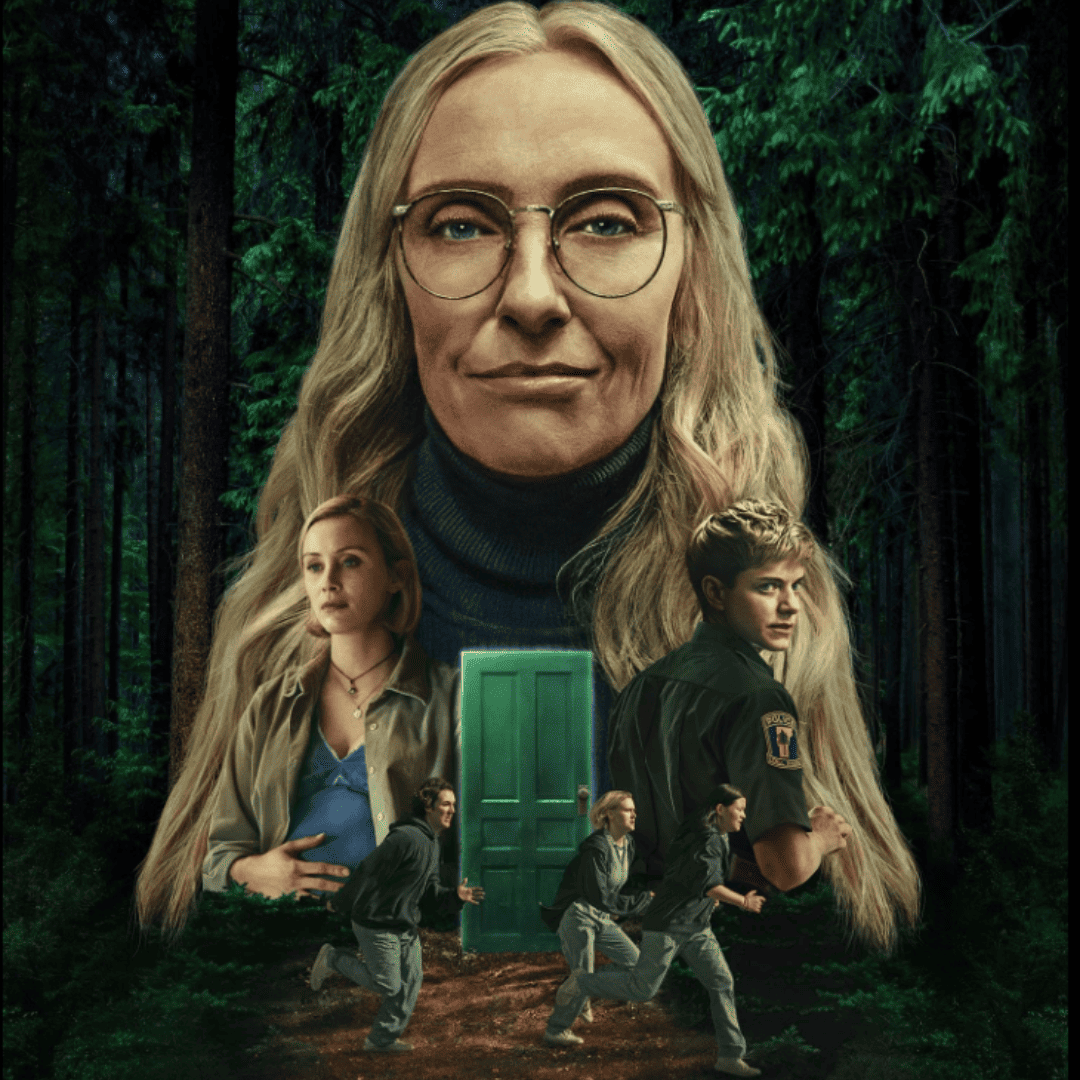
Wayward (2025) Netflix Review: Utopia, Trauma, and the Illusion of Healing
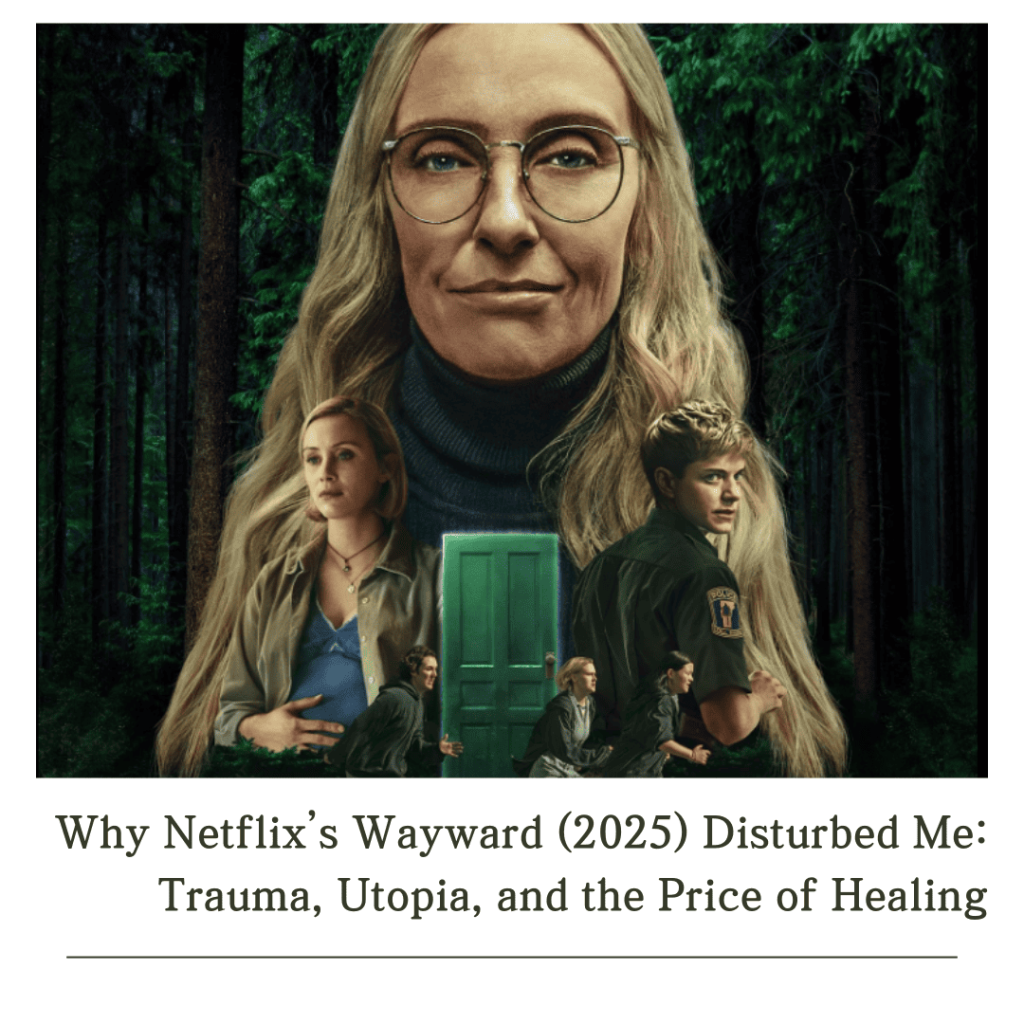
What if the very people promising to “heal” you were the ones quietly stealing pieces of who you are? That’s the unsettling question Netflix’s Wayward leaves hanging in your mind.
Quick Take: Wayward is intense, unsettling, and morally complicated, like a bootcamp for your brain. Teens and adults are pushed to the edge, secrets are exposed, and nothing is quite as it seems. It’s less about jump scares and more about the real-life horrors of control, trauma, and flawed utopias. Who survives, and what does it cost them?
Wayward Netflix Review (2025): First Impressions
I’ll be honest, I started Wayward almost by accident. I just pressed play without any expectations and that turned out to be a good thing, because this series is a difficult one to categorize. It’s part psychological thriller, part cult drama, and part fever dream. By the time the final episode ended, I was left with confusion, unease, and a lot to reflect on.
The World of Evelyn Wade and the Leap
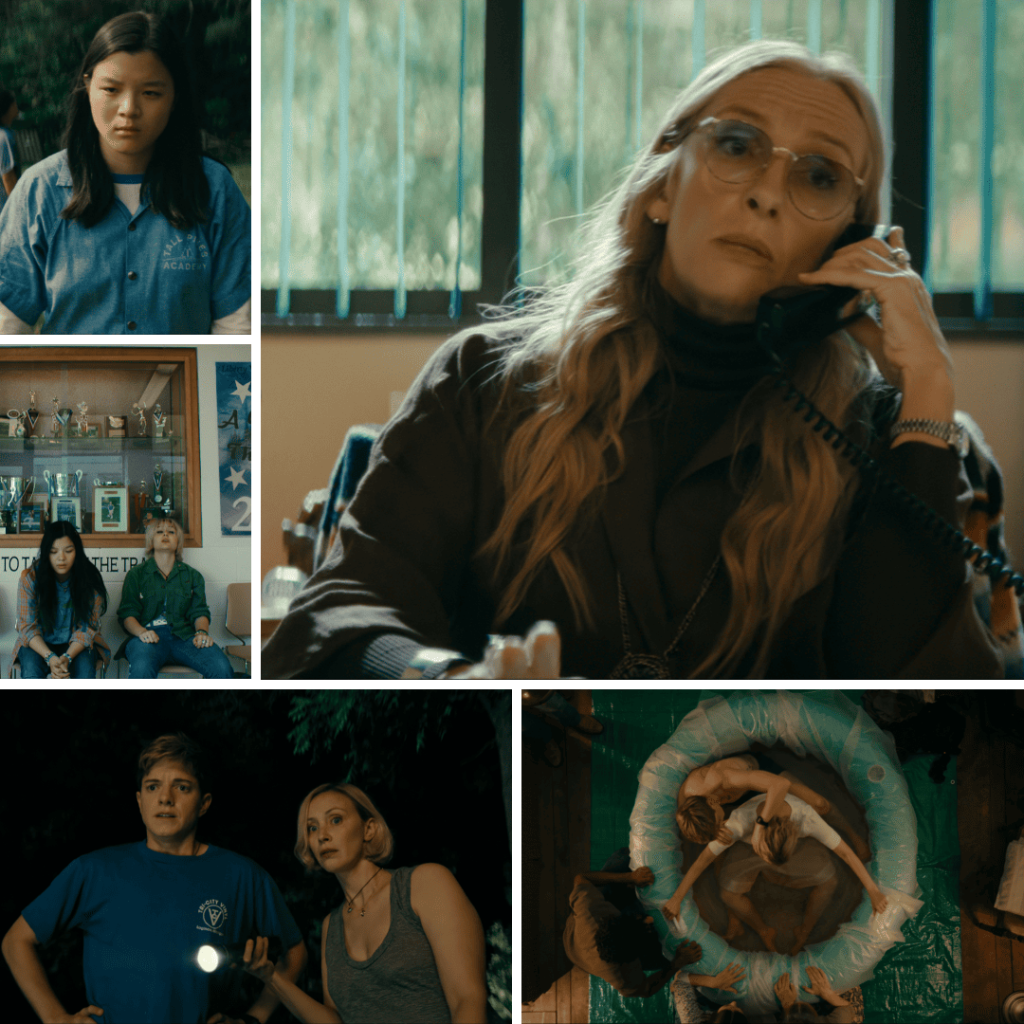
At its core, Wayward is about an institution (Tall Pines) run by Evelyn Wade. On the surface, she’s offering “treatment” for troubled teens, pulling inspiration from wilderness therapy camps and harsh rehabilitation programs.
But underneath, she’s carrying out an ideology rooted in the cult she herself once joined. The result? A disturbing mix of pseudo-therapy, hallucinogenics, and a ritual she calls “the leap.”
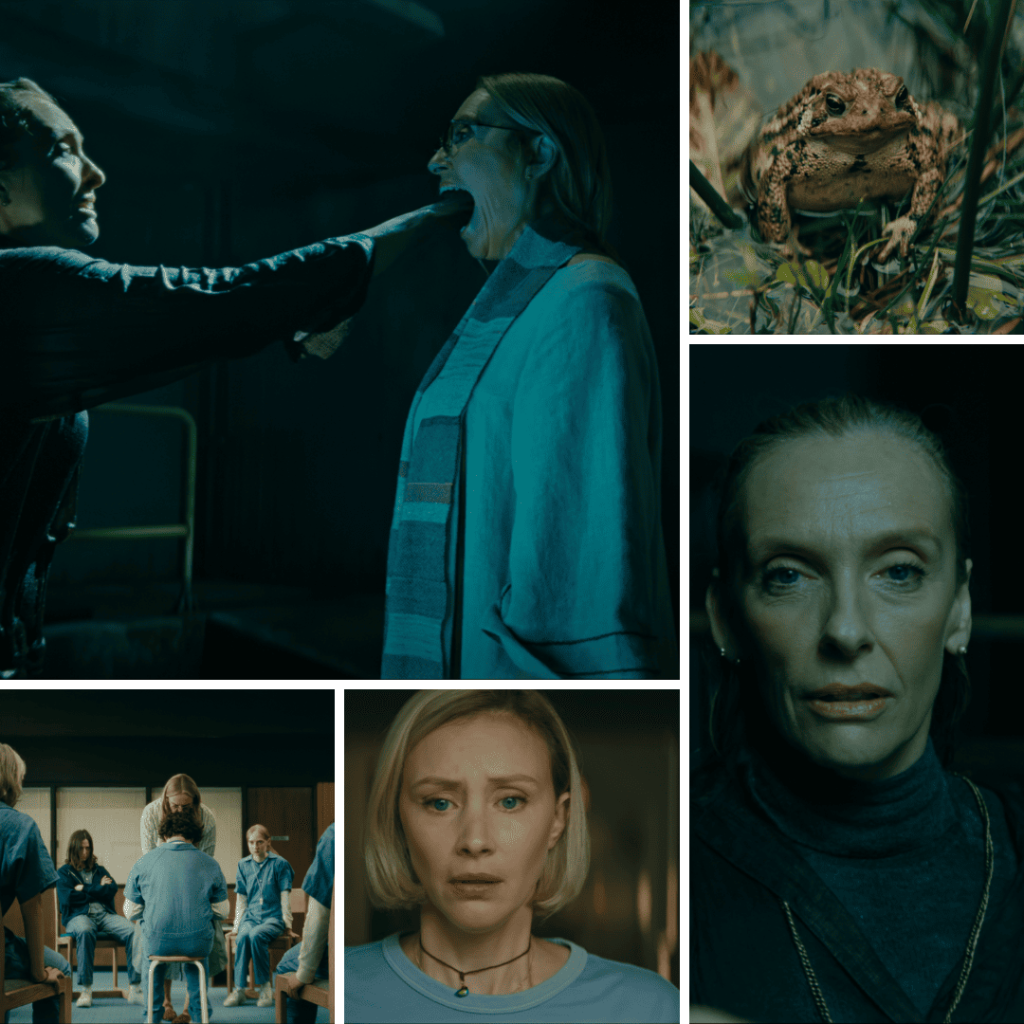
The leap involves hypnotic suggestion, imagine being told your mother has turned her back to you, that there’s a door waiting to be opened. Then you see the mouth open, impossibly wide, and there’s the door inside. Step through, Evelyn says, and you’re reborn.
But reborn into what? In reality, she’s carving pieces of people away, memories, pain, identity, to reshape them into her idea of “healed.”
Themes of Trauma, Control, and Healing
For me, the series felt like a metaphor for how society and sometimes parents, try to “fix” people they see as broken. Teens are sent away not always because they’re dangerous, but because they’re rebellious, inconvenient, or simply don’t fit expectations.
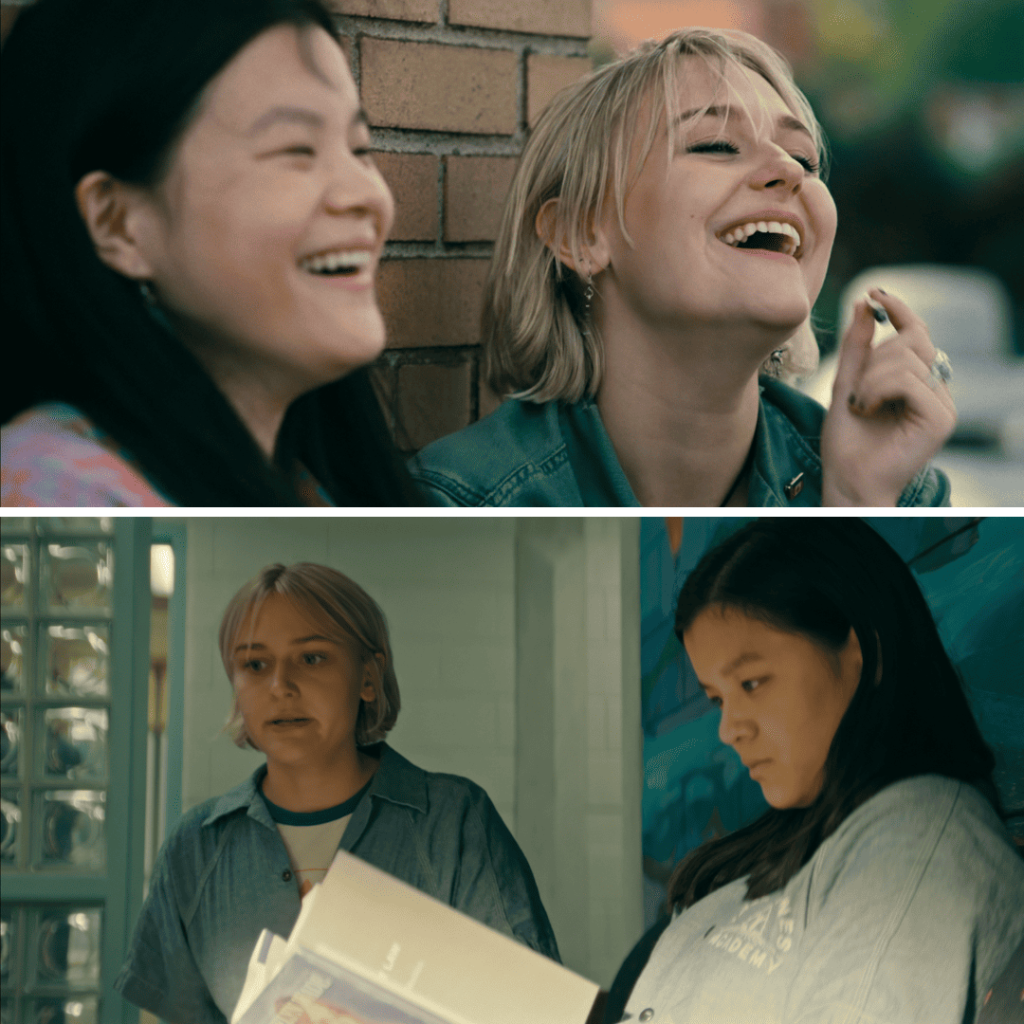
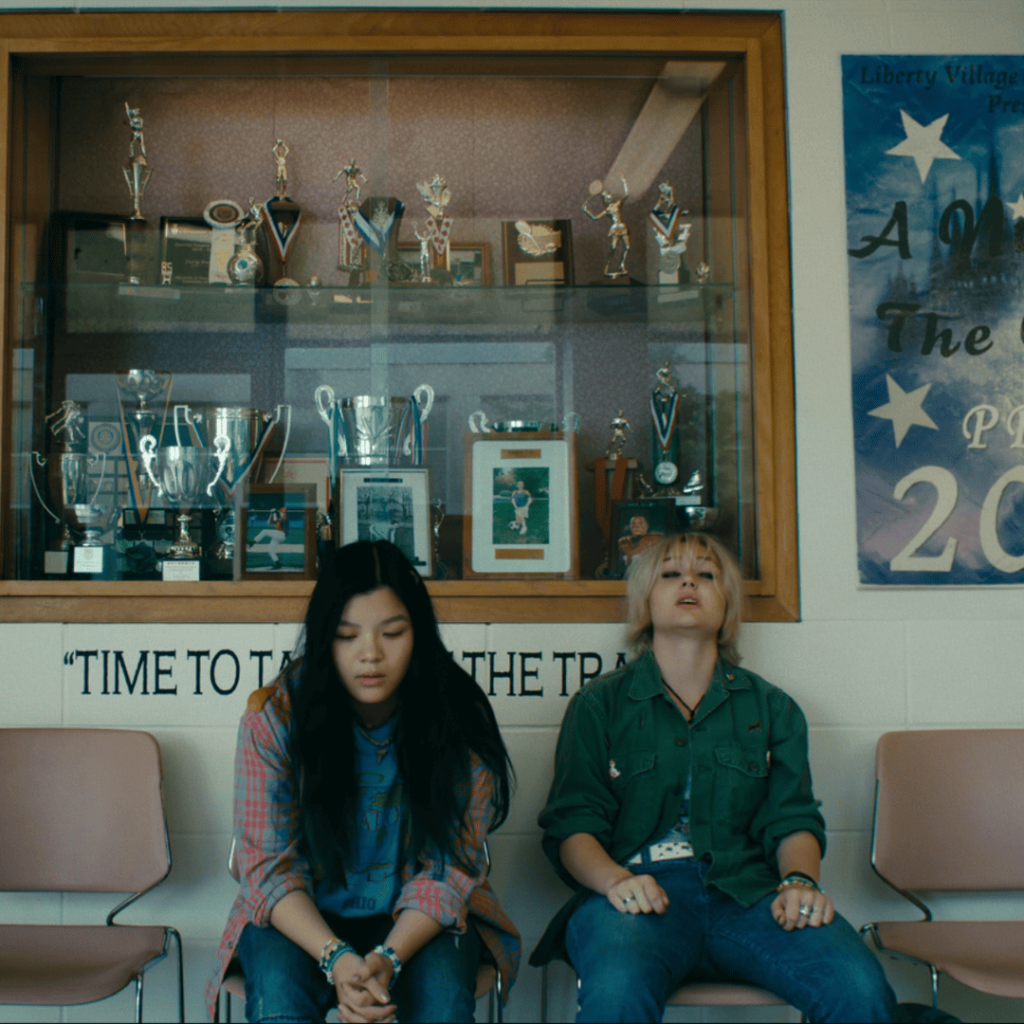
Abbie, one of the teens, didn’t seem out of control, just experimenting and pushing back against authority like most teenagers do. Yet she was placed in Tall Pines, where her agency was stripped.
That made me think of Paris Hilton’s memoir, where she describes being sent to a harsh “rehabilitation” facility as a teen. Her advocacy against these institutions echoes here: when does “help” become control, or even abuse?
Life lesson: Wayward reminds us that everyone is broken in their own way. Parents aren’t born knowing how to guide their children, just as teens aren’t born knowing how to navigate pain. When we hand over that responsibility to institutions or to people with their own scars, we risk replacing our own wounds with theirs.
The deeper lesson is that healing has to begin within ourselves, otherwise, we’ll always be trying to fix others while ignoring the fractures in our own foundations.
If you’ve seen Devs, you know how unsettling questions of free will can be, Wayward operates in that same shadow. And like The Substance, it also probes what happens when your sense of identity is fractured and rewritten.
Characters and the Cost of Utopia
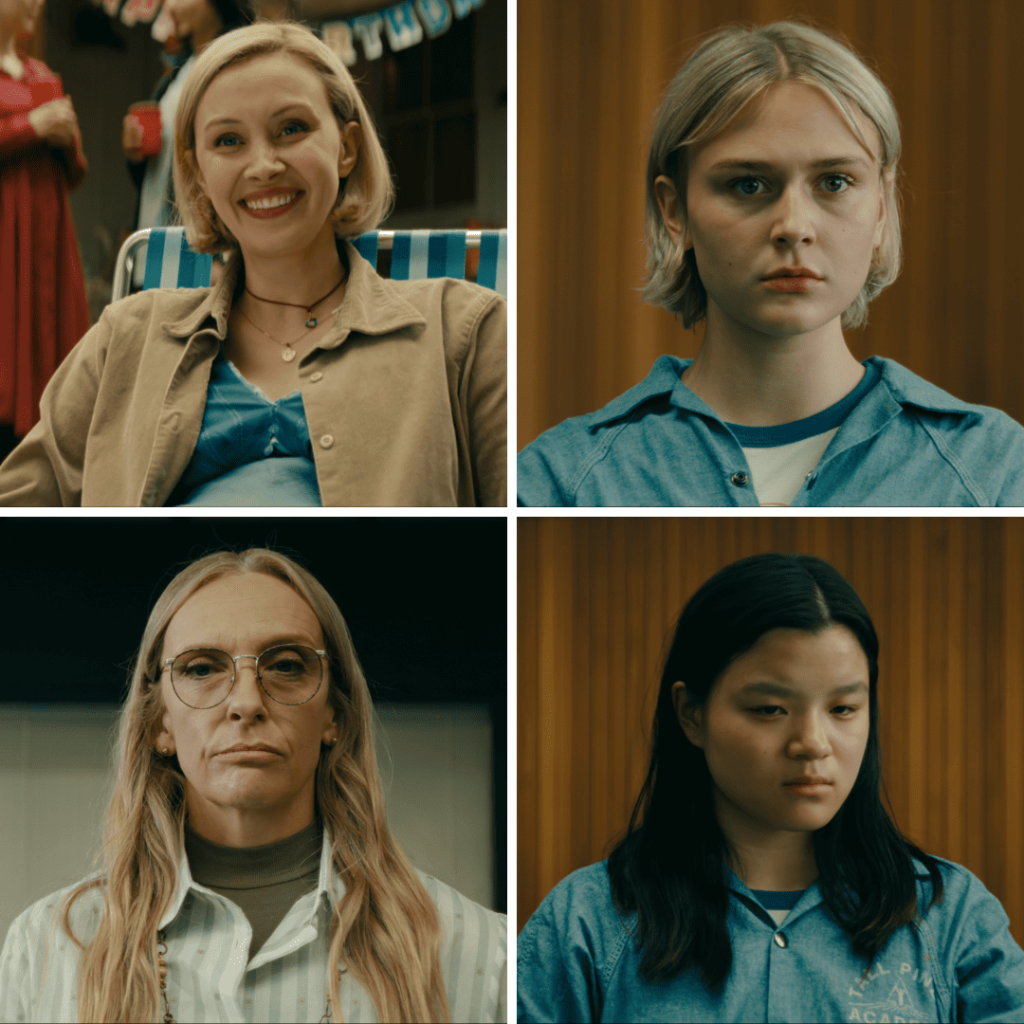
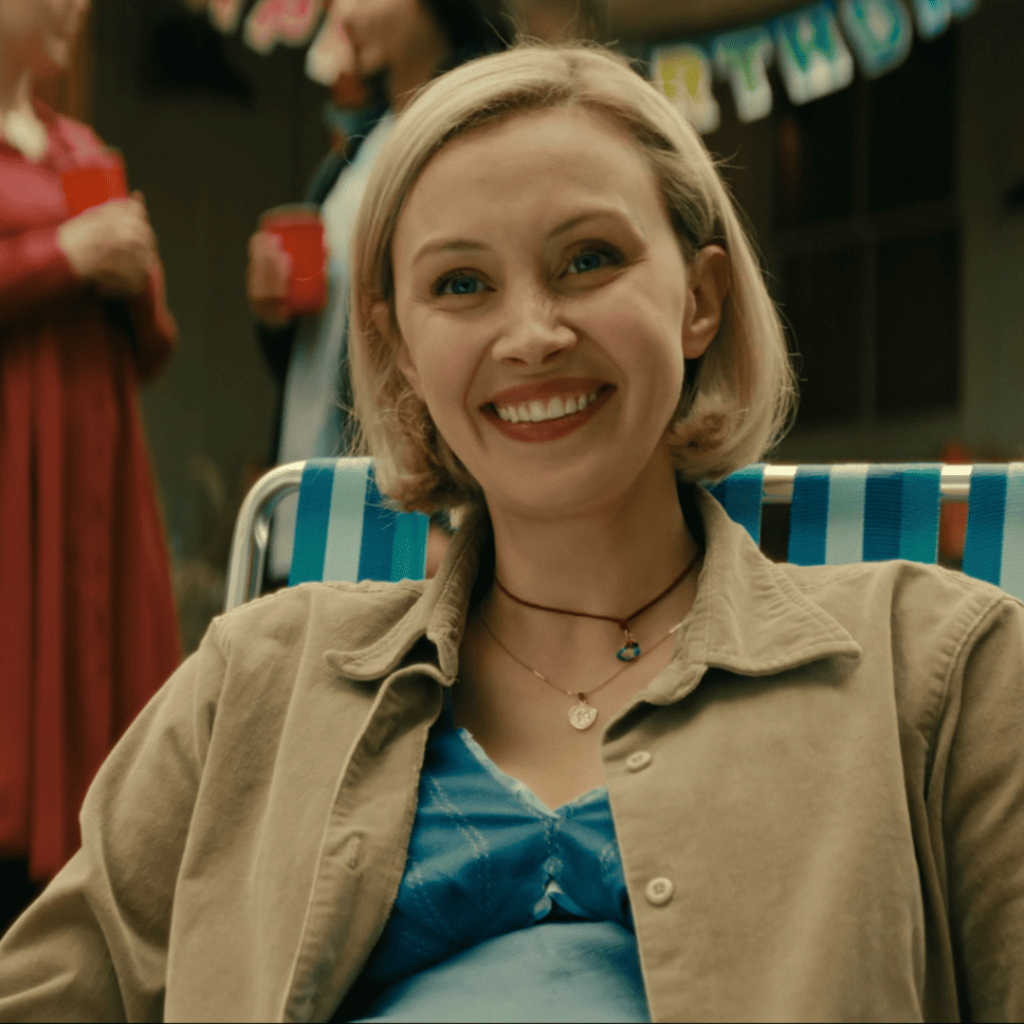
Evelyn Wade: both visionary and manipulator, using brutal methods to create her idea of utopia.
Alex: a police officer with deep anger issues. He seemed like a protector, but his violence escalates until it’s hard to tell if he’s savior or danger.
Laura: a “child of Wayward,” who murdered her parents and had her memories severed. Her character embodies what happens when trauma is rewritten instead of healed.
Abbie and Leila: the Canadian teens pulled into this nightmare. Their story captures the fear of losing your identity to someone else’s vision.
Haunting Images That Stayed With Me
For me, Wayward left two visuals lodged in my head like splinters. The first is Evelyn’s ritual, the hypnotic words about the door, the open mouths that become portals, and her hand reaching through one threshold after another.
Each door she stepped into felt like another stolen memory, another piece of someone’s identity. The endlessness of it disturbed me. Were these the doors of every person she had “healed,” or was it just an endless hall of broken selves? Either way, it was unsettling, a metaphor for how manipulation multiplies.
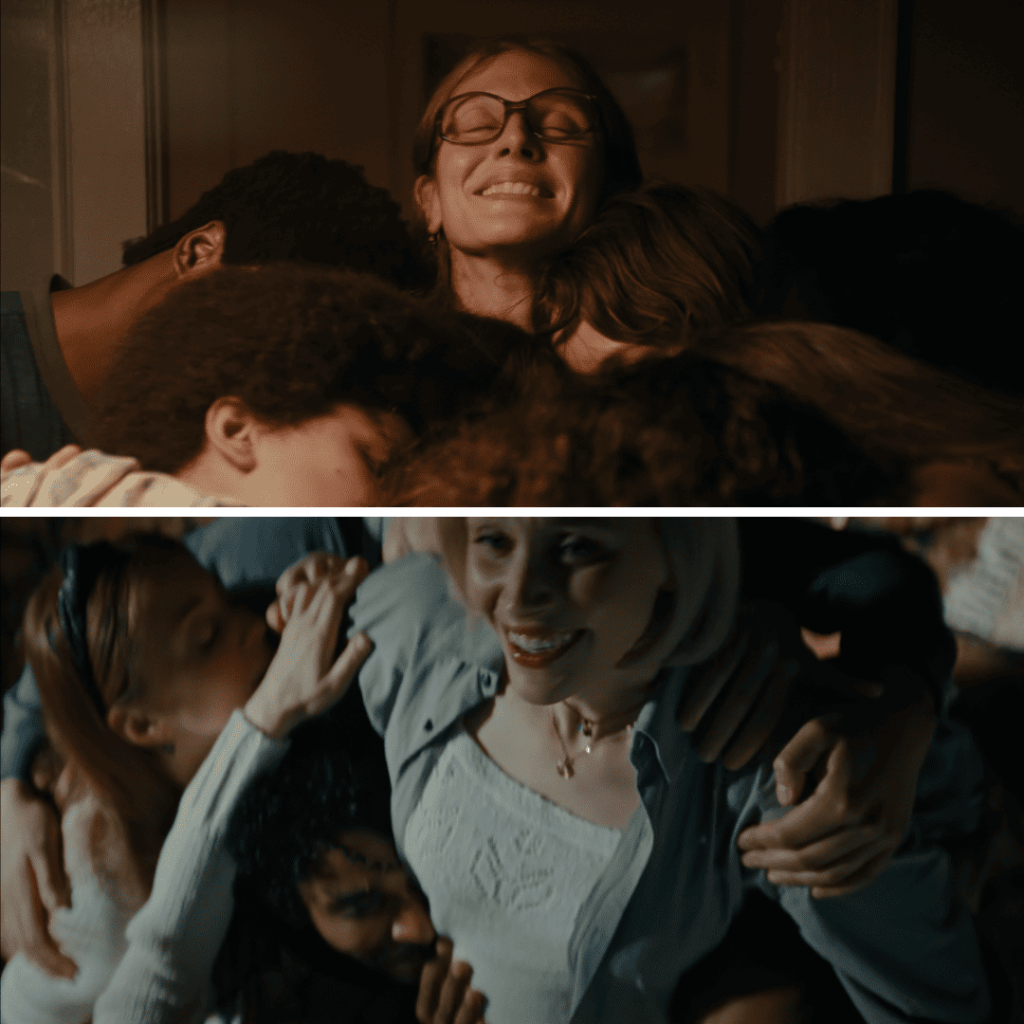
The second was more emotional than surreal: Alex in the car with Abbie, the dog, and the baby. It looked like hope , an escape, a break in the cycle. But then the shot undercuts it, showing Alex still in the house, shutting the door, while Abbie drives away with just the dog.
That made me wonder: was Alex ever free? Or had Evelyn succeeded in planting another illusion through the leap? That ambiguity lingered because it turned hope into something fragile maybe even false.
Final Thoughts: Brokenness, Healing, and Free Will
Wayward is not a comfortable watch. It’s disturbing, fascinating, and frustrating. But maybe that’s the point. It asks whether we can ever be “fixed” or whether healing has to come from embracing our brokenness and finding resilience in it.
If you enjoy series that explore psychological horror, cult dynamics, and identity, Wayward sits alongside titles like Sharp Objects, Wayward Pines, Red Rose, Dark and the Midnight Club.
What did you think, was Wayward a disturbing reflection of real-life “rehab” programs, or just a dark fever dream? Share your take in the comments, and join my newsletter for more life lessons decoded from film and TV.
Disclaimer: This blog is for informational and entertainment purposes only. All copyrights and trademarks for the TV shows, films, and other media referenced are the property of their respective owners. This blog aims to provide original commentary and insights and claims no ownership over third-party content.




6 Comments